
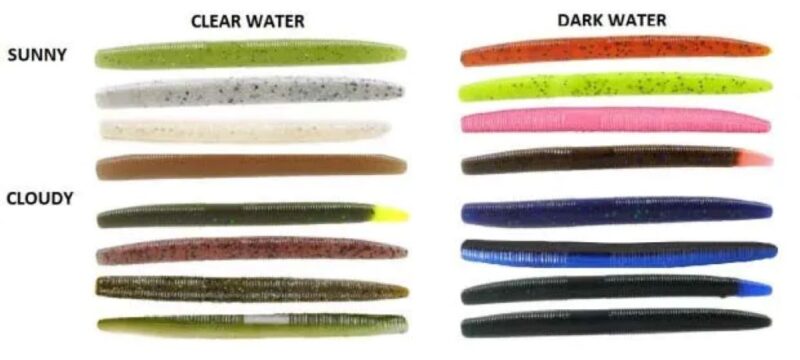
Navigating the murky depths of muddy water can be a frustrating experience for any angler. Finding the best bait color for muddy water is crucial to success, as fish rely heavily on visual cues in clear conditions. However, when visibility drops, you need to adapt. This guide will equip you with the knowledge to select the right bait colors, ensuring a productive fishing trip even in the most challenging muddy environments.
Understanding Muddy Water and Fish Behavior
Muddy water, often caused by heavy rainfall, runoff, or stirred-up sediment, significantly reduces light penetration. This impacts a fish’s ability to see clearly. Consequently, they rely more on their lateral line, which detects vibrations, and other senses like smell and taste. To effectively target fish in these conditions, your lure must create a strong visual and sensory profile. Discover Family Fishing Vacations, Lake Huron Islands.
Key Factors Influencing Bait Color Selection
Several factors influence the effectiveness of bait colors in muddy water. These include:
- Water Clarity: The degree of murkiness directly impacts visibility.
- Weather Conditions: Overcast days further reduce light, while sunny days offer a bit more visibility.
- Target Species: Different fish species have varying color preferences and sensory capabilities.
- Available Forage: Matching the color of prevalent forage can increase your chances.
The Best Bait Colors for Muddy Water: A Comprehensive Breakdown
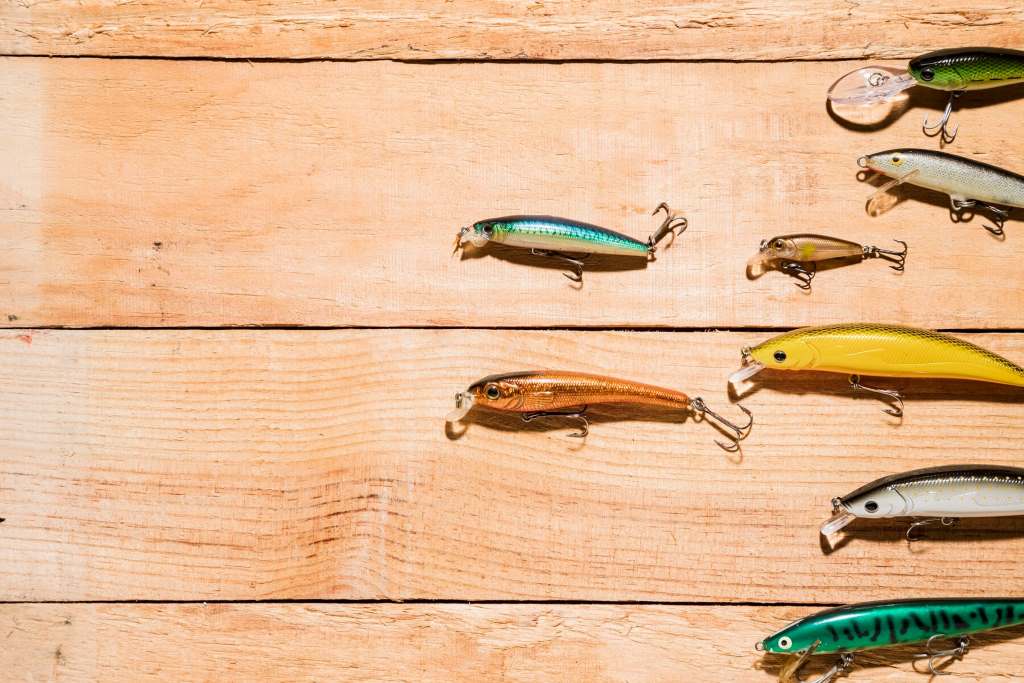
When it comes to selecting the best bait color for muddy water, certain hues stand out due to their high visibility and ability to create a strong contrast.
1. High-Visibility Colors: Making Your Bait Stand Out
These colors provide the most significant visual impact in low-visibility conditions.
- Chartreuse:
- This bright, yellowish-green color is highly effective in muddy water.
- It creates a strong contrast and is easily visible to fish.
- Chartreuse is particularly effective for bass, crappie, and catfish.
- Firetiger:
- A combination of chartreuse, orange, and black, firetiger offers a multi-sensory appeal.
- The contrasting stripes create a distinct profile in murky waters.
- This color pattern is excellent for attracting predatory fish.
- White:
- A classic choice for all water conditions, white stands out well against muddy backgrounds.
- Its versatility makes it suitable for various lure types and fishing techniques.
- White lures are effective for bass, pike, and walleye.
2. Contrasting Colors: Creating a Strong Visual Signature
These colors create a stark difference against the muddy backdrop, making your bait more noticeable.
- Black and Blue:
- The combination of black and blue creates a silhouette effect, making the lure visible against the lighter muddy water.
- This color pattern is particularly effective for bass fishing in low-light conditions.
- The contrast triggers a strong reaction from predatory fish.
- Orange:
- Orange is a bright, easily seen color that performs well in stained or muddy water.
- It resembles crawfish colors, which are a food source for many fish.
- Effective for bass and catfish.
- Red:
- Red is a classic color that mimics injured bait fish or crawfish.
- In muddy water, it provides a strong visual cue.
- Works well for bass and other predatory fish.
3. Sensory Enhancements: Beyond Visual Appeal
In muddy water, appealing to other senses is essential.
- Rattles and Vibration: Incorporating lures with rattles or vibration features can help fish locate your bait.
- Scented Baits: Using scented lures or adding attractants can increase the chances of a strike.
- Larger Profiles: Using bigger baits help fish find the lure even when the visibility is very poor.
Choosing the Right Lure Type
Selecting the appropriate lure type is just as important as choosing the right color. Consider these options for muddy water:
- Crankbaits: These lures create vibrations and noise, attracting fish in murky conditions.
- Spinnerbaits: The flashing blade and vibration of spinnerbaits make them highly effective in muddy water.
- Jigs: Jigs with rattles and bulky profiles are excellent for targeting bottom-dwelling fish.
- Soft Plastics: Use brightly colored soft plastics with added scent and rattles.
Practical Tips for Fishing in Muddy Water
- Fish Slowly: Fish tend to be less active in muddy water, so slow down your presentation.
- Focus on Structure: Fish often congregate around structures like fallen trees, docks, or weed lines.
- Use Heavy Cover: Fish will often seek cover to avoid the muddy water.
- Pay Attention to Sound: Use lures with rattles and vibration to create sound.
- Experiment: Try different colors and lure types to see what works best in your specific conditions.
Best Bait Colors by Fish Species in Muddy Water
| Fish Species | Best Bait Colors | Lure Types |
| Bass | Chartreuse, Firetiger, Black and Blue, Orange | Crankbaits, Spinnerbaits, Jigs, Soft Plastics |
| Crappie | Chartreuse, White, Pink | Jigs, Small Soft Plastics |
| Catfish | Chartreuse, Orange, White | Bottom Baits, Jigs |
| Pike | Firetiger, White, Chartreuse | Spinnerbaits, Crankbaits |
| Walleye | Chartreuse, White, Orange | Jigs, Crankbaits |
Conclusion: Mastering Muddy Water Fishing
Fishing in muddy water presents unique challenges, but by understanding fish behavior and selecting the best bait color for muddy water, you can significantly increase your success. Remember to focus on high-visibility and contrasting colors, utilize lures with sensory enhancements, and adapt your fishing techniques to the conditions. By applying the knowledge shared in this guide, you’ll be well-equipped to tackle muddy water and reel in more fish.
Don’t let muddy water keep you off the water! Grab your tackle box, stock up on chartreuse, firetiger, and other high-visibility lures, and head out for a productive fishing trip. Share your muddy water fishing experiences and tips in the comments below! If you have any questions about selecting the right lure, please ask!
Read More:
Discover the Best Bait for Lake Texoma


