

Choosing the best knot for spinnerbaits is crucial for anglers looking to maximize their catch. A poorly tied knot can lead to lost lures and missed opportunities, especially when targeting aggressive fish. This article will guide you through the optimal knotting techniques, ensuring your spinnerbaits stay secure and your fishing trips are more successful.
Understanding the Importance of a Strong Knot for Spinnerbaits
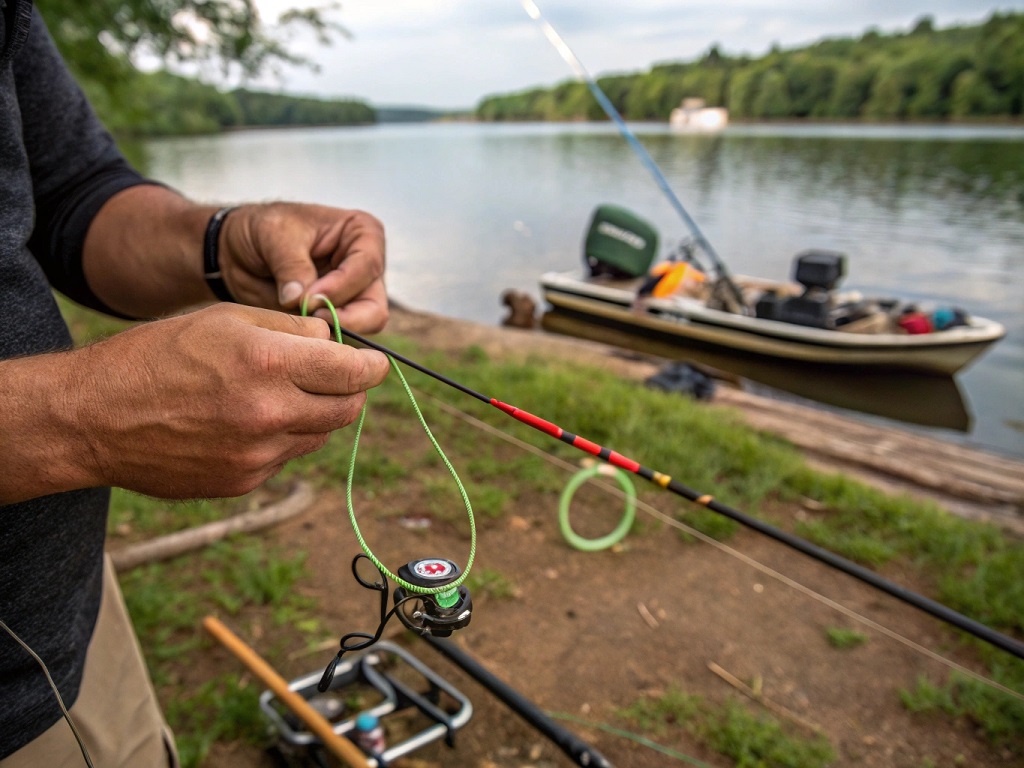 Spinnerbaits, with their vibrating blades and bulky profiles, create significant drag in the water. This drag places immense stress on the knot connecting your line to the lure. Selecting a robust knot that maintains its integrity under pressure is essential. The right knot ensures optimal lure action and prevents slippage, which is critical when battling hard-fighting species like bass and pike.
- A weak knot can break under the strain of a hooked fish.
- The proper knot enhances lure presentation and sensitivity.
- Durability directly impacts your fishing success rate.
Which Knot Reigns Supreme? The Palomar Knot
When it comes to securing spinnerbaits, the Palomar knot is widely regarded as the best knot for spinnerbaits due to its exceptional strength and reliability. It’s relatively easy to tie, even for beginners, and maintains a high breaking strength, making it ideal for heavy cover and powerful fish.
How to Tie the Palomar Knot:
- Double about 6 inches of line and pass the doubled line through the eye of the spinnerbait.
- Tie a simple overhand knot with the doubled line, but don’t tighten it.
- Pass the loop end of the doubled line over the spinnerbait.
- Moisten the knot and pull both tag ends to tighten.
- Trim the excess line, leaving a short tag end.
This knot’s design distributes stress evenly, preventing slippage and breakage. Anglers employing this strong fishing knot experience a higher success rate when using a variety of fishing lures, including spinnerbaits.
Alternative Strong Knots for Spinnerbait Fishing
While the Palomar knot is a top choice, other knots can also provide reliable connections. Consider these alternatives:
- Improved Clinch Knot: A versatile knot suitable for various fishing applications.
- San Diego Jam Knot: Known for its strength and abrasion resistance, ideal for heavy cover.
- The Double Uni Knot: Useful for joining lines or tying terminal tackle.
Each of these knots offers unique advantages. However, for spinnerbaits, the Palomar knot generally provides the most secure and reliable connection.
Factors Affecting Knot Strength and Performance
Several factors can influence the strength and performance of your fishing knots:
- Line Type: Braided, fluorocarbon, and monofilament lines have different properties affecting knot strength.
- Knot Tying Technique: Incorrectly tied knots can significantly reduce their strength.
- Line Condition: Frayed or damaged lines weaken knots.
- Lure Weight and Drag: Heavier lures and increased drag place more stress on the knot.
Maintaining fresh line and practicing knot tying techniques are essential for optimal performance.
Tips for Enhancing Your Spinnerbait Knotting Technique
To ensure your knots are strong and reliable, follow these tips:
- Moisten the Knot: Lubricating the line before tightening reduces friction and prevents damage.
- Pull Evenly: Distribute pressure evenly across the knot to avoid weak points.
- Check Regularly: Inspect your knots frequently for signs of wear or damage.
- Use Quality Line: Invest in high-quality fishing line for better knot performance.
- Practice Frequently: Regular practice improves knot tying accuracy and speed.
Why Line Matters: Choosing the Right Fishing Line
The type of fishing line you use plays a pivotal role in knot strength and performance. Braided line, for example, offers excellent strength and sensitivity but requires knots designed for its unique properties. Fluorocarbon line is nearly invisible underwater and has low stretch, while monofilament is versatile and affordable.
| Line Type | Strength | Sensitivity | Abrasion Resistance | Ideal Knot |
| Braided Line | High | High | High | Palomar, Double Uni |
| Fluorocarbon | Medium-High | Medium | High | Palomar, Improved Clinch |
| Monofilament | Medium | Medium | Medium | Improved Clinch, San Diego Jam |
Matching your line to your fishing conditions and lure type is crucial for success.
Maintaining Your Spinnerbait Setup for Optimal Performance
Beyond choosing the best knot for spinnerbaits, maintaining your entire setup is essential. Regularly inspect your rod, reel, and line for any signs of wear. Clean your reel and lubricate it as needed. Check your rod guides for damage that could fray your line.
- Regular maintenance prolongs the lifespan of your gear.
- Proper care ensures smooth operation and reliable performance.
- Inspecting your gear prevents unexpected failures during fishing trips.
Enhancing Lure Presentation with Proper Knots
The right knot not only secures your lure but also influences its presentation. A well-tied knot allows the spinnerbait to move naturally, attracting more strikes. Ensure your knot is snug and doesn’t restrict the lure’s action.
- Natural lure movement increases strike potential.
- A properly tied knot enhances lure sensitivity.
- The knot’s position impacts lure action.
Read More Also: Family Fishing Vacations, Lake Huron Islands: The Ultimate Guide to Reeling in Memories and Big Catches
Conclusion: Mastering the Knot for Spinnerbait Success
Selecting and tying the best knot for spinnerbaits is a fundamental skill for any angler. The Palomar knot stands out for its strength and reliability, but understanding alternative knots and factors affecting knot performance is equally important. By following the tips and techniques outlined in this article, you can enhance your fishing success and enjoy more productive outings.
Call to Action:
Ready to improve your spinnerbait fishing? Practice tying the Palomar knot today and experience the difference a strong, reliable knot can make. Share your knot tying tips and fishing stories in the comments below! Don’t forget to subscribe for more expert fishing advice and techniques.


