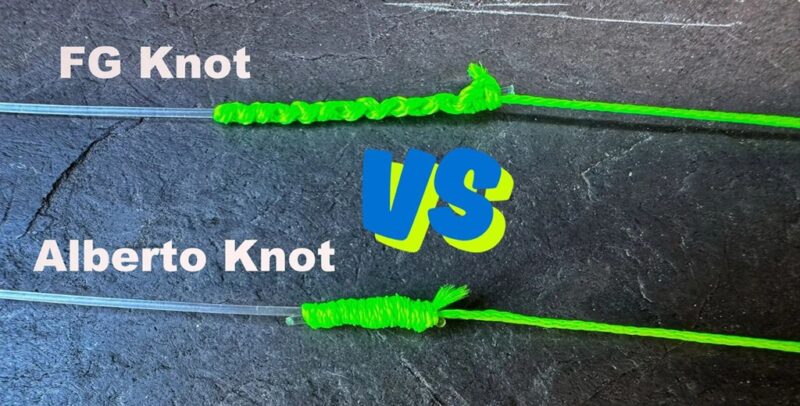
Every angler knows the gut-wrenching feeling of a knot failing at the crucial moment. That connection between your mainline and leader is arguably one of the most critical points in your entire setup, especially when dealing with the popular combination of braided mainline and a fluorocarbon or monofilament leader. Two knots frequently dominate the conversation for this vital connection: the Alberto Knot and the FG Knot. Both have passionate followings, but they offer distinct advantages and disadvantages. Choosing the right one often comes down to balancing strength, profile, ease of tying, and the specific fishing situation. Let’s dive into this knot showdown to help you decide which one deserves a place in your angling arsenal.
Understanding the Alberto Knot
The Alberto knot, often called the “Crazy Alberto” after its inventor Alberto Knie, is essentially a modified Albright Special knot. It gained popularity because it provides a strong, reliable connection between lines of different diameters and materials, like braid to fluoro or mono, and it’s relatively straightforward to learn compared to some other high-performance knots.
How it Works & Tying Basics:
The magic of the Alberto lies in its double-wrap system. You start by forming a loop in your heavier leader material. Then, you pass the lighter braided line through this loop, wrap it around both strands of the leader loop typically 7 times away from the loop, and then wrap it back 7 times over the initial wraps towards the loop. Finally, the tag end of the braid goes back through the original entry point of the loop (but in the opposite direction). Properly cinching down this knot is crucial; moisture (saliva or water) helps lubricate the lines, allowing the wraps to seat tightly and securely without damaging the line.
Pros:
The primary advantage of the Alberto knot is its relative ease and speed of tying, especially once you’ve practiced it a few times. Many anglers find they can tie it reliably even in less-than-ideal conditions, like on a rocking boat or in windy weather. It offers good breaking strength, certainly much better than simpler knots like the Double Uni for this application, and creates a reasonably slim profile that generally passes through rod guides without much issue, though maybe not as smoothly as the FG knot. It’s versatile and works well across a range of line diameters.
Cons:
While strong, knot strength tests consistently show the Alberto is not as strong as the FG knot, often breaking at a lower percentage of the line’s stated strength. Its biggest potential weakness is slippage, particularly if not cinched down extremely tightly. The tag end of the leader, even when trimmed close, can sometimes create a slight bump that might catch on guides, especially micro guides. Some anglers report failures when the knot hasn’t been meticulously tightened, allowing the wraps to loosen over time or under heavy strain, potentially causing the braid to slip out.
Related: 3/0 vs 4/0 Hook: Which Is the Right Hook Size for Your Fishing?
Delving into the FG Knot
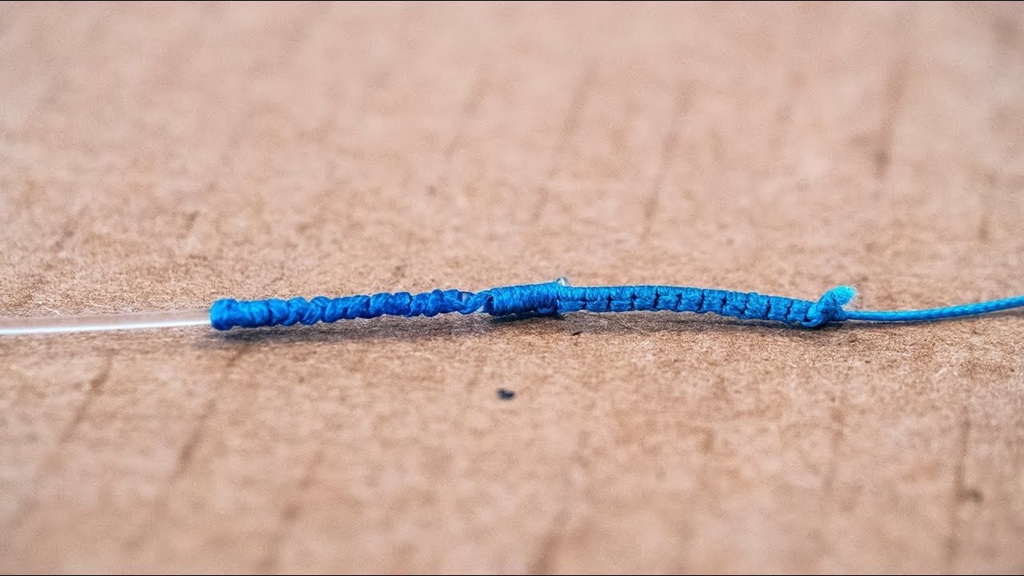
The FG Knot, standing for “Fine Grip,” has gained a near-legendary reputation, particularly among anglers demanding the absolute highest knot strength and the slimmest profile possible. Originating possibly in Japan, it’s a friction knot, meaning its strength comes from the braid tightly gripping or biting into the leader material.
How it Works & Tying Basics:
Tying the FG knot involves weaving the braid around the leader under constant tension. This is the key difference and the source of its complexity. The braid needs to be held taut (often using teeth, fingers, or specialized tools) while the leader is wrapped around it in alternating directions, creating a “Chinese finger trap” effect. Typically, 16-20 (or even more for lighter lines) alternating wraps are made. After the wraps, the knot is secured with locking half-hitches using the braid tag end over both the mainline braid and the leader tag, followed by more half-hitches over just the mainline braid after trimming the leader tag extremely close. Proper, forceful cinching is vital to make the braid bite into the leader.
Pros:
The FG knot’s main claims to fame are its incredible strength and super-slim profile. Independent tests often show it retaining close to 100% of the line’s breaking strength when tied perfectly. Because the leader doesn’t double back on itself (unlike in the loop of the Alberto), the resulting knot is incredibly thin and smooth, allowing it to glide through rod guides, even micro guides, with minimal friction or noise. This can be advantageous for casting distance and feel. When tied correctly, it is exceptionally secure.
Cons:
The biggest drawback of the FG knot is its difficulty and the time it takes to tie correctly. Achieving the necessary consistent tension while making the wraps requires significant practice and dexterity. It’s far less forgiving than the Alberto; improper tension or inconsistent wraps can lead to a knot that fails easily, sometimes even during the tightening process. Many anglers find it challenging, if not impossible, to tie quickly or reliably in adverse conditions on the water. Some sources also mention potential inconsistency when using very light lines (e.g., sub-10lb braid to light fluoro), though many anglers use it successfully in these scenarios with practice.
Related: How to Revive Your Reel Companion
Head-to-Head Comparison: Alberto vs. FG
Let’s directly compare these two contenders across key categories:
-
Strength:
The FG knot generally wins here. When tied properly, it often achieves significantly higher breaking strength, closer to the actual line rating, compared to the Alberto knot. Tests show the FG can reach 80-100% breaking strength, while the Alberto might be closer to 70-80% or less, especially if not perfectly tied. For anglers needing the absolute strongest connection for battling powerful fish or using heavy drag, the FG often gets the nod.
-
Profile & Guide Passage:
The FG knot is the undisputed champion for slimness. Its inline profile, without the doubled-over leader loop of the Alberto, makes it significantly thinner. This translates to smoother passage through rod guides, less “knot bumping,” and potentially longer casts. While a well-tied Alberto is reasonably slim, the FG is noticeably sleeker.
-
Ease of Tying:
The Alberto knot is considerably easier and faster to tie for most anglers. It requires less complex finger work and doesn’t mandate the constant, precise tension critical for the FG. This makes the Alberto a more practical choice for tying on the water, in low light, or when speed is essential. The FG knot demands patience, practice, and often ideal conditions or a dedicated tying tool.
-
Reliability & Security:
Both knots can be reliable if tied correctly. The Alberto’s main failure point is slipping due to inadequate tightening. Ensuring those wraps are cinched down hard is paramount. The FG’s reliability hinges entirely on proper tension during tying and correct locking hitches; failure to achieve the “bite” means the knot will likely slip apart under minimal pressure. Some anglers feel more confident in the Alberto due to its simpler mechanics, while others trust the FG’s superior grip once mastered.
-
Applications:
The FG knot excels when maximum strength and the absolute slimmest profile are paramount – think long casts, finesse fishing with light lines passing through micro guides, or heavy-duty applications like offshore jigging or popping where knot failure is not an option. The Alberto knot is a fantastic all-around choice, especially when ease and speed of tying are important. It’s great for general lure fishing, situations requiring frequent re-tying on the water, or for anglers who haven’t yet mastered the FG. Many anglers tie the FG at home when prepping gear and use the Alberto for quick fixes streamside or on the boat.
Tips for Tying Success
Whichever knot you choose, practice is key. Here are some tips:
- General: Always moisten your knot (especially mono/fluoro) before cinching to reduce friction and heat damage. Pull knots tight with steady, firm pressure. Trim tag ends cleanly with sharp cutters or braid scissors.
- Alberto: Focus on neat, side-by-side wraps down and back. Ensure the braid tag end exits the loop the correct way. The most critical step is cinching; pull firmly on both the mainline and leader, then on both tag ends, to fully seat the wraps. Consider 7 wraps down and 7 back as a minimum; some add more, especially with slicker lines. Trim the leader tag very close, but be careful not to nick the main wraps.
- FG: Maintaining consistent tension on the braid during wrapping is non-negotiable. Ensure wraps alternate correctly over and under the leader. The initial locking half-hitches (over both leader tag and mainline) must be tight. Forcefully cinch the knot by pulling the mainline braid and leader apart before trimming the leader tag – this makes the braid dig in. Trim the leader tag extremely close. Finish with secure alternating half-hitches (usually 4-6) on the braid mainline only.
Related: Top Baits for Catching Gar: The Best Options for Success
People Also Ask (FAQs)
-
Q1: Is the FG knot stronger than the Alberto knot?
A: Yes, generally. When tied correctly, knot strength tests consistently show the FG knot retains a higher percentage of the line’s original breaking strength compared to the Alberto knot.
-
Q2: Is the Alberto knot easy to tie?
A: Relatively, yes. Compared to the FG knot, the Alberto is considered much easier and faster to learn and tie reliably, making it a popular choice for many anglers, especially for tying on the water.
-
Q3: Which knot is better for braid to fluorocarbon?
A: Both are excellent choices, but the “better” knot depends on priorities. For maximum strength and the slimmest profile (best guide passage), the FG is technically superior if you can tie it perfectly. For a strong, reliable knot that’s much easier and faster to tie, the Alberto is often preferred.
-
Q4: Does the FG knot slip?
A: An improperly tied FG knot will slip easily. The most common reason for failure is insufficient tension during the wrapping process, which prevents the braid from adequately “biting” into the leader material. Correctly tied and cinched, it is extremely secure.
-
Q5: How many wraps for an Alberto knot?
A: The standard recommendation is 7 wraps down the leader loop and 7 wraps back up over the initial wraps. Some anglers prefer slightly more, perhaps 8-10 each way, especially with very slick or thin braided lines, for added security.
Conclusion
The Alberto knot and the FG knot are both top-tier choices for connecting braided line to a leader, but they cater to slightly different needs and skill levels. The Alberto knot shines as a strong, reliable, and relatively easy-to-tie option that serves most anglers exceptionally well, particularly when practicality and speed are factors. The FG knot, while demanding significant practice and precision, offers unparalleled strength and the slimmest profile available, making it the ultimate choice for those prioritizing performance above all else and willing to invest the time to master it.
Ultimately, the “best” knot is the one you can tie confidently, correctly, and consistently under the conditions you fish in. Experiment with both, practice diligently, and choose the knot that gives you the most confidence when that fish of a lifetime is on the line. Happy fishing!