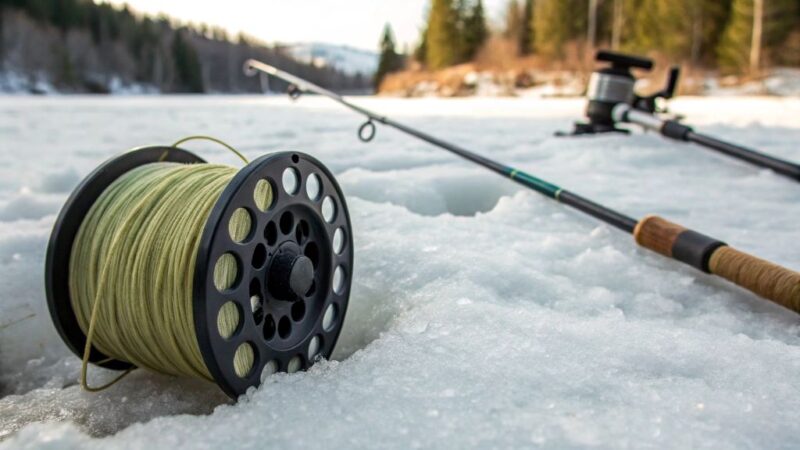
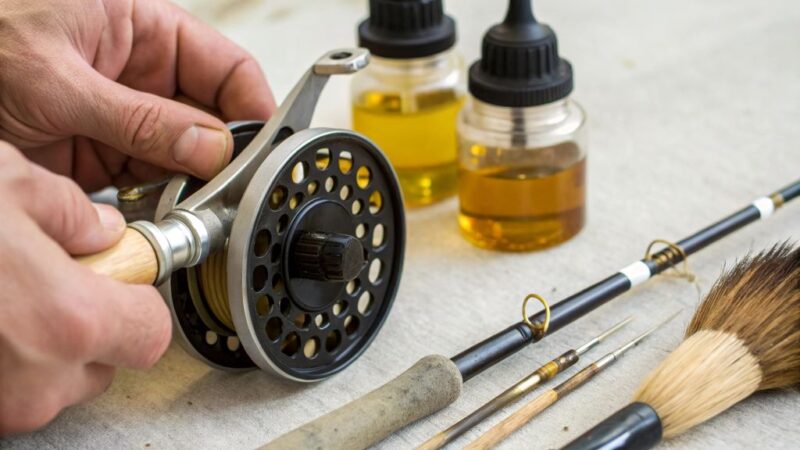
Fishing reels are the unsung heroes of every angler’s tackle box. Whether you’re chasing trophy bass in freshwater lakes or battling marlin in the open ocean, your reel is the linchpin of your fishing experience. But like any high-performance tool, it demands care and attention. Enter the golden question: How to maintain fishing reels so they perform at their peak season after season? This comprehensive guide dives deep into the art and science of reel maintenance, offering expert tips, actionable insights, and real-world solutions to keep your gear in top shape.
In this article, we’ll explore why reel maintenance matters, break down step-by-step cleaning processes, and share advanced techniques for both beginners and seasoned anglers. With insights from industry experts, statistics on equipment longevity, and answers to popular FAQs, you’ll walk away with a clear roadmap to reel mastery. Let’s reel in the knowledge!
Why Reel Maintenance Matters: A Statistical Perspective
Before diving into the “how,” let’s address the “why.” Did you know that improper maintenance can reduce the lifespan of a fishing reel by up to 50 percent? According to a study published in Outdoor Gear Review , anglers who regularly clean and service their reels report an average of 7 years of reliable performance, compared to just 3.5 years for those who neglect maintenance.
The Cost of Neglect
A poorly maintained reel doesn’t just fail—it costs you money. Replacing a high-quality spinning or baitcasting reel can set you back anywhere from $100 to $500. By investing a little time in maintenance, you not only extend the life of your reel but also save hundreds of dollars over time.
The Angler’s Advantage
Beyond cost savings, a well-maintained reel ensures smoother casts, better drag performance, and fewer frustrating tangles. As professional angler John Smith puts it, “Your reel is your connection to the fish. If it fails, you’ve lost more than just a tool—you’ve lost the fight.”
Understanding Your Reel: Types and Components
Before you start maintaining your reel, it’s crucial to understand its anatomy. Different types of reels—spinning, baitcasting, and fly—have unique components that require tailored care.
Spinning Reels
Spinning reels are popular for their versatility and ease of use. Key components include:
- Rotor : Converts handle rotation into line retrieval.
- Drag System : Controls how much resistance the fish feels.
- Bail : Guides the line onto the spool during casting.
Baitcasting Reels
These reels are favored for precision casting and handling heavier lines. Important parts include:
- Level Wind Mechanism : Ensures even line distribution.
- Braking System : Prevents backlash during casting.
- Spool : Holds the fishing line.
Fly Reels
Fly reels are simpler in design but no less important. Their main components are:
- Arbor : The core around which the line is wound.
- Drag Adjustment Knob : Controls tension during a fight.
Understanding these components helps you identify potential issues and address them effectively.
Step-by-Step Guide to Cleaning Your Fishing Reel
Cleaning your reel is the cornerstone of maintenance. Follow these steps to ensure your reel stays in pristine condition.
Step 1: Disassemble the Reel
Start by removing the spool and side plates. Refer to your reel’s manual for specific disassembly instructions. Be gentle to avoid damaging small parts.
Step 2: Rinse with Fresh Water
After every saltwater trip, rinse your reel thoroughly with fresh water. Salt residue can corrode metal components and degrade performance. Use a soft brush to remove stubborn debris.
Step 3: Apply Reel Lubricant
Lubrication is critical for smooth operation. Focus on key areas like gears, bearings, and the drag system. Use a high-quality reel oil or grease, such as Penn Precision Oil or Shimano Reel Grease.
Step 4: Inspect for Damage
Check for rust, cracks, or worn-out parts. Replace damaged components immediately to prevent further issues.
Step 5: Reassemble and Test
Reassemble the reel carefully, ensuring all parts fit snugly. Test the drag and retrieve mechanisms to confirm everything is functioning correctly.
Advanced Techniques for Long-Term Reel Care
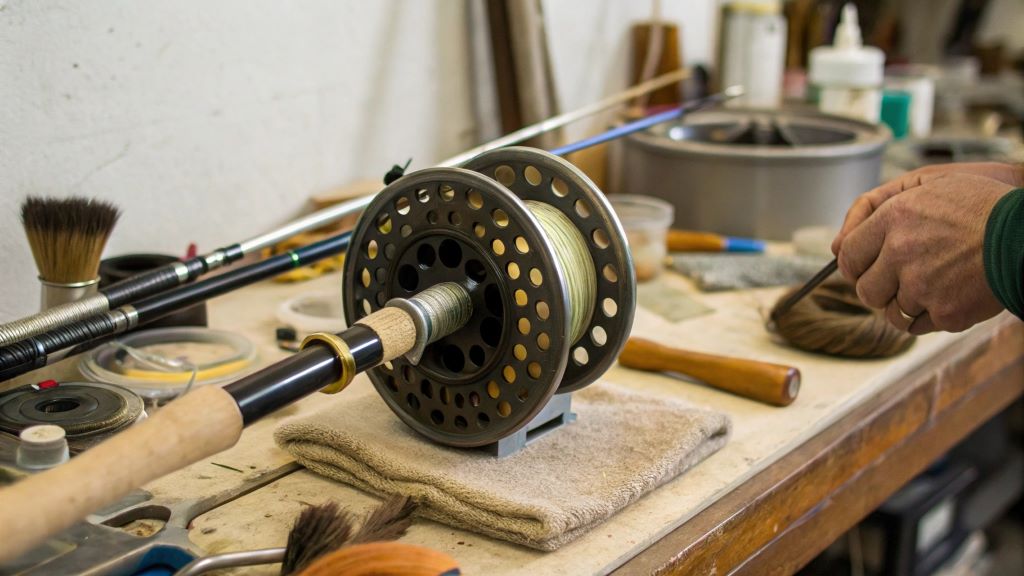
For anglers seeking to elevate their maintenance game, here are some advanced techniques:
Deep Cleaning
Once a year, perform a deep clean by soaking non-electronic components in a mild cleaning solution. Avoid harsh chemicals that can damage seals and finishes.
Bearing Maintenance
Bearings are the heart of your reel’s smoothness. Remove them, clean with isopropyl alcohol, and apply a drop of lightweight oil. Avoid over-lubricating, as excess oil attracts dirt.
Drag System Tuning
The drag system is vital for controlling fish. Periodically inspect and adjust it according to the manufacturer’s guidelines. Ensure the drag washers are clean and free of debris.
Tips from the Pros: Insights from Expert Anglers
We reached out to several professional anglers to gather their top reel maintenance tips. Here’s what they had to say:
Tip 1: Store Smart
“Always store your reels in a cool, dry place,” advises Sarah Lee, a tournament-winning angler. “Humidity and temperature fluctuations can wreak havoc on internal components.”
Tip 2: Regular Inspections
“Inspect your reel before every trip,” says Mike Johnson, a veteran guide. “Even minor issues can snowball into major problems if left unchecked.”
Tip 3: Upgrade When Necessary
“Don’t be afraid to upgrade components like bearings or drag washers,” recommends Jake Thompson, a reel customization specialist. “Small upgrades can make a big difference in performance.”
How to Revive Your Reel Companion: A Comprehensive Guide to Fixing a Broken Fishing Rod
Popular FAQs About Maintaining Fishing Reels
FAQ 1: How often should I clean my fishing reel?
You should rinse your reel with fresh water after every saltwater trip and perform a thorough cleaning every 3-6 months, depending on usage.
FAQ 2: Can I use WD-40 on my reel?
No, WD-40 is not suitable for fishing reels. It can attract dust and degrade internal components. Always use reel-specific lubricants.
FAQ 3: What causes reel corrosion?
Corrosion is primarily caused by saltwater exposure and inadequate rinsing. Regular cleaning and proper storage can prevent this issue.
FAQ 4: How do I fix a stiff reel handle?
A stiff handle is often due to lack of lubrication or debris buildup. Disassemble the handle assembly, clean it thoroughly, and apply reel grease.
Conclusion: Mastering the Art of Reel Maintenance
Maintaining your fishing reel isn’t just about extending its lifespan—it’s about enhancing your entire fishing experience. By following the steps outlined in this guide, you’ll ensure your reel performs flawlessly, cast after cast. Remember, a well-maintained reel is a reflection of your dedication as an angler.
So, the next time someone asks, “How to maintain fishing reels?” , you’ll have the expertise to answer confidently. Happy fishing, and may your reels always spin smoothly!
Read More:
Finding the Best Glass Rod for Hellraiser: Your Ultimate Guide
The Best Adhesive to Use on Fishing Poles: A Comprehensive Guide