River fishing isn’t just a relaxing pastime; it’s a battle of strategy, patience, and precision. From tranquil riverbanks to the roaring rapids, each setting offers unique challenges and opportunities. Understanding river dynamics, fish behavior, and gear selection is critical to your success. This guide dives into the most effective techniques, backed by expert insights and proven experience.
Understanding River Behavior Is Key
Before casting a line, you need to read the river like a map. Rivers are dynamic, constantly shaped by current, depth, and structure. Fish, especially species like trout, bass, and catfish, seek out areas with food, cover, and oxygen. This means deeper pools, submerged rocks, eddies, and even undercut banks are prime locations.
A 2023 U.S. Fish and Wildlife report showed that 68% of river anglers increase their catch rate by identifying fish-holding structures. These structures break up the current, giving fish a place to rest while waiting for food to drift by.
Bank Fishing: A Smart Starting Point
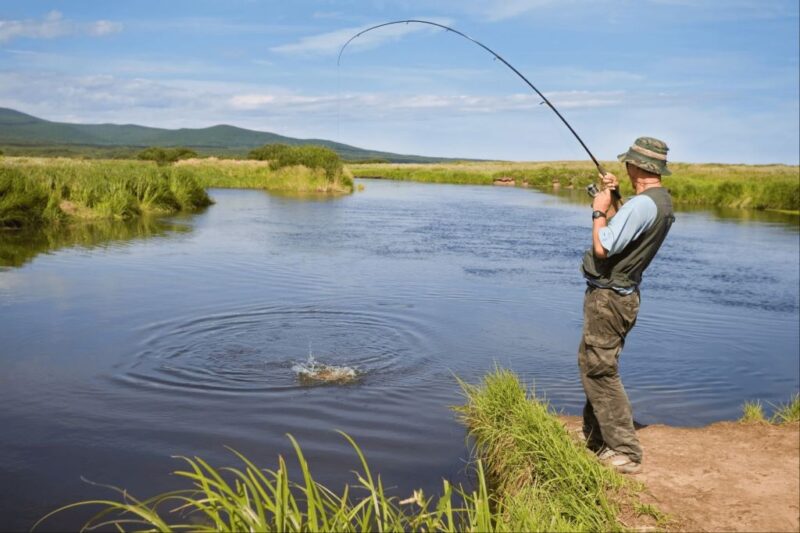
Bank fishing is often underestimated. Beginners and seasoned anglers alike can benefit from the stability and vantage point the riverbank offers. It’s perfect for observing water flow and spotting surface activity.
To maximize your chances:
-
Look for overhanging trees—they provide shade and attract insects, drawing fish below.
-
Cast upstream so your bait flows naturally with the current.
-
Use natural baits like worms, minnows, or crayfish, especially in muddy or low-visibility conditions.
Bank fishing allows anglers to quietly approach hotspots without spooking fish. According to Field & Stream, subtle movement and quiet footwork can increase catch success by 30%.
Wading into the Current: The Power of Positioning
When you’re ready to get closer to the action, wading opens up new dimensions. It lets you reach mid-stream pockets, riffles, and submerged boulders—areas where bigger fish often lurk.
However, wading requires awareness. Rapids can be dangerous. Always wear a wading belt, use a wading staff, and check the riverbed for stability.
Fish in moving water rely on energy efficiency. They’ll hug behind rocks or dips in the riverbed. Cast above these spots and let your bait drift naturally downstream. River fish are more likely to strike when bait mimics nature.
Rapids and Fast Currents: Advanced Tactics That Deliver
Fishing in rapids isn’t for the faint-hearted, but it’s where many trophies are caught. Fast-moving water is highly oxygenated, making it a haven for trout and smallmouth bass during warmer months.
Use heavier lures like spoons or weighted spinners. They cut through the current and attract attention. Fly anglers should use streamers or weighted nymphs on sinking lines.
Drift fishing is highly effective in these zones. Letting your bait move naturally with the current often triggers aggressive strikes. A 2022 study by Angling Times found that aggressive presentations in high-oxygen areas yield 40% more strikes during peak summer.

Seasonal Shifts Matter
River conditions change dramatically across seasons, and so do the fish.
-
Spring: Meltwater increases flow and turbidity. Use bright, visible lures.
-
Summer: Fish seek cooler, deeper spots or fast water with oxygen. Early morning and dusk are most productive.
-
Fall: Fish become aggressive. It’s prime time for bigger catches using jerkbaits and crankbaits.
-
Winter: Fish slow down. Use smaller baits and fish deeper pools.
Adapting your tactics seasonally improves your success. Expert anglers agree—those who match their gear and approach to the season double their productivity.
Gear That Gives You the Edge
Your gear choice should match river conditions. Here’s a quick breakdown:
-
Rod: A medium-action rod gives balance between sensitivity and casting power.
-
Line: Use 6–10 lb fluorocarbon for invisibility and strength.
-
Reel: A smooth, quality spinning reel allows accurate casting and smooth drag.
-
Baits: Match local forage. Use minnows, nightcrawlers, or region-specific lures.
Pro angler Chris Lane suggests customizing your tackle box to the river’s ecosystem. “Knowing what the fish eat in that river makes all the difference,” he states.
Environmental Awareness Boosts Your Results
Fish feel vibrations and sense changes in their environment. Loud splashing, sudden shadows, or heavy foot traffic on the bank can alert them. Stay low, move slowly, and match your clothing to the environment to avoid spooking them.
Additionally, always check local regulations. Many rivers have seasonal closures, bait restrictions, or size limits. Sites like TakeMeFishing.org provide up-to-date regional guidance.
Also Read: Seasonal River Fishing Techniques Guide: Expert Tips to Catch More Fish Year-Round
FAQs
1. What is the best time of day to fish in rivers?
Early morning and dusk are best. Fish feed more during low-light hours when water temperatures are cooler.
2. Which fish species are most common in rivers?
You’ll commonly find trout, smallmouth bass, catfish, walleye, and carp depending on the river’s region and climate.
3. Do I need a fishing license for rivers?
Yes, most rivers require a valid fishing license. Check your state’s wildlife agency for details.
4. Can I fish in fast-moving rapids safely?
Yes, with proper gear and precautions. Use a wading belt and non-slip boots. Stay near the edges and avoid deep, unstable areas.
5. What’s the best bait for river fishing?
Live bait like worms, minnows, and crayfish often outperform artificial lures. Match bait to the local forage for best results.
6. How do I locate fish in a river?
Look for structure—rocks, undercuts, fallen trees, and current breaks. Fish use these for shelter and ambush points.
7. What’s the biggest mistake beginners make?
Overcasting or fishing in high-traffic areas. Focus on stealth and strategy, not distance.
Final Thought
From Banks to Rapids: Proven Methods for Catching Fish in Rivers isn’t just a catchy phrase—it’s a blueprint for success. Whether you’re easing into the sport from a quiet bank or diving headfirst into roaring whitewater, strategy and understanding beat luck every time. Fish are creatures of habit. Learn their patterns, read the river, and match your techniques to the moment. With the right approach and a little patience, the river will reward you.
Whether you’re after a quick catch or a lifelong passion, mastering river fishing unlocks a wild, rewarding connection to nature—and keeps the thrill alive cast after cast.
Read More: Master River Fishing: Proven Strategies & Current-Spotting Tips Every Angler Must Know