Have you ever walked into a fishing tackle shop, stared at the dizzying array of rods, and felt your brain do a complete shutdown? A thousand different lengths, actions, powers, and materials – it’s enough to make even a seasoned angler pause, let alone someone just starting their fishing journey. If you’re a budding angler, that feeling of overwhelm is incredibly common. But what if I told you that selecting the right fishing rod isn’t a dark art reserved for gurus, but a learnable skill that will profoundly impact your success and enjoyment on the water?
Imagine this: You’re out on a beautiful lake, the sun is shining, and you cast your line with confidence, feeling the rod perfectly load and send your lure exactly where you want it. When a fish strikes, the rod bends gracefully, absorbing the shock and giving you maximum control as you reel in your prized catch. This isn’t just a fantasy; it’s the reality when you understand the fundamentals of rod selection. This comprehensive guide will demystify the world of fishing rods, providing you with the essential knowledge to confidently choose the perfect tool for your angling adventures. Say goodbye to guesswork and hello to more fish!
Why Does Rod Selection Even Matter? The Foundation of Fishing Success
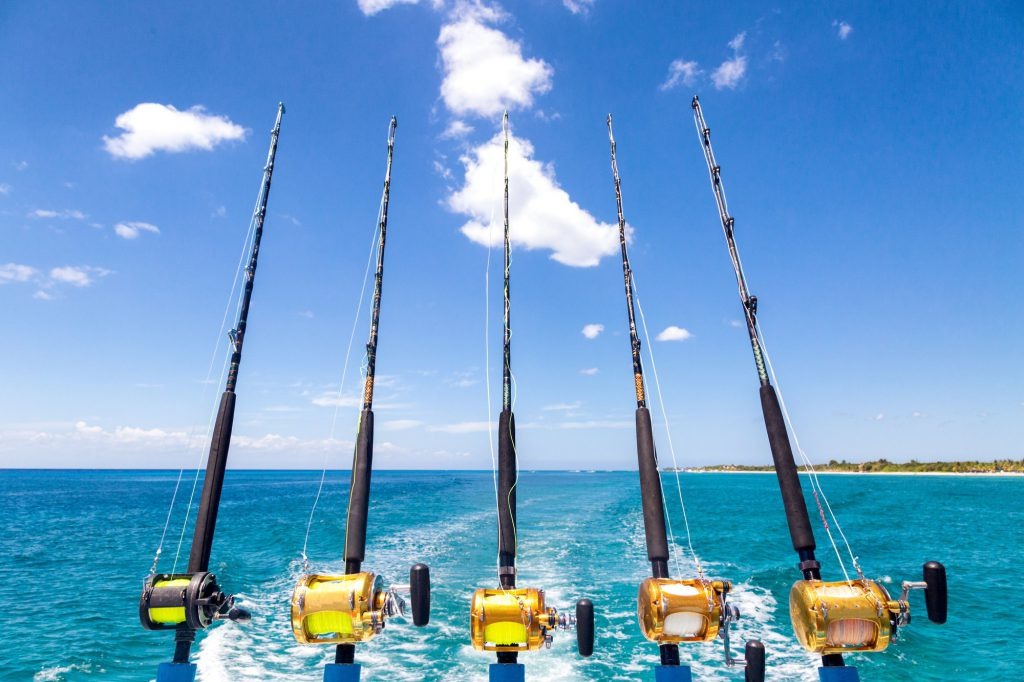
Before we dive into the technicalities, let’s address a fundamental question: why is choosing the right fishing rod so important? Isn’t a rod just a stick you attach a reel to? Not at all! Your fishing rod is a finely tuned instrument that acts as an extension of your arm. It dictates:
- Casting Distance and Accuracy: The right rod allows you to cast farther and with greater precision, placing your lure exactly where the fish are.
- Lure Presentation: Different lures require specific rod actions to perform optimally, enticing fish to strike.
- Sensitivity: A good rod transmits even the subtlest bites, letting you know when a fish is mouthing your bait.
- Fighting Power: The rod absorbs the shock of a battling fish, protecting your line and preventing hooks from pulling out.
- Enjoyment: Ultimately, fishing should be fun! The right rod makes the entire experience more comfortable and rewarding.
Ignoring rod selection is like trying to hammer a nail with a screwdriver – you might eventually get the job done, but it’s inefficient, frustrating, and unlikely to yield the best results.
Deconstructing the Rod: Essential Terminology for Beginners
To make informed decisions, you need to understand the key characteristics of a fishing rod. Don’t worry, we’ll break them down simply.
-
Rod Length: Reach, Accuracy, and Application
Rod length is perhaps the most immediately noticeable characteristic. Fishing rods can range from tiny 4-foot models to lengthy 15-foot surf rods. The ideal length depends largely on where and how you’ll be fishing.
- Shorter Rods (4-6 feet):
- Pros: Excellent for tight spaces (heavy cover, small streams), superior accuracy in close quarters, easier to transport, good for fighting large fish in close proximity.
- Cons: Limited casting distance.
- Best For: Kayak fishing, small stream trout fishing, targeting bass in dense lily pads, ice fishing.
- Medium Rods (6-7.5 feet):
- Pros: The most versatile length, good balance of casting distance and accuracy, handles a wide range of lures and fishing techniques.
- Cons: Can still be a bit long in very dense cover.
- Best For: General freshwater fishing (bass, trout, panfish), light inshore saltwater fishing, beginners looking for an all-around rod.
- Longer Rods (8-15+ feet):
- Pros: Maximum casting distance (especially for surf fishing), excellent line control, ideal for trolling or reaching distant fish.
- Cons: Less accurate in close quarters, harder to transport, more cumbersome to handle.
- Best For: Surf fishing, pier fishing, steelhead and salmon fishing, deep-sea trolling.
Think about your fishing environment. Are you casting in a small, brushy creek or launching baits into the vast ocean? Your environment will largely dictate your preferred rod length.
-
Rod Power (Weight): Matching Your Lure and Target Fish
Rod “power” or “weight” refers to the rod’s strength and its ability to handle different line weights and lure weights. It dictates how much resistance the rod can withstand before it breaks or becomes overloaded. You’ll typically see power ratings like:
- Ultra-Light: For very light lines (2-6 lb test) and tiny lures (1/32 – 1/8 oz). Perfect for panfish, small trout, or ultra-finesse presentations.
- Light: Handles slightly heavier lines (4-10 lb test) and small lures (1/16 – 3/8 oz). Good for crappie, medium trout, small bass.
- Medium-Light: A very popular choice, bridging light and medium applications. Good for 6-12 lb line and 1/8 – 1/2 oz lures. Versatile for many freshwater species.
- Medium: The “go-to” for many anglers. Handles 8-17 lb line and 1/4 – 5/8 oz lures. Excellent for bass, walleye, and general freshwater fishing.
- Medium-Heavy: For heavier lines (10-20 lb test) and larger lures (3/8 – 1 oz). Ideal for larger bass, northern pike, or light saltwater applications.
- Heavy: Designed for strong lines (15-30+ lb test) and big lures/baits (1/2 oz+). Used for pitching into heavy cover, musky fishing, catfish, or serious saltwater species.
- Extra-Heavy / Mag-Heavy: The behemoths of the rod world, for the biggest fish and heaviest tackle.
The Golden Rule: Always match your rod’s power to the line strength and lure weight you intend to use. An ultra-light rod with heavy line will break; a heavy rod with light line won’t cast effectively or transmit bites. Look for the recommended line and lure weights printed on the rod blank near the handle.
-
Rod Action: How the Rod Bends
Rod “action” describes where the rod bends when pressure is applied. This is crucial for lure presentation, hook sets, and fighting fish.
- Fast Action: Bends primarily in the top 1/4 to 1/3 of the rod.
- Pros: Excellent sensitivity (you feel every bump), quick and powerful hook sets, great for single-hook lures (jigs, Texas rigs, worms) where direct power is needed.
- Cons: Less forgiving for beginners, can tear hooks out of a fish’s mouth if you set the hook too hard.
- Moderate-Fast Action: Bends in the top 1/2 of the rod.
- Pros: A good compromise, offering sensitivity with more forgiveness. Versatile for many lure types.
- Moderate (or Medium) Action: Bends closer to the middle of the rod.
- Pros: More forgiving during the fight, better for treble-hooked lures (crankbaits, jerkbaits) as it prevents ripping the hooks out, allows for longer casts with lighter lures.
- Cons: Less sensitive than fast action rods, slower hook sets.
- Slow Action: Bends almost throughout the entire rod, down to the handle.
- Pros: Extremely forgiving, excellent for live bait fishing where a gentle presentation and shock absorption are key, great for light lines.
- Cons: Very slow hook sets, poor sensitivity for detecting subtle bites.
Matching action to technique: If you’re fishing jigs or soft plastics and need to feel every little tap, a fast-action rod is your friend. If you’re throwing crankbaits and need to absorb the shock of a fish hitting a fast-moving lure, a moderate action might be better.
-
Rod Material: Graphite, Fiberglass, and Composites
The material a rod is made from significantly impacts its weight, sensitivity, and durability.
- Graphite:
- Pros: Extremely lightweight, highly sensitive (you feel everything!), stiff, allows for powerful hook sets.
- Cons: More brittle than fiberglass, can break more easily if mishandled or high-sticked (lifting the rod straight up with a fish on).
- Best For: Finesse techniques, jig fishing, situations where maximum sensitivity is paramount.
- Fiberglass:
- Pros: Extremely durable, very flexible (moderate/slow actions), more forgiving, typically more affordable.
- Cons: Heavier and less sensitive than graphite.
- Best For: Crankbait fishing, live bait fishing, trolling, techniques where durability and a forgiving action are desired.
- Composites (Graphite/Fiberglass Blend):
- Pros: Attempts to combine the best of both worlds – offering good sensitivity and durability.
- Cons: Can be more expensive than pure graphite or fiberglass.
- Best For: Anglers seeking a versatile rod that balances sensitivity and strength.
For a beginner, a composite rod often offers a great entry point, providing a good balance of performance without being overly fragile or expensive.
Other Important Rod Features
Beyond the core characteristics, a few other elements contribute to a rod’s overall performance and user experience:
- Guides: These are the rings along the rod that the fishing line passes through. Look for smooth, durable guides (e.g., ceramic, stainless steel) that won’t fray your line. More guides generally mean better line distribution and less stress on the rod.
- Handle/Grip: Typically made of cork or EVA foam. Choose a grip that feels comfortable in your hand and provides a good grip, even when wet. Different handle lengths are available; longer handles aid in two-handed casting.
- Reel Seat: Where your fishing reel attaches to the rod. Ensure it’s sturdy and holds your reel securely without wobbling.
- Number of Pieces: Rods can be one-piece, two-piece, or even multi-piece (travel rods).
- One-piece rods: Generally offer the best action and sensitivity, as there are no ferrules (connecting points).
- Two-piece rods: More convenient for transport and storage, ideal for most casual anglers.
- Travel rods: Excellent for backpackers or those with limited space.
Putting It All Together: Choosing Your First Rod(s)
Now that you understand the terminology, let’s look at how to apply it.
Step 1: Identify Your Primary Fishing Target and Location.
Are you chasing panfish in a local pond, bass in a large lake, or aiming for snapper in the ocean? Your target species and the environment are your starting points.
Step 2: Consider Your Budget.
Rods range from $20 to $500+. For beginners, a good quality rod in the $50-$150 range will offer excellent performance without breaking the bank. Don’t feel pressured to buy the most expensive rod.
Step 3: Start Versatile, Then Specialize.
For your very first rod, especially if you’re fishing freshwater, a 6’6″ to 7’0″ Medium-Light or Medium power rod with a Moderate-Fast or Fast action is often the most recommended starting point. This configuration is incredibly versatile and will allow you to fish a wide range of lures for common species like bass, trout, and panfish. This will cover 80% of situations for a beginner.
Example Scenarios:
- General Freshwater (Bass, Panfish, Trout):
- Rod Length: 6’6″ – 7’0″
- Rod Power: Medium-Light to Medium
- Rod Action: Moderate-Fast to Fast
- Material: Graphite or Composite (for sensitivity and versatility)
- Beginner Saltwater (Light Inshore):
- Rod Length: 7’0″ – 8’0″
- Rod Power: Medium-Heavy to Heavy
- Rod Action: Moderate-Fast to Fast
- Material: Graphite or Composite (for power and durability)
- Live Bait Fishing (e.g., Catfish, Crappie):
- Rod Length: 7’0″ – 8’0″
- Rod Power: Medium to Medium-Heavy
- Rod Action: Moderate to Moderate-Fast (for more forgiveness)
- Material: Fiberglass or Composite (for durability and shock absorption)
Don’t Forget the Reel!
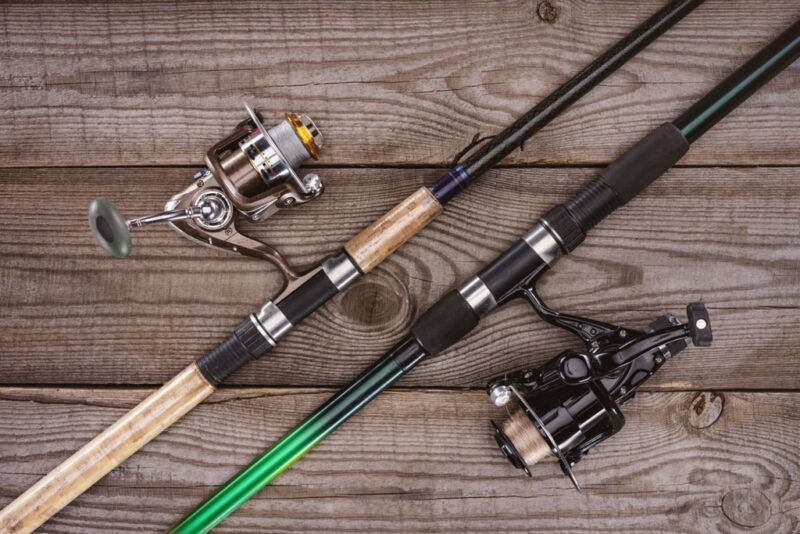
Your rod and reel work as a team. Ensure your chosen rod balances well with the reel you plan to pair with it. A common mistake is putting a large, heavy reel on a light, sensitive rod, throwing off the balance and making it uncomfortable to fish.
Common Beginner Mistakes to Avoid
- Buying the “Coolest Looking” Rod: Aesthetics are secondary to performance. Focus on the specs.
- Overspending on Your First Rod: You don’t need top-tier gear to start catching fish.
- Ignoring Rod & Lure/Line Compatibility: This is crucial. Always check the manufacturer’s recommendations.
- High-Sticking: Lifting the rod straight up at a 90-degree angle during a fight. This puts immense pressure on the tip and can cause the rod to break. Keep the rod at a lower angle (45 degrees or less) to distribute the load.
- Not Testing the Rod: If possible, hold the rod, put a reel on it, and simulate casting motions. Feel for balance and comfort.
Taking Care of Your Investment
Once you’ve chosen your perfect rod, make sure it lasts:
- Clean Regularly: Wipe down your rod with a damp cloth after each use, especially after saltwater fishing, to remove salt and grime.
- Store Properly: Store rods vertically or horizontally, never leaning them against a wall where they can bend permanently. Keep them out of direct sunlight.
- Inspect Guides: Periodically check your rod guides for cracks or damage that could fray your line.
- Transport Carefully: Use rod sleeves or cases to prevent damage during transport.
Read More Also: From Banks to Rapids: Proven Methods for Catching Fish in Rivers
Conclusion: Your Journey to Confident Casting Begins Now!
Choosing the right fishing rod might seem like a daunting task at first, but by understanding the key principles of length, power, action, and material, you’ve unlocked the secrets to making informed decisions. Remember, the perfect rod is the one that feels right in your hands, suits your fishing style, and matches the species you’re targeting.
Don’t be afraid to ask questions at your local tackle shop, and most importantly, get out there and start fishing! Every cast, every bite, and every fish you reel in will build your confidence and refine your understanding of what works best for you.
So, are you ready to elevate your fishing experience? Take this knowledge, step into that tackle shop with newfound confidence, and pick out the rod that will transform your angling adventures. The water is calling – go make some memories!