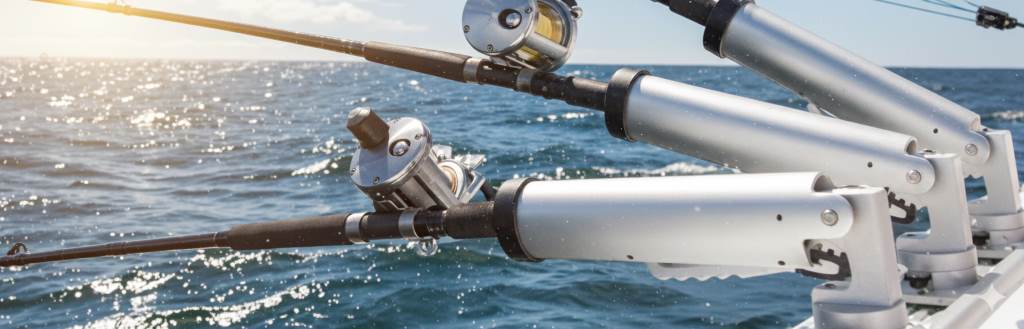
Imagine gliding across a misty lake at sunrise. Your aluminum boat hums softly, lines trailing perfectly in the water. A fish strikes, rod bending with promise. You grab it, ready for the fight. That’s the magic of trolling. But without the right gear, your dream setup becomes a tangle of frustration. Trolling rod holders are the backbone of a smooth fishing trip. They keep rods secure, lines taut, and your focus on the catch.
Aluminum boats dominate for their lightweight strength and corrosion resistance. Pair them with the right trolling rod holders, and you unlock a seamless fishing experience. In 2023, over 55 million Americans fished, according to the U.S. Fish and Wildlife Service. The trolling motor market hit $1.25 billion in 2024, per Global Market Insights. Anglers chasing walleye, salmon, or pike rely on these setups. Aluminum boats, with their durability and speed, lead the pack.
This guide dives into every detail. From holder types to mounting tricks, we cover it all. You’ll learn how to pick, install, and maintain holders for your aluminum boat. Let’s reel in the knowledge.
Why Trolling Rod Holders Are a Game-Changer for Aluminum Boats
Aluminum boats excel in freshwater and coastal trolling. Their light frames cut through waves. They resist corrosion better than fiberglass. But without trolling rod holders, rods slide, tangle, or worse—go overboard. Holders lock rods in place, letting you troll multiple lines hands-free. This boosts efficiency and cuts stress.
For pike trolling, holders must swivel smoothly to track fish movement. Bottom fishing demands sturdy vertical racks to keep gear organized. Holders turn a cluttered deck into a streamlined fishing station. They save gunwale space, leaving room for extras like fillet tables or marine accessories.
Consider the benefits:
- Stability under pressure: Holders grip tight during heavy strikes.
- Quick rod access: Grab rods fast without fumbling.
- Customizable setups: Pair with downriggers or wire divers for deep trolling.
- Space efficiency: Free up deck for movement or gear.
One angler in Bradenton, Florida, shared his story. Chuck Casagrande upgraded to flush mount rod holders on his 16-foot aluminum boat. He freed up gunwale space, added a fillet table, and trolled for snook without a hitch. His setup saved time and boosted catches.
Aluminum’s natural corrosion resistance pairs perfectly with marine-grade stainless steel holders. Add UV inhibitors for color retention, and your setup lasts years. Whether you chase trophy fish or weekend hauls, trolling rod holders lift your game.
Exploring Types of Trolling Rod Holders for Aluminum Boats
The market offers many trolling rod holders. Each suits specific needs on aluminum boats. From flush mount to specialty designs, we break down the top options, drawing from the provided data like rod holders and fishing rod racks.
Flush Mount Rod Holders
Flush mount rod holders sit nearly flush with the boat’s deck. They require drilling a small hole for installation, making them semi-permanent but rock-solid. These holders shine on aluminum boats with flat mounting surfaces.
- Why they work: Low profile prevents line snags. They handle big fish like salmon.
- Best use: Transom or deck placement for pike trolling.
- Pro tip: Add rubber gaskets or indicator bands to secure reels and spot wear early.
Install them with a mounting plate for precision. One user reported bolting flush mounts to his aluminum jon boat. He trolled for walleye all season, praising their zero-wobble hold.
Rail Mount Rod Holders
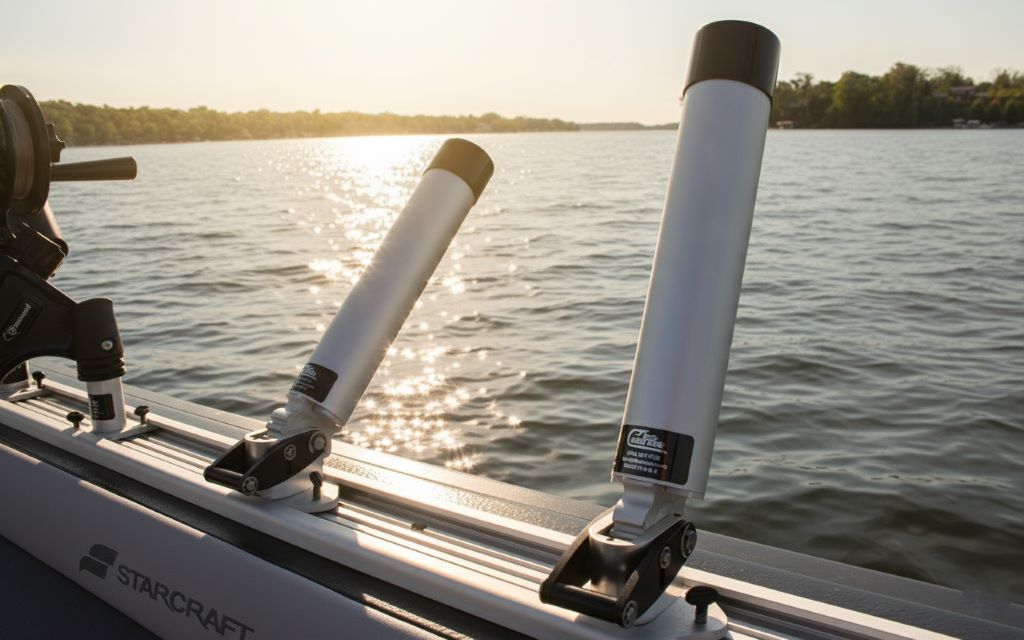
Rail mount holders clip onto boat rails without drilling. They fit round or square rails up to 1.5 inches, perfect for renters or temporary setups.
- Key features: Swivel bases rotate 360 degrees. Quick-release bases pop off fast.
- Ideal for: Anglers who swap setups often or avoid permanent mounts.
A Wisconsin angler used rail mount holders on his 18-foot aluminum boat. He trolled for musky, adjusting angles on the fly. The clamp opening held firm on his rub rail, even in choppy water.
Trolling Rod Holders with Track Systems
Track systems offer unmatched flexibility. A rod holder track system bolts to the gunnel, letting you slide holders along a rail. Lock them with pins or a sliding block for custom positioning.
- Popular options: Slide Track 45 for angled pulls, Berts tracks for heavy-duty use.
- Setup perk: Interchangeable components let you swap holders or add downriggers.
Aluminum boats love tracks. Bolt them to side pieces with aluminum angle. Secure with Nylok bolts for a rattle-free hold. One user mounted a Fish Fighter rail system. He slid four rods into place, trolling for trout with ease.
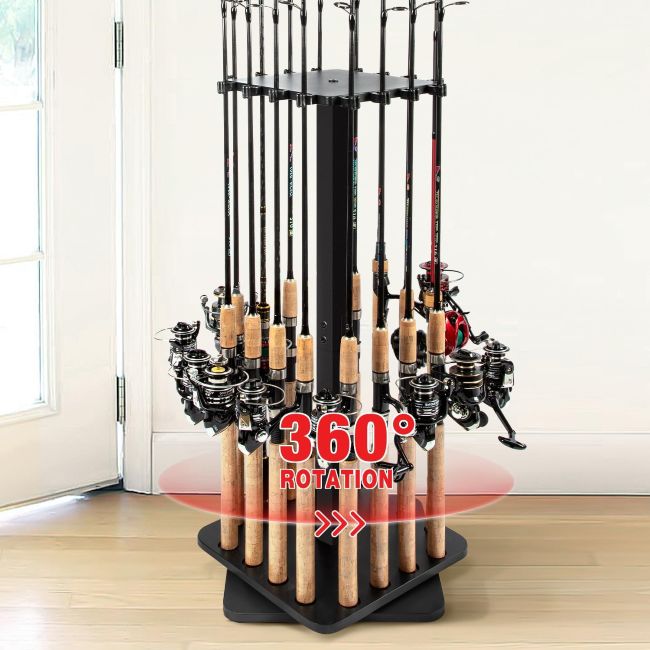
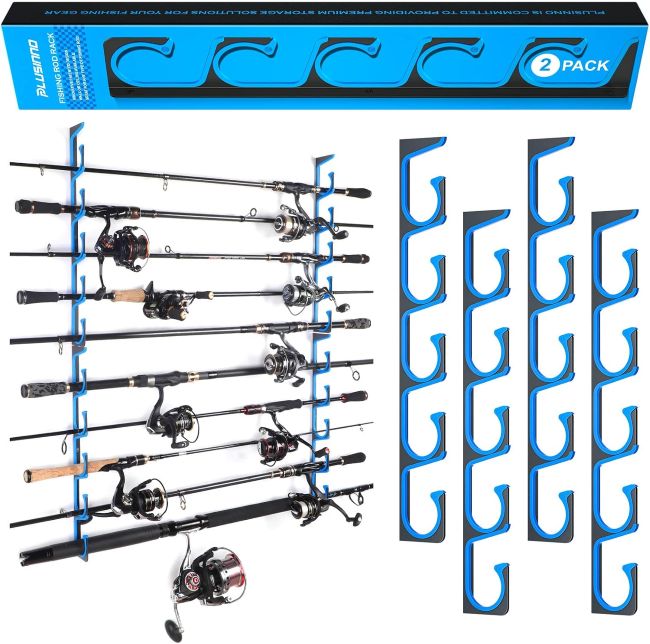
Rod Racks: Vertical and Horizontal
Rod racks maximize storage. They keep fishing rods organized on compact aluminum boats.
- Vertical rod racks: Bolt to deck mounts. Hold up to six rods upright.
- Horizontal rod racks: Span the stern. Ideal for long trolling runs.
A fishing rod rack saved one angler’s small boat from clutter. He stacked five rods vertically, leaving room for gear. Horizontal racks suit overnight trips, keeping rods flat and protected.
Specialty Fishing Rod Holders
Specialty holders cater to unique needs. They push boundaries for specific fishing styles.
- Composite trolling rod holders: Lightweight yet tough for big game.
- Dual-axis rod holders: Tilt and rotate for precise line control.
- Monster Fishing Rod Rack: Heavy-duty for trophy fish.
- Folbe Jr plastic holders: Budget-friendly, corrosion-resistant.
- Scotty type rod holders: Modular for custom setups.
- Ice fishing rod holders: Swap to summer trolling with adjustable clamp-on holders.
One angler used dual-axis holders for salmon. He tilted rods to track fish movement, landing a 20-pounder. Specialty options shine for serious anglers.
Mounting Options: Securing Holders on Aluminum Boats
Mounting trolling rod holders on aluminum boats demands precision. The light metal needs strong, mechanical holds. Avoid weak adhesives. Data highlights vacuum mounts and mounting plates as top picks.
Deck Mount and Aluminum Bases
Deck mounts bolt directly to the boat’s surface. Use an aluminum base or side pieces for strength.
Installation steps:
- Measure and mark the mounting area with a template.
- Drill pilot holes for nut and bolt setups.
- Apply marine sealant to prevent leaks.
- Tighten with a mounting plate for even pressure.
- Test for wobble before trolling.
Deck mounts handle heavy loads. Add a swivel base for 360-degree rod movement. One user bolted a deck mount to his aluminum skiff. It held firm during a 10-mile troll.
Rail and Gunnel Mounts
Rail mounts grip boat edges. Gunwale adapter mounts fit curved gunnels. Gunnel rail sliders adjust along rails.
- Clamp opening: Adjusts up to 2 inches for thick rails.
- Rub rail compatibility: Hugs tight for stability.
SeaArk track rail bases integrate with SeaArk boats. One angler used a gunnel rail slider on his aluminum bass boat. He repositioned holders mid-trip, targeting pike in shallow bays.
Vacuum Mounts: Drill-Free Strength
Vacuum mounts, like Sea Sucker, stick without holes. A vacuum pump creates a 200-pound hold on smooth surfaces.
- Best for: Renters or temporary setups.
- Quick release base: Pops off in seconds.
- Pro tip: Clean the mounting surface for max suction.
A Michigan angler used vacuum mounts for downrigger mounts. He trolled Lake Huron, switching spots without damaging his aluminum hull. Avoid textured surfaces for best grip.
Track Systems for Ultimate Flexibility
Track systems, like Berts tracks or Fish Fighter rail systems, bolt to gunnels. They let you slide holders or accessories.
- Interchangeable components: Swap rod holders or add a downrigger mount.
- Sliding block: Locks holders in place.
- Base of your choice: Flush or clamp-on options.
One user mounted a track system with aluminum angle. He slid a Monster Fishing Rod Rack into place, trolling for salmon with four rods.
Why Stainless Steel Is the Gold Standard
Marine-grade stainless steel dominates trolling rod holders. It resists rust in saltwater and freshwater. Data shows stainless steel as a top choice.
- Durability: Handles harsh weather and big fish.
- UV inhibitors: Prevent fading on indicator bands.
- Corrosion-resistant metals: Pair with aluminum for longevity.
One angler used stainless holders for coastal trolling. After two years, no rust appeared. Clean with freshwater post-trip for best results.
Integrating Downriggers and Marine Accessories
Trolling rod holders pair with accessories for deeper catches. Downriggers, wire divers, and electric planer motors enhance setups.
- Cannon rear mount rod holder: Combines holder and downrigger base.
- Cradle extension arm: Extends reach for multiple lines.
- Roof top planer reel: Stores compactly.
Outboard motors work well with holders. Position rods clear of props. One user added a downrigger mount to his track system. He trolled 50 feet deep, landing a record walleye.
Step-by-Step Installation Guide for Aluminum Boats
Installing trolling rod holders takes planning. Follow these steps for a secure fit.
- Plan your layout: Sketch rod positions. Account for fishing gear and fillet tables.
- Gather tools: Drill, marine sealant, Nylok bolts, wrench.
- Prep the surface: Clean the mounting surface. Sand lightly for grip.
- Drill pilot holes: Use a mounting plate for accuracy. Keep holes small.
- Secure the holder: Tighten bolts. Add non-slip surfaces under bases.
- Test the setup: Troll at low speed. Check for wobble or leaks.
For clamp-on holders, measure clamp opening first. Ensure it fits your rub rail. One user installed flush mounts in 45 minutes. His aluminum boat trolled smoothly all season.
Maintenance Tips to Extend Holder Life
Regular care keeps holders ready. Follow these tips:
- Clean after use: Rinse saltwater or mud. Use mild soap.
- Lubricate swivels: Apply marine grease monthly.
- Inspect bolts: Tighten loose ones. Replace worn Nylok bolts.
- Store properly: Cover racks off-water. Use UV-protectant sprays.
Chuck Casagrande from Bradenton learned this the hard way. He skipped lube, and his swivel base seized. A quick grease fixed it, but maintenance saves headaches.
Real-World Success Stories
Meet Jake, a Minnesota angler with a 20-foot aluminum boat. He installed a Fish Fighter rail system with four flush mount rod holders. His pike trolling setup handled six rods, cutting deck clutter. Jake landed a 40-inch pike last summer, crediting his track system’s flexibility.
Sarah, a Great Lakes troller, used vacuum mounts on a rented aluminum boat. She switched spots fast, targeting salmon without drilling. Her no-mark setup impressed the rental shop and boosted her catch rate.
These stories prove it. Smart holders transform your fishing experience.
Explore Now:
- Ultimate Guide to Exploring Nature with M-jump Butterfly Nets
- How to Use the Drop Shot Rig for Success in Canadian Waters
- Best Fishing Rigs in Canada: Essential Setups for Every Angler
Conclusion
Trolling rod holders make aluminum boats unstoppable. Flush mount, rail mount, or track systems fit any style. Stainless steel builds last. Vacuum mounts save renters. Pair with downriggers for deep hauls. Install with care, maintain regularly, and watch your catches soar.
Don’t wait. Pick a holder type today. Hit your local hardware store or browse a product page online. Install this weekend. Your next trophy fish is out there. Reel it in.
FAQs
What Are the Best Trolling Rod Holders for Aluminum Boats?
Flush mount and rail mount lead for durability. Track systems add flexibility. Choose marine-grade stainless steel for rust resistance.
How Do I Install a Rod Holder Track System on an Aluminum Boat?
Bolt the track to the gunnel with aluminum angle. Slide holders into place. Lock with pins or a sliding block. Takes about 45 minutes.
Are Vacuum Mounts Reliable for Trolling on Aluminum Boats?
Yes. Sea Sucker mounts hold up to 200 pounds on smooth surfaces. Perfect for renters or drill-free setups. Clean the surface first.
What’s the Difference Between Vertical and Horizontal Rod Racks?
Vertical racks save deck space, holding rods upright. Horizontal racks span the stern, ideal for long trolling runs or storage.
Can Stainless Steel Holders Handle Saltwater Trolling?
Absolutely. Marine-grade stainless steel resists corrosion. Pair with UV inhibitors and rinse after use for maximum life.
References:
- U.S. Fish and Wildlife Service Fishing Participation Report
- Global Market Insights Boat Trolling Motor Market
- NOAA Fisheries of the United States