Fishing in Canada isn’t just a pastime—it’s a national tradition. With over 2.5 million licensed anglers across the country, the choice of fishing line is more than a technical detail; it’s a strategic decision that can make or break a catch. So, what fishing line do most Canadians use? The answer isn’t one-size-fits-all, but there are clear favorites shaped by geography, species, and experience. Let’s dive into the insider picks and expert insights that reveal the most trusted fishing lines in Canadian waters.
The Canadian Fishing Landscape: Why Line Choice Matters
Canada’s vast and varied waters—from British Columbia’s salmon-rich rivers to Ontario’s bass-filled lakes—demand fishing lines that can handle extreme conditions. Cold temperatures, rocky bottoms, and aggressive fish species all influence the gear anglers choose. According to Canadian Tire, the three most popular types of fishing line in Canada are:
- Monofilament: Affordable, versatile, and ideal for beginners.
- Braided: Strong, sensitive, and perfect for deep water or heavy cover.
- Fluorocarbon: Nearly invisible underwater, great for clear lakes and cautious fish.
Each type has its strengths, and Canadian anglers often switch between them depending on the season and target species.
Monofilament: The All-Purpose Favorite
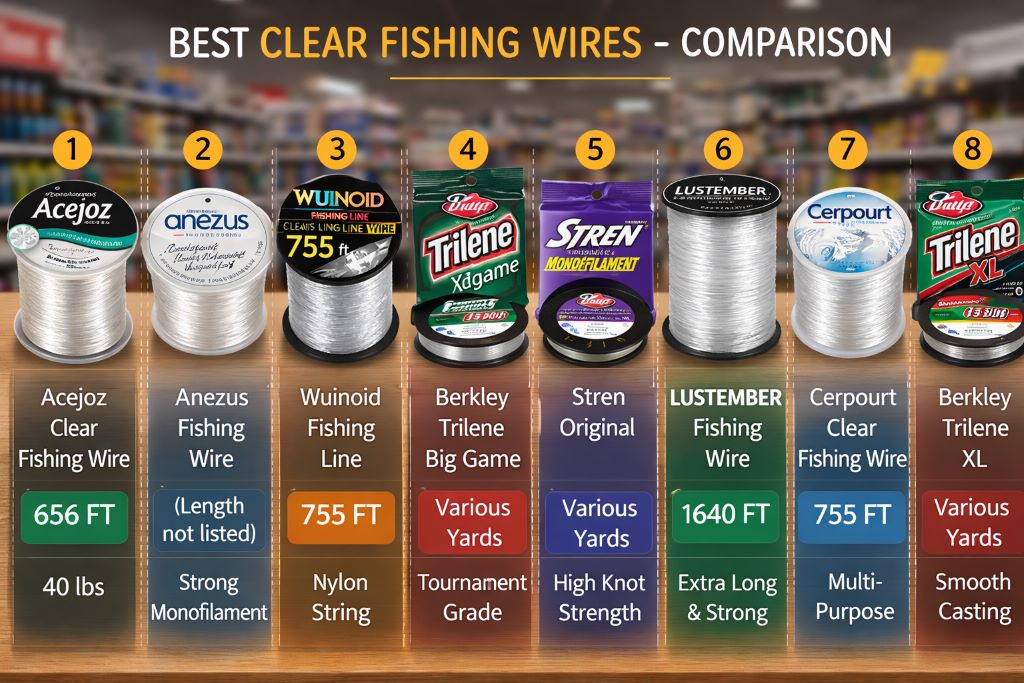
Monofilament remains the most widely used fishing line in Canada, especially among recreational anglers. Its affordability and ease of use make it a go-to for weekend fishers and families. According to The Fishin’ Hole, monofilament lines like Berkley Trilene XL and Big Game are top sellers due to their shock resistance and knot strength.
However, monofilament has drawbacks. It stretches more than other lines, which can reduce sensitivity. In cold weather, it becomes stiff and prone to memory, affecting casting distance. Still, for species like walleye, perch, and pike in shallow waters, monofilament performs reliably.
Braided Line: Power and Precision for Serious Anglers
Braided fishing line is gaining popularity among Canadian anglers who fish in deeper lakes or target larger species like muskie and lake trout. Its zero stretch and high tensile strength allow for better hooksets and control. Brands like SpiderWire Stealth Blue Camo-Braid are favored for their durability and camouflage in Canadian waters.
Braided line excels in heavy vegetation and rocky terrain, common in northern lakes. It’s also ideal for trolling and jigging, where sensitivity is crucial. However, its visibility can spook fish in clear water, and tying knots requires skill. Many anglers pair braided line with a fluorocarbon leader to balance strength and stealth.
Fluorocarbon: The Stealth Specialist
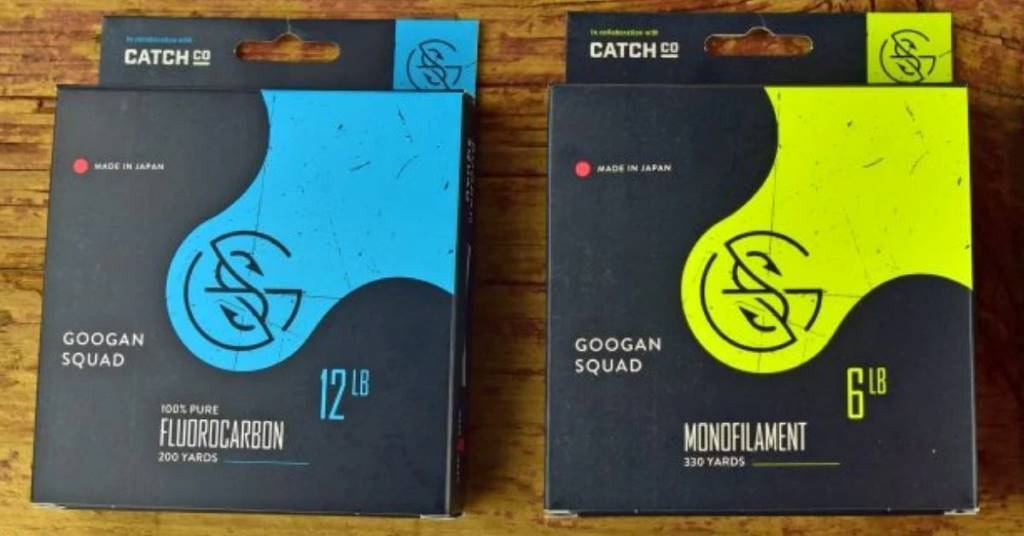
Fluorocarbon fishing line is the top choice for finesse fishing and clear water conditions. Its refractive index is close to that of water, making it nearly invisible to fish. Berkley Vanish and Seaguar InvizX are popular picks among Canadian anglers targeting trout, bass, and salmon in pristine lakes.
Fluorocarbon sinks faster than monofilament, keeping lures in the strike zone longer. It’s also abrasion-resistant, which is crucial when fishing near rocks or ice. However, it’s stiffer and more expensive, which can deter beginners. Experienced anglers often use it as a leader with braided mainline to maximize performance.
Regional Preferences: East vs. West
Fishing line preferences vary across Canada. In the west, where salmon and steelhead dominate, braided lines with fluorocarbon leaders are common. Anglers in British Columbia often use PowerPro Super Slick V2 for its casting distance and strength.
In central and eastern Canada, monofilament remains dominant due to the abundance of bass, walleye, and panfish. Ontario anglers favor Berkley Trilene XL for its versatility, while Quebec fishers lean toward KastKing SuperPower braid for ice fishing and deep lake trolling.
Expert Opinions and Stats
According to a 2024 survey by CanadaFever.com, 42% of Canadian anglers use monofilament as their primary line, 35% prefer braided, and 23% rely on fluorocarbon. The choice often depends on experience level, fishing location, and target species.
Professional guides recommend braided line for muskie and northern pike due to their aggressive strikes and sharp teeth. For trout and salmon, fluorocarbon leaders are essential to avoid detection. Beginners are advised to start with monofilament for its forgiving nature and ease of handling.
Featured Snippet: What Fishing Line Do Most Canadians Use?
Q: What fishing line do most Canadians use?
A: Most Canadians use monofilament fishing line due to its affordability, versatility, and ease of use. It’s especially popular among recreational anglers targeting species like walleye, perch, and bass. However, experienced fishers often prefer braided line for strength and sensitivity in deep or weedy waters, and fluorocarbon for stealth in clear lakes. Regional preferences also play a role—western anglers lean toward braid for salmon, while eastern anglers favor mono for bass. Brands like Berkley, SpiderWire, and Seaguar dominate the Canadian market for their reliability and performance.
FAQs
- What’s the best fishing line for beginners in Canada?
Monofilament is ideal for beginners due to its ease of use and affordability. - Is braided line good for ice fishing?
Yes, especially when paired with a fluorocarbon leader for stealth and abrasion resistance. - Can fish see my fishing line?
Yes, especially in clear water. Fluorocarbon is nearly invisible and preferred in such conditions. - What’s the strongest fishing line available?
Braided line offers the highest tensile strength and is best for large fish. - How much fishing line should I use?
It depends on your fishing style. For lake fishing, 10–15 yards may suffice; surf fishing requires 100+ yards. - Which brands are most trusted in Canada?
Berkley, SpiderWire, Seaguar, and KastKing are top choices among Canadian anglers. - What color fishing line is best?
Clear fluorocarbon is best for invisibility; green is versatile; yellow is good for visibility in muddy water.
Final Thought
Choosing the right fishing line in Canada isn’t just about preference—it’s about strategy. Whether you’re casting for bass in Ontario or trolling for salmon in British Columbia, your line can make or break your success. Monofilament remains the most popular choice, but braided and fluorocarbon lines offer advantages that seasoned anglers swear by. Understanding your environment, target species, and gear setup is key to making the right decision.
Call to Action
Ready to upgrade your fishing game? Explore top-rated lines from trusted brands like Berkley, SpiderWire, and Seaguar at Canadian Tire or The Fishin’ Hole. Don’t let the wrong line cost you your next trophy catch—make the smart choice today.
Related Topics:
What Makes Fluorocarbon Line Better for Ice Fishing: Unrivaled Secrets for Icy Success
Sinking Line for Deep Water Trolling: The Ultimate Guide to Targeting Deep-Sea Trolling Anglers