Fishing in Alaska demands more from your gear than almost anywhere else. Cold water, slippery fish, and unpredictable weather create conditions where even small equipment choices matter. According to the National Oceanic and Atmospheric Administration, coastal Alaskan waters often stay below 50°F year round, which increases the risk of numb hands and reduced grip. At the same time, the U.S. Fish and Wildlife Service reports that handling injuries are common among beginner anglers due to improper gear.
Good fishing gloves are not just about comfort. They directly affect control, safety, and endurance on the water. For beginners working with a limited budget, the challenge is finding gloves that balance protection, warmth, and flexibility without overcomplicating the experience.
A Quick Overview of The Best Budget Fishing Gloves in Alaska for Beginners
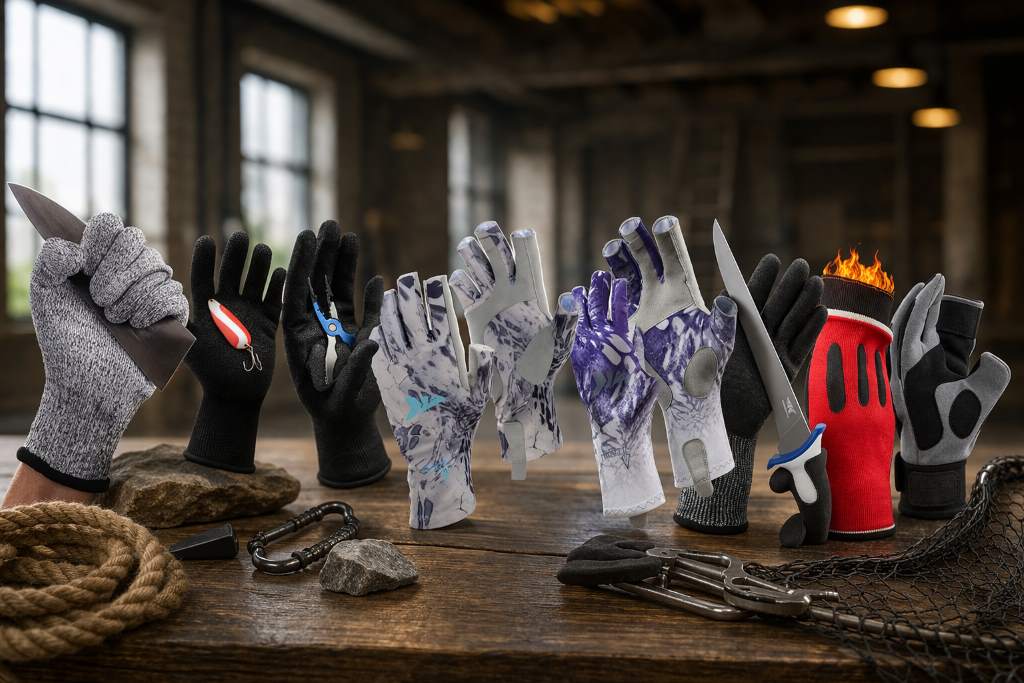
These gloves cover a wide range of needs, from cold weather insulation to cut resistance and sun protection.
- Dowellife Cut Resistant Gloves
- KastKing Fishing Gloves UPF50+
- Fish Handling Cleaning Gloves Textured Grip
- KastKing Armis Fingerless Fishing Gloves
- KastKing Ultimate Cut Resistant Fishing Gloves
- Palmyth Flexible Fishing Gloves
- Waterproof Cold Weather Thermal Gloves
- Loccef Winter Freezer Gloves
Best Budget Fishing Gloves in Alaska for Beginners of 2026
Choosing the right pair depends on how and where you fish. Some gloves focus on warmth, others on grip or protection. Below is a detailed breakdown of each option based on real use scenarios.
Dowellife Cut Resistant Gloves
Food grade cut protection for fish handling
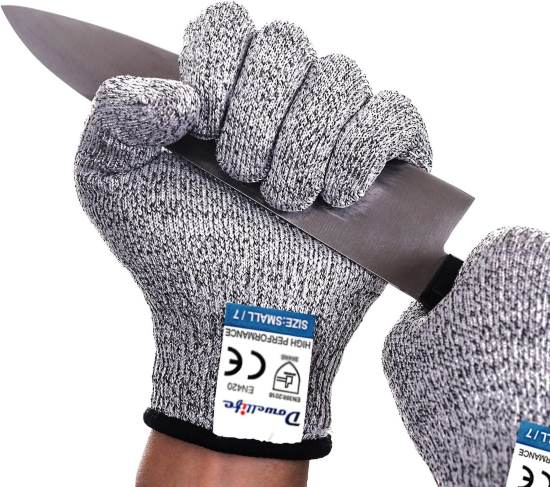
These gloves feel surprisingly lightweight when you first put them on. The material has a slightly stiff texture at first, but it softens after a few uses. In Alaska, they work best when you are cleaning fish or handling sharp tools rather than casting or reeling.
The sizing leans snug, which helps with control but may feel tight for larger hands. Beginners who struggle with filleting will appreciate the added confidence. The gloves reduce the fear of accidental cuts, especially when working on slippery salmon.
Cleaning them is simple. You can rinse and air dry without worrying about damage. However, they are not insulated, so they do not perform well in cold wind or icy water.
User Review
Mark Reynolds, Anchorage
“I bought these after cutting my hand while cleaning trout. They feel odd at first but give solid protection. I would not use them while fishing, only for prep work.”
Key Features
Level 5 cut resistance Provides strong protection against sharp blades, which reduces injury risk during fish cleaning, though it limits flexibility slightly.
Food grade material Safe for handling fish directly without contamination concerns, useful for beginners preparing their catch.
Breathable knit design Prevents sweating during longer use, but offers no warmth in cold weather.
Ambidextrous fit Works on either hand, simplifying use without needing specific orientation.
Lightweight construction Keeps hands from feeling bulky, improving control over knives and tools.
Easy maintenance Washes quickly and dries fast, ideal for repeated use during fishing trips.
Pros and Cons
| Pros | Cons |
| Strong cut protection | No cold weather insulation |
| Lightweight and flexible feel | Limited grip when wet |
| Easy to clean material | Not ideal for casting |
KastKing Fishing Gloves UPF50+
Lightweight sun protection for open water
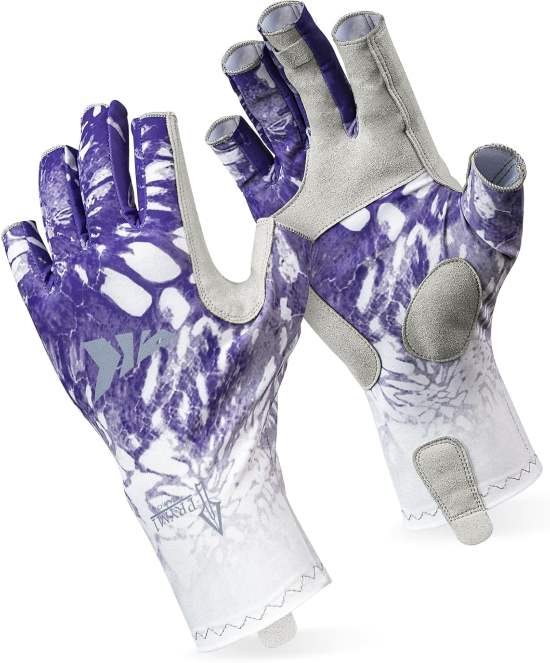
These gloves feel soft and breathable, almost like a second layer of skin. In Alaska’s summer months, especially during long daylight hours, they protect your hands from UV exposure without overheating.
The fit is slightly stretchy, accommodating different hand sizes comfortably. They perform best for kayak fishing or shoreline casting where sun exposure is constant. The grip is decent, though not designed for heavy fish handling.
They dry quickly if they get wet, which helps during light rain or splashes. However, they offer no warmth, so they are not suitable for colder seasons.
User Review
Jessica Miller, Juneau
“I use these during summer trips. They keep my hands from burning and still let me tie knots easily. Not useful when it gets cold though.”
Key Features
UPF 50+ sun protection Shields skin from UV exposure, preventing burns during long fishing sessions.
Breathable fabric Keeps hands cool, reducing sweat buildup in warmer conditions.
Non slip palm Adds moderate grip for rods, though not strong enough for heavy fish.
Quick drying material Minimizes discomfort after water exposure.
Stretch fit design Adapts to different hand shapes without restricting movement.
Finger coverage Offers full protection without compromising dexterity.
Pros and Cons
| Pros | Cons |
| Excellent sun protection | No insulation for cold |
| Lightweight comfortable wear | Limited cut resistance |
| Good flexibility for casting | Grip weak when wet |
Fish Handling Cleaning Gloves Textured Grip
Grip focused gloves for slippery fish
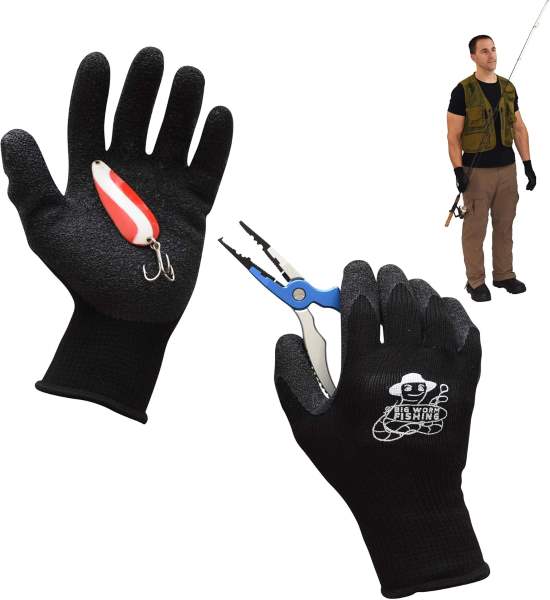
These gloves feel thicker and more rugged compared to others. The textured palm stands out immediately, offering strong grip even on slimy fish.
They are slightly loose in fit, which can feel bulky at first but helps when pulling fish from nets or holding larger catches. Beginners benefit from the added control, especially when handling active fish.
They are easy to rinse off after use, but the lining takes longer to dry. In cold conditions, they provide minimal warmth, so they work better in milder weather.
User Review
Daniel Brooks, Kodiak
“These helped me land my first big salmon. The grip is solid, but they feel a bit bulky for detailed work.”
Key Features
Textured grip palm Improves control when handling slippery fish, reducing drop risk.
Soft inner lining Adds comfort during extended use, though it retains moisture longer.
Durable outer layer Resists wear from repeated fish handling.
One size fit Accommodates most users, though not perfectly tailored.
Water resistant surface Prevents quick soaking, improving usability.
Flexible wrist opening Makes them easy to put on and remove.
Pros and Cons
| Pros | Cons |
| Strong grip on fish | Slightly bulky feel |
| Durable construction | Slow drying interior |
| Easy to clean exterior | Limited warmth insulation |
KastKing Armis Fingerless Fishing Gloves
Fingerless design for precision control
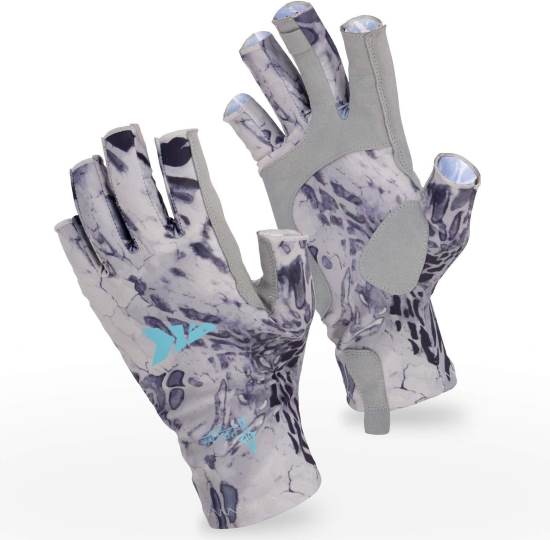
These gloves feel very natural because your fingertips remain exposed. That makes tasks like tying knots or adjusting lures much easier.
They fit snugly and stay in place during casting. For beginners, this improves confidence when handling gear. However, exposed fingers mean less protection from cold or cuts.
They are best suited for warmer conditions or short fishing sessions. Cleaning is straightforward, and they dry quickly.
User Review
Ryan Cooper, Fairbanks
“I like the control these give me. I can feel everything, but my fingers get cold fast in the mornings.”
Key Features
Fingerless design Enhances precision for detailed tasks like knot tying.
UPF protection Shields covered areas from sun exposure.
Lightweight fabric Prevents fatigue during long use.
Adjustable wrist strap Keeps gloves secure during movement.
Quick drying material Maintains comfort after water exposure.
Breathable structure Reduces sweating in warm conditions.
Pros and Cons
| Pros | Cons |
| Excellent finger control | No finger protection |
| Lightweight and breathable | Not for cold weather |
| Comfortable snug fit | Limited safety features |
KastKing Ultimate Cut Resistant Fishing Gloves
Balanced protection and grip
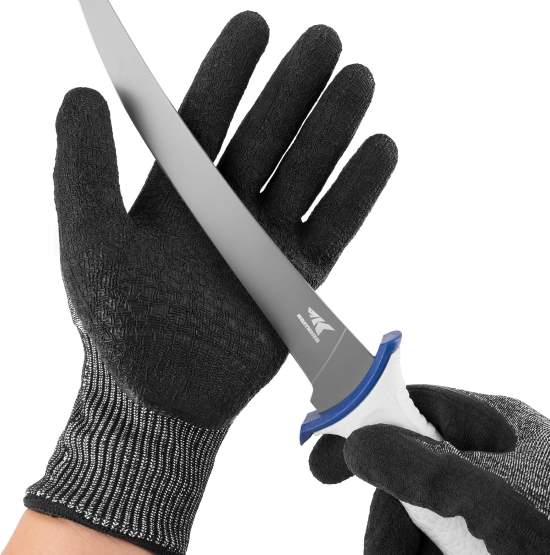
These gloves strike a middle ground between safety and usability. They feel sturdier than most but still allow decent movement.
They work well for handling fish and basic cleaning tasks. The grip is reliable, and the cut resistance adds confidence for beginners. However, they are slightly heavier than simpler gloves.
They are easy to wash and maintain. In colder weather, they offer some protection but are not fully insulated.
User Review
Kevin Turner, Sitka
“These feel tough without being too stiff. I use them for both catching and cleaning fish.”
Key Features
Cut resistant material Reduces risk of injuries during handling.
Non slip grip surface Improves control over fish and tools.
Durable construction Handles repeated outdoor use.
Flexible design Allows reasonable movement despite protection.
Water resistant fabric Limits quick soaking during use.
Secure fit structure Keeps gloves stable during activity.
Pros and Cons
| Pros | Cons |
| Good balance of protection | Slightly heavier feel |
| Reliable grip performance | Not fully waterproof |
| Durable long term use | Moderate flexibility limits |
Palmyth Flexible Fishing Gloves
Insulated option for cold conditions
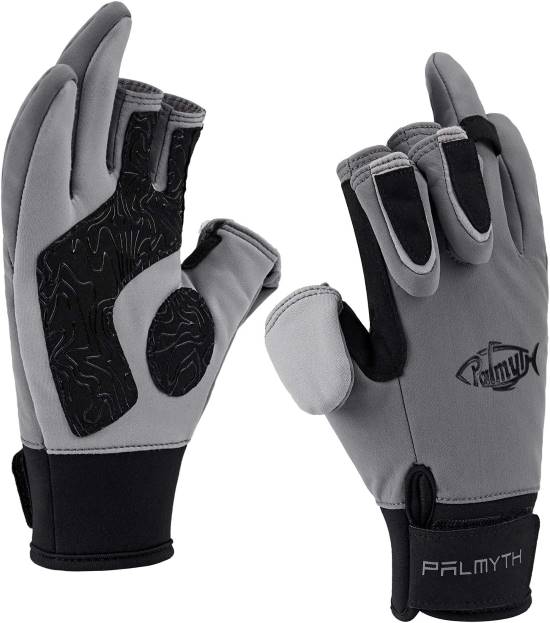
These gloves feel warm immediately when worn. The insulation works well in cold Alaskan mornings, especially for ice fishing or early season trips.
They fit comfortably without being too tight. The material allows some flexibility, though not as much as lighter gloves. Beginners will appreciate the warmth, but fine motor tasks become harder.
They repel water effectively, but prolonged exposure can still seep through. Drying takes time due to insulation.
User Review
Sarah Johnson, Nome
“These kept my hands warm during ice fishing. Not great for tying knots, but perfect for staying comfortable.”
Key Features
Thermal insulation Keeps hands warm in freezing conditions.
Water repellent coating Prevents quick moisture penetration.
Flexible design Allows basic movement despite thickness.
Full finger coverage Protects entire hand from cold.
Soft inner lining Enhances comfort during long wear.
Durable exterior Withstands rough outdoor use.
Pros and Cons
| Pros | Cons |
| Strong warmth retention | Reduced finger dexterity |
| Comfortable insulated lining | Slow drying material |
| Good cold weather use | Not for precision tasks |
Waterproof Cold Weather Thermal Gloves
All purpose waterproof protection
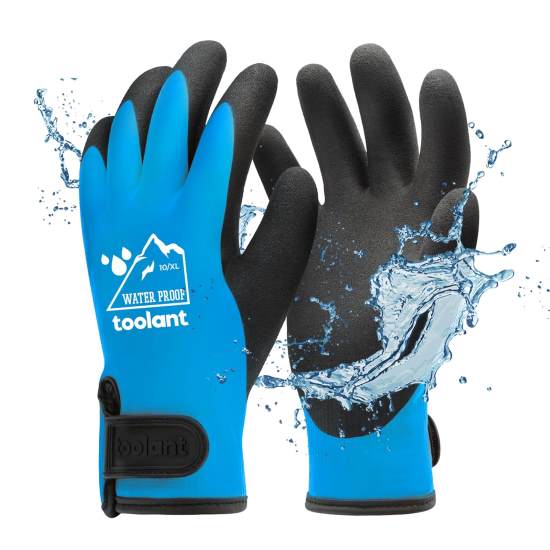
These gloves feel thick and protective. They are designed more for general outdoor work, but they adapt well to fishing in wet conditions.
The waterproof layer performs well against splashes and rain. Beginners who fish in unpredictable weather will find them reliable. However, they feel bulky and limit precise hand movements.
They require proper drying after use to maintain performance. Over time, moisture inside can become an issue if not cared for.
User Review
Tom Harris, Valdez
“They keep my hands dry, which is huge out here. Just wish they were easier to move in.”
Key Features
Waterproof construction Keeps hands dry in wet environments.
Thermal insulation Provides warmth in cold weather.
Touchscreen compatibility Allows device use without removal.
Non slip grip Improves handling of fishing gear.
Durable outer shell Handles rugged outdoor conditions.
Full coverage design Protects entire hand from elements.
Pros and Cons
| Pros | Cons |
| Strong waterproof protection | Bulky hand movement |
| Good cold weather warmth | Less flexible design |
| Durable outdoor performance | Needs careful drying |
Loccef Winter Freezer Gloves
Heavy duty cold protection
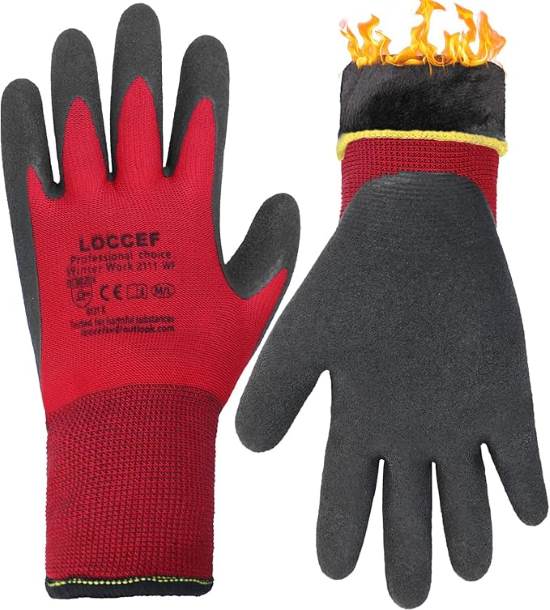
These gloves feel thick and rugged, built for extreme cold. They work best in harsh Alaskan conditions where warmth matters more than flexibility.
They fit slightly loose, which helps with layering but reduces precision. Beginners fishing in winter will benefit from the warmth, though handling small gear becomes difficult.
They are durable and hold up well over time. However, drying them properly is essential to prevent odor or moisture buildup.
User Review
Chris Walker, Bethel
“These are great for freezing weather. I would not use them for detailed fishing tasks though.”
Key Features
Heavy insulation layer Provides strong protection against extreme cold.
Durable outer material Resists wear in rough conditions.
Loose fit design Allows layering for extra warmth.
Full hand coverage Shields against cold exposure.
Grip surface Offers basic handling support.
Long lasting build Suitable for repeated heavy use.
Pros and Cons
| Pros | Cons |
| Excellent cold protection | Limited dexterity control |
| Durable heavy duty build | Bulky overall design |
| Good for extreme weather | Not for fine tasks |
Best Budget Fishing Gloves Buying Guide
What Actually Matters Before Choosing Best Budget Fishing Gloves
Core performance factors
Grip, insulation, and flexibility define how useful a glove feels in real conditions. Beginners often focus only on warmth, but poor grip leads to dropped fish and unsafe handling. Flexibility also matters because stiff gloves reduce control over rods and tools. Long term satisfaction comes from balancing these three factors instead of prioritizing just one.
Material quality and durability
Cheap materials wear out quickly in Alaska’s harsh environment. Water exposure, fish slime, and cold temperatures break down weak fabrics. Buyers often assume all gloves last the same, but reinforced palms and stitched seams significantly extend usability.
Comfort and usability
Comfort affects how long you can fish without fatigue. Tight gloves restrict blood flow, while loose ones reduce control. Many beginners overlook fit, assuming one size works for all. In reality, proper fit directly impacts both safety and performance.
Maintenance and upkeep
Gloves that are hard to clean or slow to dry become inconvenient. Moisture buildup leads to odor and material breakdown. Beginners often ignore maintenance needs, but easy care extends product life significantly.
Environmental compatibility
Alaska’s conditions vary widely. Summer fishing requires sun protection, while winter demands insulation. A glove that works in one season may fail in another. Buyers often underestimate how much conditions affect performance.
Safety considerations
Cut resistance and grip reduce injury risk. Beginners tend to underestimate how sharp fish fins and tools can be. Gloves designed for safety prevent common mistakes during handling and cleaning.
Related:
The Ultimate Fishing Gear Guide: What You Need for Every Season
Mangrove Tunnel Fishing: Tactics and Gear
Common Buyer Mistakes
Many beginners assume thicker gloves are always better. In reality, thicker materials reduce dexterity, making simple tasks harder.
Another common mistake is ignoring grip quality. Smooth gloves may feel comfortable but fail when handling slippery fish.
Some buyers choose gloves based only on price. Lower cost often means weaker materials that wear out quickly.
Others overlook drying time. Gloves that stay wet become uncomfortable and unhygienic.
Many assume one glove works for all seasons. Alaska requires different gloves for different conditions.
Some ignore fit and sizing. Poor fit leads to reduced control and discomfort.
Others forget about maintenance. Gloves that require too much care often get neglected and degrade faster.
How to Match Products to Specific Needs
Casual users
If you fish occasionally, lightweight gloves with basic grip and comfort work best. You do not need heavy insulation or advanced protection.
Frequent anglers
Regular fishing requires durable gloves with balanced features. Look for strong grip and moderate protection.
Cold weather users
For ice fishing or early mornings, insulated gloves become essential. Warmth matters more than flexibility in these cases.
Budget conscious buyers
Focus on durability over extra features. A simple, well built glove lasts longer than a feature heavy but weak option.
Advanced users
Experienced anglers benefit from specialized gloves. Cut resistant or fingerless designs improve precision and safety depending on use.
Conclusion
Fishing gloves in Alaska are not optional for beginners. They affect safety, comfort, and overall success on the water. Each option above serves a different purpose, from handling fish to staying warm in freezing conditions.
The right choice depends on how and when you fish. Focus on real needs rather than features that sound impressive. A well matched glove improves your experience far more than a generic all purpose option.
FAQs
Do beginners really need fishing gloves in Alaska
Yes, they help prevent injuries and improve grip in cold conditions.
Are insulated gloves always better
No, they reduce flexibility and are only useful in cold weather.
Can I use one glove for all seasons
Not effectively, different conditions require different designs.
How do I clean fishing gloves
Rinse with water and air dry to maintain durability.
What is most important for beginners
Grip and comfort matter more than advanced features.