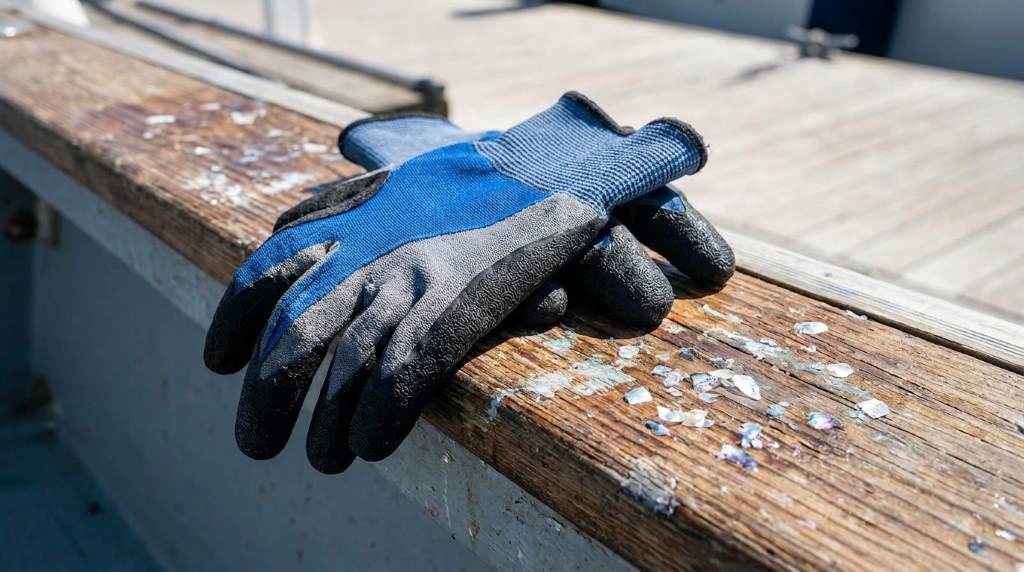
Fishing gloves are a key part of every angler’s gear. They protect your hands from sharp hooks, slippery fish, and harsh weather. Over 60% of anglers report hand injuries without proper gloves. Cleaning and caring for your fishing gloves extends their life and keeps them effective.
Regular maintenance also prevents odors and material degradation. Whether you fish in fresh or saltwater, proper care is essential. This guide will show you how to keep your gloves in top shape. Follow these steps to ensure they stay functional and comfortable.
Why Cleaning Your Fishing Gloves Matters
Saltwater and dirt can damage the material over time. Bacteria buildup causes unpleasant smells and can lead to skin irritation. Clean gloves last longer and perform better during use. Neglecting care shortens their lifespan significantly.
Proper cleaning removes harmful residues that weaken fabric. It also maintains grip and flexibility for better handling. Anglers in Alaska often face extreme conditions requiring extra care. Regular upkeep ensures your gloves are always ready for action.
Materials You Will Need
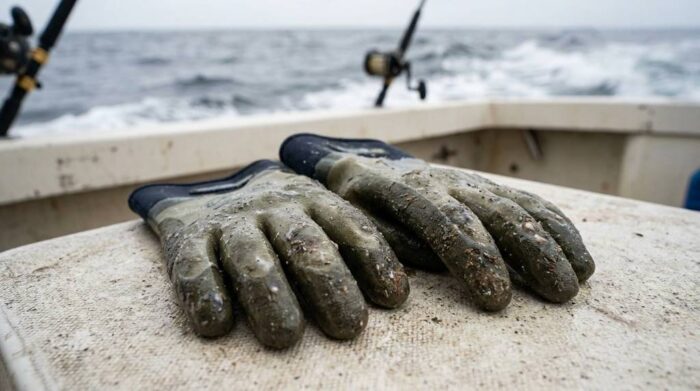
Gather mild soap or detergent for gentle cleaning. A soft brush helps remove stubborn dirt without damaging fabric. Lukewarm water is ideal for most glove types. Avoid harsh chemicals that can degrade materials.
A towel or cloth aids in drying the gloves properly. Vinegar or baking soda can neutralize odors effectively. Always check the manufacturer’s instructions for specific care tips. Using the right materials prevents unnecessary wear and tear.
Step-by-Step Cleaning Process
Rinsing the Gloves
Start by rinsing your gloves under lukewarm water. This removes loose dirt and debris from the surface. Use your hands to gently rub the material. Avoid hot water as it can damage certain fabrics.
Focus on areas with visible stains or buildup. Let the water flow through the gloves for a thorough rinse. This step prepares them for deeper cleaning. Proper rinsing ensures no residue remains before washing.
Washing with Soap
Apply a small amount of mild soap to the gloves. Use a soft brush to scrub gently in circular motions. Pay extra attention to high-contact areas like palms and fingers. This removes embedded dirt and grime effectively.
Avoid using bleach or strong detergents on your gloves. These can weaken the fabric and cause discoloration. Rinse thoroughly after washing to remove all soap traces. Clean gloves maintain their original texture and appearance.
Drying the Gloves
Press out excess water with a clean towel. Never wring the gloves as this can distort their shape. Lay them flat in a well-ventilated area to air dry. Direct sunlight can cause fading and material damage.
Ensure the gloves are completely dry before storing them. Partial drying can lead to mold and mildew growth. Rotate them occasionally for even drying. Proper drying preserves the integrity of the material.
Removing Odors from Fishing Gloves
Soak the gloves in a mixture of water and vinegar for 30 minutes. Vinegar is a natural deodorizer that kills odor-causing bacteria. Rinse thoroughly after soaking to remove the vinegar smell. This method is safe for most glove materials.
Baking soda is another effective odor remover. Sprinkle it inside the gloves and let it sit overnight. Shake out the excess powder the next day. This absorbs moisture and neutralizes smells effectively.
Conditioning and Maintaining Your Gloves
Apply a fabric conditioner to keep the material soft and flexible. This is especially important for leather or synthetic gloves. Conditioning prevents cracking and extends the life of your gloves. Follow the product instructions for best results.
Store your gloves in a cool, dry place away from direct sunlight. Avoid folding them in a way that creates creases. Use a glove clip or hanger to maintain their shape. Proper storage prevents unnecessary wear and tear.
Handling Different Types of Fishing Gloves
Neoprene Gloves
Neoprene gloves require gentle cleaning to avoid damaging the material. Use a mild soap and lukewarm water for washing. Avoid exposure to high heat or harsh chemicals. Neoprene is sensitive to extreme temperatures.
Rinse thoroughly and air dry away from direct sunlight. Neoprene can degrade quickly if not cared for properly. Regular cleaning maintains their insulating properties. These gloves are popular among anglers in colder climates.
Leather Gloves
Leather gloves need special conditioners to prevent drying and cracking. Use a leather cleaner for regular maintenance. Avoid soaking them in water for extended periods. Leather is durable but requires consistent care.
Apply a leather conditioner after cleaning to restore moisture. Store them in a breathable bag to prevent mold. Leather gloves are favored for their durability and grip. Proper care ensures they remain supple and effective.
Synthetic Gloves
Synthetic gloves are generally easier to clean and maintain. Use mild soap and water for regular cleaning. They dry quickly but should still be air-dried properly. Synthetic materials are often more resistant to wear.
Avoid high heat as it can melt or deform synthetic fibers. These gloves are lightweight and versatile for various fishing conditions. Regular maintenance keeps them looking and performing their best.
Unique Tips for Prolonging Glove Life
Rotate between multiple pairs of gloves to reduce wear on a single pair. This is especially useful for frequent anglers. Alternating gloves allows each pair to fully dry and recover. It also extends the overall lifespan of your gear.
Use a UV protectant spray to shield your gloves from sun damage. This is particularly useful for those fishing in bright, sunny conditions. UV rays can weaken fabrics over time. Protecting your gloves ensures they stay strong and reliable.
Inspect your gloves regularly for signs of wear or damage. Small tears can be repaired with fabric glue or patches. Addressing issues early prevents them from worsening. Regular inspections help maintain optimal performance.
Consider using glove liners for added comfort and protection. Liners can absorb sweat and reduce odor buildup. They also provide an extra layer of insulation in cold weather. Liners are easy to remove and wash separately.
Common Mistakes to Avoid
Never use a washing machine or dryer for your fishing gloves. The agitation and heat can cause significant damage. Hand washing is always the safest method. Machines can stretch or tear the material.
Avoid using harsh chemicals or abrasive scrubbers. These can strip away protective coatings and weaken the fabric. Stick to mild soaps and soft brushes for cleaning. Gentle care preserves the quality of your gloves.
Do not store your gloves while they are still damp. Moisture can lead to mold and mildew growth. Always ensure they are completely dry before storing. Proper storage prevents unpleasant odors and material damage.
Never expose your gloves to open flames or high heat sources. This can melt synthetic materials or cause leather to crack. Always follow the manufacturer’s care instructions. Proper handling ensures longevity and performance.
Climate-Specific Care Tips
In cold climates, ensure your gloves retain their insulating properties. Use conditioners to prevent materials from becoming brittle. Store them in a temperature-controlled environment. Cold weather can be tough on fishing gear.
For anglers in warm climates, focus on preventing mold and mildew. Rinse your gloves after each use to remove sweat and salt. Allow them to dry thoroughly in a shaded area. Heat and humidity require extra attention to care.
In coastal areas, saltwater can be particularly damaging to gloves. Rinse them immediately after use to remove salt residue. Use fresh water for cleaning to avoid corrosion. Saltwater exposure demands prompt and thorough care.
Anglers in Alaska often face unique challenges with extreme cold. Use gloves designed for low temperatures and follow care tips rigorously. Proper maintenance ensures they perform well in harsh conditions. Cold-weather gloves need extra protection.
Conclusion
Cleaning and caring for your fishing gloves is essential for longevity. Regular maintenance ensures they remain functional and comfortable. Follow these steps to keep your gloves in top condition. Proper care saves money and enhances your fishing experience.
Invest time in maintaining your gear to enjoy better performance. Share these tips with fellow anglers to spread good practices. Start implementing these care routines today. Your gloves will thank you with years of reliable service.
FAQ
How often should I clean my fishing gloves?
Clean your gloves after every few uses or when they become visibly dirty or smelly.
Can I use bleach to clean my fishing gloves?
No, bleach can damage the material and should be avoided.
What is the best way to dry fishing gloves?
Air dry them flat in a well-ventilated area away from direct sunlight.
How do I remove stubborn odors from my gloves?
Soak them in a vinegar and water solution or use baking soda overnight.
Can I machine wash my fishing gloves?
No, machine washing can damage the gloves; always hand wash them.