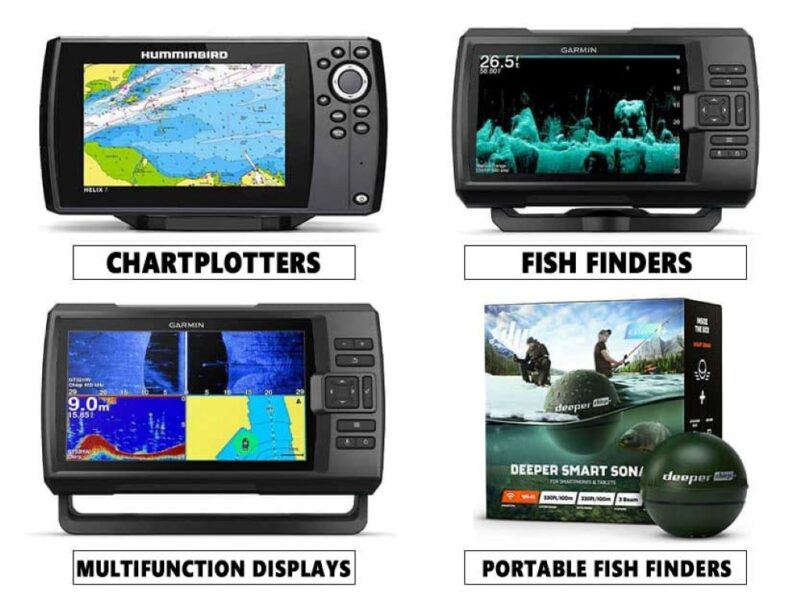
Fishing is more than just a hobby—it’s an adventure that takes you out into the vast, unpredictable waters. Whether you’re navigating calm lakes or braving choppy seas, having reliable equipment is essential. Among the most critical tools in your arsenal is the GPS plotter, a device that ensures you stay on course and return safely to shore. However, water and electronics don’t mix well, and waterproofing your GPS plotter isn’t just a suggestion—it’s a necessity. Here are some GPS plotter waterproofing tips to help protect your device and keep it functioning in any condition.
In this comprehensive guide, we’ll explore everything you need to know about GPS Plotter Waterproofing Tips , from understanding the risks of water damage to practical steps you can take to protect your gear. By the end of this article, you’ll have actionable insights, expert advice, and real-world solutions to keep your GPS plotter functioning flawlessly, no matter how harsh the conditions get.
Why Waterproofing Your GPS Plotter Matters
The Cost of Water Damage
Water damage is one of the leading causes of electronic failure in marine environments. According to a study by the National Marine Electronics Association (NMEA), over 60% of marine electronics failures are attributed to moisture exposure. This statistic underscores the importance of investing in proper waterproofing measures. A damaged GPS plotter doesn’t just cost money—it can also jeopardize your safety during critical moments.
The Role of GPS Plotters in Fishing
For anglers, a GPS plotter is more than a navigation tool; it’s a lifeline. It helps you mark fishing spots, track routes, and avoid hazards. Imagine being miles offshore with a malfunctioning GPS due to water ingress. Not only does this disrupt your fishing trip, but it could also put you in a dangerous situation. Proper waterproofing ensures your GPS remains operational when you need it most.
Future-Proofing Your Investment
With advancements in technology, modern GPS plotters are becoming smarter and more expensive. Waterproofing not only extends the lifespan of your current device but also prepares you for future upgrades. As manufacturers continue to innovate, protecting your investment becomes even more crucial.
Understanding IP Ratings: Decoding Waterproof Standards
Before diving into waterproofing tips, it’s essential to understand the International Protection (IP) rating system. This standardized scale indicates how resistant a device is to solids (like dust) and liquids (like water).
What Do IP Ratings Mean?
- IPX7 : Resists immersion up to 1 meter for 30 minutes.
- IPX8 : Can withstand continuous submersion beyond 1 meter.
- IP67/IP68 : Combines dust-tight protection with high water resistance.
Most marine-grade GPS plotters come with at least an IPX7 rating, but knowing your device’s specific rating helps you determine additional waterproofing needs.
Why You Shouldn’t Rely Solely on IP Ratings
While IP ratings provide a baseline, they aren’t foolproof. Real-world conditions like saltwater corrosion, humidity, and sudden splashes can exceed laboratory-tested scenarios. Supplementing your GPS plotter’s built-in protection with extra measures ensures maximum durability.
Top Waterproofing Tips for Your GPS Plotter
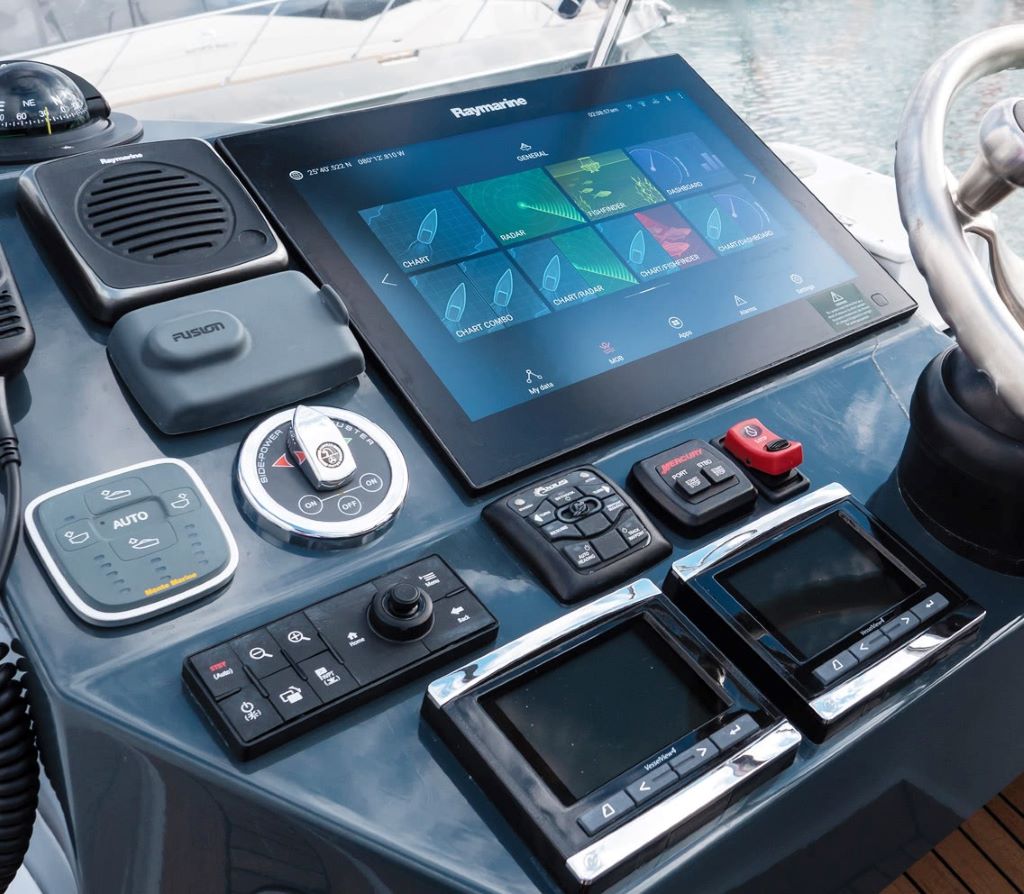
-
Invest in a High-Quality Waterproof Case
A rugged, waterproof case is one of the simplest yet most effective ways to protect your GPS plotter. Look for cases made from materials like polycarbonate or ABS plastic, which offer excellent impact resistance and waterproofing capabilities. Brands like Pelican and OtterBox are highly recommended by professionals.
Expert Opinion:
“Using a waterproof case is like giving your GPS plotter a second layer of armor,” says Captain John Smith, a veteran angler with over 20 years of experience. “It’s a small investment that pays off big time.”
-
Seal All Ports and Connectors
Ports and connectors are vulnerable entry points for water. Use waterproof sealants or rubber gaskets to cover these areas. Silicone-based sealants are particularly effective because they remain flexible and durable over time.
-
Apply Anti-Corrosion Spray
Saltwater accelerates corrosion, which can damage internal components. Regularly applying anti-corrosion sprays like CorrosionX or CRC Heavy Duty Corrosion Inhibitor creates a protective barrier against rust and oxidation.
-
Mount Your GPS Plotter Strategically
Where you mount your GPS plotter matters. Avoid placing it in direct contact with water spray or rain. Instead, position it under a protective canopy or inside a waterproof enclosure. Ensure the mounting surface is level and secure to prevent accidental drops.
-
Use Desiccant Packs
Desiccant packs absorb moisture and help maintain a dry environment inside your GPS plotter’s storage compartment. Replace them every few months to ensure optimal performance.
-
Opt for Marine-Grade Covers
Marine-grade covers are specifically designed to withstand harsh weather conditions. They often feature UV-resistant materials and reinforced seams, providing an extra layer of protection against both water and sunlight.
The Science Behind Waterproofing: How It Works
Hydrophobic Coatings
Some GPS plotters come with hydrophobic coatings that repel water droplets. These coatings work by reducing surface tension, causing water to bead up and roll off rather than seep into the device. While effective, they may wear off over time, so periodic reapplication might be necessary.
Conformal Coating for Circuit Boards
For advanced users, applying a conformal coating to the internal circuit board offers superior protection. This thin layer shields sensitive components from moisture, dust, and chemicals. However, this process requires technical expertise and should only be done by professionals.
Real-Life Stories: Lessons from Experienced Anglers
Case Study 1: The Importance of Preparation
Mark Johnson, a charter boat captain from Florida, recalls a harrowing experience where his GPS plotter failed mid-trip due to water damage. “I thought the IPX7 rating was enough, but I underestimated the power of rogue waves,” he admits. After switching to a waterproof case and desiccant packs, Mark hasn’t had any issues since.
Case Study 2: Saving Money Through Prevention
Sarah Lee, a recreational angler from California, shares how investing in waterproof accessories saved her hundreds of dollars. “Instead of replacing my GPS plotter every couple of years, I now spend less on maintenance and enjoy peace of mind,” she says.
FAQs About GPS Plotter Waterproofing
- What’s the best way to clean my GPS plotter after exposure to saltwater? Rinse it with fresh water and dry it thoroughly with a microfiber cloth.
- Can I use a hairdryer to remove moisture from my GPS plotter? Yes, but use the lowest heat setting to avoid damaging internal components.
- How often should I replace desiccant packs? Every 3-6 months, depending on usage and environmental conditions.
- Is it worth upgrading to a higher IP-rated GPS plotter? Absolutely, especially if you frequently fish in wet or salty environments.
- Can I DIY waterproof my GPS plotter? Basic measures like using sealants and cases are doable, but professional services are recommended for advanced techniques.
- What’s the difference between waterproof and water-resistant? Waterproof means complete protection against water ingress, while water-resistant offers limited protection.
- Do all GPS plotters come with built-in waterproofing? No, some require additional measures to achieve full waterproofing.
- How does humidity affect my GPS plotter? High humidity can lead to condensation, which may damage internal circuits.
- Are there any budget-friendly waterproofing options? Yes, products like silicone sealants and affordable waterproof cases are great starting points.
- Should I waterproof my GPS plotter even if I fish in freshwater? Yes, as freshwater can still cause damage through prolonged exposure or splashes.
Conclusion: Stay Safe, Stay Prepared
Waterproofing your GPS plotter isn’t just about preserving your equipment—it’s about ensuring your safety and success on the water. By following the tips outlined in this guide, you can protect your investment, extend its lifespan, and focus on what truly matters: enjoying the thrill of fishing.
Remember, preparation is key. Whether you’re a seasoned angler or a weekend warrior, taking proactive steps to safeguard your GPS plotter will pay dividends in the long run. So gear up, stay informed, and make the most of your fishing adventures with a fully protected GPS plotter.
By implementing these GPS Plotter Waterproofing Tips , you’re not just preparing for today—you’re future-proofing your fishing experience. Happy fishing!
Read More:
Electronic Fish Finder Battery Care
Select Repairing Cracks in Fishing Rod Cases
Fishing Hats with Neck Flaps for Sun Protection
UV-Reactive Soft Plastics for Deep Sea Fishing