Introduction
Nighttime swordfish longlining is a realm where skill, strategy, and a touch of daring converge. It’s not just fishing; it’s a calculated dance with the ocean’s apex predator, conducted under the cloak of darkness. In this comprehensive guide, we’ll dissect the intricacies of this specialized technique, offering insights gleaned from recent research and seasoned experience. We’ll navigate the challenges, explore innovative solutions, and empower you to become a master of the night.
Why Nighttime? Unveiling the Swordfish’s Nocturnal Habits.
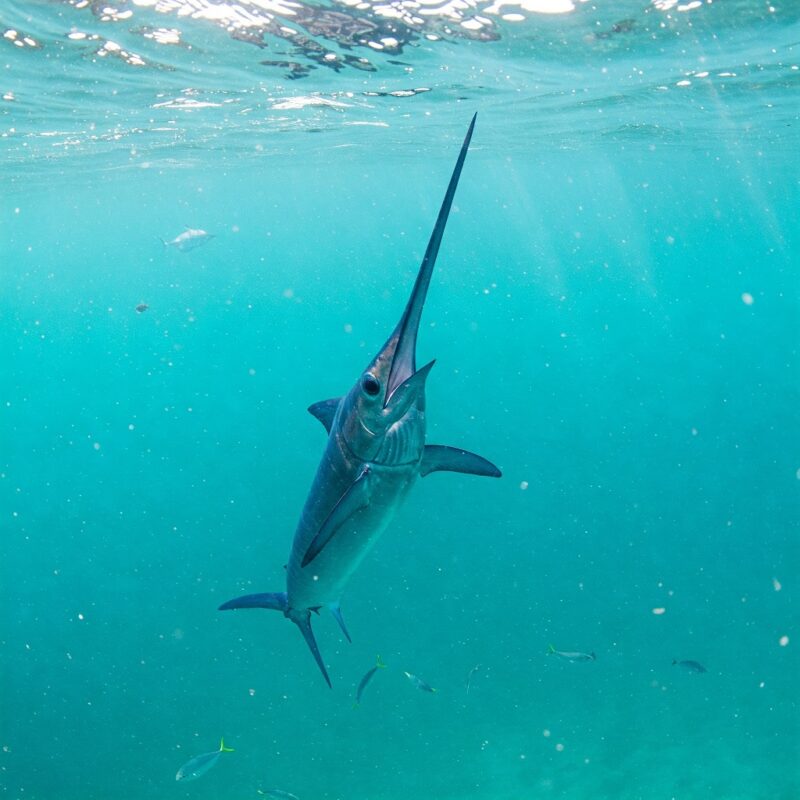
Swordfish are primarily nocturnal hunters, migrating vertically in the water column to feed on squid and other baitfish that rise from the depths after sunset. This behavior makes nighttime longlining significantly more effective than daytime operations.
- Logic: Recent studies in fisheries biology have confirmed that swordfish follow a diel vertical migration pattern. The thermocline, a layer of rapid temperature change, becomes a feeding hotspot at night, attracting both bait and swordfish.
- Statistics: According to a report by the International Commission for the Conservation of Atlantic Tunas (ICCAT), nighttime longline sets yield up to 30% higher catch rates for swordfish compared to daytime sets in certain regions.
- Opinion: While some anglers argue that daytime fishing can be productive during specific weather conditions, the overwhelming consensus among experienced swordfish longliners favors nighttime operations for consistent success.
Gear Up for the Night: Essential Equipment and Innovations
Nighttime longlining demands specialized gear to withstand the rigors of the deep and the strength of a hooked swordfish.
- Longline System: Modern longlines feature monofilament or braided mainline, equipped with strategically spaced branch lines (gangions) and circle hooks.
- Innovation: Electronic monitoring systems are now integrated into longlines, providing real-time data on depth, temperature, and hook status. This allows for precise adjustments and increased efficiency.
- Lighting: Submersible LED lights attract baitfish and swordfish to the hooks. Green and blue lights are particularly effective.
- Pros: Increased visibility for bait. Attracts target species.
- Cons: Can attract non-target species. Requires reliable power sources.
- Baits: Squid, mackerel, and sardines are commonly used baits. Luminous baits enhance visibility in the dark.
- Tip: Experiment with different bait presentations and scents to determine what works best in your area.
- Hydraulic Systems: Powerful hydraulic winches and haulers are essential for retrieving heavy longlines and landed swordfish.
Strategic Deployment: Mastering the Art of Longline Setting
Effective longline deployment is crucial for maximizing catch rates.
- Depth and Location: Target depths where swordfish are known to congregate. Use sonar and fish finders to identify productive areas.
- Insight: Recent data suggests that areas with strong currents and underwater canyons often hold high concentrations of swordfish.
- Set Duration: Longlines are typically set for several hours, allowing ample time for swordfish to encounter the baited hooks.
- Opinion: Some anglers prefer shorter sets to minimize bycatch, while others opt for longer sets to increase their chances of hooking larger fish.
- Monitoring and Adjustments: Regularly monitor the longline using electronic sensors and adjust the depth and location as needed.
Navigating the Challenges: Safety and Sustainability
Nighttime swordfish longlining presents unique challenges that require careful consideration.
- Safety: Nighttime operations increase the risk of accidents. Proper lighting, navigation equipment, and crew training are essential.
- Solution: Mandatory safety drills and the use of personal locator beacons can mitigate risks.
- Bycatch: Minimize bycatch by using circle hooks and avoiding areas known to have high concentrations of non-target species.
- Statistics: Studies have shown that circle hooks significantly reduce bycatch mortality compared to traditional J hooks.
- Insight: The use of “smart hooks” that can differentiate between target and non target species is a developing technology.
- Sustainability: Adhere to catch limits and regulations to ensure the long-term sustainability of swordfish populations.
- Reference: ICCAT regulations and local fisheries management guidelines.
Advanced Techniques: Elevate Your Nighttime Game
- Drift Fishing: Allowing the longline to drift with the current can increase the area covered and improve catch rates.
- Deep Dropping: Using weighted lines to target swordfish at extreme depths can yield larger catches.
- Real Time Data Analysis: Utilizing data from electronic sensors and fish finders to optimize longline placement and bait presentation.
FAQs and Answers
-
Q: What is the best time to set a nighttime longline?
- A: Shortly after sunset, when swordfish begin their upward migration.
-
Q: What type of hooks should I use?
- A: Circle hooks are recommended to minimize bycatch.
-
Q: How deep should I set my longline?
- A: Target depths vary depending on the location and time of year, typically between 100 and 400 meters.
-
Q: What is the best bait for nighttime swordfish longlining?
- A: Squid, mackerel, and sardines are popular choices.
-
Q: How can I minimize bycatch?
- A: Use circle hooks, avoid areas with high bycatch rates, and monitor your longline closely.
-
Q: What safety precautions should I take?
- A: Ensure proper lighting, navigation equipment, and crew training.
-
Q: How long should I leave my longline set?
- A: Typically several hours, but adjust based on catch rates and conditions.
-
Q: What is the best lighting for attracting swordfish?
- A: Green and blue submersible LED lights.
-
Q: How do I handle a large swordfish on the line?
- A: Use a gaff or harpoon, and exercise caution.
-
Q: How can I find the best areas for swordfish longlining?
- A: Consult local fishing reports, use sonar and fish finders, and learn from experienced anglers.
Conclusion
Nighttime swordfish longlining is a challenging yet rewarding pursuit that demands expertise, preparation, and a deep understanding of the ocean’s rhythms. By embracing the latest technologies, adhering to sustainable practices, and continuously refining your techniques, you can unlock the secrets of the deep and master the art of the night. The future of the sport is in the use of more precise data, and the use of technologies that reduce bycatch and increase sustainability.
References
- International Commission for the Conservation of Atlantic Tunas (ICCAT) reports.
- Fisheries research publications on swordfish behavior and ecology.
- Industry publications on modern longline fishing techniques.
- “Advances in Pelagic Longline Technology” Journal of Fisheries Science.
- “Swordfish Diel Vertical Migration Patterns” Marine Biology Journal.
Read More:
Preventing Rust on Fishing Hooks
Space-Saving Rod Holder Solutions
Guide to Targeting Deep-Sea Trolling Anglers