
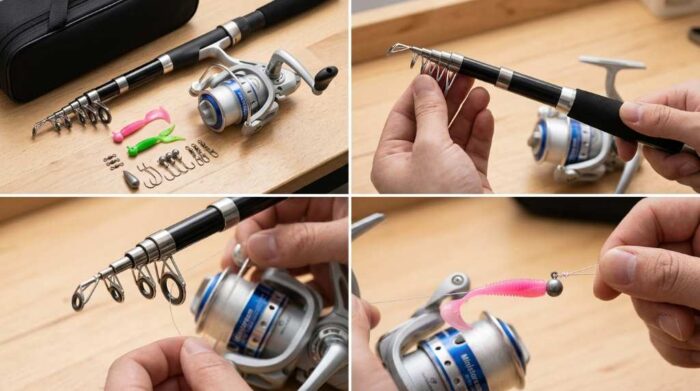
Setting up a Ministoream fishing pole combo set is simple when you assemble the rod correctly, attach the reel securely, spool the line evenly, and adjust the drag before fishing. Most beginners complete the process in under twenty minutes with basic attention to detail.
Fishing participation continues growing across many regions, with millions of anglers enjoying freshwater and coastal trips yearly. Therefore, learning proper setup techniques helps improve casting distance, line control, and overall fishing success from the very first outing.
Many anglers start with a Ministoream fishing pole combo set because it combines convenience and portability. Additionally, a properly assembled combo reduces common beginner mistakes and creates a smoother fishing experience.
Understanding the Components Before Setup
Before assembly, identify every component included in your combo package. This step prevents confusion and speeds up the setup process significantly.
Most combo kits include a rod, reel, fishing line, and several accessories. However, package contents may vary slightly between different models.
Main Parts You Should Know
- Rod sections
- Spinning reel
- Line guides
- Reel seat
- Handle assembly
- Fishing line
- Drag adjustment knob
Understanding these parts makes assembly easier and more accurate. Consequently, you avoid unnecessary strain on the rod and reel.
Inspect the Rod Before Assembly
Begin by removing all packaging materials from the rod sections carefully. Next, inspect each piece for cracks, bends, or manufacturing defects.
Check every guide ring for alignment and smooth edges. Damaged guides can weaken line strength and create casting problems.
Rotate the rod sections gently while examining connection points. This quick inspection helps ensure long term performance and reliability.
Assemble the Rod Sections Correctly
Many Ministoream combos use multi piece rod designs for portability. Therefore, proper alignment becomes extremely important.
Insert one section into the next using gentle pressure only. Then align all guides in a perfectly straight line.
Avoid twisting aggressively during assembly because excessive force can damage connection joints. Instead, use smooth and controlled movements.
Alignment Checklist
- Guides form one straight line
- Sections fit firmly together
- No visible gaps appear at joints
- Rod feels balanced after assembly
Attach the Reel to the Reel Seat
Place the reel foot into the designated reel seat opening first. Afterward, tighten the locking mechanism gradually.
The reel should feel secure without excessive tightening pressure. Over tightening may damage reel seat threads over time.
Once attached, hold the rod naturally and test stability. If movement exists, tighten slightly until secure.
Spool the Fishing Line Properly
Correct line installation directly affects casting performance and knot strength. Therefore, take extra care during this stage.
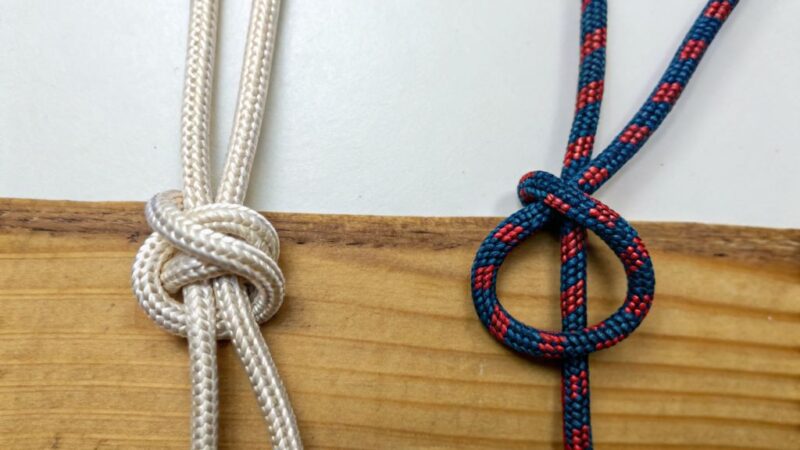
Open the reel bail before tying the fishing line to the spool. Then secure the line using a reliable arbor knot.
Close the bail and begin winding slowly under steady tension. Meanwhile, keep the line spool positioned to reduce twisting.
Common Line Spooling Mistakes
- Overfilling the spool
- Using loose winding tension
- Ignoring line twists
- Forgetting to open the bail first
Most spinning reels perform best when filled close to the spool lip. However, avoid filling beyond the recommended level.
Thread the Line Through Every Guide
After spooling, thread the fishing line through each guide carefully. Start with the guide nearest the reel.
Continue working upward until reaching the rod tip guide. Missing a guide creates poor casting performance immediately.
Double check the path before tying any terminal tackle. This simple verification prevents frustration later.
Adjust the Reel Drag Setting
Drag controls how much resistance fish experience during a fight. Consequently, proper adjustment protects both line and equipment.
Tighten the drag gradually until moderate resistance is present. Then pull the line manually to test smooth release.
The line should release steadily without sudden jerks. A smooth drag system helps land fish more consistently.
General Drag Guidelines
| Fishing Situation | Recommended Drag |
|---|---|
| Small Panfish | Light Resistance |
| Bass Fishing | Moderate Resistance |
| Larger Species | Firm Resistance |
Select and Attach Terminal Tackle
Choose tackle based on your target species and fishing location. Different environments require different presentations.
Attach a hook, lure, or rig using a strong fishing knot. Additionally, trim excess tag ends neatly.
Always inspect knots before making your first cast. Strong knots prevent unexpected tackle loss.
Perform a Full Function Test
Before heading to the water, test every component thoroughly. This process identifies small issues before they become larger problems.
Turn the reel handle several times and observe smooth operation. Then open and close the bail repeatedly.
Practice several short casts in an open area when possible. Consequently, you gain confidence before actual fishing begins.
Maintenance Tips After Setup
Proper maintenance extends equipment life and preserves performance. Therefore, develop a consistent care routine.
After each trip, wipe the rod and reel using a clean cloth. Salt, dirt, and moisture gradually affect performance.
Store the combo in a dry location away from extreme temperatures. Consistent storage conditions help protect components.
Quick Maintenance Checklist
- Clean guides regularly
- Check line condition frequently
- Inspect reel mounting security
- Lubricate moving parts as recommended
- Store equipment safely
Beginner Errors to Avoid
Several mistakes reduce performance even when equipment is assembled correctly. Fortunately, most are easy to prevent.
Never force rod sections together during assembly. Likewise, avoid dragging the rod tip across rough surfaces.
Many beginners ignore drag adjustment before fishing. However, proper drag settings often determine success during fish fights.
Another common mistake involves skipping equipment inspections. Regular checks help identify wear before failures occur.
Conclusion
Learning how to set up a Ministoream fishing pole combo set requires only a few straightforward steps. When assembled correctly, the combo delivers better casting performance, smoother line management, and greater fishing confidence.
Take time to inspect each component, spool the line properly, and test the setup before every trip. Start practicing these techniques today and enjoy a more productive fishing experience on your next outing.
Frequently Asked Questions
How long does it take to set up a Ministoream fishing pole combo set?
Most anglers complete the setup process within fifteen to twenty minutes.
Should the reel be attached before spooling line?
Yes, attaching the reel first makes line installation easier and more accurate.
Can beginners use a Ministoream fishing pole combo set?
Yes, the combo is designed to be beginner friendly and easy to assemble.
How tight should the drag setting be?
The drag should allow smooth line release under steady pulling pressure.
How often should I inspect the fishing line?
Inspect the line before every trip and replace damaged sections immediately.