
To spool your Piscifun Viper X fishing reel correctly, attach the line securely, maintain steady tension, and fill the spool to about one eighth inch below the rim. Proper spooling improves casting distance, reduces line twists, and helps prevent frustrating tangles on the water.
Many anglers lose performance because of poor line installation. In fact, line management issues contribute to a large percentage of reel related fishing problems. Therefore, learning the correct spooling process can immediately improve your fishing experience.
If you own a Piscifun Viper X fishing reel, proper setup matters from the first cast. Moreover, a correctly loaded reel helps maximize the reel’s smooth drag system and casting performance.
Why Proper Reel Spooling Matters
Correct spooling affects nearly every aspect of fishing performance. It directly influences casting distance, line control, and lure presentation.
Improperly loaded line often creates loops and knots. As a result, anglers spend more time fixing problems than fishing.
The Piscifun Viper X features a lightweight design and precision engineering. Therefore, pairing it with proper line installation helps unlock its full potential.
Tools and Materials You Need
Before starting, gather everything needed for a smooth setup process. Preparation reduces mistakes and saves valuable time.
- Piscifun Viper X fishing reel
- Fishing rod
- Monofilament, fluorocarbon, or braided line
- Sharp scissors or line cutters
- Soft cloth or glove
- Pencil or spool holder
Having these items nearby keeps the process organized. Consequently, you can focus entirely on line placement and tension.
Choose the Right Fishing Line
Monofilament Line
Monofilament remains a popular choice for beginners and experienced anglers alike. It offers flexibility, stretch, and easy handling.
This line works well for many freshwater fishing situations. Additionally, it loads smoothly onto spinning reels.
Fluorocarbon Line
Fluorocarbon sinks faster and becomes less visible underwater. Therefore, many anglers prefer it for clear water conditions.
However, fluorocarbon can develop memory if improperly stored. Proper spooling helps reduce that issue significantly.
Braided Line
Braided line delivers exceptional strength with a thin diameter. As a result, it provides excellent sensitivity and hook setting power.
Many anglers use backing when installing braid. This practice prevents line slippage on the spool.
Prepare the Reel Before Spooling
Attach the Piscifun Viper X securely to your fishing rod first. This setup creates better control during the spooling process.
Next, thread the fishing line through the rod guides. Start from the tip and continue toward the reel.
Open the reel bail before tying any knots. Otherwise, you will need to restart the process.
How to Attach the Line to the Spool
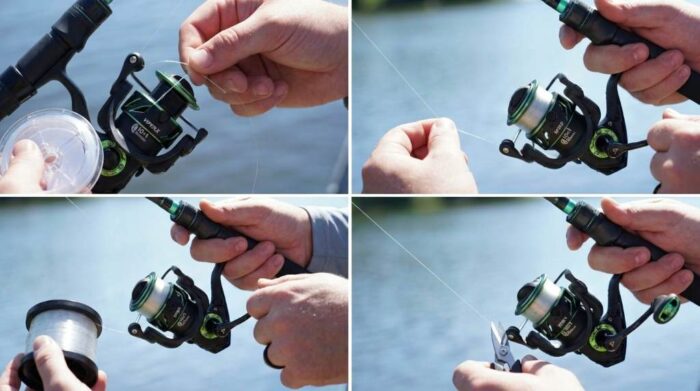
Wrap the fishing line around the spool arbor once. Then create a simple arbor knot for a secure connection.
Tighten the knot carefully while maintaining control of the line. Afterward, trim the excess tag end closely.
For braided line, consider adding monofilament backing first. This step improves grip and prevents spool rotation issues.
Step by Step Guide to Spooling the Piscifun Viper X
Position the Line Spool Correctly
Place the line supply spool on a pencil or holder. The line should come off naturally and smoothly.
Watch the line direction carefully during installation. This helps reduce twists before they develop.
Maintain Constant Tension
Hold the line lightly with a soft cloth. Then apply gentle pressure as you turn the reel handle.
Consistent tension creates tight and even line layers. Consequently, casting performance improves noticeably.
Fill the Spool Properly
Continue reeling until the line approaches the spool lip. Leave approximately one eighth inch of space.
Overfilling often causes wind knots and tangles. Conversely, underfilling reduces casting distance and efficiency.
Inspect the Line Layout
Examine the spool after loading the desired amount. The line should appear smooth and evenly distributed.
If uneven areas appear, remove and reinstall the line. Doing so prevents future performance issues.
Common Spooling Mistakes to Avoid
Many anglers repeat the same setup mistakes repeatedly. Fortunately, most problems remain easy to prevent.
- Overfilling the spool
- Using inconsistent line tension
- Skipping backing with braided line
- Ignoring line twist during installation
- Failing to inspect spool distribution
Avoiding these mistakes improves reel performance immediately. Furthermore, your fishing sessions become more productive.
How to Reduce Line Twist
Line twist remains one of the most common spinning reel frustrations. Therefore, prevention should begin during spooling.
Close the bail manually after each cast whenever possible. This habit significantly reduces twist accumulation.
Additionally, keep steady tension during installation. Proper line orientation also helps minimize future problems.
Testing Your Reel After Spooling
After installation, pull several yards of line from the reel. Observe how smoothly the line leaves the spool.
Next, reel the line back under light tension. The line should return evenly without bunching.
Finally, make a few practice casts in an open area. This confirms proper setup before your next fishing trip.
Maintenance Tips for Long Lasting Performance
Regular maintenance protects both your line and reel. Consequently, you enjoy more reliable fishing performance.
Inspect your line before every outing. Replace damaged sections immediately to prevent breakoffs.
Store the reel in a clean, dry environment. Additionally, avoid prolonged exposure to direct sunlight.
After each trip, wipe down the reel carefully. This simple routine helps preserve smooth operation.
When to Replace Fishing Line
Fishing line does not last forever. Environmental exposure gradually weakens even premium products.
Replace monofilament more frequently than braided line. However, always inspect for abrasions and damage.
If casting performance declines noticeably, consider installing fresh line. New line often restores optimal performance quickly.
Conclusion
Learning how to spool your Piscifun Viper X fishing reel correctly creates better casting, smoother retrieves, and fewer frustrations. By maintaining proper tension, selecting the right line, and avoiding common mistakes, you can maximize reel performance every time.
Take a few extra minutes during setup and follow these proven steps carefully. Your next fishing trip will likely feel smoother, more efficient, and far more enjoyable.
FAQs
How full should I fill my Piscifun Viper X spool?
Leave about one eighth inch of space below the spool rim.
Can I use braided line on the Piscifun Viper X?
Yes, braided line works very well when installed with proper backing.
Why does my fishing line keep twisting?
Line twist usually occurs from improper spooling or incorrect bail operation.
Should I spool the reel while attached to the rod?
Yes, attaching the reel to the rod improves control and alignment.
How often should I replace fishing line?
Replace it whenever noticeable wear, damage, or performance loss appears.