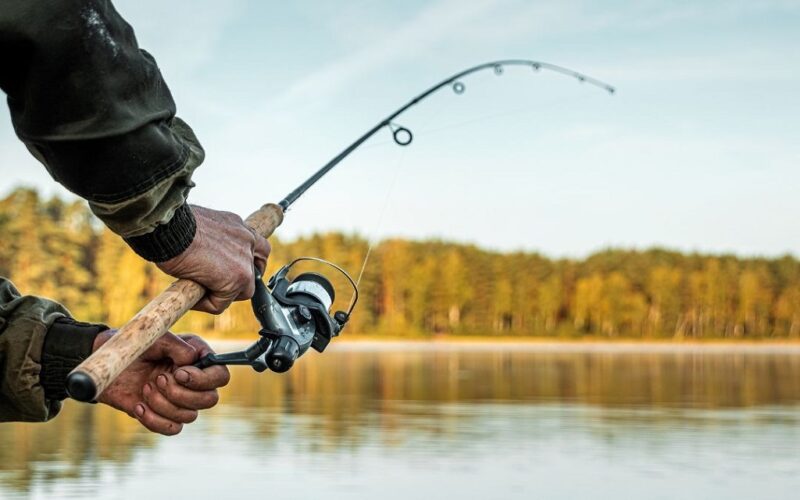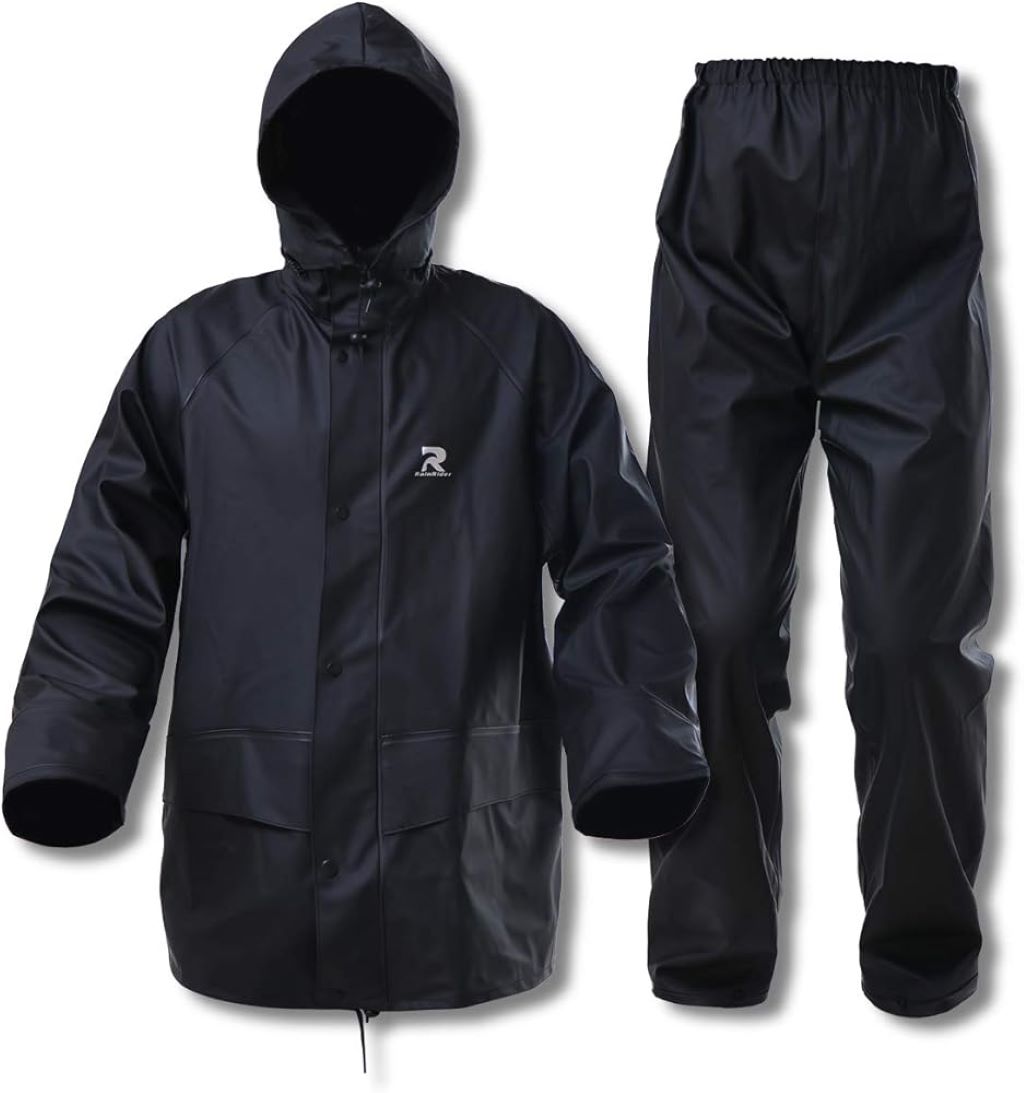
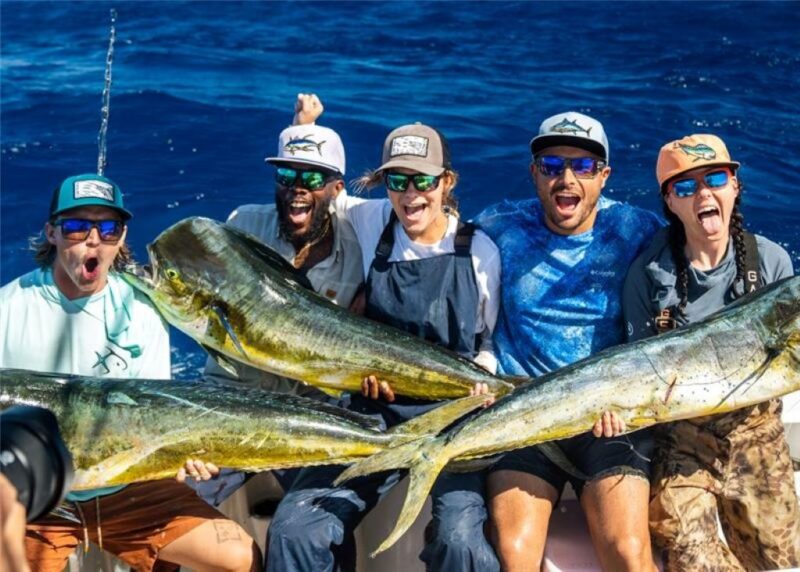
Fishing isn’t just a hobby—it’s a year-round adventure that demands strategy, patience, and deep understanding of each season. Knowing how fish behave during different times of the year is crucial. Weather changes, water temperatures, and fish migration patterns all play major roles. To help you maximize your success, here’s a complete seasonal guide packed with expert tips for Spring, Summer, Fall & Winter fishing.
Spring Fishing Tips: Wake-Up Bites & Pre-Spawn Action
As winter fades, fish start to wake up from their cold-water slumber. Spring marks a transition phase. The water warms, increasing fish metabolism and encouraging movement toward shallower areas. This makes early spring one of the most productive fishing seasons.
- Target species: Bass, crappie, and walleye become more aggressive as spawning nears.
- Optimal baits: Use jerkbaits, spinnerbaits, and soft plastics. Match the hatch with realistic patterns.
- Where to fish: Focus on shallow, sun-warmed coves and flats. Fish gather in these areas to feed before spawning.
Studies show that water temperatures around 55°F signal the pre-spawn period. According to Bassmaster, anglers report 40% more catches during pre-spawn when using slow retrieves. However, patience is key—spring weather is volatile. Cold fronts can halt feeding instantly, so fish after warm, stable days for the best outcome.
Expert Tip: Fish near structures like docks, submerged logs, or rock piles. These serve as pre-spawn staging areas for many freshwater species.
Summer Fishing Tips: Beat the Heat, Catch the Depth
Summer fishing brings long, sun-soaked days and warm waters that push fish into deeper, cooler zones. Understanding how thermoclines form during this season can drastically improve your catch rate.
- Target species: Catfish thrive in summer, and bass shift to deeper water during daylight hours.
- Best times to fish: Focus on dawn and dusk. During mid-day, go deeper or fish shaded areas.
- Best techniques: Deep crankbaits, drop shots, and Carolina rigs are ideal for targeting fish at varying depths.
Fish adapt to the heat by becoming less active during the hottest hours. Therefore, you need to adapt too. Use electronics to locate fish-holding structures like ledges or sunken trees. According to Field & Stream, fishing during twilight hours increases your chances by 60% in the summer.
Expert Tip: Use scent-enhanced baits. Warm water reduces oxygen, making fish sluggish. Strong scents entice strikes even when fish aren’t feeding actively.
Fall Fishing Tips: Feed Frenzy Before the Freeze
Fall is one of the most exciting fishing seasons. As temperatures drop, fish enter a feeding frenzy to bulk up for winter. It’s prime time for power fishing.
- Target species: Bass, pike, and perch become aggressive and chase moving baits.
- Effective lures: Lipless crankbaits, topwater lures, and swimbaits work best during early fall.
- Fishing zones: Find baitfish. Wherever baitfish go, predators follow—especially along drop-offs and weed lines.
Water temperatures in the 50°F–65°F range are optimal. Fish chase schools of shad or minnows close to shore, making them more accessible to bank anglers. Fall offers a golden window where aggressive strikes become common.
According to data from the In-Fisherman, 72% of anglers experience a significant increase in bites during the first major cold front of the season. Use this to your advantage.
Expert Tip: Match lure size to the prevalent baitfish. Downsizing during mid to late fall often outperforms oversized lures.
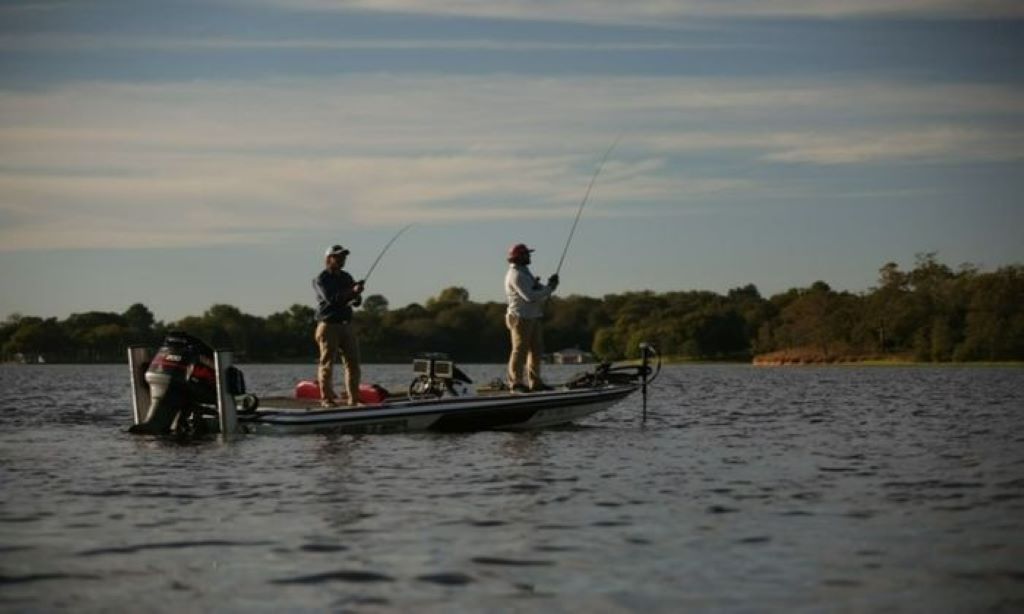
Winter Fishing Tips: Ice, Patience & Precision
Winter fishing is the most challenging season. Fish metabolism slows in icy waters, and many species go dormant or become highly selective. But success is still possible with the right techniques.
- Best fish to target: Trout, perch, and walleye remain active under the ice.
- Top winter tactics: Jigging small spoons, using tip-ups, and dead-sticking live bait are go-to methods.
- Where to fish: Deep basins, points, and underwater humps hold the most fish in winter.
Winter demands slower presentations. Fish won’t chase fast-moving lures. Anglers must be precise and patient. Studies from the North American Fishing Club show that vertical jigging with live bait increases strike rates by up to 80% during cold months.
Expert Tip: Use sonar or a flasher to locate schools. Fish hold tight to structure and rarely roam far in winter.
Featured Snippet: What’s the Best Season for Fishing?
Question: What is the best season to go fishing and why?
Answer: The best season to go fishing depends on the species you’re targeting, but fall generally offers the most consistent action. Fish feed aggressively in preparation for winter, making them more likely to strike fast-moving lures. According to a 2023 report by Bass Angler Magazine, fall fishing yields 30% more bites compared to summer due to cooler water and baitfish movement. Spring offers similar opportunities, especially during pre-spawn. Winter fishing is tougher but rewarding for those who enjoy ice fishing. Summer fishing, although productive, requires early or late hours to beat the heat.
Frequently Asked Questions (FAQs)
- What’s the best time of day to fish in summer?
Early morning or late evening when temperatures are lower and fish are more active. - How do fish behavior change in fall?
Fish become more aggressive, feeding heavily before winter. They follow schools of baitfish near shorelines. - Is winter fishing worth it?
Yes, especially for species like walleye and perch. Use slow, vertical presentations for success. - How does spring weather affect fishing?
Rapid changes in temperature can stall or spark feeding. Fish after two or more warm days. - Should I use live bait or lures in different seasons?
Live bait works well in winter and early spring. Lures are more effective during active feeding periods like fall. - Can I fish in shallow water during summer?
Only during early mornings or in shaded areas. Otherwise, fish retreat to deeper zones. - How do I locate fish in winter under the ice?
Use sonar tools. Focus on deeper basins and structure where fish gather in the cold.
Final Thought
Fishing through the seasons is more than casting lines—it’s about understanding fish behavior, water conditions, and strategic adjustments. Each season brings unique challenges and opportunities. Spring and fall provide aggressive bites and active fish. Summer demands early and deep tactics. Winter rewards patience and precision. By mastering seasonal techniques and keeping an eye on conditions, you can enjoy consistent success and excitement year-round.
Remember: It’s not just about the gear—it’s how you use it. With these expert Spring, Summer, Fall & Winter fishing tips, you’re equipped to fish smarter, not harder.
References:
- Bassmaster: Pre-spawn Fishing Tips
- Field & Stream: Summer Fishing Hacks
- In-Fisherman: Fall Fishing Insights
- North American Fishing Club: Winter Fishing Techniques
Read More:
The Best Freshwater Fishing in Bay Area