
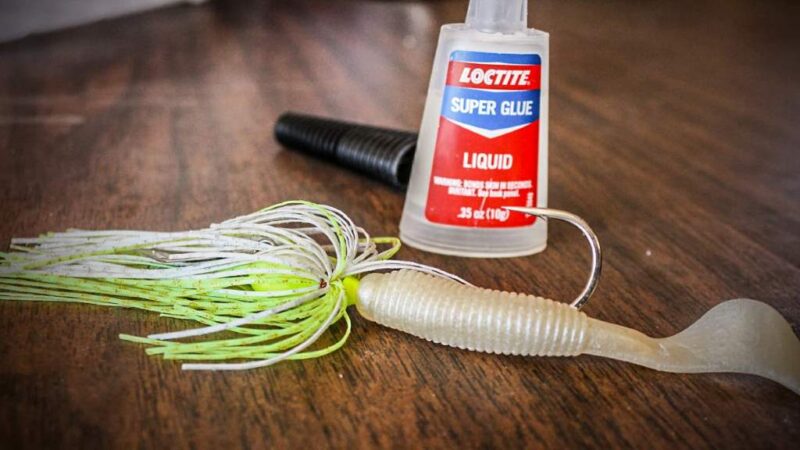
Finding the best adhesive to use on fishing poles can be a game-changer for any angler. Whether you’re repairing a broken guide, securing a reel seat, or customizing your rod, the right glue is essential for a lasting and reliable fix. This guide will delve into the various types of adhesives suitable for fishing rods, helping you make informed decisions and extend the life of your valuable gear.
Understanding the Challenges of Fishing Rod Repairs
Fishing rods endure harsh conditions, from saltwater exposure to intense pressure during casting and reeling. Therefore, any adhesive used must be durable, waterproof, and capable of withstanding vibrations and impacts. Selecting the appropriate glue is crucial for ensuring your repairs hold up under these demanding circumstances.
Types of Adhesives Suitable for Fishing Poles
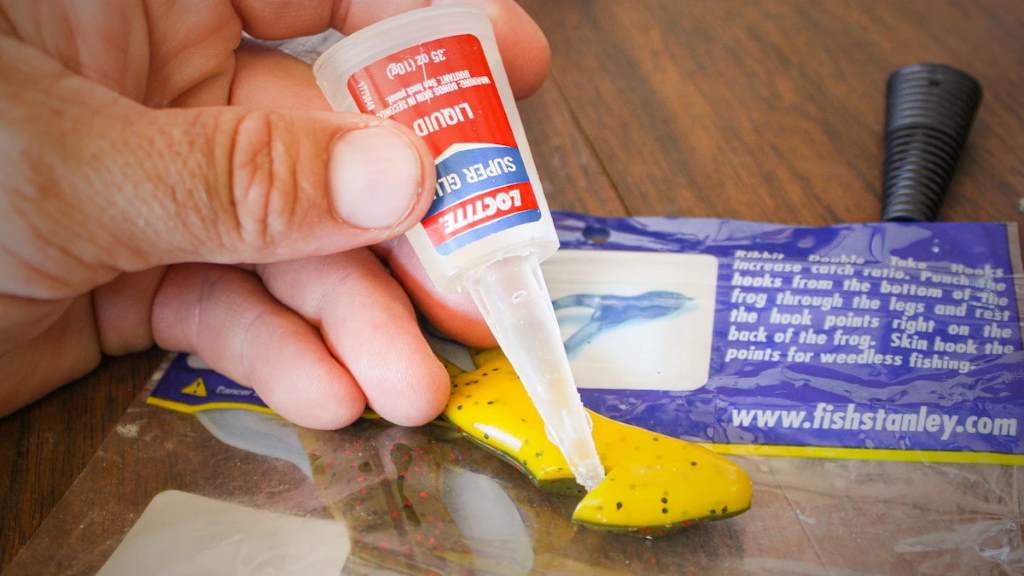
Choosing the correct adhesive depends on the specific repair and the materials involved. Here’s a breakdown of the most common types:
Epoxy Resin: The Go-To Choice for Rod Building and Repairs
Epoxy resin is widely recognized as the best adhesive to use on fishing poles for serious repairs and rod building. It creates a strong, durable bond that is resistant to water, chemicals, and extreme temperatures.
- Two-Part Epoxy: This type requires mixing resin and hardener, providing a robust and long-lasting bond. It’s ideal for securing reel seats, guides, and repairing broken rod blanks.
- Advantages:
- High strength and durability.
- Excellent water resistance.
- Versatile for various rod materials.
- Disadvantages:
- Requires precise mixing.
- Longer curing time.
- Can be messy if not used carefully.
Cyanoacrylate (CA) Glue: For Quick Fixes and Minor Repairs
Cyanoacrylate, or CA glue, is a fast-setting adhesive known for its quick bonding capabilities. It’s often used for minor repairs, such as securing thread wraps or small guide repairs.
- Advantages:
- Fast curing time.
- Strong initial bond.
- Easy to apply.
- Disadvantages:
- Brittle and less flexible.
- Not ideal for high-stress applications.
- Can be damaged by moisture over time.
Polyurethane Glue: Flexible and Waterproof Bonding
Polyurethane glue offers a flexible and waterproof bond, making it suitable for repairs that require some give. It expands slightly as it cures, filling gaps and creating a strong seal.
- Advantages:
- Flexible and impact-resistant.
- Excellent water resistance.
- Good gap-filling properties.
- Disadvantages:
- Longer curing time.
- Can expand excessively if applied too liberally.
- Can be messy to work with.
UV-Curing Resin: Modern and Efficient Repairs
UV-curing resin hardens when exposed to ultraviolet light, providing a fast and efficient repair solution. This type of adhesive is becoming increasingly popular for quick fixes and rod customizations.
- Advantages:
- Extremely fast curing time.
- Clear and aesthetically pleasing finish.
- Easy to control the curing process.
- Disadvantages:
- Requires a UV light source.
- Can be more expensive.
- Not ideal for very large repairs.
Explore Fishing Gear Maintenance for Safety.
Selecting the Right Adhesive for Specific Fishing Rod Repairs
To optimize the effectiveness of your repair, you must consider the specific needs of the fishing rod.
Securing Reel Seats
For securing reel seats, a strong and durable bond is essential. Epoxy resin is the preferred choice due to its high strength and water resistance.
- Ensure the reel seat is clean and dry before application.
- Mix the epoxy according to the manufacturer’s instructions.
- Apply the epoxy evenly and allow it to cure fully.
Repairing Broken Guides
Broken guides can significantly impact casting performance. Depending on the extent of the damage, different adhesives may be suitable.
- Minor Repairs: CA glue can be used for quick fixes, such as securing loose thread wraps.
- Major Repairs: Epoxy resin is recommended for bonding new guide feet to the rod blank.
- When using CA glue, apply small amounts and let it dry completely.
- When using epoxy, properly align the guides before curing.
Rod Blank Repairs
Repairing a broken rod blank requires a strong and flexible bond. Epoxy resin or polyurethane glue can be used, depending on the severity of the damage.
- Clean and prepare the broken surfaces.
- Apply the adhesive evenly and securely clamp the pieces together.
- Allow the adhesive to cure fully before applying any pressure.
Thread Wraps and Customization
For thread wraps and rod customizations, CA glue or UV-curing resin can be used to create a clean and durable finish.
- Apply the adhesive in thin layers to avoid excess buildup.
- Use a thread finish or epoxy top coat for added protection.
- UV resin cures very fast, allowing for quick customization work.
Tips for Applying Adhesives Effectively
To ensure a successful repair, follow these tips:
- Clean Surfaces: Ensure the surfaces are clean, dry, and free of debris.
- Proper Mixing: If using epoxy, mix the resin and hardener according to the manufacturer’s instructions.
- Controlled Application: Apply the adhesive in thin and even layers.
- Curing Time: Allow the adhesive to cure fully before applying any pressure.
- Safety Precautions: Wear gloves and eye protection when working with adhesives.
- Ventilation: Work in a well ventilated area.
Maintenance and Longevity
Proper maintenance can extend the life of your fishing rod repairs.
- Regularly inspect your rod for any signs of damage.
- Clean your rod after each use to remove salt and debris.
- Store your rod in a protective case to prevent damage.
Choosing the Right Product: A Quick Reference Table
| Adhesive Type | Best For | Advantages | Disadvantages |
| Epoxy Resin | Reel seats, guide repairs, rod blanks | Strong, durable, water-resistant | Requires mixing, longer curing time |
| Cyanoacrylate (CA) Glue | Minor repairs, thread wraps | Fast curing, strong initial bond | Brittle, less flexible |
| Polyurethane Glue | Flexible repairs, gap filling | Flexible, waterproof, gap-filling | Longer curing time, can expand |
| UV-Curing Resin | Quick fixes, customizations | Fast curing, clear finish, easy control | Requires UV light, more expensive |
Conclusion: Making the Informed Choice
Selecting the best adhesive to use on fishing poles depends on the specific repair needs and materials involved. Epoxy resin remains the top choice for major repairs, while CA glue and UV-curing resin offer quick and efficient solutions for minor fixes and customization. By understanding the properties of each adhesive and following proper application techniques, you can ensure your fishing rod repairs are strong, durable, and long-lasting.
Ready to tackle your fishing rod repairs? Invest in high-quality adhesives and take your fishing experience to the next level. Share your repair stories and tips in the comments below! Don’t forget to subscribe for more fishing gear maintenance and repair guides.
Read More:


