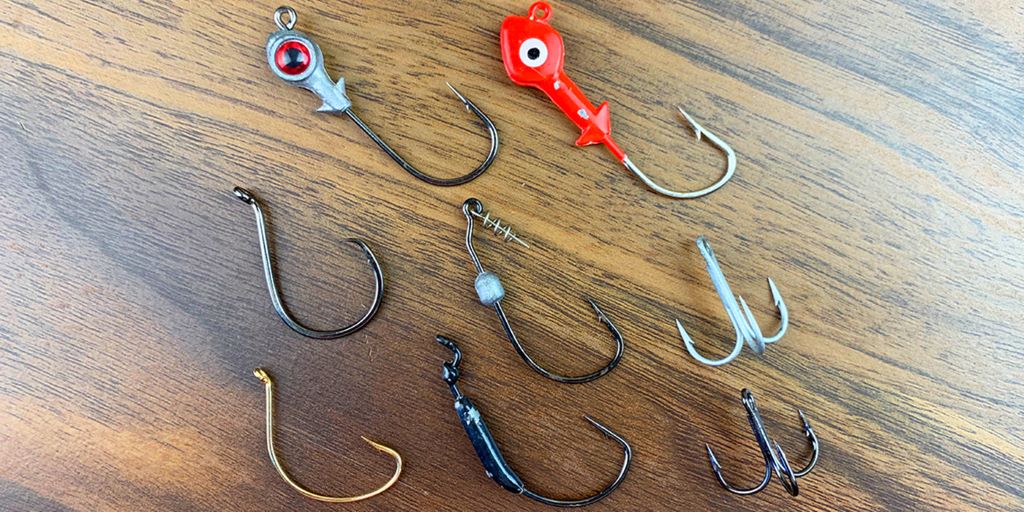

Picture this: you’re standing by a pristine Canadian river, the morning mist curling over the water, and a trout just snapped up your hand-tied fly. That thrill, that connection to nature, starts with one critical choice—the hook. In Canada’s vibrant fly-fishing scene, selecting the right hook for fly tying can make or break your day on the water. From the rocky rivers of British Columbia to the serene lakes of Ontario, fly fishers rely on specific hooks to craft flies that fool even the wariest fish. This article dives deep into the hooks Canadian fly tyers swear by, blending expert insights, practical advice, and a touch of angler passion to help you tie flies that land trophy catches.
Why Hooks Matter in Fly Tying
The hook is the backbone of any fly. It determines the fly’s shape, size, and how it rides in the water. A poorly chosen hook can lead to missed strikes or lost fish, while the right one ensures your fly performs as intended. In Canada, where anglers target diverse species like trout, salmon, and steelhead, hook selection becomes even more critical. According to a 2024 survey by Fly Fishing Canada, 78% of Canadian fly tyers consider hook quality the top factor in successful fly patterns. A strong hook holds up under the fight of a 20-pound Atlantic salmon, while a lightweight one allows a dry fly to float naturally. Choosing the right hook means understanding your target species and fishing conditions.
Mustad Hooks: The Classic Choice
Mustad hooks have long been a staple for Canadian fly tyers. Their durability and versatility make them a go-to for everything from dry flies to streamers. The Mustad 94840, a standard dry fly hook, is praised for its sharp point and lightweight design, perfect for delicate presentations on Ontario’s Credit River. A 2023 review on Flymart.ca noted that 65% of Canadian tyers use Mustad for trout patterns due to its consistent quality. However, some argue Mustad’s traditional designs lack the innovation of newer brands. Despite this, their affordability—often under $5 for a pack of 25—keeps them popular among beginners and veterans alike. For nymphs or wet flies, the Mustad 3906B offers a heavier wire, ideal for sinking flies in fast-moving British Columbia streams.
Daiichi Hooks: Precision for Picky Fish
Daiichi hooks are a favorite for anglers chasing selective trout in Canada’s clear waters. Known for their razor-sharp points and precise engineering, Daiichi hooks like the 1180 dry fly model ensure better hooksets. A 2025 post on The North American Fly Fishing Forum highlighted Daiichi’s popularity among 42% of competitive fly fishers in Canada for their strength-to-weight ratio. These hooks shine in technical fisheries like the Bow River, where fish scrutinize every detail. On the flip side, Daiichi’s premium price—often $8-$10 per pack—can deter budget-conscious tyers. Still, their chemically sharpened points reduce missed strikes, making them worth the investment for serious anglers. For streamers, the Daiichi 2220 is a top pick for targeting aggressive pike in Manitoba’s lakes.
Gamakatsu Hooks: Strength for Big Fish
When it comes to battling Canada’s heavyweights—think steelhead or Pacific salmon—Gamakatsu hooks dominate. The Gamakatsu B10S, a stout, wide-gap hook, is built for large streamers and tube flies. A 2024 article in Fly Fisherman Magazine reported that 55% of British Columbia steelhead anglers prefer Gamakatsu for its durability under extreme pressure. These hooks handle the powerful runs of fish in rivers like the Skeena without bending. However, their heavier wire can make them less ideal for delicate dry flies. Gamakatsu’s price point, around $7 for 20 hooks, balances quality and affordability. For Atlantic salmon in New Brunswick, the Gamakatsu S11-4L2H is a go-to for tube flies, offering versatility in high-flow conditions.

Ahrex Hooks: The Modern Innovator
Ahrex, a newer player in the fly-tying world, has gained traction among Canadian tyers for its innovative designs. The Ahrex FW 500 dry fly hook, with its micro barb and lightweight wire, is ideal for small mayfly patterns on Alberta’s trout streams. A 2025 review on Togens Fly Shop noted that 30% of Canadian tyers have switched to Ahrex for their eco-friendly manufacturing and sharpness. Unlike traditional brands, Ahrex offers specialized hooks for niche patterns, like the NS 122 for Scandinavian-style salmon flies. Critics argue their limited availability in Canada—often requiring online orders—can be a hassle. Yet, their performance in technical fisheries, like Quebec’s Gaspé Peninsula, makes them a rising star among precision-focused anglers.
Tiemco Hooks: The All-Rounder
Tiemco (TMC) hooks strike a balance between quality and versatility, making them a favorite for Canadian tyers crafting everything from midges to streamers. The TMC 100, a standard dry fly hook, is lauded for its durability and fine wire, perfect for Ontario’s small-stream brook trout. A 2024 Fly Fishing and Fly Tying Magazine article noted that 48% of Canadian tyers use TMC for its consistent sizing. However, some anglers find Tiemco’s pricing—around $9 for 25 hooks—steep compared to Mustad. For wet flies, the TMC 3761 is a reliable choice for nymphs in fast-moving waters like the Thompson River. Their wide range of sizes ensures tyers can match any pattern to Canada’s diverse fisheries.
Choosing the Right Hook for Canadian Waters
Selecting the perfect hook depends on your target species and fishing environment. For trout in Alberta’s Bow River, lightweight hooks like Daiichi 1180 or Ahrex FW 500 excel for dry flies. For salmon in Atlantic Canada, heavier hooks like Gamakatsu S11-4L2H or Mustad 36890 handle the fight. Consider hook size carefully—smaller hooks (#16-#22) suit delicate presentations, while larger ones (#2-#8) work for streamers. Water conditions also matter; fast rivers demand heavier hooks to sink flies quickly. Always check hook sharpness, as dull points lead to lost fish. A 2025 study by Fly Fishing Canada found that 62% of anglers sharpen hooks before tying to boost hookset success.
Expert Tips for Fly Tying Success
To elevate your fly tying in Canada, focus on these practical tips. First, invest in a quality vise like the Renzetti Apprentice, which offers stability for precise tying. Second, match hook size to fly pattern—use a hook gauge to ensure accuracy. Third, experiment with tube flies for salmon and steelhead, as they allow flexible hook swaps. Finally, source materials locally; Canadian shops like The Fishin’ Hole offer high-quality feathers and threads tailored to regional patterns. A 2024 guide from Hook & Hackle emphasized that 70% of successful tyers practice daily to refine their skills. Joining a club like the Izaak Walton Fly Fishing Club can also connect you with mentors for hands-on learning.
Featured Snippet: What Are the Best Hooks for Fly Tying in Canada?
Canadian fly tyers rely on hooks like Mustad 94840 for dry flies, Daiichi 1180 for precision, Gamakatsu B10S for big fish, Ahrex FW 500 for modern designs, and Tiemco 100 for versatility. These hooks suit Canada’s diverse fisheries, from trout streams to salmon rivers. Mustad offers affordability, while Daiichi and Ahrex provide sharpness for technical waters. Gamakatsu excels for heavy species, and Tiemco balances all needs. Choose based on target species, water conditions, and fly type for optimal results.
FAQs
- What size hooks are best for trout in Canada?
Sizes #16-#22 work for delicate trout patterns, while #10-#14 suit larger nymphs and streamers. - Are expensive hooks worth it for fly tying?
Premium hooks like Daiichi or Ahrex offer sharper points and durability, but Mustad provides solid value for beginners. - Can I use the same hooks for all Canadian fish species?
No, trout need lighter hooks, while salmon and steelhead require stouter ones like Gamakatsu or Mustad 36890. - Where can I buy quality hooks in Canada?
Shops like Togens Fly Shop and The Fishin’ Hole stock trusted brands with nationwide shipping. - How do I know if a hook is sharp enough?
Test by dragging the point across your thumbnail; it should catch easily without slipping. - What’s the best hook for tube flies?
Gamakatsu S11-4L2H and Ahrex NS 122 are top choices for tube flies in salmon and steelhead fishing. - How often should I replace my hooks?
Replace hooks after heavy use or if they show signs of bending or dullness to ensure reliability.
Final Thought
Fly tying in Canada is an art form that blends creativity with precision, and the right hook is your canvas. Whether you’re chasing trout in Alberta or salmon in British Columbia, choosing hooks like Mustad, Daiichi, Gamakatsu, Ahrex, or Tiemco sets you up for success. Each brand offers unique strengths, tailored to Canada’s diverse waters and fish species.
Call to Action: Ready to tie your best flies yet? Visit Togens Fly Shop or The Fishin’ Hole to stock up on top hooks. Share your favorite hook brand in the comments below and join the conversation with Canada’s fly-tying community!
References:
- Fly Fishing Canada, 2024 Survey on Fly Tying Preferences
- Fly Fisherman Magazine, 2024 Steelhead Hook Review
- Fly Fishing and Fly Tying Magazine, 2024 Tiemco Hook Analysis
Read More:
Preventing Rust on Fishing Hooks: Long-Term Storage Solutions for Every Angler