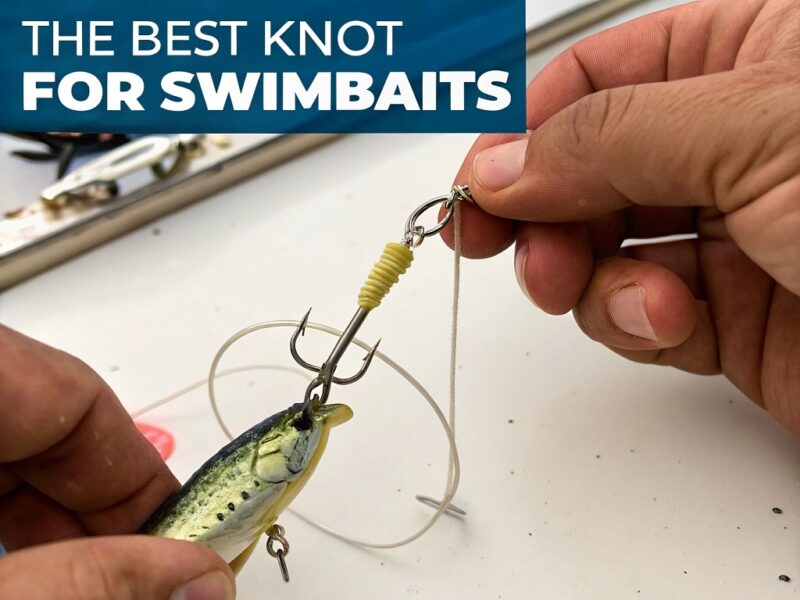
Choosing the best knot for swimbaits can dramatically impact your fishing success. A poorly tied knot can lead to lost lures and missed opportunities, while a strong, reliable knot ensures your swimbait performs optimally, enticing those trophy fish. This article will guide you through the most effective knots, providing step-by-step instructions and tips to maximize your efficiency on the water.
Why Knot Selection Matters for Swimbaits
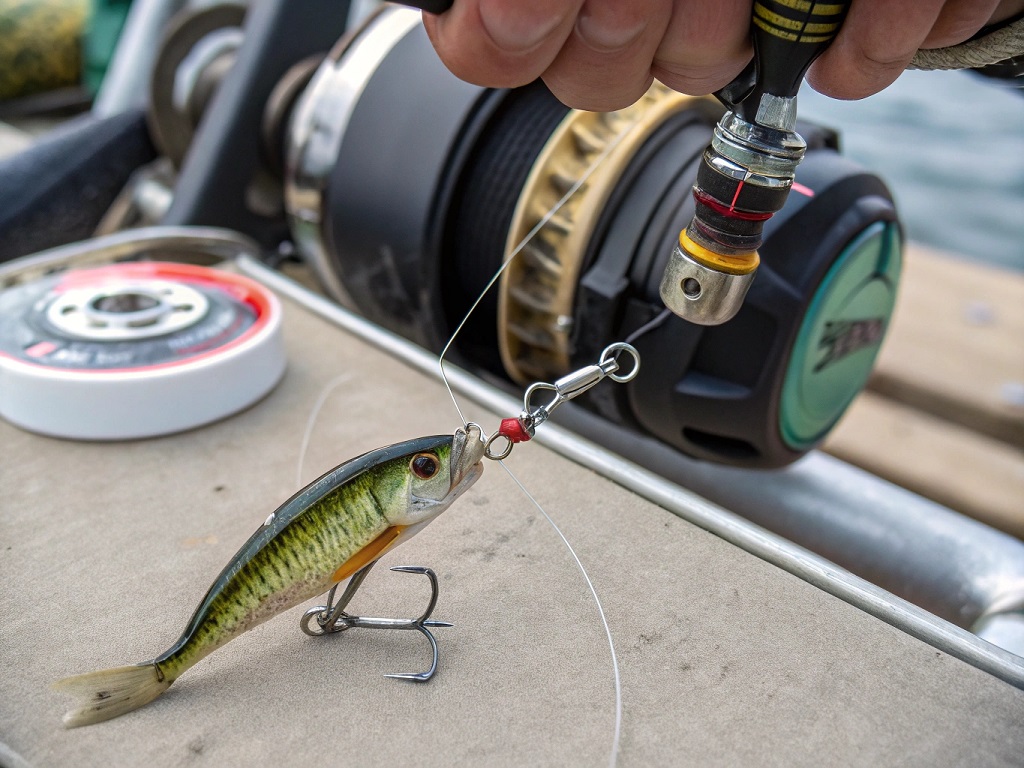
Swimbaits, known for their realistic swimming action, often require a direct connection to the line for optimal performance. Different knots offer varying degrees of strength, flexibility, and presentation. Selecting the right knot ensures your swimbait moves naturally and resists slippage during intense fights.
- Line Strength Preservation: Some knots weaken the line more than others.
- Action and Presentation: A proper knot allows the swimbait to move freely.
- Knot Slippage Prevention: Critical for landing big fish.
Top Knot Choices for Swimbait Fishing
Several knots are considered top contenders for swimbait applications. Each has unique strengths and weaknesses, making them suitable for different fishing scenarios. Let’s delve into the most reliable options.
The Improved Clinch Knot: A Versatile Option
The improved clinch knot is a popular choice due to its simplicity and strength. It’s relatively easy to tie and provides a secure connection for various swimbait sizes.
- Pass the line through the eye of the swimbait.
- Double back and wrap the line around itself 5-7 times.
- Pass the tag end through the first loop, then through the big loop created.
- Moisten the knot and tighten it securely.
- Trim the excess line.
This knot is a good all-arounder, but may not be the absolute strongest for very heavy swimbaits.
The Palomar Knot: Superior Strength and Reliability
For anglers targeting larger fish or using heavier swimbaits, the Palomar knot is often considered the best knot for swimbaits due to its exceptional strength. It maintains nearly 100% of the line’s breaking strength.
- Double the line and pass it through the eye of the swimbait.
- Tie an overhand knot with the doubled line.
- Pass the loop end over the swimbait.
- Moisten and tighten the knot by pulling on both tag ends.
- Trim the excess line.
The Palomar knot’s double line construction provides added security, reducing the risk of knot failure.
The Snell Knot: Enhancing Hook Presentation
The Snell knot is particularly useful for swimbaits rigged with single hooks or when you desire a more direct hook set. It aligns the hook perfectly with the line, improving hook penetration.
- Pass the line through the eye of the hook and run it parallel to the shank.
- Wrap the line around the shank and the parallel line multiple times.
- Pass the tag end through the loop near the eye.
- Moisten and tighten the knot.
- Trim the excess line.
This knot enhances hook presentation, ensuring the swimbait tracks straight and the hook sets efficiently.
The Double Uni Knot: Joining Line and Leader
When using a leader with your swimbait, the Double Uni knot is ideal for creating a strong and streamlined connection. It minimizes line twist and maintains a low profile.
- Overlap the tag ends of the main line and leader.
- Wrap the main line around the leader 5-7 times.
- Wrap the leader around the main line 5-7 times.
- Pull both lines to tighten the knot.
- Trim the excess line.
This knot is versatile and reliable for joining lines of different diameters.
Factors to Consider When Choosing a Knot
Selecting the best knot for swimbaits involves considering several factors to ensure optimal performance.
- Swimbait Size and Weight: Heavier swimbaits require stronger knots.
- Line Type and Strength: Braid, fluorocarbon, and monofilament have different knot requirements.
- Fishing Conditions: Heavy cover or strong currents may necessitate a more robust knot.
- Hook Style: Single hooks, treble hooks, and hook size influences knot selection.
Knot Tying Tips for Maximum Efficiency
To maximize efficiency and ensure your knots hold under pressure, consider these tips.
- Moisten the Knot: Lubricating the knot before tightening reduces friction and maintains line strength.
- Practice Regularly: Consistent practice improves knot-tying speed and accuracy.
- Check Your Knots: Inspect knots periodically for signs of wear or damage.
- Use Quality Line: High-quality line enhances knot strength and performance.
Comparative Table: Knot Strengths and Applications
| Knot Name | Strength | Application | Pros | Cons |
| Improved Clinch | Moderate | General swimbait fishing | Easy to tie, versatile | May slip under heavy pressure |
| Palomar | High | Heavy swimbaits, large fish | Strongest, reliable | Slightly bulkier |
| Snell | Moderate to High | Single hook rigs, enhanced hook sets | Improves hook presentation | Requires practice to tie correctly |
| Double Uni | High | Joining line and leader | Streamlined, strong connection | Requires precision for tight joins |
Optimizing Swimbait Performance with the Right Knot
Using the correct knot is crucial for optimizing swimbait performance. It ensures the lure tracks correctly, maintains its natural action, and provides a secure connection during hook sets.
- Natural Action: A well-tied knot allows the swimbait to move freely.
- Direct Hook Sets: Proper knot placement ensures efficient hook penetration.
- Reduced Line Twist: Certain knots minimize line twist, enhancing lure presentation.
Read More Also: Best Knot for Spinnerbaits: The Right Technique for Hooking More Fish
Conclusion: Mastering Your Knot for Swimbait Success
Selecting and tying the best knot for swimbaits is a critical skill for any angler. By understanding the strengths and weaknesses of different knots and applying practical tips, you can significantly improve your fishing success. Remember that practice makes perfect, and consistent knot tying leads to confidence on the water.
Ready to elevate your swimbait fishing game? Practice these knots, experiment with different applications, and watch your catch rate soar. Don’t let a weak knot cost you that trophy fish! Get out there and put these techniques to the test!