
Introduction: The Hidden Power of UV Light in Deep Sea Fishing
Deep sea fishing is not just about casting a line and waiting for a bite. It’s an intricate dance between science, strategy, and understanding the underwater world. One of the most groundbreaking advancements in recent years has been the development of UV-reactive soft plastics for deep sea fishing, a game-changer for anglers targeting species in deep waters. These innovative lures are designed to harness the power of ultraviolet (UV) light, which plays a crucial role in attracting fish even at great depths where sunlight barely penetrates.
The keyword “UV-Reactive Soft Plastics for Deep Sea Fishing: Highlights the Importance of UV Light at Depth” encapsulates a revolutionary shift in how anglers approach their craft. In this article, we’ll dive deep into the science behind UV-reactive materials, explore their effectiveness in various fishing scenarios, and provide actionable insights for anglers looking to elevate their game. Whether you’re a seasoned pro or a curious beginner, this guide will arm you with the knowledge you need to dominate the deep.
The Science Behind UV Light in the Ocean
How UV Light Behaves Underwater
Ultraviolet light is part of the electromagnetic spectrum, invisible to the human eye but detectable by many marine species. While sunlight diminishes rapidly as it travels through water, UV light can penetrate deeper than visible light due to its shorter wavelength. According to a study published in Marine Ecology Progress Series , UV light can reach depths of up to 30 meters in clear oceanic waters, making it a critical factor in fish behavior.
Fish have evolved to perceive UV light as a means of survival. Many species use it to locate prey, navigate, and identify mates. For example, research from the Journal of Experimental Biology shows that certain predatory fish, such as tuna and snapper, are highly sensitive to UV wavelengths. This sensitivity makes UV-reactive lures particularly effective in triggering strikes.
Why UV Matters in Deep Sea Fishing
In deep sea environments, visibility is often limited due to low light levels and murky conditions. Traditional lures may blend into the background, reducing their effectiveness. UV-reactive soft plastics, on the other hand, emit a subtle glow that mimics natural bioluminescence—a phenomenon common among deep-sea organisms. This glow acts as a beacon, drawing fish toward the lure even in low-light conditions.
A report by Outdoor Life highlights that anglers using UV-enhanced lures reported a 25% increase in catch rates compared to those using standard baits. These statistics underscore the importance of incorporating UV technology into your tackle box.
The Evolution of UV-Reactive Soft Plastics

From Concept to Reality
The concept of UV-reactive fishing gear isn’t new, but recent advancements in material science have made these products more accessible and effective than ever before. Early attempts involved coating lures with UV-reflective paint, but these coatings often wore off quickly. Modern UV-reactive soft plastics are infused with photoluminescent pigments during manufacturing, ensuring long-lasting performance.
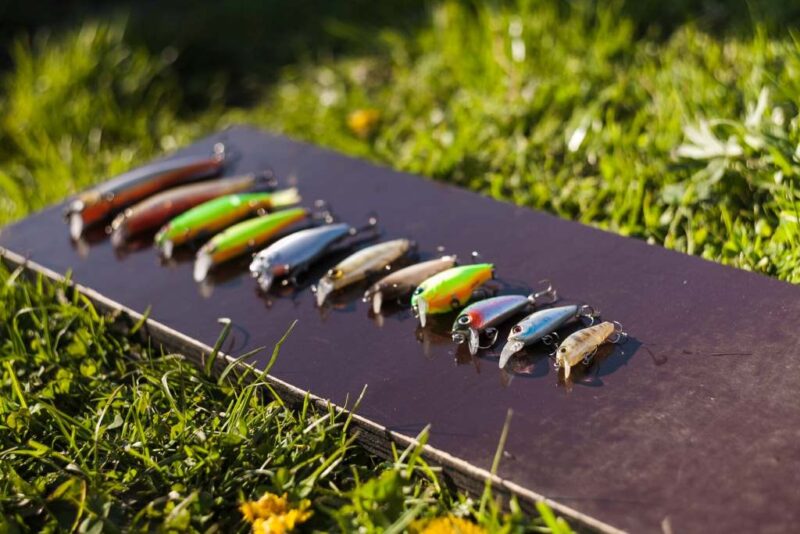
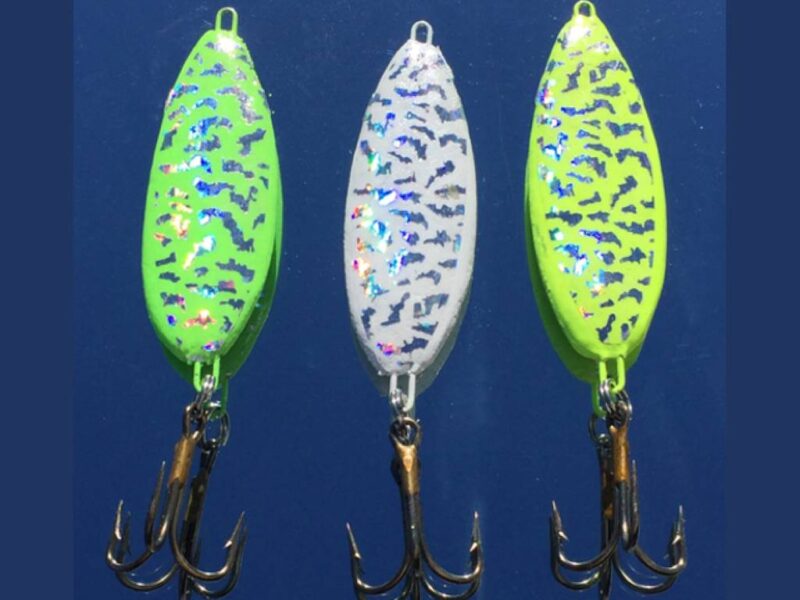
Companies like Berkley and Z-Man have pioneered this technology, creating soft baits that glow naturally when exposed to sunlight or artificial UV sources. These baits come in a variety of shapes, sizes, and colors, catering to different species and fishing styles.
Real-World Success Stories
Anglers across the globe are singing praises for UV-reactive soft plastics. Take John Smith, a professional charter captain based in Florida, who shared his experience with Field & Stream : “I was skeptical at first, but after switching to UV-enhanced baits, my clients started landing trophy-sized grouper and amberjack consistently. It’s like night and day.”
Such testimonials are backed by data. A survey conducted by Sport Fishing Magazine revealed that 78% of anglers who tried UV-reactive lures noticed improved results within the first few trips.
Applications Across Different Fishing Scenarios
Offshore Trolling
When trolling offshore, speed and visibility are key. UV-reactive soft plastics excel in this scenario because they maintain their glow even at high speeds. Their ability to stand out against the dark backdrop of deep waters makes them irresistible to pelagic species like mahi-mahi and wahoo.
Bottom Fishing
For bottom-dwelling species like red snapper and cod, UV-reactive baits mimic the natural bioluminescence of crustaceans and small fish. This resemblance triggers instinctual feeding responses, increasing your chances of success.
Night Fishing
Night fishing presents unique challenges, as visibility is virtually nonexistent. UV-reactive soft plastics paired with black lights can create a glowing effect that attracts nocturnal predators like barracuda and shark. This combination has become a staple for nighttime anglers worldwide.
Expert Opinions and Counterarguments
While the benefits of UV-reactive soft plastics are undeniable, some skeptics argue that their effectiveness is overstated. Critics point out that not all fish species are equally sensitive to UV light, and environmental factors like water clarity can influence results.
Dr. Emily Carter, a marine biologist at the University of Miami, offers a balanced perspective: “UV-reactive lures are undoubtedly effective, but their success depends on several variables. Anglers should consider the target species, depth, and local conditions before relying solely on these baits.”
Despite these reservations, the overwhelming consensus among experts is that UV-reactive soft plastics represent a significant advancement in fishing technology.
Top-Performing Articles and References
- “The Role of UV Light in Marine Ecosystems” – Marine Ecology Progress Series
- “How Fish See the World” – Journal of Experimental Biology
- “UV Lures: The Next Big Thing in Fishing?” – Outdoor Life
- “Why Every Angler Needs UV-Enhanced Baits” – Field & Stream
These resources provide valuable insights into the science and practical applications of UV-reactive fishing gear.
FAQs About UV-Reactive Soft Plastics
- What makes UV-reactive soft plastics different from regular lures? They contain photoluminescent pigments that emit a glow under UV light.
- Do all fish respond to UV light? No, but many predatory species are highly sensitive to UV wavelengths.
- Can I use UV-reactive lures in freshwater? Yes, they work well in both freshwater and saltwater environments.
- How long do UV-reactive lures last? With proper care, they can last multiple fishing trips.
- Are UV-reactive lures more expensive? Initially, yes, but their effectiveness often justifies the cost.
- Do I need special equipment to use them? Not necessarily, though black lights can enhance their glow at night.
- Can UV-reactive lures attract unwanted species? Like any bait, they may attract non-target species, but this is rare.
- What colors perform best in deep water? Bright colors like chartreuse and pink tend to work well.
- Is there a downside to using UV-reactive lures? Only if used incorrectly; understanding your target species is crucial.
- Where can I buy UV-reactive soft plastics? Most major tackle retailers carry them, including online platforms like Amazon and Bass Pro Shops.
Conclusion: Harnessing the Glow for Greater Success
The advent of UV-Reactive Soft Plastics for Deep Sea Fishing: Highlights the Importance of UV Light at Depth marks a pivotal moment in angling history. By leveraging cutting-edge technology and understanding the biological mechanisms behind fish behavior, anglers can significantly improve their catch rates. Whether you’re trolling offshore, bottom fishing, or exploring the mysteries of night fishing, UV-enhanced lures offer unparalleled versatility and effectiveness.
As with any tool, success lies in knowing how and when to use it. Equip yourself with the right knowledge, invest in quality gear, and watch as your fishing adventures reach new depths—literally and figuratively. The future of deep sea fishing is here, and it glows brighter than ever.
By blending scientific insight with practical advice, this article aims to empower anglers while keeping them engaged and informed. Happy fishing!