
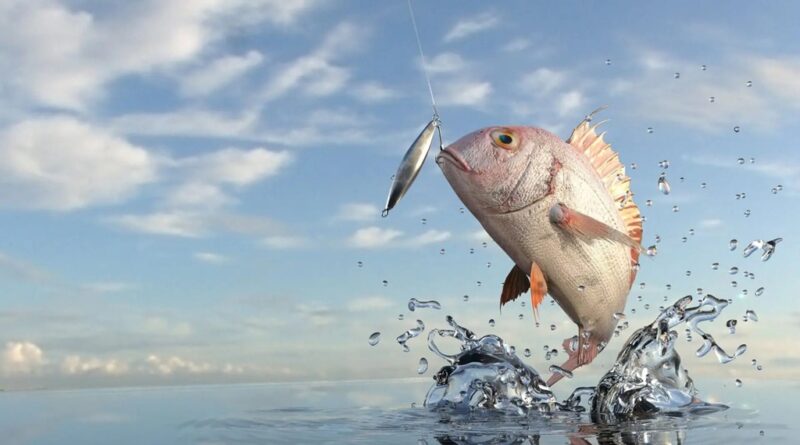
The ocean, with its vastness and incredible diversity of life, offers some of the most exhilarating fishing experiences imaginable. But unlike the serene waters of a freshwater lake, saltwater environments demand a different breed of tackle. The corrosive power of salt, the sheer strength of oceanic predators, and the diverse techniques required mean that choosing the right gear is paramount to your success and enjoyment.
This comprehensive guide will equip you with the knowledge to navigate the vast world of saltwater fishing tackle, ensuring you make informed decisions whether you’re a seasoned angler or just dipping your toes into the salty spray.
The Foundation: Understanding Your Fishing Environment and Target Species
Before you even think about specific rods or reels, the most crucial step is to define your fishing goals. Saltwater fishing encompasses a wide spectrum of environments and species, each requiring tailored equipment.
- Inshore Fishing: This typically involves fishing in calmer waters like bays, estuaries, flats, and along coastlines. Target species often include redfish, snook, speckled trout, flounder, and smaller snapper. Gear here prioritizes casting accuracy, sensitivity for subtle bites, and lighter presentations.
- Nearshore Fishing: As you venture a bit further out, but still within sight of land, you’ll encounter species like kingfish, tarpon, mahi-mahi (dolphin), and cobia. This demands a step up in power and line capacity to handle stronger runs and larger fish.
- Offshore/Deep Sea Fishing: This is where the true giants roam – tuna, marlin, swordfish, large grouper, and amberjack. Here, heavy-duty tackle with immense strength, line capacity, and drag power is non-negotiable.
- Surf Fishing: Casting from the beach requires specialized rods designed for long-distance casting and reels that can withstand the abrasive nature of sand and waves.
- Bottom Fishing: Whether inshore or offshore, targeting species that live on the seabed (like snapper and grouper) often means using shorter, powerful rods for leverage and heavier sinkers to reach the bottom.
- Fly Fishing: A highly specialized and rewarding discipline, saltwater fly fishing targets species like bonefish, permit, and tarpon, requiring dedicated fly rods, reels, and lines.
Once you have a clear picture of where you’ll be fishing and what you’ll be targeting, you can begin to make precise gear selections.
Rods: The Backbone of Your Setup
A fishing rod is more than just a stick; it’s a finely tuned instrument that transmits bites, enables casting, and helps you fight fish.
-
Material:
- Graphite: Lightweight and highly sensitive, graphite rods are excellent for detecting subtle bites and offer superior casting distance. They are ideal for inshore and light to medium nearshore applications where sensitivity is key. However, they can be more brittle than fiberglass and prone to breakage under extreme stress.
- Fiberglass: Known for their durability and flexibility, fiberglass rods are less sensitive but more forgiving. They are a good choice for beginners or for applications where brute strength is needed, such as heavy bottom fishing or trolling.
- Composite: Combining fiberglass and graphite, composite rods offer a balance of sensitivity, durability, and flexibility, making them versatile for various saltwater conditions.
-
Length:
- Short Rods (under 6 feet): Provide excellent leverage and control for fighting large, powerful fish, especially from a boat where casting distance isn’t the primary concern. Ideal for bottom fishing or heavy-duty offshore work.
- Medium Rods (6 to 8 feet): The most versatile length, suitable for a wide range of saltwater fishing. They offer a good balance of casting distance, accuracy, and fighting power.
- Long Rods (over 8 feet): Primarily used for surf casting, providing the necessary leverage to launch baits and lures long distances.
- Power (Action/Weight Rating): This refers to the rod’s lifting strength or how much pressure it can exert on a fish. It’s often labeled as Light, Medium-Light, Medium, Medium-Heavy, Heavy, or Extra-Heavy.
- Light/Medium-Light: For smaller inshore species like speckled trout or smaller snapper. Offers maximum sensitivity for light bites.
- Medium/Medium-Heavy: Versatile for a wide range of inshore and nearshore species like redfish, snook, smaller kingfish, and mahi-mahi.
- Heavy/Extra-Heavy: Essential for offshore giants like tuna, marlin, and large grouper, providing the brute force needed to turn powerful fish.
- Action: Describes where the rod bends when pressure is applied.
- Fast Action: Bends mostly in the tip, offering high sensitivity and quick hook sets. Great for detecting subtle bites and precise lure presentations.
- Moderate Action: Bends in the upper half, providing a good balance of sensitivity and casting distance.
- Slow Action: Bends throughout the entire rod, offering maximum casting distance for lighter baits and a softer presentation. Ideal for delicate live bait fishing.
- Guides: Look for guides made of corrosion-resistant materials like stainless steel or ceramic, especially if you’re using braided line, which can abrade lesser materials.
Pro Tip: Rods often have a suggested line rating and lure weight range printed on them. Aim for the middle of this range for optimal performance.
Reels: The Engine of Your Angling Effort
The reel is your primary tool for retrieving line, fighting fish, and managing your tackle. Saltwater reels must be built to withstand the corrosive environment and the immense forces exerted by strong fish.
-
Types of Reels:
- Spinning Reels: Versatile and user-friendly, spinning reels are excellent for casting lighter baits and lures, making them popular for inshore and light-to-medium nearshore applications. They are easy to learn and less prone to backlashes than baitcasting reels. Look for models with sealed drag systems and corrosion-resistant components.
- Baitcasting Reels (Conventional Reels): Offer superior power, line capacity, and drag strength, making them ideal for heavier applications like trolling, bottom fishing, and targeting large offshore species. They require more skill to cast but provide excellent control during a fight.
- Surf Reels: Specialized spinning or conventional reels designed for long-distance casting and handling heavy lines and baits in harsh surf conditions. They often have larger spools and robust drag systems.
- Fly Reels: Specifically designed for fly fishing, they primarily store fly line and provide a smooth drag system to control running fish.
-
Drag System:
This is arguably the most critical component of a saltwater reel. A smooth, consistent, and powerful drag prevents your line from breaking and helps tire out the fish. Look for carbon fiber or sealed drag systems for optimal performance and longevity in saltwater.
-
Gear Ratio:
Indicates how many times the spool rotates with one turn of the handle.
- High Gear Ratio (e.g., 6.0:1 and higher): Faster retrieve, ideal for quickly reeling in slack line or working fast-moving lures.
- Low Gear Ratio (e.g., 4.0:1 or lower): More powerful retrieve, better for battling large, stubborn fish or cranking in heavy baits.
-
Line Capacity:
Ensure the reel can hold enough of your chosen line weight to handle the potential runs of your target species.
-
Construction:
Saltwater reels should be built with corrosion-resistant materials like anodized aluminum, stainless steel, and high-quality plastics. Sealed bearings and drag systems are highly recommended to prevent saltwater intrusion.
Fishing Line: The Unseen Connection
Your fishing line is the direct link between you and the fish. Choosing the right type and strength is crucial for success.
- Monofilament (Mono):
- Pros: Affordable, good knot strength, stretchy (acts as a shock absorber), easy to cast, visible in the water.
- Cons: Less sensitive than braid or fluorocarbon, absorbs water, can degrade with UV exposure, larger diameter for a given strength.
- Best Use: All-around line for many saltwater applications, especially for trolling, live baiting, and where stretch is desirable to prevent hook pulls.
- Braided Line (Braid):
- Pros: Extremely strong for its diameter, virtually no stretch (excellent sensitivity and hook sets), casts incredibly far, highly abrasion resistant.
- Cons: Can be more expensive, less forgiving (no stretch means more direct pressure on knots and tackle), can be difficult to cut, highly visible to fish (often requires a fluorocarbon leader).
- Best Use: Ideal for applications requiring maximum sensitivity (jigging, soft plastics), long casts, or when fishing around heavy structure.
- Fluorocarbon (Fluoro):
- Pros: Nearly invisible underwater (refractive index similar to water), highly abrasion resistant, good sensitivity, sinks quickly.
- Cons: Less knot strength than mono or braid, stiffer, more expensive.
- Best Use: Primarily used as leader material due to its invisibility and abrasion resistance. Can also be used as a main line in very clear water or for specific techniques.
- Wire Leader: Essential for toothy species like sharks, king mackerel, and wahoo to prevent bite-offs. Available in single strand or braided wire.
Line Strength (Pound Test): Match the line strength to your target species and fishing conditions. For inshore, 10-30lb braid is common. For offshore, 50lb+ braid or mono is typical.
Hooks & Terminal Tackle: The Business End
Terminal tackle refers to all the components attached to the end of your fishing line, including hooks, swivels, sinkers, and leaders.
- Hooks:
- Circle Hooks: Designed to hook fish in the corner of the mouth, reducing gut-hooking and improving catch-and-release survival rates. Often mandatory for certain species.
- J-Hooks: Traditional hooks, versatile for various baits and lures.
- Treble Hooks: Commonly found on artificial lures, offering multiple points of contact.
- Hook Size: Varies greatly depending on bait size and target species.
- Material: Look for corrosion-resistant materials like stainless steel or high-carbon steel with protective coatings.
- Sinkers (Weights): Used to get your bait or lure to the desired depth. Various shapes and weights are available, chosen based on current, depth, and presentation.
- Swivels: Prevent line twist, especially when trolling or using spinning lures. Barrel swivels are basic, while ball bearing swivels offer smoother rotation for demanding applications.
- Leaders: A short section of heavier line (often fluorocarbon or wire) tied between your main line and the hook/lure. It provides abrasion resistance, invisibility, and protects your main line from sharp teeth or rough structure.
- Snaps: Allow for quick changes of lures or rigs.
Related: Cracking the Code: Choosing the Best Lures for Crystal Clear Water Success
Lures & Baits: Enticing the Bite
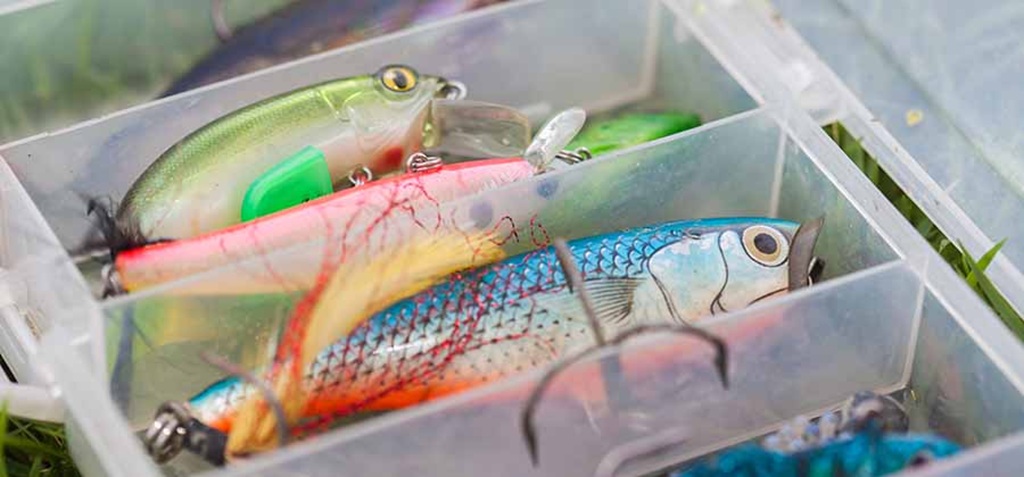
The choice of lure or bait depends entirely on your target species and their feeding habits.
- Live Bait: Often the most effective for a wide range of saltwater species. Common live baits include mullet, pilchards, shrimp, crabs, and pinfish.
- Natural Bait (Cut Bait): Portions of fish or squid, effective for bottom fishing or attracting scent-driven predators.
- Artificial Lures:
- Jigs: Versatile, mimicking various prey. Bucktail jigs, soft plastic jigs, and vertical jigs are popular.
- Plugs/Hard Baits: Mimic baitfish, come in various designs (topwater, diving, suspending).
- Soft Plastics: Mimic worms, shrimp, and baitfish. Highly versatile and often scented.
- Spoons: Metal lures that flutter and flash to imitate wounded baitfish.
- Poppers/Chuggers: Topwater lures that create surface commotion to attract strikes.
- Trolling Lures: Designed to be pulled behind a moving boat to attract pelagic species.
Local Knowledge is Key: The best lures and baits often vary by region and season. Consult local tackle shops or experienced anglers for up-to-date recommendations.
Essential Accessories: Don’t Leave Home Without Them!
Beyond the core tackle, several accessories are crucial for a successful and safe saltwater fishing trip.
- Pliers/Scissors: Long-nose pliers are invaluable for hook removal and manipulating terminal tackle. Braid scissors are essential for cutting braided line cleanly.
- Nets/Gaffs: For safely landing fish, especially larger ones. Choose a net with a rubberized mesh to minimize harm to fish if practicing catch-and-release.
- Cooler: To keep your catch fresh or your bait alive.
- First Aid Kit: Accidents happen, and a basic first aid kit is a must.
- Sun Protection: Sunscreen, a wide-brimmed hat, polarized sunglasses (to reduce glare and see into the water), and UV-protective clothing are vital for prolonged sun exposure.
- Knife: For cutting bait, cleaning fish, or general utility.
- Tackle Box/Bag: To keep your gear organized and protected.
- Fishing License: Always ensure you have the necessary licenses and permits for your fishing location.
- Fish Grips/Lip Grippers: To safely handle fish, especially those with sharp teeth or spines.
Related: Top Baits for Catching Gar: The Best Options for Success
Maintenance: Extend the Life of Your Investment
Saltwater is incredibly corrosive. Proper maintenance is not an option; it’s a necessity.
- Rinse After Every Use: Thoroughly rinse your rod, reel, and any exposed tackle with fresh water after each trip to remove salt residue.
- Dry Thoroughly: Allow all your gear to air dry completely before storing.
- Lubricate Reels: Periodically apply reel oil and grease to moving parts, following the manufacturer’s recommendations.
- Inspect and Replace: Regularly check your line, hooks, and guides for wear, nicks, or corrosion. Replace as needed.
- Store Properly: Store rods upright or in rod racks, and keep reels in a dry, protected environment. Use tackle boxes for lures and terminal tackle, separating different types of soft plastics to prevent melting.
Related: The Ultimate Guide to the Best Bait Color for Muddy Water: Catch More Fish!
Conclusion: Confidence in Your Kit
Choosing the best saltwater fishing tackle is an ongoing learning process. Start by understanding your target species and fishing environment, then select a rod and reel combination that offers the appropriate power, action, and line capacity. Prioritize corrosion resistance in all your gear, and never underestimate the importance of quality line and terminal tackle.
With the right equipment and a commitment to proper maintenance, you’ll be well-prepared to tackle the challenges and embrace the exhilarating rewards of saltwater fishing. Tight lines!


