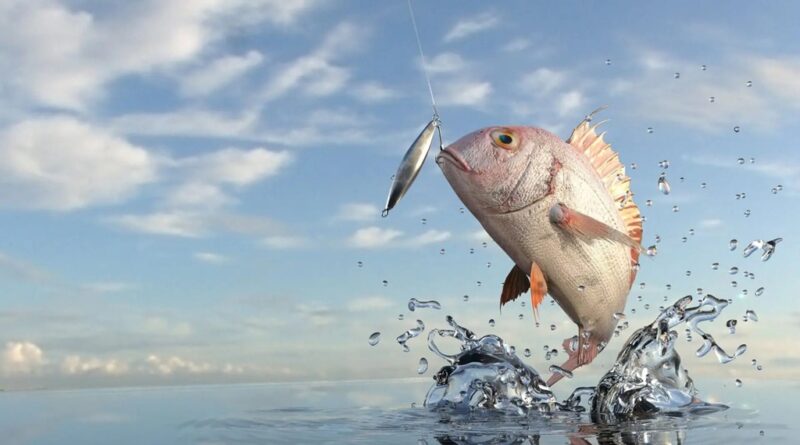
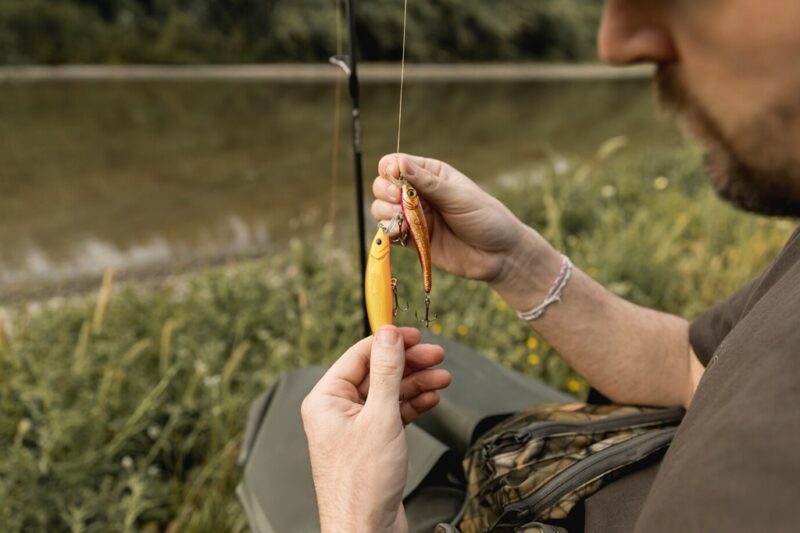
Stepping up to a body of water so clear you can count the pebbles on the bottom is a double-edged sword for any angler. On one hand, the visibility is incredible – you might spot cruising fish, identify prime structure, and witness the strike in exhilarating detail. On the other hand, if you can see them that well, you can bet your favorite fishing hat they can see you (and your presentation) just as clearly.
Clear water demands a shift in strategy, a more thoughtful approach, and a lure selection process that prioritizes realism and subtlety. Get it right, and you’ll experience some truly rewarding fishing. Get it wrong, and you might as well be casting into a swimming pool – the fish will see right through your charade. This guide dives deep into the nuances of clear water lure selection, exploring the types, colors, and presentations that consistently fool wary fish when visibility is high.
Why Your Lure Choice is Magnified in Clear Water
Fish living in clear water environments rely heavily on their eyesight for survival – both for finding food and avoiding becoming food themselves. Unlike in stained or muddy water where fish depend more on vibration, sound, and scent, clear water fish scrutinize potential meals. An unnatural color, a clunky profile, unrealistic movement, or even a thick, visible fishing line can send them scattering for cover.
This heightened visual acuity means anglers need to be meticulous. Your lure isn’t just competing for attention; it’s undergoing an intense visual inspection. Does it look like the local forage? Does it move naturally? Does it trigger a feeding response or an alarm bell? In clear conditions, the line between a convincing presentation and a “danger!” signal is incredibly fine. Therefore, choosing the right lure – one that blends in, looks natural, and behaves convincingly – becomes paramount to success. It’s less about loud attraction and more about subtle deception.
Core Principles: The Clear Water Lure Selection Playbook
Before diving into specific lure types, let’s establish the fundamental principles that guide successful lure selection in clear water:
-
Natural Colors are King:
This is perhaps the most crucial rule. Because fish can see so well, lures that closely mimic the natural forage base are far more effective. Think greens, browns, grays, silvers, whites, and translucent patterns. Watermelon, green pumpkin, natural shad, bluegill, perch, and crawfish patterns are staples. Avoid overly bright, flashy, or unnatural colors unless specific conditions (like overcast skies slightly reducing visibility, or mimicking a specific bright baitfish) call for them. Match the hatch! Observe the local baitfish and aquatic life and choose colors that replicate them.
-
Realistic Profiles and Details:
The shape and silhouette of your lure matter immensely. Choose lures with profiles that accurately resemble baitfish, crawfish, worms, or insects found in that specific body of water. Finer details – scale patterns, gill plates, realistic eyes, subtle appendages – can make a difference when fish get a close look.
-
Subtlety Over Flash:
While some flash can be good (mimicking scales), excessive flash or aggressive action can be counterproductive. Opt for lures with more subtle, natural actions. A gentle wiggle, a slow glide, or a lifelike darting motion is often more enticing than a wide, aggressive wobble or a high-frequency vibration in super clear conditions.
-
Downsize When Necessary:
Smaller lures often appear less threatening and more natural to wary fish. If you’re not getting bites on standard-sized baits, don’t hesitate to downsize your lure profile, line diameter, and even your weight. Finesse techniques often shine in clear water.
-
Stealth is Non-Negotiable:
This isn’t strictly about the lure itself, but it’s inseparable from clear water success. Longer casts using lighter, less visible line (like fluorocarbon), minimizing boat noise, avoiding casting shadows over target areas, and wearing clothing that blends with the background are all part of the clear water equation. Your lure choice is only effective if you can present it without spooking the fish first.
Top Lure Categories for Clear Water Conquests
Armed with these principles, let’s explore specific lure types that excel when the water is gin-clear. Remember, within each category, color, size, and action choices aligned with the core principles are key.
Soft Plastics: The Chameleons of Clear Water
Soft plastic baits are arguably the most versatile and effective category for clear water due to their lifelike feel, subtle actions, and the sheer variety of shapes and rigging options available.
-
Finesse Worms (Straight Tail & Shaky Head):
Small, natural-colored worms (4-6 inches) rigged on a shaky head jig or drop shot are deadly. Green pumpkin, watermelon red, morning dawn, and natural shad hues excel. The shaky head allows the worm to stand up enticingly on the bottom, mimicking small forage or feeding baitfish. The key is using the lightest weight possible to achieve a slow, tantalizing fall and maintain bottom contact. Threading the worm onto an exposed hook jig head (old-school jig worm style) can sometimes improve hookups in ultra-clear water compared to a traditional Texas rig.
-
Drop Shot Baits:
The drop shot rig is tailor-made for clear, deep water or targeting suspended fish. It allows you to present a small, subtle soft plastic horizontally at a specific depth, keeping it right in the fish’s face. Small minnow or worm imitations in translucent or natural colors (like white pearl with silver flake) are perfect. The ability to impart subtle action without moving the weight makes it incredibly natural.
-
Stick Baits (Senkos):
The subtle shimmy of a weightless or wacky-rigged Senko-style bait on the fall is legendary for fooling pressured and clear-water fish. Its simplicity is its strength. Natural colors like green pumpkin, watermelon, and black/blue flake (for low light or deeper water) are go-to choices. They can be Texas-rigged for weedless presentations or wacky-rigged on an exposed hook for maximum action in open water. Their versatility allows fishing shallow around cover or letting them sink into deeper zones.
-
Creature Baits and Craw Imitations:
When bass are feeding on crawfish, realistic creature baits and craw imitations rigged on a Texas rig, Carolina rig, or as a jig trailer are essential. Focus on natural colors matching the local craws – greens, browns, subtle oranges, or combinations thereof. In clear water, less is often more; opt for baits with subtle appendage action rather than wild flapping claws unless the fish are very active.
-
Finesse Swimbaits:
Smaller swimbaits (3-4 inches) rigged on light jig heads or belly-weighted hooks offer a incredibly realistic baitfish imitation. Their subtle swimming action is highly effective in clear, cool water, especially for smallmouth and spotted bass, but largemouth won’t ignore them. Match the size and color to the prevalent baitfish. Natural shad, perch, or goby patterns work wonders. A slow, steady retrieve, occasionally pausing to let the bait pendulum towards the bottom, is often the best approach.
Jigs: The Bottom Bouncers and Structure Probes
Jigs are exceptional tools for probing the bottom and dissecting cover, and finesse versions are particularly potent in clear water.
- Finesse Jigs: Smaller profile jigs (typically 1/4 to 3/8 oz) with subtle skirt colors (green pumpkin, brown, black/blue) and compact trailers (small craws or chunks) excel. They offer a realistic crawfish or bluegill imitation without the bulk of standard flipping jigs. Work them slowly around rocks, wood, docks, and weed edges.
- Hair Jigs: Especially effective in cold, clear water, marabou or bucktail jigs offer a unique, breathing action with very subtle movements. Small sizes in natural colors can trigger bites from extremely lethargic or pressured fish when other presentations fail.
Topwater Lures: Subtle Surface Seduction
While aggressive topwater baits can sometimes spook clear-water fish, subtle surface presentations can be incredibly effective, especially during low-light periods (dawn/dusk) or on overcast days.
- Walking Baits (Spooks): Baits like the Zara Spook or similar “walk-the-dog” style lures can draw explosive strikes. Choose smaller sizes and natural or translucent colors (bone, clear, natural shad). The rhythmic side-to-side action mimics a struggling baitfish. Work them near cover, points, or over submerged vegetation. The Evergreen SB 125 is noted for its slender, minnow-mimicking profile and subtle action, making it a great clear-water choice.
- Poppers: Small, subtle poppers that create minimal disturbance can be effective. Use gentle pops and long pauses. Clear or ghost patterns can be deadly, allowing the silhouette and subtle water disturbance to attract attention without appearing overly artificial.
- Soft Plastic Toads/Frogs: Rigged weedless, these can be buzzed across the surface, especially over vegetation. Natural green or brown colors work best. They offer a different sound and profile compared to hard baits.
Hard Baits: Jerkbaits and Crankbaits with Finesse
Hard baits definitely have their place, but realism and subtlety are key.
- Suspending Jerkbaits: These are superstars in clear, cool water. Their ability to dart erratically and then suspend motionless perfectly imitates a dying or stunned baitfish – an easy meal clear-water predators can’t resist. Translucent bodies, ghost patterns, and realistic shad or perch finishes are top choices. Vary your retrieve cadence – jerk, jerk, pause; jerk, pause; etc. – letting the length of the pause be dictated by water temperature and fish mood (longer pauses in colder water). The Berkley Stunna 100 in “stealth shad” is a good example of a jerkbait with natural coloring and effective suspending action.
- Crankbaits: While deep-diving, brightly colored crankbaits are often associated with stained water, subtle crankbaits work in clear conditions. Look for baits with tight wiggles rather than wide wobbles, realistic finishes (natural craw, shad, bluegill), and consider silent models or those with very subtle rattles. Shallow-running or medium-diving crankbaits in natural colors can be effective along weed lines, rock transitions, and points, especially on windy days when the surface chop breaks up visibility slightly. Natural color squarebills can work around shallow cover.
Related: Blood Knot vs Double Uni Knot: Which Connection Knot Is Best for You?
Spinnerbaits & Chatterbaits: Downsized Flash and Vibration
These reaction baits can still work, but modifications are often needed.
- Spinnerbaits: Opt for smaller sizes (1/4 or 3/8 oz) with smaller blades (double willow leaf blades offer flash with less “thump”). Nickel, silver, or gold blades provide flash. Skirt colors should be natural or translucent – white, shad patterns, or very sparse mixes. Trimming the skirt can create a smaller profile. Adding a trailer hook is often crucial as clear-water fish may slash at the bait rather than fully engulfing it. Bulging them just beneath the surface can be surprisingly effective.
- Chatterbaits (Bladed Jigs): These can be effective, but choose natural skirt colors and consider models with less intense vibration or blades that offer more flash than thump. Pair them with subtle trailers like small swimbaits. They can excel around vegetation.
Spoons: Old School Flash
Flutter spoons or jigging spoons, particularly in silver or chrome finishes, can mimic dying shad effectively. Letting them flutter down on slack or semi-slack line near suspended fish or vertical jigging them off the bottom can trigger reaction strikes, especially in deeper water.
Color Selection Nuances in Clear Water
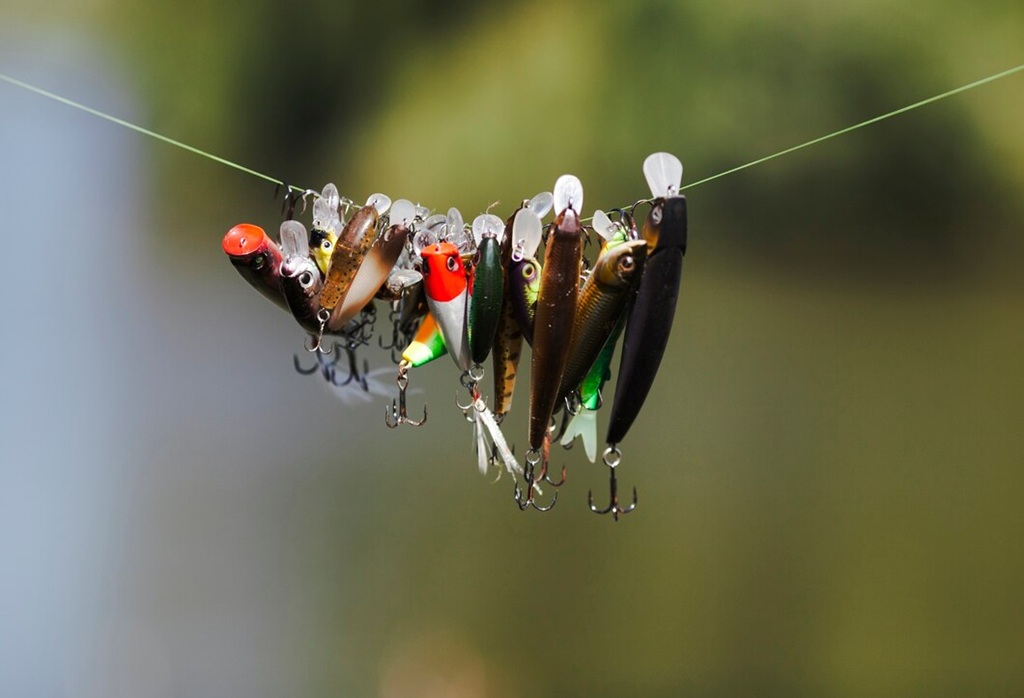
We’ve stressed natural colors, but let’s refine that:
- Match the Hatch: What are the fish eating? Shad? Bluegill? Crawfish? Perch? Yellow perch? Minnows? Choose colors and patterns that best imitate the predominant forage. Green pumpkins and watermelons mimic bluegill and vegetation dwellers. Whites and silvers mimic shad and minnows. Browns and oranges mimic crawfish.
- Light Conditions Matter:
- Sunny Days: Natural, translucent, and subtle metallic finishes (silver/gold flake) work best. The sun provides ample light for fish to see realistic details. White, natural greens/browns, and ghost patterns excel.
- Cloudy/Overcast Days: Visibility is slightly reduced. You might get away with slightly more opaque natural colors or adding a touch of chartreuse or orange as an accent (e.g., chartreuse tips on worm tails). Solid black can create a strong silhouette against an overcast sky.
- Water Depth: Colors disappear at depth, with red being the first to fade (appearing gray/black), followed by oranges and yellows. Greens and blues penetrate deepest. While you might start with a red accent shallow, it won’t appear red in deep water. Blues, greens, blacks, and whites/silvers maintain visibility better at depth.
Related: Top Baits for Catching Gar: The Best Options for Success
Line and Presentation: The Unseen Factors
Your lure choice is only half the battle; how you present it, and on what line, is equally critical in clear water.
- Fluorocarbon is Your Friend: Fluorocarbon line has nearly the same refractive index as water, making it significantly less visible to fish than monofilament or braid. Using fluorocarbon as your main line (especially on spinning gear) or as a leader (when using braid main line) is highly recommended.
- Go Lighter: Lighter pound test line is less visible and allows lures (especially finesse baits) to have a more natural action and fall rate. While 20lb line might be standard elsewhere, 6lb, 8lb, 10lb, or 12lb fluorocarbon is often necessary for clear water finesse presentations. Match line size to your lure weight and potential cover.
- Long Casts: Put distance between yourself and the fish. Longer casts reduce the chance of spooking wary bass. Spinning tackle often facilitates longer casts with lighter lures.
- Quiet Approach: Minimize noise. Use your trolling motor sparingly and on lower settings. Avoid dropping things in the boat or making loud footsteps. Shut off electronics if directly over fish.
- Sun Angle and Shadows: Be aware of your shadow. Position your boat so your shadow doesn’t fall over the area you intend to fish. Use the sun to your advantage when possible – fish looking into the sun may be less likely to spot you.
- Retrieve Speed and Cadence: Generally, slower, more deliberate retrieves work better in clear water, allowing fish time to inspect the lure. However, sometimes a faster retrieve (like burning a spinnerbait or ripping a jerkbait) can trigger a reaction strike before the fish gets too good a look. Experiment to see what the fish want on that particular day.
Advanced Considerations for the Clear Water Connoisseur
- Targeting Transition Zones: Focus on areas where bottom composition changes (rock to sand), depth changes sharply (drop-offs), or where different types of cover meet (weed edge ending near rocks). Fish often use these transitions as ambush points.
- Finesse Over Power: On high-pressure days (bright sun, calm winds), finesse techniques often outperform power fishing. Don’t be afraid to pick up the spinning rod and slowly work subtle baits.
- Observe Fish Behavior: If you can see fish, watch how they react to your lure. Are they following but not committing? Try changing color, size, or retrieve speed. Are they spooking? You might need lighter line, a longer cast, or a more subtle bait.
Related: The Ultimate Guide to the Best Bait Color for Muddy Water: Catch More Fish!
People Also Ask (FAQs) About Clear Water Lures
Q1: What is the single best lure color for clear water?
A: There’s no single “best” color, as it heavily depends on the available forage (“matching the hatch”) and light conditions. However, natural greens (like green pumpkin and watermelon), natural browns, white, silver, and translucent/ghost patterns are consistently effective starting points because they mimic common prey like bluegill, crawfish, and baitfish (shad/minnows).
Q2: Do bright lures work in clear water?
A: Generally, overly bright or unnatural neon colors (like bright pink or lime green) are less effective in clear water because fish can easily identify them as fake. However, subtle bright accents (like a chartreuse tail tip) can sometimes attract attention, especially on overcast days. Silver or gold flash, mimicking scales, can be very effective. White is considered a “bright” natural color that mimics baitfish bellies and works well.
Q3: Can I use spinnerbaits or chatterbaits in clear water?
A: Yes, but modifications are often key. Downsize the lure profile and blade size for spinnerbaits, use natural/translucent skirt colors (white, shad patterns), and consider adding a trailer hook. For chatterbaits, choose natural colors and perhaps models with less intense vibration. Flash from the blades can be more important than heavy vibration.
Q4: What fishing line is best for clear water?
A: Fluorocarbon is widely considered the best choice for clear water due to its low visibility. It has light-refractive properties very similar to water, making it nearly invisible. Using lighter pound tests (e.g., 6-12lb for finesse) further enhances stealth. If using braid as a main line for its strength and sensitivity, always use a long fluorocarbon leader.
Q5: Should I fish faster or slower in clear water?
A: Generally, slower, more deliberate presentations work well, giving fish time to inspect the natural-looking lure. Techniques like shaky heads, drop shots, and slow-swimming finesse swimbaits capitalize on this. However, sometimes a faster, erratic retrieve (like with a jerkbait or burning a small spinnerbait) can trigger a reaction strike before a wary fish can overthink it. Experimentation is key.
Q6: Does topwater work well in clear water?
A: Yes, topwater can be very effective, especially during low-light periods (dawn/dusk), on overcast days, or when fish are actively feeding near the surface. Opt for more subtle topwater lures like walking baits (Spooks) in natural/translucent colors, small poppers with gentle actions, or surface frogs/toads. Long casts and minimizing disturbance are crucial.
Q7: Is finesse fishing necessary for clear water?
A: While not always strictly necessary (sometimes reaction baits work), finesse techniques are often highly effective and sometimes essential in clear water, especially when fish are pressured or conditions are tough (calm, sunny). Downsized baits, lighter line, and subtle presentations often generate more bites than larger, louder lures.
Conclusion: Embrace the Challenge, Reap the Rewards
Fishing in clear water presents unique challenges, demanding more thought, precision, and stealth from the angler. Fish have the advantage of excellent visibility, meaning your presentation must be convincingly natural in color, profile, and action. By prioritizing natural colors that match the local forage, choosing realistic lure shapes, employing subtle actions, downsizing when needed, and paying close attention to line visibility and presentation, you can significantly increase your odds.
Embrace the core principles: think natural, think subtle, think stealth. Master techniques like drop shotting, shaky head fishing, finesse swimbaiting, and jerkbaiting with realistic patterns. Don’t neglect the importance of fluorocarbon line and long, quiet casts. While it might require more patience and refinement than fishing stained water, cracking the clear water code leads to incredibly rewarding experiences and memorable catches. Observe, adapt, experiment, and enjoy the visual thrill of fishing where you can truly see what’s happening beneath the surface.