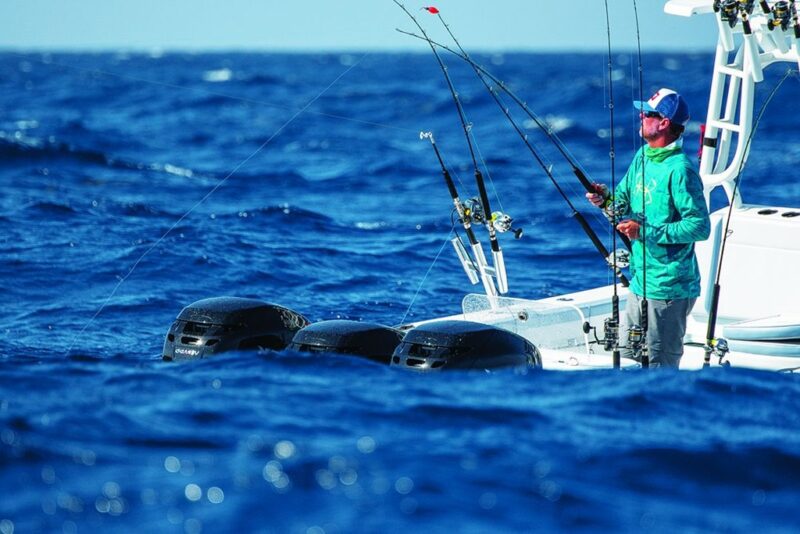
The allure of the open ocean is undeniable for any angler. The thrill of the chase, the peaceful solitude, and the promise of a hefty catch keep us coming back for more. But sometimes, the ocean has other plans. What starts as a gentle breeze can quickly morph into a churning maelstrom, transforming a relaxing fishing trip into a challenging test of skill and nerve.
Fear not, intrepid angler! While rough seas demand respect and careful preparation, they don’t necessarily mean the end of your fishing dreams. In fact, some of the most productive fishing can occur when the waters are agitated, as baitfish and predators alike become disoriented, creating unique opportunities. This comprehensive guide will equip you with the knowledge and strategies to not just survive, but thrive, when fishing in rough seas.
Why Even Consider Fishing in Rough Seas?
Before we delve into the “how,” let’s briefly touch upon the “why.” Why would anyone choose to fish in less-than-ideal conditions?
- Disoriented Fish: Rough water often churns up the bottom, disorienting baitfish and making them easier targets for larger predators. This can lead to aggressive feeding frenzies.
- Reduced Pressure: Many anglers will opt to stay home when the seas are rough, meaning less competition for the best fishing spots.
- Specific Species: Certain species are more active or accessible in rougher conditions. For example, some reef fish become bolder, and pelagic species might be pushed closer to shore.
- Unique Challenge & Reward: Successfully battling the elements and landing a trophy fish in challenging conditions offers an unparalleled sense of accomplishment.
However, it’s crucial to distinguish between “challenging” and “dangerous.” Never compromise safety for a potential catch. If the conditions are truly hazardous, stay ashore.
The Golden Rule: Safety First, Always!
This cannot be stressed enough. Before you even think about dropping a line in rough water, prioritize safety.
- Check the Forecast (and then check it again!): Don’t just rely on a single forecast. Consult multiple reliable marine weather sources (NOAA, local weather apps, marine VHF forecasts). Pay close attention to wave height, wind speed and direction, and swell period. Look for trends and be wary of rapidly deteriorating conditions.
- Know Your Boat’s Limits: Every vessel has a comfort zone and a safety limit. Understand what your boat can realistically handle. A small bay boat is not designed for offshore rollers.
- Proper Safety Gear is Non-Negotiable:
- Life Jackets (PFDs): Worn at all times, not just stowed away.
- VHF Radio: For distress calls and weather updates. Ensure it’s working and you know how to use it.
- EPIRB/PLB: An Emergency Position Indicating Radio Beacon or Personal Locator Beacon can save your life in a dire situation.
- Flares/Signaling Devices: For attracting attention.
- First Aid Kit: Stocked and easily accessible.
- Bailer/Bilge Pump: To remove any water that comes aboard.
- Anchor and Ample Rode: For holding position in an emergency.
- Knife: For cutting fouled lines.
- Tell Someone Your Plan: Inform a trusted friend or family member of your float plan – where you’re going, when you expect to return, and who is with you.
- Experience Matters: If you’re new to boating or have limited experience in rough conditions, consider going with a seasoned captain or delaying your trip until the weather improves.
Preparing Your Vessel: A Sea-Worthy Ride
Your boat needs to be in tip-top shape to handle rough seas.
- Secure Everything: Loose gear becomes dangerous projectiles in rough water. Secure all tackle boxes, coolers, rods, and any other items that could shift or fly around. Use bungee cords, tie-downs, or dedicated storage compartments.
- Check Fuel Levels: Ensure you have more than enough fuel for your trip, factoring in increased consumption due to fighting waves and potentially needing to run at lower speeds. The “1/3 out, 1/3 back, 1/3 reserve” rule is a good guideline.
- Engine Check: Perform a thorough pre-trip inspection of your engine(s). Check fluid levels, belts, hoses, and ensure everything is running smoothly. A breakdown in rough seas is a nightmare scenario.
- Battery Power: Ensure your batteries are fully charged and your electrical system is in good order.
- Drain Plugs: Verify they are securely in place!
- Canvas & Enclosures: If your boat has canvas enclosures, deploy them before leaving the dock to protect you and your passengers from spray.
Navigating the Waves: Mastering Boat Handling
This is where experience and a calm demeanor truly shine.
- Slow Down: This is the most crucial rule. Speed is your enemy in rough seas. Going too fast can lead to dangerous impacts, damage to your boat, and discomfort for everyone aboard.
- Meet Waves Head-On (or at a Slight Angle): Whenever possible, approach oncoming waves directly or at a slight angle. This allows your bow to cut through the wave, minimizing jarring impacts. Avoid taking waves on the beam (side) as this can lead to rolling and potentially capsizing.
- Ride the Back of the Wave: As you crest a wave, ease off the throttle. This prevents your bow from plunging violently into the trough on the other side. As you descend into the trough, gradually reapply power.
- Don’t Fight the Boat: Allow your boat to respond naturally to the waves. Trying to overcorrect or constantly steer against the motion can be exhausting and less effective.
- Keep Your Passengers Safe: Instruct everyone to hold on to handholds at all times. Explain the boat’s motion and reassure them. Assign tasks if necessary, such as spotting upcoming waves.
- Watch for rogue waves: Even in generally consistent conditions, a larger “rogue wave” can appear out of nowhere. Stay vigilant.
- Know When to Turn Back: If conditions worsen beyond your comfort level or your boat’s capabilities, don’t hesitate to turn back. Your safety and the safety of your crew are paramount.
Related: Nighttime Swordfish Longlining: Unlock Monster Catches & Master the Deep’s Secrets
Fishing Tactics for Rough Seas: Adapt and Conquer
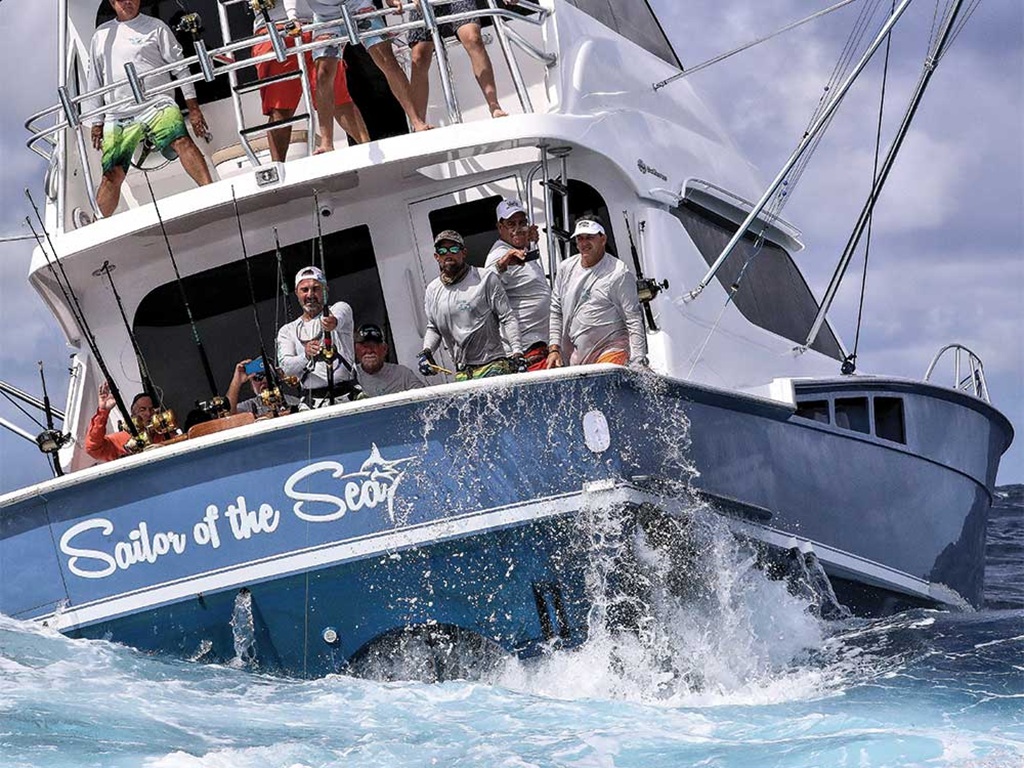
Rough water changes the game, but it doesn’t mean you can’t catch fish. You just need to adjust your approach.
-
Stability is Key:
- Drift Fishing: Often the most effective method. Let the wind and current dictate your drift, covering more ground and reducing the need for constant boat maneuvering.
- Sea Anchor/Drogue: A sea anchor deployed from the bow or a drogue from the stern can significantly slow your drift and keep your boat pointed into the waves, improving stability and making fishing more manageable.
- Bottom Fishing/Anchoring (with caution): If you’re targeting specific structures, anchoring can be effective, but ensure your anchor is well set and you have enough rode to compensate for the surging motion. Be prepared to pull anchor quickly if conditions deteriorate.
-
Bait & Lure Presentation:
- Heavier Weights: You’ll need heavier sinkers to keep your bait or lure on the bottom or at your desired depth in turbulent water.
- Live Bait: Live bait, especially hardy species, can be incredibly effective as their natural movements are amplified by the rough water, creating irresistible commotion.
- Scent & Sound: Fish rely heavily on scent and sound in rough conditions. Use scented baits, attractants, and lures with rattles.
- Natural Action Lures: Choose lures that have a natural, erratic action even without much angler input, such as large soft plastics or deep-diving crankbaits.
-
Tackle Considerations:
- Sturdy Rods & Reels: Your gear will be put to the test. Opt for robust rods with good backbone and reels with smooth, powerful drags.
- Stronger Line: Consider increasing your line strength slightly to account for the increased stress and potential for snags.
- Larger Hooks: Larger hooks can help secure the catch in bouncy conditions.
- Focus on the Strike: It can be harder to detect subtle bites in rough water. Pay close attention to your rod tip and be prepared for aggressive strikes.
- Stay Hydrated and Fed: Seasickness can quickly set in. Eat light, bland foods before and during your trip, and stay well-hydrated. Consider motion sickness medication if you’re prone to it.
- Keep a Clear Mind: Don’t let frustration or discomfort cloud your judgment. Stay focused on safety and making smart fishing decisions.
After the Storm: Post-Trip Essentials
Even after a successful rough-water trip, your work isn’t done.
- Thorough Washdown: Saltwater spray gets everywhere. Give your boat, engine, and all your gear a thorough freshwater washdown to prevent corrosion.
- Inspect Your Boat: Check for any stress cracks, loose fittings, or signs of damage that might have occurred during the rough ride.
- Maintain Your Gear: Clean and lubricate your reels. Inspect your rods for any damage.
- Review and Learn: Reflect on your trip. What went well? What could have been done better? Every rough-water experience is a learning opportunity.
Related: The Best Freshwater Fishing in Bay Area: Your Ultimate Guide to Reel Success
Conclusion: Respect, Preparation, and Reward
Fishing in rough seas is not for the faint of heart, but with proper preparation, a respectful attitude towards the ocean, and adaptable tactics, it can be an incredibly rewarding experience. Remember, safety is always paramount. By understanding your vessel, mastering boat handling, and adjusting your fishing strategies, you can confidently tame the tempest and unlock new opportunities for unforgettable catches. So, next time the forecast calls for a bit of chop, don’t automatically cancel your plans. Instead, prepare, plan, and go out there and embrace the challenge – the fish just might be waiting for you!