Mangrove tunnel fishing offers a unique blend of adventure, skill, and connection with nature. These intricate, brackish waterways lined with dense mangrove roots create a haven for fish and a thrilling challenge for anglers. Whether you’re a seasoned angler or a beginner eager to explore, mastering mangrove tunnel fishing requires specific tactics, gear, and a deep understanding of the environment. In this guide, we’ll dive into the best strategies, essential equipment, and tips to make your mangrove fishing trip both successful and unforgettable.
Understanding Mangrove Tunnels
Mangrove tunnels are narrow, shaded channels formed by the arching roots and branches of mangrove trees, often found in coastal regions like Florida, the Caribbean, and parts of Australia. These ecosystems are rich in biodiversity, hosting species like snook, redfish, tarpon, mangrove snapper, and even juvenile grouper. The tight quarters, fluctuating tides, and complex root systems make fishing in these areas both challenging and rewarding.
The key to success lies in understanding the environment. Mangroves thrive in brackish water—a mix of freshwater and saltwater—creating a dynamic habitat where fish seek shelter, food, and spawning grounds. Tides play a critical role, as they influence water depth, current strength, and fish behavior. High tides push fish deeper into the tunnels, while low tides concentrate them in deeper pools or near the tunnel entrances.
Tactics for Mangrove Tunnel Fishing
-
Timing the Tides
Tides dictate fish movement in mangrove tunnels. Plan your fishing trip around tidal shifts, ideally during the first two hours of an incoming tide or the last two hours of an outgoing tide. During these periods, baitfish are pushed through the tunnels, attracting predators like snook and redfish. Use a tide chart specific to your location, and aim to fish early in the morning or late in the afternoon when fish are most active.
-
Stealth and Precision
Mangrove tunnels are tight, and fish are wary. Loud noises or erratic movements can spook your target species. Approach tunnels quietly, whether by kayak, paddleboard, or small skiff. Cast with precision to place your bait or lure near roots, drop-offs, or shaded areas where fish hide. Avoid casting directly into the mangroves, as snags are common and can disturb the area.
-
Reading the Water
Look for signs of fish activity, such as baitfish schools, ripples, or wakes near the surface. Deeper pools within the tunnel often hold larger fish, especially during low tides. Pay attention to current flow—fish often position themselves facing into the current to ambush prey. Target transition zones where shallow and deep water meet, as these are prime feeding spots.
-
Live Bait vs. Artificial Lures
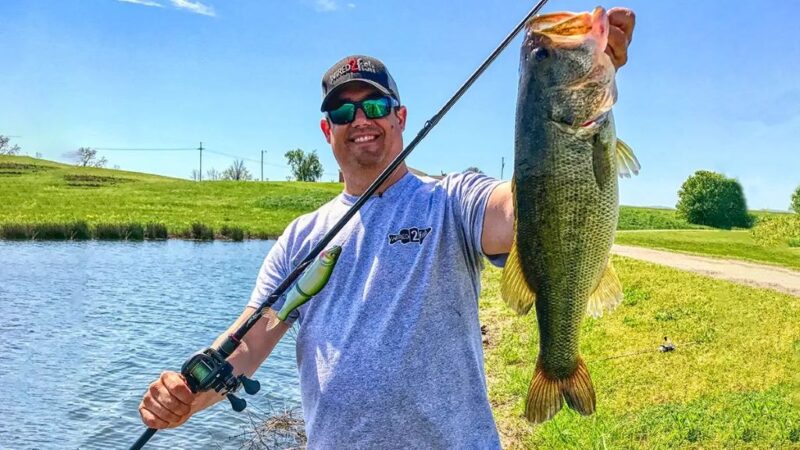
Live bait, such as shrimp, pinfish, or mullet, is highly effective in mangrove tunnels. Hook live bait through the nose or tail and let it swim naturally near structure. For artificial lures, soft plastics like paddle tails or jerkbaits in natural colors (white, green, or brown) mimic baitfish effectively. Topwater lures can also trigger explosive strikes, especially early in the morning. Experiment with both to determine what the fish are keying in on.
-
Fighting Fish in Tight Spaces
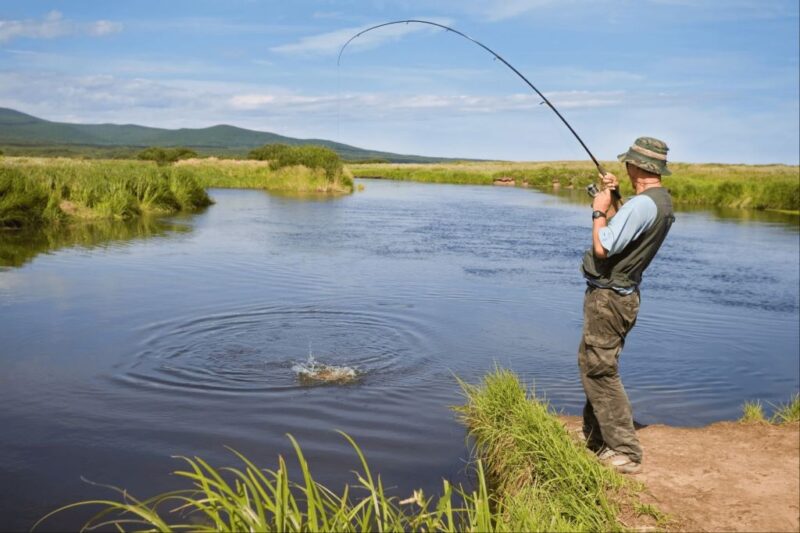
Once hooked, fish in mangrove tunnels will dart for cover, often wrapping your line around roots. Use a strong, steady drag to turn the fish quickly and keep it away from structure. Be prepared for short, intense fights, and maintain constant pressure to avoid losing your catch in the labyrinth of roots.
Essential Gear for Mangrove Tunnel Fishing
Rods and Reels
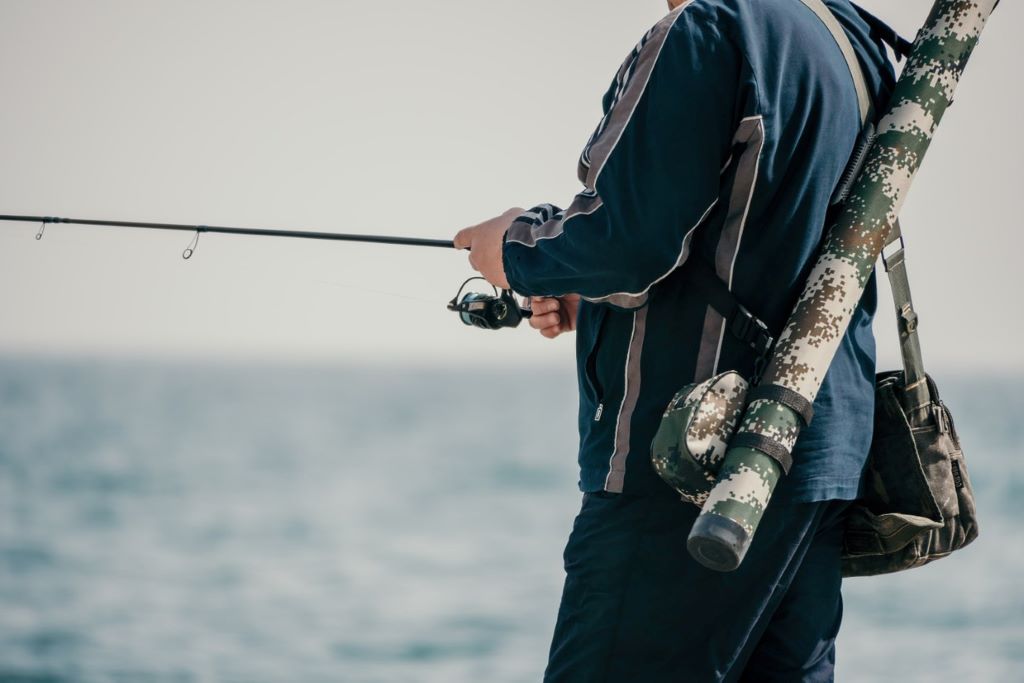
A medium to medium-heavy spinning rod (6.5–7 feet) with a fast action tip is ideal for mangrove fishing. The fast action allows for accurate casts in tight spaces, while the backbone provides enough power to pull fish from cover. Pair it with a 3000–4000 series spinning reel loaded with 15–20 lb braided line for sensitivity and strength. Braid cuts through water and roots better than monofilament, reducing the chance of break-offs.
Leaders and Hooks
A fluorocarbon leader (20–30 lb test) is essential to withstand abrasions from mangrove roots and fish teeth. Keep leaders short (18–24 inches) to maintain control in close quarters. For live bait, use a 2/0–4/0 circle hook to ensure a secure hookup and reduce gut-hooking. For lures, opt for weedless hooks or lures with built-in weed guards to minimize snags.
Kayaks or Small Boats
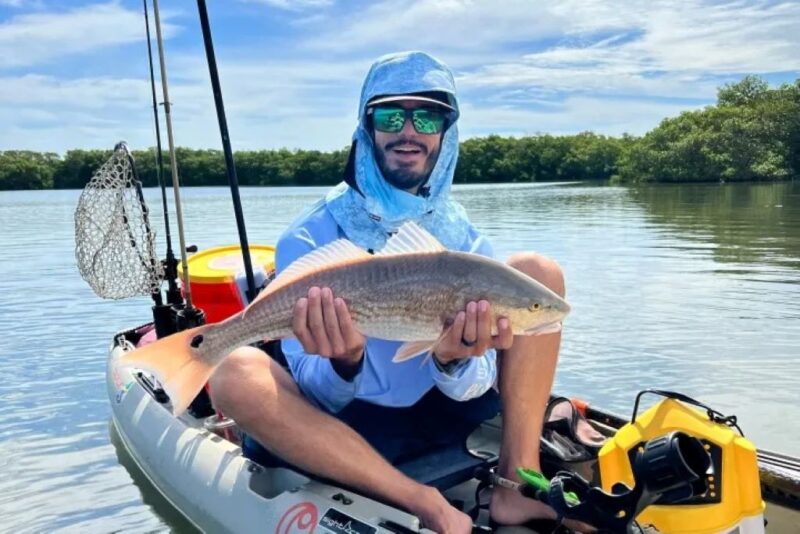
Navigating mangrove tunnels often requires a kayak or paddleboard due to their shallow draft and maneuverability. A sit-on-top kayak (10–12 feet) is ideal for stability and ease of casting. If using a motorized skiff, choose a shallow-draft model with a trolling motor for quiet approaches. Always carry a paddle as a backup in case you need to navigate tight spots.
Lures and Bait
Stock your tackle box with a mix of soft plastics, topwater plugs, and spoons. Popular choices include:
- Soft Plastics: 3–5 inch paddle tails or shrimp imitations in natural colors.
- Topwater Lures: Walk-the-dog style plugs for surface action.
- Spoons: Gold or silver weedless spoons for casting into tight spots.
For live bait, bring a small bait bucket or aerated livewell to keep shrimp or pinfish alive. Check local regulations for bait collection and use.
Additional Gear
- Polarized Sunglasses: Spot fish and structure through glare.
- Pliers and Dehooker: Quickly remove hooks and handle fish safely.
- Landing Net: A short-handled net helps secure fish in tight spaces.
- Tackle Bag: Use a waterproof bag to keep gear dry and organized.
Location-Specific Tips
Mangrove tunnels vary by region, so tailor your approach to the local environment. In Florida’s Everglades, focus on snook and redfish near oyster bars and root systems. Caribbean, target mangrove snapper and juvenile tarpon in deeper channels. In Australia, barramundi and threadfin salmon are common in mangrove-lined estuaries. Research your destination, check local fishing reports, and connect with local guides or bait shops for insider knowledge.
Conservation and Etiquette
Mangrove ecosystems are fragile and vital to coastal health. Practice catch-and-release for species like snook or tarpon, which are often regulated. Use barbless hooks to minimize fish injury, and handle fish with wet hands or gloves to protect their slime coat. Avoid trampling mangrove roots or disturbing wildlife, and pack out all trash to preserve these pristine environments.
Safety Considerations
Mangrove tunnels can be remote and difficult to navigate. Always inform someone of your fishing plans and carry a GPS or marine chart. Watch for sudden weather changes, as storms can make tunnels treacherous. Bring plenty of water, sunscreen, and insect repellent, as mosquitoes and no-see-ums are common in mangrove areas. If fishing from a kayak, wear a life jacket and secure your gear to prevent loss.
Advanced Techniques for Experienced Anglers
For seasoned anglers, consider these advanced tactics:
- Fly Fishing: Use a 7–9 weight fly rod with floating or intermediate line. Present small baitfish or shrimp patterns near structure for explosive strikes.
- Night Fishing: Some species, like snook, are more active at night. Use glow-in-the-dark lures or live bait under dock lights near tunnel entrances.
- Structure Mapping: Use a portable fish finder to locate deeper holes or channels within the tunnel system, increasing your chances of finding larger fish.
Carolina Rig vs Drop Shot: Which Setup Is Best for Catching Fish?
Conclusion
To ensure your mangrove tunnel fishing trip is a success, focus on preparation and adaptability. Research your location, study tide charts, and pack versatile gear. Practice casting in tight spaces before your trip, and always have a backup plan for changing conditions. By combining stealth, precision, and the right equipment, you’ll unlock the full potential of mangrove tunnel fishing.
Mangrove tunnel fishing is more than just a sport—it’s an immersive experience that connects you with one of nature’s most unique ecosystems. Whether you’re chasing a trophy snook or simply enjoying the serenity of the tunnels, the right tactics and gear will make all the difference. So grab your rod, paddle into the mangroves, and discover the thrill of fishing in these hidden waterways.
Read More:
The Ultimate Guide to Rod Holders for Inflatable Boats: Boost Your Fishing Game Today