At their heart, fishing shoes and hiking shoes are built for entirely different battlegrounds.
Fishing Shoes: Think water, wetness, and unstable footing under water or on slick surfaces. The primary goals of fishing footwear are:
- Superior Wet Traction: Preventing slips on algae-covered rocks, muddy banks, slippery boat decks, or jetties.
- Water Management: Efficiently draining water out and drying quickly to prevent waterlogging, chilling, and discomfort.
- Protection: Guarding feet against submerged rocks, sharp shells, stray hooks, and potential critter bites.
- Comfort: Providing support for long periods of standing or wading, often needing to accommodate waders underneath.
Hiking Shoes: Think varied terrain, distance, and impact on land. The primary goals of hiking footwear are:
- Reliable Dry & Uneven Traction: Gripping dirt, loose gravel, rocks, roots, and sometimes mud or snow.
- Support & Stability: Protecting ankles from twists on uneven ground, supporting the foot under load (especially when backpacking), and providing a stable platform.
- Protection: Shielding feet from trail debris like rocks, roots, thorns, and impacts.
- Durability: Withstanding abrasion and mileage over rough surfaces.
- Weather Resistance (Often): Keeping water out in damp conditions or providing breathability in dry, hot climates.
Understanding these core objectives is the first step in appreciating why the designs diverge so significantly.
Diving Deeper: Key Features of Fishing Footwear
Fishing shoes aren’t just old sneakers you don’t mind getting wet; they are purpose-built tools. Let’s examine their defining characteristics.
Mastering Wet Surfaces: The Science of Fishing Shoe Outsoles
Grip is paramount when you’re navigating slippery environments. Fishing shoe outsoles are meticulously engineered for this specific challenge, often utilizing materials and patterns quite different from hiking shoes. You’ll typically encounter:
- Felt Soles: Once the gold standard for wading boots, felt offers exceptional grip on smooth, algae-covered rocks found in many streams and rivers. The soft, porous material conforms slightly to microscopic irregularities, providing incredible friction. However, felt performs poorly on mud, grass, snow, or ice, can wear out relatively quickly on abrasive surfaces, and importantly, can transport invasive aquatic species (like Didymo or whirling disease spores) between waterways. This has led to felt soles being banned in several states and countries (including Maryland, Alaska, Missouri, Nebraska, Rhode Island, South Dakota, Yellowstone National Park, New Zealand, and parts of Canada). Always check local regulations before using felt-soled boots.
- Sticky Rubber Soles: This is the increasingly dominant option. Manufacturers use specialized rubber compounds (like Vibram® Idrogrip, found on Simms boots, or proprietary blends like ChacoGrip™ or Grundéns Grip-X) designed to maintain grip on wet surfaces. These outsoles often feature multi-directional lugs, siping (thin slits that increase surface area and channel water away, similar to car tires), and sometimes a softer durometer (hardness) than hiking soles for better conformity to wet rocks. While generally not quite matching felt on pure slime, modern sticky rubber offers far better versatility, performing well on trails leading to the water, boat decks, and muddy banks where felt fails. They also eliminate the invasive species risk. Many high-end wading boots (like the Simms G3 Guide) utilize Vibram Idrogrip.
- Stud Compatibility: Many rubber-soled wading boots feature receptive ports for metal studs (often tungsten carbide). Adding studs dramatically increases traction on extremely slippery rocks, ice, or submerged logs, offering grip that can surpass even felt. However, studs can damage boat decks and are noisy and uncomfortable on hard surfaces or trails.
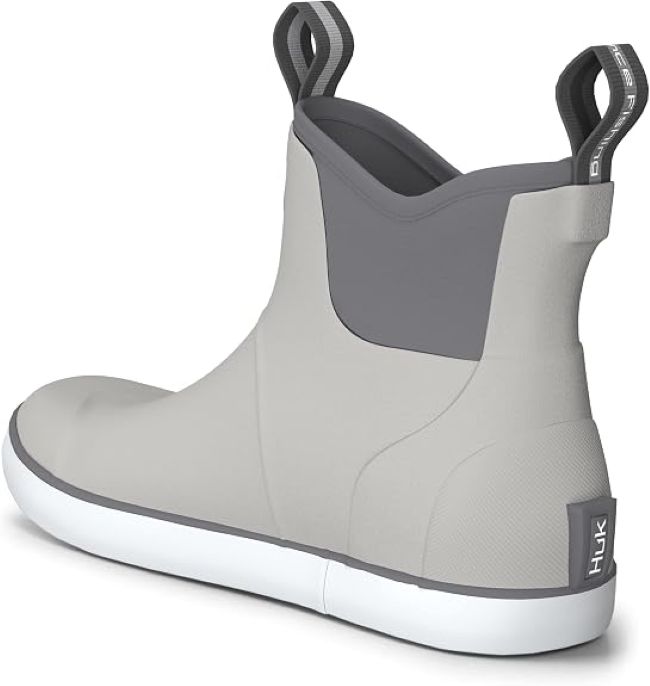
- Non-Marking Soles: Especially important for deck boots or shoes worn on boats, these outsoles (often lighter in color) are designed not to leave scuff marks on fiberglass or treated wood surfaces. Brands like Grundéns and Huk emphasize this feature.
Embracing the Wet: Drainage and Quick-Drying Capabilities
Unlike many hiking shoes that aim to keep water out, most fishing shoes (especially wading boots and wet-wading shoes) are designed to let water in and then drain it out as quickly as possible. Standing in water inevitably means your feet will get wet, so the focus shifts to managing that water effectively.
- Drainage Ports: Strategically placed holes or mesh panels, often located in the midsole or lower upper, allow water to escape freely when you step out of the water. This prevents the shoe from feeling like a heavy bucket on your foot.
- Mesh Uppers: Many wet-wading shoes and some lighter wading boots utilize hydrophobic (water-repelling) synthetic mesh materials. These materials absorb minimal water and allow for maximum airflow, promoting rapid drying once you’re on land. Examples include the Salomon Amphib Bold 2 or Astral Loyak AC.
- Minimal Water Absorption Materials: Uppers are constructed from synthetics, quick-drying nylons, or specially treated materials that don’t become saturated and heavy. Even padded areas use closed-cell foams that resist water uptake. The goal is to return the shoe to its lightest possible state quickly, reducing fatigue and preventing the chilling effect of trapped water.
Shielding Against Hazards: Protection Built for Water Environments
Fishing environments present unique hazards, and the footwear needs to offer appropriate protection.
- Reinforced Toe Caps: Essential for bumping against unseen rocks while wading or stubbing toes on boat cleats. Often made of durable rubber or TPU (thermoplastic polyurethane).
- Ankle Support (Wading Boots): Wading in moving currents requires significant stability. Wading boots typically feature a mid-to-high cut design, often with structured ankle support systems (similar to hiking boots but designed for wet flexibility) to prevent rolls and provide a secure platform. The Simms G3 Guide Boot is noted for its excellent ankle support.
- Abrasion Resistance: While maybe not facing the same constant trail abrasion as hiking boots, fishing shoes still need to withstand rubbing against rocks, gravel, boat gunwales, and potentially rough banks. Durable synthetic materials, rubber rands (strips around the base), and TPU overlays in high-wear areas (like those seen on the Simms Pursuit) enhance longevity.
- Puncture Resistance (Less Common but Relevant): While not typically featuring dedicated puncture plates like some work boots, the robust soles and construction offer some protection against sharp objects like shells or accidentally dropped hooks.
Fit, Comfort, and Types: Finding Your Perfect Fishing Footwear
Comfort is crucial for long days spent standing, casting, and navigating tricky footing.
- Secure Fit: Essential for stability, especially when wading. Lacing systems need to remain secure when wet. Some boots, like certain models from Korkers or Simms, feature Boa lacing systems (a dial-based wire system) for quick, secure, and easily adjustable fit even with cold or wet hands.
- Sizing for Waders: Wading boots are specifically designed to be worn over the neoprene booties of chest or waist waders. This means you typically need to size up 1-2 full sizes compared to your regular street shoe size to accommodate the extra bulk. Trying boots on with your waders and preferred socks is highly recommended.
- Cushioning: Midsoles often use EVA (ethylene-vinyl acetate) foam for shock absorption and comfort during long hours of standing or walking short distances to fishing spots. Brands like Hoka (known for maximal cushioning in running shoes) are even influencing wading boot design.
- Types of Fishing Shoes:
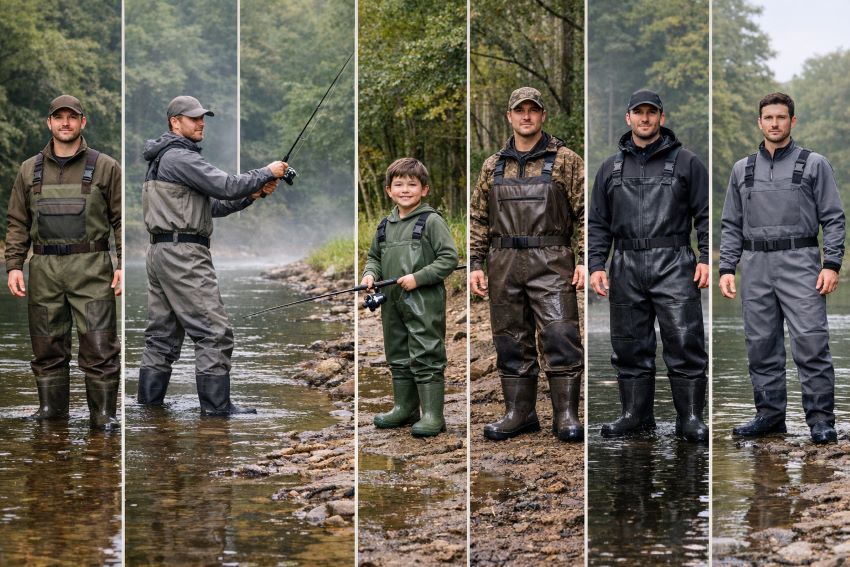
- Wading Boots: The most robust option, designed for use with waders. Offer maximum support, protection, and traction for wading in rivers and streams. Usually feature felt or sticky rubber soles (often stud-compatible). Examples: Simms G3 Guide, Orvis Pro Wading Boot, Korkers Devil’s Canyon.
- Wet Wading Shoes: Lighter, more athletic shoes designed for fishing without waders in warmer conditions. Prioritize drainage, quick drying, and decent grip. Often look like rugged water shoes or light hikers. Examples: Salomon Amphib Bold 2, Simms Flyweight Wet Wading Shoe, Astral Loyak AC.
- Deck Boots/Shoes: Designed for boat fishing. Prioritize non-slip, non-marking outsoles, waterproofness (often rubber construction), and comfort for standing on deck. Can be ankle-high or taller knee boots. Examples: Grundéns Deck-Boss, Xtratuf Ankle Deck Boot, Huk Rogue Wave, LaCrosse Alpha Deck Boot.
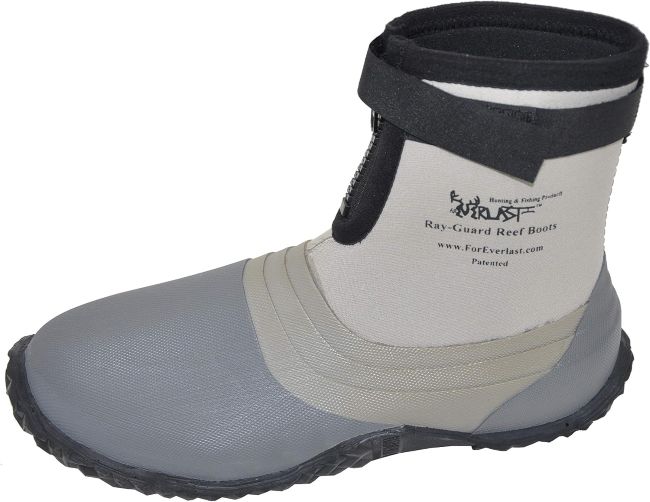
- Flats Boots: Specialized footwear for saltwater flats fishing (e.g., for bonefish, permit). Need to protect against coral, shells, and rays while being lightweight, draining, and preventing sand/grit intrusion. Often feature a hard, puncture-resistant sole and a snug-fitting upper.
Scaling the Heights: Key Features of Hiking Footwear
Hiking shoes and boots are engineered to conquer land-based challenges, from smooth paths to technical mountain ascents.
Conquering Terrain: The Foundation of Hiking Shoe Outsoles
Traction needs on the trail are different – think dirt, rock, roots, mud, and sometimes scree or snow, but less emphasis on slick algae.
- Durable Rubber Compounds: Hiking outsoles use harder, more durable rubber compounds (Vibram® is a common, high-quality supplier with various compounds like MegaGrip, but many brands like Salomon (Contagrip®) or Merrell have excellent proprietary rubbers) designed to withstand abrasion over miles of rough terrain. Softer rubbers, while stickier, would wear down too quickly.
- Aggressive Lug Patterns: Deep, widely spaced lugs are characteristic of hiking footwear. These “teeth” bite into soft ground like dirt and mud, provide braking edges for descents, and offer multi-directional grip on rock and uneven surfaces. Lug depth often ranges from 4mm to 6mm or more.
- Shank: A semi-rigid insert (often plastic or nylon, sometimes steel in heavy boots) placed between the midsole and outsole. It adds stiffness, protecting the foot from sharp rocks underneath and providing support when carrying heavy loads, reducing foot fatigue over long distances.
- Rock Plate (Common in Trail Runners/Light Hikers): A thinner, flexible protective layer embedded in the forefoot midsole to prevent sharp rocks or roots from bruising the bottom of the foot, without adding the full stiffness of a shank.
Support, Stability, and Protection: Guarding Against Trail Hazards
Navigating uneven trails, often while carrying a pack, demands robust support and protection.
- Ankle Support (Boots): Mid-cut and high-cut hiking boots provide crucial ankle support, helping to prevent rolls on rocky or root-filled terrain, especially when carrying backpack weight. Structured heel cups and secure lacing systems lock the foot in place.
- Structured Midsoles: Provide cushioning (usually EVA or PU – polyurethane, which is heavier but more durable) and stability. The level of stiffness varies – light hikers are more flexible, while backpacking boots are much stiffer for load-bearing.
- Protective Uppers: Made from durable materials like leather (full-grain, nubuck, suede) or tough synthetics (nylon, mesh combinations). These resist abrasion from rocks and vegetation. Full-grain leather offers maximum durability and water resistance but requires break-in and is heavier/less breathable. Synthetics are lighter, break in faster, and often offer better breathability but may be less durable long-term.
- Reinforced Toe Caps (Rand): Hard rubber toe caps are standard, protecting toes from painful impacts against rocks and roots. Many boots also feature a rubber rand around the lower portion of the upper for added abrasion resistance and water protection.
- Waterproofing Membranes: Many hiking shoes and boots feature waterproof/breathable membranes like Gore-Tex® (GTX) or proprietary equivalents (e.g., Keen.DRY, Merrell M-Select DRY). These membranes have microscopic pores large enough to let water vapor (sweat) escape but too small for liquid water droplets to enter, keeping feet dry from rain, puddles, and shallow stream crossings. However, they reduce breathability compared to non-waterproof shoes and if water does get inside (e.g., over the cuff), they take much longer to dry.
Balancing Durability, Weight, and Climate Control
Hiking footwear design involves trade-offs between these crucial elements.
- Durability vs. Weight: Heavier boots made with leather and robust construction (like the Salomon Quest 4 GTX or Scarpa Terra GTX) offer maximum durability and support for backpacking but can feel cumbersome for faster, lighter hikes. Lightweight hikers and trail running shoes (like the Adidas Terrex Free Hiker 2 or Altra Lone Peak) prioritize agility and reduce fatigue but may wear out faster and offer less protection. Hiking shoes generally last 300-500 miles, while sturdy boots can last 700-1000+ miles, especially if they can be resoled.
- Breathability vs. Waterproofing: Non-waterproof shoes with mesh panels (like many trail runners or summer hikers) offer the best breathability, keeping feet cooler and drying faster if they do get wet. Waterproof membranes inevitably reduce breathability, which can lead to sweaty feet in warm conditions, potentially causing blisters. The choice depends on the expected climate and conditions.
Head-to-Head: Fishing Shoes vs. Hiking Shoes – The Critical Differences
Now let’s directly compare the two, highlighting why using one for the other’s job is usually a bad idea.
Traction Tango: Wet Slip vs. Dry Grip
This is arguably the most crucial difference.
- Fishing Shoes (Especially Wading Boots): Optimized for maximum friction on slick, wet surfaces like algae-covered rocks or boat decks. Felt or specialized sticky rubber with siping excels here. However, these soles often perform poorly on loose dirt, mud, or steep grassy banks where hiking treads shine. Felt is particularly treacherous on non-submerged surfaces.
- Hiking Shoes: Optimized for grip and stability on varied land terrain – dirt, rock, roots, gravel. Aggressive lugs bite into soft ground, and durable rubber provides friction on rock. While some hiking soles perform reasonably well on wet rock, they generally lack the specialized compounds and designs (like siping or felt) needed for truly slippery underwater surfaces. Using typical hiking lugs on slimy river rocks can feel like walking on ice.
Related: Fishing Hats with Neck Flaps for Sun Protection
Water In, Water Out vs. Keeping Water Out
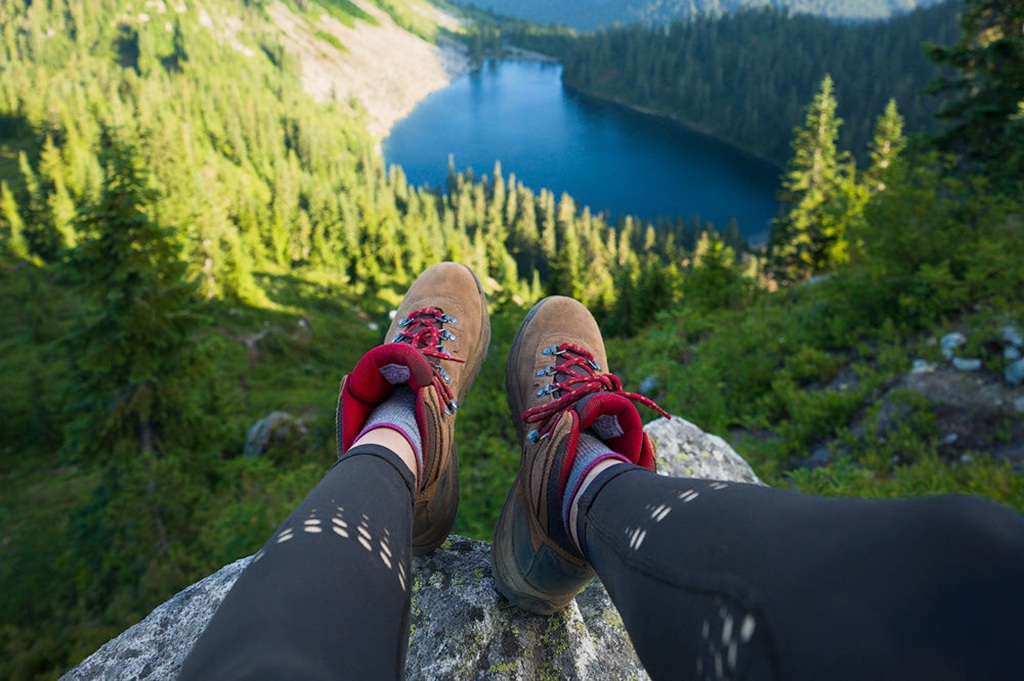
Their philosophies on water management are fundamentally opposed.
- Fishing Shoes (Wading/Wet Wading): Designed to drain water efficiently and dry quickly. They accept that feet will get wet when submerged and focus on minimizing discomfort and weight by getting rid of water fast.
- Hiking Shoes (Often Waterproof): Designed to prevent water from entering in the first place, using waterproof membranes and durable uppers. This works well for rain, puddles, and shallow crossings, but if water gets over the top (e.g., deep wading), they become heavy water buckets that take a very long time to dry, increasing blister risk and discomfort.
Support Structures: Current Stability vs. Trail Stability
While both offer support, it’s tailored differently.
- Fishing Shoes (Wading Boots): Ankle support is crucial for resisting the force of water currents and maintaining balance on unstable, submerged footing. The support needs to work well while the boot is saturated.
- Hiking Shoes (Boots): Ankle support is designed to prevent rolls on uneven ground and stabilize the foot under load (backpack weight). Stiffness (from shanks) is more critical for reducing fatigue over long distances on trails.
Material World: Water Resilience vs. Abrasion Resistance
The materials reflect their intended environments.
- Fishing Shoes: Use synthetics, rubbers, and nylons that resist degradation from constant water exposure and dry quickly. Glues and stitching must also withstand being perpetually wet.
- Hiking Shoes: Often incorporate leather or highly abrasion-resistant synthetics designed to withstand scraping against rocks, roots, and trail grit. While many are water-resistant or waterproof, they aren’t typically built for prolonged submersion day after day, which can degrade materials (especially leather if not properly cared for) and compromise glues over time.
The Interchangeability Question: Can You Cross Over? (Mostly, No)
While there might seem to be overlap, using these shoes outside their intended purpose is generally not recommended and can be unsafe.
- Using Hiking Shoes for Fishing (Especially Wading):
- Poor Wet Traction: High risk of dangerous slips on slimy rocks.
- No Drainage: Shoes fill with water, becoming incredibly heavy and uncomfortable.
- Slow Drying: Stay wet for hours or days, leading to cold feet, blisters, and potential material damage (mold/mildew).
- Damage: Prolonged water submersion can break down adhesives and materials not designed for it.
- Fit Issues: Won’t fit properly over wader booties.
- Using Fishing Shoes for Hiking:
- Poor Trail Traction: Felt soles have virtually no grip on dirt, mud, or loose trails. Sticky rubber soles might be okay for short, flat approaches, but lack the aggressive lugs needed for steep or technical terrain.
- Lack of Support: Most fishing shoes (especially wet wading or deck shoes) lack the stiffness and ankle support required for comfortable and safe hiking, especially with a pack.
- Durability Issues: Felt wears out quickly on trails. Even rubber fishing soles may not be as durable against abrasion as dedicated hiking soles. Materials may not withstand trail debris as well.
- Protection: May offer less protection from sharp rocks underfoot compared to hiking shoes with shanks or rock plates.
The Bottom Line: While an old pair of hiking boots might be used in a pinch for wading if you have absolutely nothing else (as some forum users attest), it’s far from ideal, uncomfortable, potentially unsafe due to poor grip, and bad for the boots. Conversely, hiking in fishing shoes is generally uncomfortable, lacks necessary traction and support, and will quickly destroy the footwear. Invest in the right tool for the job.
Related: Keeping Your Catch Cold: How Long Will Fish Really Stay Fresh in a Cooler?
People Also Ask (FAQs)
Q1: Can I wear hiking shoes for fishing?
A: It’s generally not recommended, especially for wading. Hiking shoes lack the specialized wet grip needed for slippery underwater surfaces, leading to a high risk of falls. They also don’t drain water, become very heavy when submerged, take a long time to dry, and can be damaged by prolonged water exposure. For fishing from a dry bank or pier in good weather, they might be okay, but dedicated fishing shoes or even simple sneakers/sandals are often more comfortable and practical. For boat fishing, non-marking deck shoes are preferable to avoid scuffing.
Q2: Are fishing shoes good for walking or hiking?
A: Generally, no. Fishing shoes, particularly wading boots with felt soles, offer poor traction on typical land-based trails (dirt, mud, grass). Even rubber-soled fishing shoes usually lack the aggressive lug depth and pattern needed for secure hiking grip. Furthermore, they often lack the necessary stiffness, support (especially under load), and durability for comfortable hiking over significant distances. They are designed for grip in water and quick draining/drying, not for mileage on land. Short, flat walks to a fishing spot on even ground might be fine in rubber-soled fishing shoes, but they are not a substitute for proper hiking footwear.
Q3: What’s the difference between wading boots and hiking boots?
A: Key differences include:
- Purpose: Wading boots are for traction in water (often over waders); hiking boots are for traction and support on land.
- Soles: Wading boots use felt or specialized sticky rubber (often stud-compatible) for wet grip; hiking boots use durable rubber with aggressive lugs for trail grip.
- Water Management: Wading boots drain water quickly; hiking boots often aim to be waterproof (keep water out) but drain poorly if flooded.
- Sizing: Wading boots are sized larger to fit over wader booties; hiking boots fit over regular socks.
- Materials: Wading boots use water-resilient, quick-drying materials; hiking boots use durable, abrasion-resistant materials (leather/synthetics), which may not tolerate constant saturation well.
Q4: Do fishing shoes need to be waterproof?
A: It depends on the type.
- Wading Boots & Wet Wading Shoes: No, they are designed to let water in and drain out quickly. Waterproofing would defeat their purpose.
- Deck Boots: Yes, these are often made of rubber or waterproof materials to keep feet dry from splashes, rain, or shallow water on deck or when launching/landing a boat. They function more like rain boots.
Q5: What are the best soles for fishing shoes?
A:
- For Wading (Rivers/Streams): Sticky rubber soles (like Vibram® Idrogrip) are the most versatile and environmentally friendly option, offering good grip on most surfaces and often being stud-compatible for extra traction. Felt offers excellent grip on slimy rocks but has significant drawbacks (poor land grip, invasive species risk, bans).
- For Boat Decks: Non-marking, siped rubber soles provide the best grip without damaging the boat surface.
- For General Wet Environments (Piers, Banks): Any good quality rubber sole with a pattern designed for wet traction will work well.
Q6: Why are felt soles banned in some places?
A: Felt soles are highly porous and can easily trap microscopic aquatic organisms, including invasive species like Didymo (rock snot), New Zealand mudsnails, or disease spores (like whirling disease). When an angler moves between different bodies of water without thoroughly cleaning and drying the felt (which is difficult), these harmful invaders can be easily transferred, devastating native ecosystems and fisheries. Due to this high risk, many states, parks (like Yellowstone), and countries have banned the use of felt-soled wading boots to protect their waters.
Conclusion: Gear Up Right for Your Adventure
Choosing between fishing shoes and hiking shoes isn’t just about style; it’s about safety, performance, and comfort tailored to vastly different environments. Fishing shoes prioritize unparalleled grip on wet, slick surfaces and efficient water drainage, accepting that your feet will get wet but aiming to manage it effectively. Hiking shoes focus on durable traction across varied land terrain, providing crucial support for stability and load-bearing, often while aiming to keep external moisture out.
While both represent marvels of purpose-built design, their strengths lie in their specialized domains. Using hiking boots for wading invites slips and soggy discomfort, while attempting to hike in fishing shoes compromises traction, support, and durability. Understanding their fundamental differences – in outsole design, water management philosophy, support structure, and materials – empowers you to make the right choice. By selecting footwear specifically engineered for your activity, you ensure a safer, more comfortable, and ultimately more enjoyable experience whether you’re chasing trophy fish in a rushing river or conquering a scenic mountain peak. Equip your feet wisely, and step confidently into your next outdoor adventure.