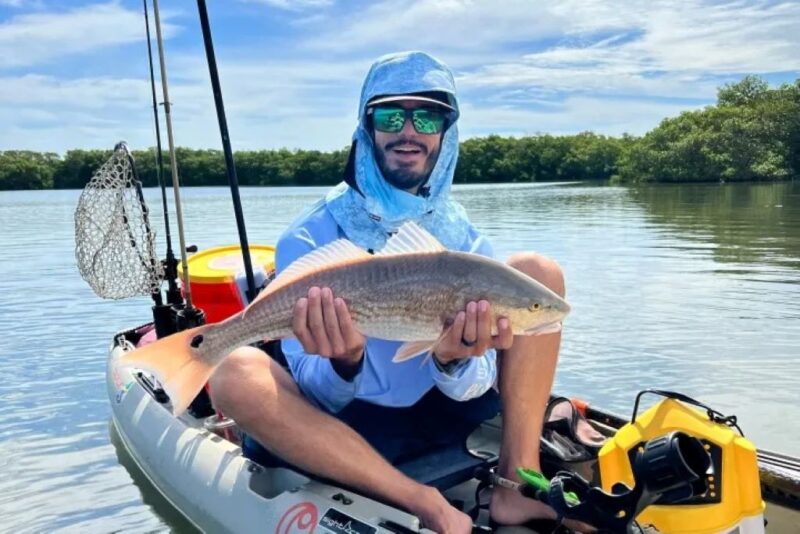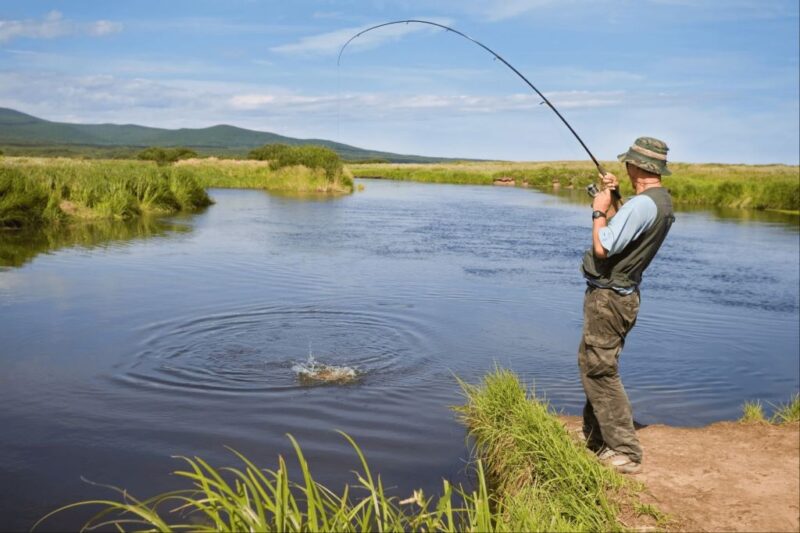
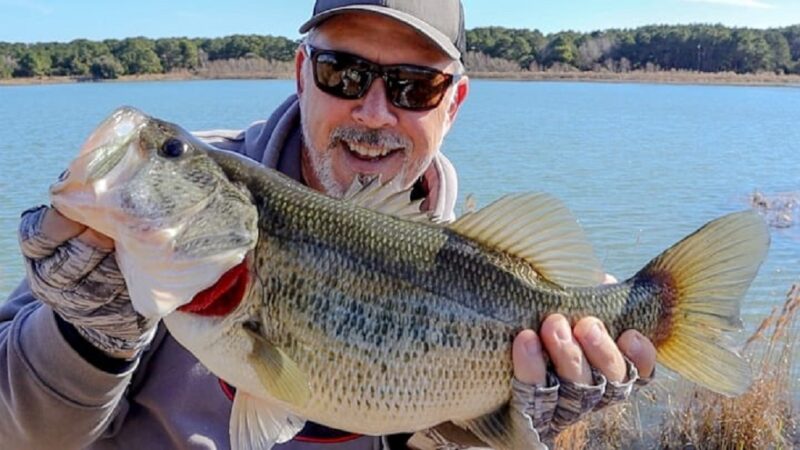
River fishing is as much an art as it is a science. Unlike still-water angling, rivers constantly shift, forcing fish and anglers alike to adapt. Success hinges on a deep understanding of current behavior and strategic positioning. From recognizing feeding lanes to mastering lure presentation, targeting river fish requires precision, patience, and a keen eye for movement beneath the surface.
Understanding the Nature of River Currents
River currents aren’t random. They’re shaped by factors like water volume, terrain, structure, and weather. These currents not only influence fish location but also determine how fish behave. According to the U.S. Geological Survey, average river flow in most U.S. streams ranges from 3 to 7 mph, enough to impact fish feeding zones.
Fish expend less energy in slow-moving areas and position themselves where currents funnel food. Knowing this, experienced anglers focus on seams—where fast and slow currents meet. These transition zones are prime targets, especially for species like trout, bass, and catfish.
Spotting Productive Currents
Spotting currents isn’t guesswork; it’s visual science. Observing the river surface provides key clues. Look for:
- Eddies: Circular currents formed behind rocks or bends where fish often wait.
- Riffles and runs: Shallow, fast-moving water that aerates and carries food.
- Tailouts: Just below riffles, these slow areas are feeding hotspots.
- Undercuts and overhangs: Natural ambush points for predatory species.
Additionally, discolored water or foam lines can signal current breaks or food paths. These subtle changes mark fish-feeding corridors. In high-flow conditions, focus on slower pockets behind debris or boulders. In low flow, target shaded pools where water cools and oxygen remains high.
Strategic Casting Based on Currents

Strategic casting in river fishing maximizes lure presentation and triggers more strikes. The current should help, not hinder. Cast upstream at a 45-degree angle and allow the lure to drift naturally. This mimics live prey, which often floats downstream.
Different species demand different approaches. For instance:
- Trout: Prefer cold, oxygen-rich water and hide in seams.
- Smallmouth bass: Hug deeper pools near structure.
- Catfish: Stay low and feed on scent—use bait that drifts slowly.
Adjust retrieve speed based on current strength. In fast water, a slower retrieve allows lures to stay longer in the strike zone. Use weight to control depth—split shots, bullet weights, or drop-shot rigs depending on clarity and flow.
Gear Essentials for River Fishing
River fishing demands durable, responsive gear. A medium-action rod paired with a spinning reel offers control without sacrificing power. Use fluorocarbon leaders for low visibility in clear water, and braided mainline for strength and sensitivity.
Terminal tackle should match conditions:
- High flow: Heavier sinkers and larger hooks.
- Clear water: Smaller lures and subtle colors.
- Murky water: Bright or vibrating lures for visibility.
Keep gear minimal but versatile. Sling packs and compact tackle boxes improve mobility—especially important when tracking riverbanks or navigating uneven terrain.
Expert Tips for Better River Fishing
Professional anglers often rely on patterns built from trial, error, and experience. A few powerful tips can elevate your river fishing game:
- Read the river: Observe before casting. Let the river tell you where the fish are.
- Stay stealthy: Approach from downstream. Fish face into the current, so sneaking up from behind reduces spooking.
- Match the hatch: Use lures that imitate natural forage, especially during hatches or seasonal feeding peaks.
- Change angles: Vary your casting angle to find the most natural drift.
- Fish smart after rain: Rising rivers push fish toward banks and eddies, prime for easy access.
These aren’t just theories. According to Field & Stream, pro anglers catch over 40% more fish by focusing on current breaks and changing water levels.
Seasonal River Fishing Adjustments
Seasons influence river fishing more than many realize. In spring, melting snow swells rivers and pushes fish toward shore. Summer heats drive them to deep, oxygen-rich pools. Fall means active feeding—fish move through currents aggressively. Winter fishing slows down but can be productive in deeper, slow-moving holes.
Adapting to these seasonal rhythms keeps your strategy sharp. Use the river’s behavior as a seasonal map to guide your tactics.
Data-Driven Fishing: Apps and Mapping
Modern river fishing has gone high-tech. Apps like Fishbrain, Navionics, and RiverFlows offer current speeds, depth charts, and fish activity data. These tools allow anglers to predict where fish might be based on historical trends and real-time conditions.
A 2019 survey by Statista showed 32% of U.S. anglers now use fishing apps to plan trips. Layer that with satellite imagery to scout bends, sandbars, and pools. Combining observation with technology enhances success.
Featured Snippet: What is the Best Way to Read a River Current for Fishing?
The best way to read a river current for fishing is to identify where fast and slow water meet—called seams. Fish gather in these zones to conserve energy while feeding on drifting food. Watch for visual clues like ripples, foam lines, eddies, and color changes in water. Casting upstream of these areas and letting your bait drift naturally with the current increases your chances of a strike. Using polarized sunglasses can help you spot underwater structures, submerged logs, or drop-offs where fish are likely hiding. Always approach from downstream, and let the current bring the bait to the fish rather than forcing it. Mastering these signs dramatically improves your catch rate.
FAQs on River Fishing Strategies & Spotting Currents
What’s the best time of day for river fishing?
Early morning and dusk are prime times when fish are actively feeding near the surface.
How do I choose the right bait for river fishing?
Use natural-looking lures or live bait that match local forage—minnows, insects, or worms.
What depth should I target in rivers?
Target mid-depths near structure or deeper holes during midday and shallow riffles early or late.
Can I fish in fast currents?
Yes, focus on edges of fast water or behind obstructions where fish hold in slack spots.
How does weather affect river fishing?
Rain can stir up sediment, driving fish to cleaner or slower water. Bright sun may push them deeper.
Are certain river fish more active during certain seasons?
Absolutely. Trout thrive in spring and fall, while bass peak in summer and catfish feed well in warmer months.
Do river fish move around a lot?
Yes. Most river fish follow food and temperature changes, often shifting positions throughout the day.
Read More Also: Fishing Safety Essentials Every Angler
Final Thought
Mastering river fishing strategies and learning to spot currents separates casual anglers from seasoned pros. The river speaks through its flow, and those who listen catch more. By understanding current patterns, refining your presentation, and using technology wisely, you can outsmart even the wariest fish. Always observe, adapt, and evolve. River fishing rewards knowledge and patience—and with the right approach, your next cast could land the catch of a lifetime.