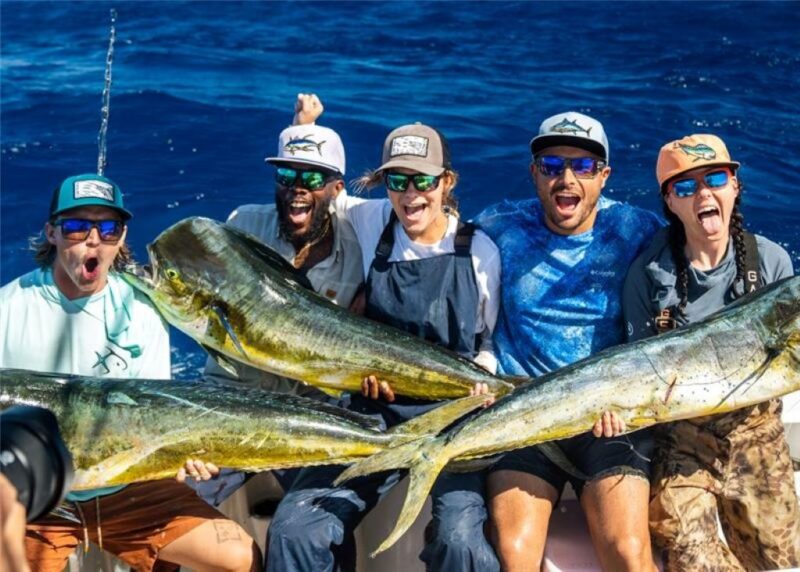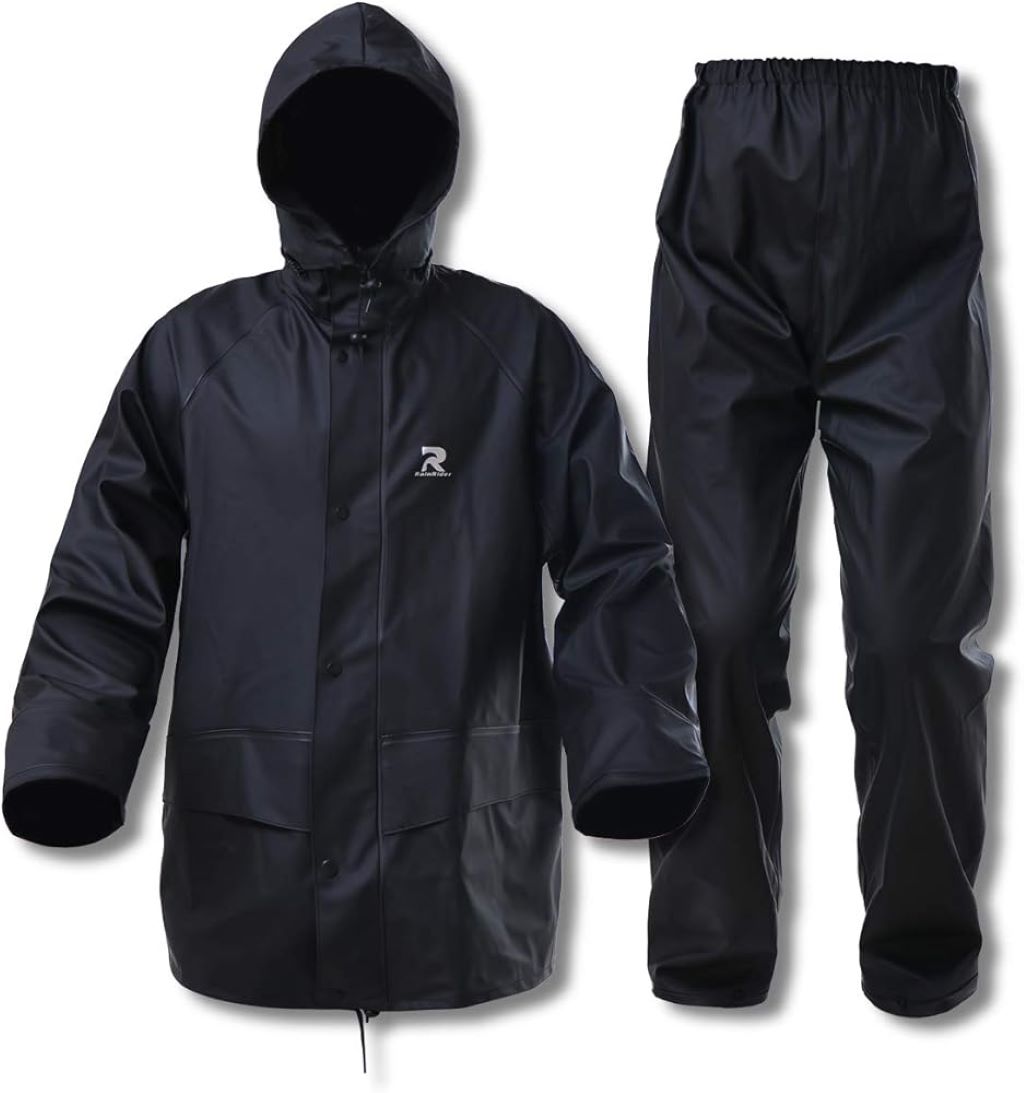
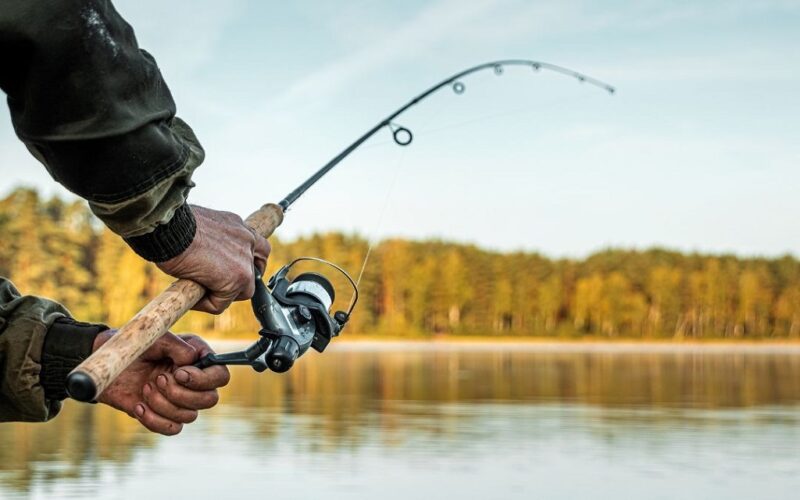
Fishing in 2025 is more dynamic than ever. With shifting weather patterns, advanced gear, and evolving fish behavior, anglers must adapt their approach season by season. Understanding these changes is crucial to increasing your success on the water. Whether you fish freshwater lakes, coastal estuaries, or icy rivers, this seasonal fishing tips guide gives you strategic insights backed by data and expert experiences.
Spring Fishing: The Spawn Awakens
Spring is a time of renewal, not just in nature, but in fish activity. As waters warm between 50°F and 60°F, most freshwater species, like bass, crappie, and walleye, begin spawning.
Key Strategies:
- Target shallow flats and coves: These areas warm up first, drawing spawning fish.
- Use soft plastics and spinnerbaits: Lures that mimic small baitfish and frogs work well in murky, stirred-up water.
Fish are more aggressive during the pre-spawn, guarding their beds. According to a 2024 report by In-Fisherman, catch rates increase by 35% during the pre-spawn if you fish near structure and submerged timber. However, overfishing during this fragile time can harm fish populations. Catch and release remains crucial.
Expert Tip: Use polarized sunglasses to spot beds in clear shallows. Approach quietly to avoid spooking fishing tips .
Summer Fishing: Deep Water Mastery
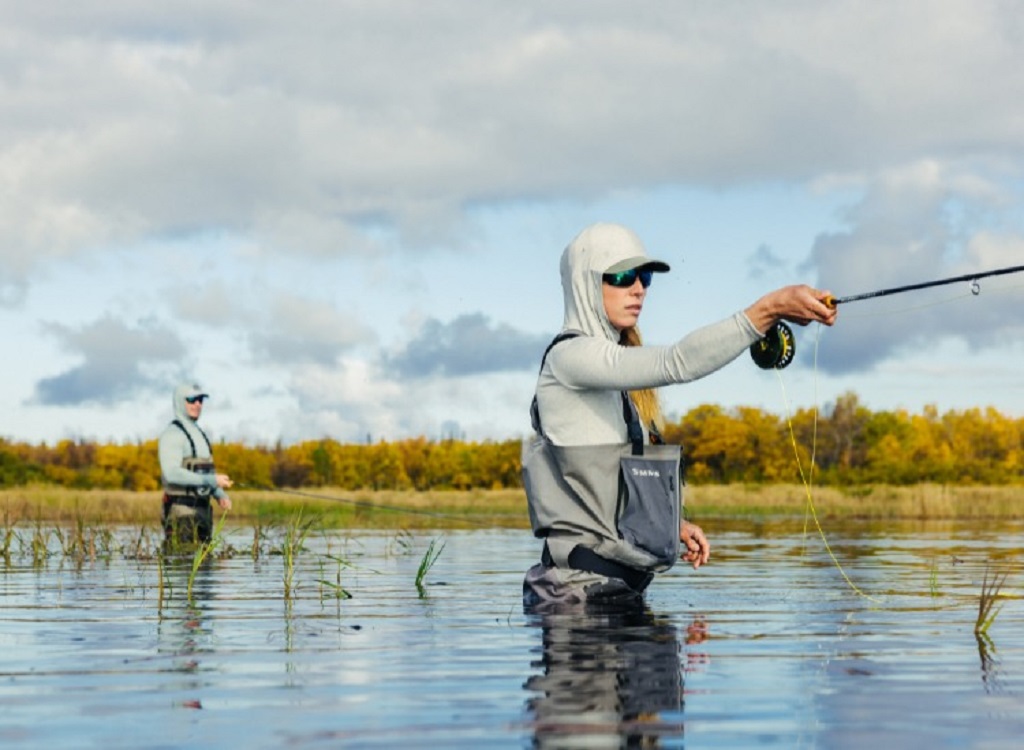
By June, surface temperatures often exceed 75°F. Fish retreat to deeper, cooler water, especially during midday. This transition stumps many casual anglers.
Hot-Weather Tactics:
- Fish early morning or dusk: Low light conditions bring fish into shallower feeding zones.
- Switch to deeper presentations: Drop shots, deep-diving crankbaits, and Carolina rigs excel.
In coastal areas, species like striped bass and redfish move with tidal patterns. According to NOAA, tidal swings can impact catch success by up to 60% depending on the phase. Tides, moon phases, and wind direction all play into a successful summer outing.
Expert Tip: Use a fishfinder to locate thermoclines—areas where temperature drops sharply. Gamefish often suspend along this line.
Fall Fishing: Feeding Frenzy Mode
Fall may be the most underrated season for fishing. As water temperatures drop from the summer peak, fish go into feeding overdrive to prepare for winter.
Winning Fall Techniques:
- Use reaction baits: Lipless crankbaits and topwaters perform best during cool mornings.
- Follow bait schools: Where there’s bait, there’s predator fish.
A Bassmaster study found that fall bass increase feeding by 25% in reservoirs with shad populations. Lakes and rivers with migrating baitfish see explosive action.
Expert Tip: Watch for surface disturbances. Birds and bait splashes indicate active fish schools nearby.
Winter Fishing: Patience and Precision
Winter fishing challenges even experienced anglers. Fish slow their metabolism, become lethargic, and hold tight to structure.
Cold-Weather Approach:
- Use small, subtle lures: Jigs, spoons, and minnows are ideal.
- Fish deep and slow: Patience pays off.
Ice fishing thrives in northern states. Popular species like pike, perch, and lake trout remain active under the ice. Modern sonar tools, like the Garmin LiveScope, allow you to track fish movements in real-time.
Expert Tip: Safety first—check ice thickness (at least 4 inches) and wear a float suit.
Featured Snippet:
What’s the Best Time of Year to Catch More Fish in 2025?
The best time depends on species and location, but fall is increasingly productive across the U.S. In 2025, with climate shifts extending warm periods, fall fishing lasts longer. Fish aggressively feed before winter, and boat traffic drops, reducing pressure. Combine cooling temps with abundant baitfish and you’ll find consistent bites. Use fast-moving lures to mimic shad or herring. However, don’t ignore spring; spawning fish are territorial and strike readily. Fall wins for numbers and size, but spring offers intense action.
Professional Tips for Every Season
- Log every trip: Track conditions, lure types, and results to spot seasonal patterns.
- Stay weather-aware: Barometric pressure affects fish behavior; low pressure often increases activity.
- Upgrade your gear: In 2025, smart reels and sonar devices can provide real-time insights, improving catch rates.
According to AnglerSurvey.com, anglers who use tech like sonar and weather apps increase catches by up to 40%.
Real-World Example
In Lake Guntersville, Alabama, local guide Tom Banks reports that targeting grass mats in late summer with hollow-bodied frogs yielded record topwater bites in 2024. His clients saw over 30 strikes per day, with fish averaging over 4 pounds. This trend is expected to continue into 2025 as aquatic vegetation thrives in warm, nutrient-rich waters.
FAQs
What lures work best year-round?
Stickbaits, jigs, and soft plastics offer versatility across all seasons. Adjust size and retrieval speed as needed.
Is ice fishing dangerous?
It can be. Always check ice conditions, wear safety gear, and fish with a buddy.
When is the best time to fish saltwater in 2025?
Spring and fall offer peak inshore fishing. Offshore species follow temperature bands, so use a water temp map.
Do moon phases affect fishing?
Yes, particularly during saltwater fishing. Full and new moons drive stronger tides and feeding patterns.
Can you fish during rain or storms?
Light rain can improve fishing by breaking up surface visibility. Avoid thunderstorms for safety.
How does climate change affect fishing?
fishing tips are shifting habitats and altering spawning times. Adapting strategies seasonally is more important than ever.
Should I release fish during spawning?
Yes. Letting them spawn ensures sustainable populations for future fishing seasons.
Read More Also: Baits and Rigs for River Fishing
Final Thought
Fishing in 2025 isn’t just a pastime—it’s a precision sport. Seasonal changes affect fish behavior more than ever before . To catch more fishing tips and enjoy better experiences, anglers must learn the rhythms of nature, stay updated with technology, and respect ecosystems. Whether casting from a dock in spring, battling stripers under a summer moon, chasing fall feeding frenzies, or braving icy lakes in winter, this year-round guide empowers you to fish smarter. Stay curious, stay prepared, and the waters will reward you.