
The sun is setting, painting the sky with hues of orange and purple, a gentle breeze ruffles the water, and you feel that familiar tug – a fish is on the line! This idyllic scene, a staple in any angler’s dreams, often overlooks a tiny but mighty component that makes it all possible: the fishing hook. Yet, far too many anglers return home, toss their gear in a corner, and forget about these vital pieces of tackle until the next outing. That’s when the nightmare begins – discovering your once-sharp, reliable hooks have succumbed to the silent, insidious enemy: rust.
Rust, a relentless force of nature, transforms the gleaming efficiency of a new hook into a brittle, dull, and utterly useless piece of metal. It’s the silent killer of successful fishing trips, leading to lost fish, frustrating snags, and ultimately, a diminished passion for the sport. But what if there was a way to defy this inevitable decay? What if you could extend the life of your hooks, maintain their razor-sharp edges, and ensure they’re always ready for that next trophy catch?
This comprehensive guide is your arsenal against the relentless march of rust. We’ll delve deep into the science behind corrosion, uncover practical strategies for preventing its onset, and equip you with the knowledge to rescue hooks already showing signs of wear. Whether you’re a seasoned pro or just starting your angling journey, understanding how to maintain and rust-proof your fishing hooks isn’t just about saving money; it’s about safeguarding your success, enhancing your enjoyment, and ensuring every cast counts. So, before your cherished hooks turn from “rust to dust,” let’s dive into the essential tips that will keep your tackle in pristine condition, ready for countless adventures on the water.
The Science of Oxidation: Understanding Your Enemy
To effectively combat rust, we must first understand its nature. Rust is the common term for iron oxides, a reddish-brown flaky coating that forms on iron or steel through the process of oxidation. This electrochemical reaction occurs when iron comes into contact with oxygen and water (or even just high humidity). Fishing hooks, typically made from high-carbon steel, are particularly susceptible due to their constant exposure to moisture, salt (in saltwater environments), and often, neglect.
Several factors accelerate this process:
- Water: The primary catalyst. Both freshwater and saltwater will initiate rust, though saltwater, with its dissolved salts, acts as an electrolyte, significantly speeding up the corrosion.
- Oxygen: Abundant in the air and dissolved in water.
- Time: The longer a hook is exposed to oxygen and water, the more rust will form.
- Temperature: Warmer temperatures generally accelerate chemical reactions, including oxidation.
- Acidity/Alkalinity: Highly acidic or alkaline environments can also influence rust formation.
Understanding these contributing factors is the first step towards effective rust prevention. It’s not just about what you do to your hooks, but also how you store them and what environments they are subjected to.
Proactive Measures: Preventing Rust Before It Starts
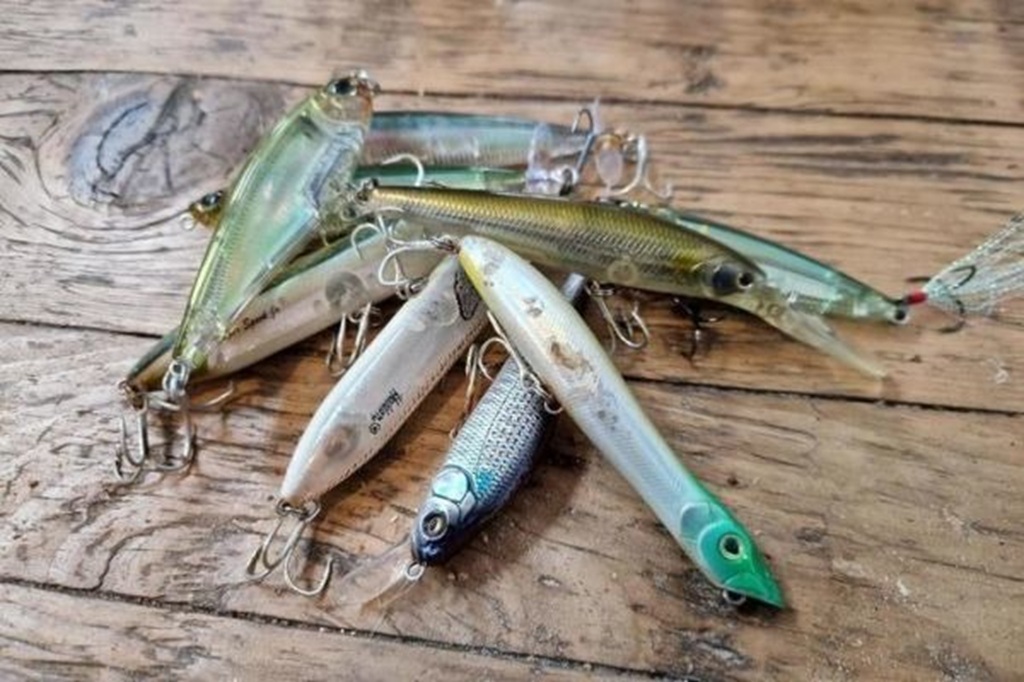
The old adage “an ounce of prevention is worth a pound of cure” couldn’t be more true when it comes to fishing hooks. Implementing a robust preventative maintenance routine is far more effective than trying to salvage rusted hooks.
-
Rinse and Repeat: The Post-Fishing Ritual
This is arguably the most crucial step, yet often the most overlooked. As soon as you finish fishing, especially in saltwater, thoroughly rinse all your hooks with fresh, clean water.
- Saltwater Fishing: Salt crystals left on hooks draw moisture from the air, accelerating corrosion. Rinse hooks individually or in a mesh bag under a gentle stream of tap water. Do not use hot water as it can speed up drying too quickly and leave salt deposits.
- Freshwater Fishing: Even freshwater contains minerals and organic matter that can contribute to rust. A quick rinse will remove these contaminants.
-
The Power of Thorough Drying
After rinsing, drying your hooks completely is paramount. Moisture is rust’s best friend.
- Air Dry: Spread hooks out on a clean, dry cloth in a well-ventilated area, out of direct sunlight.
- Towel Dry: Gently pat hooks dry with a soft, absorbent towel. Avoid rubbing aggressively, which can dull points.
- Desiccants: Consider placing a small desiccant packet (like silica gel) in your tackle box to absorb ambient moisture. These are often found in new product packaging and can be reused after drying in an oven.
-
Lubrication: A Protective Barrier
Once thoroughly dry, applying a protective coating creates a barrier against moisture and oxygen.
- Light Oil or Silicone Spray: A thin layer of a non-toxic, non-petroleum-based oil (like mineral oil) or a specialized fishing tackle lubricant/silicone spray can work wonders. Apply with a clean cloth, ensuring full coverage without excessive residue. Avoid WD-40 on hooks, as it can be too heavy and attract dirt.
- Grease/Wax: For long-term storage, some anglers opt for a thin coat of marine-grade grease or even a dedicated hook wax. These offer excellent protection but require more effort to clean off before use.
-
Smart Storage Solutions
How you store your hooks has a massive impact on their longevity.
- Airtight Containers: Store hooks in airtight tackle boxes or small plastic containers with secure lids. This limits exposure to humid air.
- Separate Compartments: Avoid tossing all your hooks into one large compartment. Use individual compartments or small, resealable bags to prevent hooks from scratching each other, which can compromise their protective coatings and expose bare metal.
- Foam Inserts: Some tackle boxes come with foam inserts that hold hooks individually. This is ideal for preventing contact and potential scratching. Ensure the foam is dry before storing hooks.
- Avoid Temperature Swings: Store your tackle box in a stable environment, away from extreme temperature fluctuations, which can lead to condensation. An air-conditioned room or a garage with stable temperatures is better than a hot attic or damp shed.
-
Material Matters: Choosing the Right Hooks
While prevention is key, some hooks are inherently more resistant to rust due to their material and coatings.
- Stainless Steel Hooks: While not entirely rust-proof, stainless steel offers superior corrosion resistance compared to high-carbon steel. They are generally more expensive but can be a worthwhile investment for saltwater fishing.
- Corrosion-Resistant Coatings: Many manufacturers apply special coatings (e.g., black nickel, tin, or various proprietary finishes) to their hooks to enhance rust resistance. Look for these features when purchasing new hooks. While these coatings provide an excellent initial barrier, they can wear off over time, making preventative measures still essential.
Reactive Measures: Rescuing Hooks from the Brink
Despite your best efforts, sometimes rust happens. Don’t despair! For minor surface rust, there are methods to bring your hooks back to life.
-
Gentle Abrasives for Surface Rust
For light, superficial rust, a gentle abrasive can do the trick.
- Fine Steel Wool or Emery Cloth: Carefully rub the affected areas with a very fine grade of steel wool (0000 grade) or emery cloth. Be extremely gentle to avoid dulling the hook point or barb.
- Specialized Rust Erasers: Angling supply stores sometimes carry small “rust erasers” designed specifically for tackle.
- Toothbrush and Baking Soda Paste: For a milder approach, create a paste with baking soda and water. Scrub with an old toothbrush. Baking soda is a mild abrasive and can help lift surface rust.
-
Chemical Solutions (Use with Caution!)
For more stubborn rust, some chemical solutions can be effective, but they require careful handling and ventilation.
- Vinegar Soak: White vinegar (acetic acid) can dissolve rust. Soak rusted hooks in undiluted white vinegar for a few hours or overnight, depending on the severity. Check periodically. After soaking, scrub with a brush and rinse thoroughly with clean water, then dry completely and apply a protective oil.
- Citric Acid: A slightly stronger alternative to vinegar, available in powder form. Mix with water to create a solution.
- Commercial Rust Removers: Several products are designed to remove rust from metal. Always follow the manufacturer’s instructions meticulously, wear appropriate protective gear (gloves, eye protection), and ensure good ventilation. These often contain stronger acids and can damage finishes if left on too long. Never use strong acids like muriatic acid on fishing hooks, as they can weaken the metal structure.
Important Note on Reacting to Rust: While you can remove surface rust, understand that deep pitting caused by corrosion structurally weakens the hook. A hook with significant pitting, especially near the bend or eye, should be discarded. The risk of a hook breaking under pressure, leading to a lost fish, is not worth saving a few dollars.
Sharpening: The Final Touch
Once your hooks are rust-free and protected, ensure their points are razor-sharp. A dull hook will struggle to penetrate, leading to missed bites and frustration.
- Hook Sharpeners: Invest in a good quality hook sharpener. There are various types: flat files, ceramic sharpeners, and diamond sharpeners.
- Proper Technique: Hold the hook securely and file or hone along the cutting edges, maintaining the original angle of the point. Aim for a needle-sharp point that can easily catch on your thumbnail.
- Check Regularly: Before every fishing trip, check the sharpness of each hook. A quick touch-up can make all the difference.
Beyond the Hooks: A Holistic Approach to Tackle Care
While this article focuses on hooks, remember that rust doesn’t discriminate. Your pliers, multi-tools, lures, and even rod guides are susceptible. Adopt a holistic approach to tackle care:
- Rinse All Gear: After saltwater use, rinse all your gear, including reels, rods, and lures.
- Dry Completely: Ensure everything is thoroughly dry before storage.
- Lubricate Moving Parts: Apply specialized lubricants to reel components and plier hinges.
- Inspect Regularly: Make it a habit to inspect all your tackle for signs of wear and tear, including rust.
Read More Also: Mystery of the Perfect Fishing Rod Selection
Conclusion: Your Investment in Angling Success
From the microscopic battle of oxidation to the satisfying glint of a perfectly maintained hook, the journey of “rust to dust” can be prevented. By understanding the principles of corrosion, adopting proactive preventative measures, and knowing when to react or replace, you empower yourself with the knowledge to extend the life of your fishing hooks and, more importantly, elevate your angling experience.
Imagine the confidence of knowing every hook you cast is pristine, sharp, and ready to secure your next catch. No more missed strikes due to dull points, no more lost fish from weakened metal. This isn’t just about saving money on replacement hooks; it’s about maximizing your time on the water, reducing frustration, and deepening your connection with the sport you love.
So, the next time you return from a fishing adventure, resist the urge to simply toss your gear aside. Take those extra few minutes to rinse, dry, lubricate, and store your hooks properly. It’s a small investment of time that pays massive dividends in reliability, performance, and ultimately, fishing success. Your hooks are your direct link to the fish; treat them with the care they deserve, and they will serve you faithfully, trip after triumphant trip.
Ready to make rust a thing of the past? Start implementing these tips today and experience the difference. What’s your go-to rust prevention tip? Share your insights and success stories in the comments below! Let’s build a community of anglers who defy the decay and keep their hooks sharper, longer!