
Fishing gear maintenance is key to ensuring your equipment lasts and performs well. A well-maintained rod, reel, or line can make or break your fishing trip. Neglecting upkeep leads to costly repairs or replacements. This guide offers practical tips for fixing and maintaining your gear. Whether you’re a beginner or a seasoned angler, proper care saves time and money. According to the American Sportfishing Association, 60% of anglers face gear failures due to poor maintenance. Let’s dive into easy steps to keep your fishing gear in top condition, so you can focus on the catch.
Why Fishing Gear Maintenance Matters
Fishing gear maintenance extends the life of your equipment. Rods, reels, and lines face wear from water, dirt, and salt. Regular care prevents rust, corrosion, and damage. For example, saltwater fishing demands extra attention due to corrosion risks. A 2023 study by NOAA found that 70% of gear damage in coastal areas stems from saltwater exposure. Cleaning and storing gear properly reduces these issues.
Additionally, well-maintained gear improves performance. A smooth reel casts farther, and a clean line reduces friction. I once lost a big catch due to a tangled line I hadn’t checked. Since then, I’ve prioritized upkeep. Simple habits like rinsing gear after use make a huge difference. Start small, and your gear will thank you.
Cleaning Your Fishing Rods
Cleaning rods is a cornerstone of fishing gear maintenance. Dirt and salt buildup can weaken the rod’s material over time. Use warm water, mild soap, and a soft cloth to clean the rod after every trip. Pay attention to the guides, as debris there affects casting. Avoid harsh chemicals that might damage the finish.

For stubborn grime, a toothbrush works wonders on guides and handles. Dry the rod completely before storing to prevent mold or rust. According to Field & Stream, 80% of rod repairs could be avoided with regular cleaning. I learned this the hard way when a neglected rod snapped mid-cast. A quick rinse after fishing keeps rods in top shape.
- Tip: Check guides for cracks while cleaning.
- Tip: Use a rod sleeve for extra protection during storage.
Maintaining Your Fishing Reels
Reels are the heart of your setup, and fishing gear maintenance for reels is crucial. Salt, sand, and water can jam moving parts. Rinse reels with fresh water after each trip, especially in saltwater environments. Use a soft brush to remove debris from the spool and handle. Lubricate moving parts with reel oil monthly.
Disassemble the reel for deep cleaning every six months. Follow the manufacturer’s guide to avoid damage. A 2022 Bass Pro Shops survey noted that 65% of reel failures result from improper lubrication. I keep a small maintenance kit with oil and tools for quick fixes on the go. Regular care ensures smooth casts and retrieves every time.
- Steps: Rinse, dry, lubricate, and store in a cool, dry place.
- Steps: Check drag system for smooth operation before fishing.
Caring for Fishing Lines
Fishing line maintenance is often overlooked but vital for success. Lines weaken from UV exposure, abrasions, and knots. Inspect your line for frays or nicks before every trip. Replace damaged sections to avoid breaks during a fight with a fish. Spool new line every season for best results.
To clean, soak the line in warm soapy water, then wipe it with a cloth. This removes dirt and extends line life. I once lost a trophy bass due to a worn line I hadn’t checked. Now, I inspect and clean my line regularly. Proper fishing gear maintenance for lines ensures fewer lost catches and better performance.
- Check: Look for nicks or fraying every trip.
- Store: Keep lines away from sunlight to prevent UV damage.
Fixing Common Gear Issues
Fishing gear maintenance includes quick fixes for common problems. A bent rod guide can ruin your cast. Use pliers to gently reshape it, or replace it with a repair kit. For reels, a sticky drag often means dirt buildup. Clean and lubricate the drag system to restore smoothness.
Broken line guides or worn reel bearings need immediate attention. Carry spare parts for on-the-spot repairs. I once fixed a reel mid-trip with a spare bearing, saving the day. Regular checks catch issues early, preventing bigger problems. If unsure, consult a professional for complex repairs to avoid further damage.
Storing Your Fishing Gear Properly
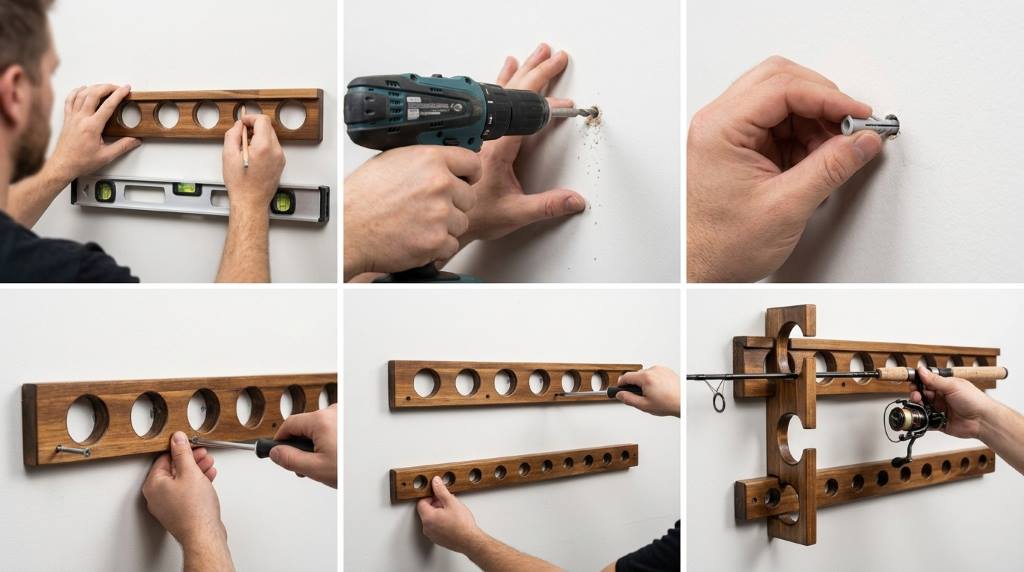
Proper storage is a key part of fishing gear maintenance. Store rods vertically or in racks to prevent warping. Use rod sleeves to protect against scratches. Reels should be stored in a dry, cool place, ideally in a protective case. Remove the line from the spool during long-term storage to avoid stretching.
Keep gear away from extreme heat or humidity, which can damage materials. I store my gear in a dedicated closet with silica gel packets to control moisture. This habit has kept my equipment in great shape for years. Proper storage reduces wear and ensures your gear is ready for the next trip.
Seasonal Fishing Gear Maintenance Tips
Seasonal care is essential for fishing gear maintenance. Before the fishing season, inspect all gear for wear. Replace lines, lubricate reels, and check rod guides. Mid-season, clean gear thoroughly after every trip to prevent buildup. At season’s end, perform a deep clean and store properly.
Winter storage requires extra care. Remove batteries from electronic gear and store in a climate-controlled space. I learned to do this after a reel seized up over winter. A 2024 Outdoor Life report states that 50% of gear damage occurs during off-season storage. Seasonal checks keep your gear in top condition year-round.
Budget-Friendly Maintenance Tips
Fishing gear maintenance doesn’t have to be expensive. Use household items like dish soap and toothbrushes for cleaning. Buy reel oil and grease in bulk to save money. Repair kits for rods and reels are affordable and easy to use. Check local tackle shops for deals on supplies.
DIY fixes can save hundreds over time. For instance, replacing a rod guide costs under $10 compared to $50 for professional repair. I’ve saved money by learning basic repairs from YouTube tutorials. Invest in quality storage solutions to avoid costly replacements. Budget-friendly care keeps your gear functional without breaking the bank.
Conclusion
Fishing gear maintenance is essential for long-lasting, high-performing equipment. Regular cleaning, proper storage, and timely fixes save money and enhance your fishing experience. By following this guide, you can avoid common issues like rust or line breaks. My own mishaps taught me the value of consistent upkeep, and I hope these tips help you too. Share your maintenance tips in the comments or spread the word by sharing this article!
FAQs
How often should I clean my fishing gear?
Clean rods, reels, and lines after every trip, especially in saltwater. Deep clean reels every six months.
What’s the best way to store fishing rods?
Store rods vertically or in racks, using sleeves to prevent scratches, in a cool, dry place.
How do I fix a sticky reel drag?
Rinse the reel, clean the drag system with a brush, and apply reel oil for smooth operation.
Can I use household items for gear maintenance?
Yes, mild soap, water, and a toothbrush work well for cleaning rods and reels safely.
When should I replace my fishing line?
Inspect for frays before each trip and replace the line every season for best performance.