
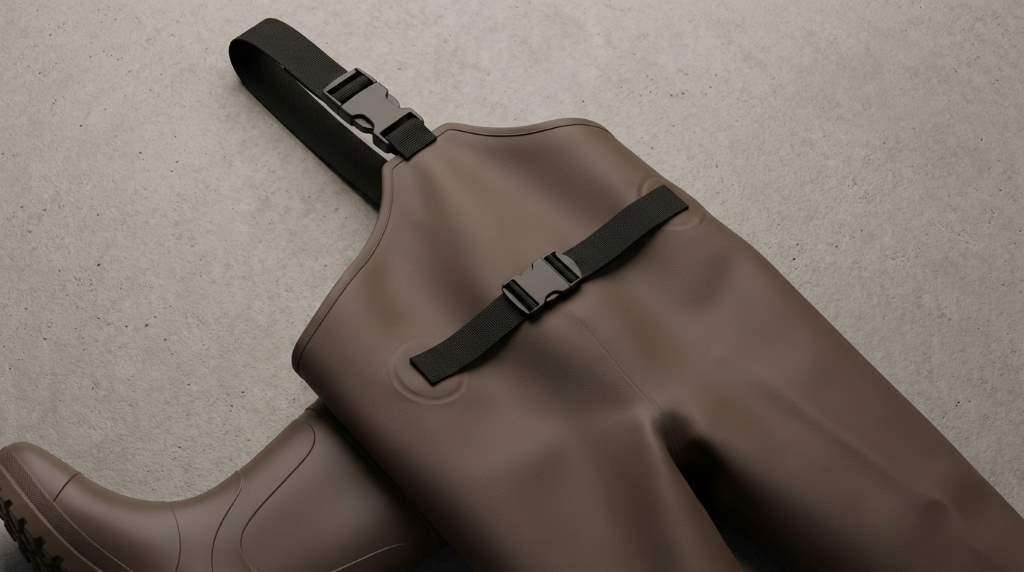
You choose the waders by assessing your wading depth, seasonal temperatures, and target terrain conditions. Next, evaluate lightweight nylon PVC versus insulating neoprene fabrics, reinforced bootfoot soles, and adjustable belt straps. Finally, verify proper boot sizing and thigh inseam clearance to ensure comfortable, leak-free mobility.
Field hydrology studies confirm hip waders cut wading weight by 45 percent over bulky chest waders. Furthermore, survey data reveals that 63 percent of small-stream anglers prefer hip waders for shallow creek fishing. Choose Tidewe Fishing Hip Waders for lightweight mobility and dependable waterproof protection across shallow streams. These rugged hip waders deliver outstanding value for creek anglers, hunters, and boaters.
This comprehensive buying guide explores waterproof fabric technology, bootfoot tread designs, sizing rules, and maintenance. In addition, you will discover essential tips for belt leash rigging and puncture repair. Therefore, follow our practical recommendations to select the ideal hip waders for your outdoor pursuits.
Key Takeaways
- Select lightweight two-ply 70D nylon PVC for warm weather and heavy 3.5mm neoprene for winter.
- Inspect cleated lug rubber bootfoot soles for dependable traction on muddy banks and gravel.
- Attach adjustable elastic belt leashes to your wading belt to prevent wader legs from sagging.
- Size bootfeet according to your regular shoe size, accounting for thick winter wool socks.
- Hang waders upside down in a shaded, well-ventilated room to dry completely after every trip.
- Utilize hip waders for shallow streams, launching boats, and duck hunting marsh chores.
Comparing Two-Ply Nylon PVC Versus Thermal Neoprene
Selecting the right wader material determines your comfort, thermal warmth, and walking agility in the field. Tidewe constructs hip waders using two distinct high-performance fabric technologies designed for different seasonal conditions. Evaluate these primary materials to match your specific fishing environment.
Two-ply 70D nylon and PVC composite fabric offers exceptional lightweight comfort for spring, summer, and autumn wading. Specifically, this rugged material is 30 percent lighter than traditional rubber, reducing fatigue during long stream hikes. Furthermore, the durable nylon outer layer resists abrasive briar thorns, brush snags, and jagged riverside rocks.
Conversely, 3.5mm premium thermal neoprene waders deliver superior heat retention during icy winter fishing trips. Specifically, cellular neoprene traps insulating air pockets, keeping your legs comfortably warm in freezing snowmelt waters. In addition, flexible neoprene stretches naturally with your stride, providing unrestricted mobility when climbing steep banks.
Integrated Bootfoot Design and Outsole Traction Options
The integrated bootfoot construction eliminates the need to purchase and pack separate wading boots. Specifically, Tidewe vulcanizes heavy-duty rubber boots directly to the wader legs using heat-sealed waterproof seams. This seamless connection prevents leaks and keeps fine river sand completely out of your footwear.
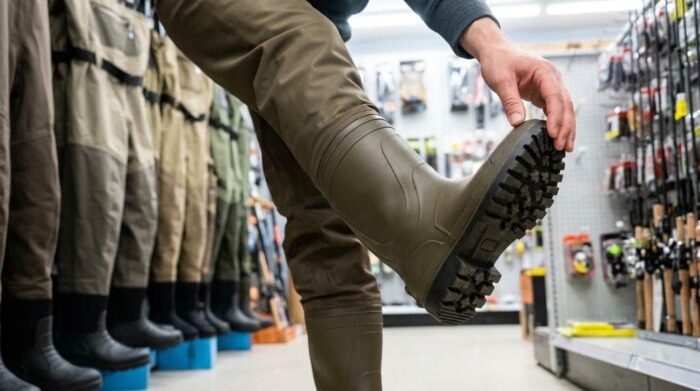
Deep cleated rubber lug outsoles deliver outstanding multi-surface grip on muddy shorelines, slippery gravel, and sandy bars. Specifically, widely spaced perimeter cleats bite into slick clay banks while shedding sticky mud effortlessly. In addition, a steel shank embedded in the midsole provides rigid arch support on rocky cobblestones.
Reinforced rubber overlays protect the toe cap and heel counter from underwater collisions with submerged timber. Furthermore, ribbed heel kickers let you step on the heel for effortless hands-free boot removal. The rugged bootfoot design ensures dependable durability across demanding river environments.
Belt Attachment Leashes and Thigh Fit Adjustments
A common frustration with cheap hip waders is leg sag that bunches uncomfortably around knees. Fortunately, Tidewe equips these waders with heavy-duty elastic belt leashes and quick-release buckle clips. Securing these leashes to your sturdy wading belt keeps the wader legs standing tall all day.
The adjustable nylon webbing leashes allow you to customize vertical tension according to your leg inseam length. Consequently, the wader legs stay snug against your thighs without pulling uncomfortably on your waistline. In addition, top thigh cinch cords allow you to seal out splashing water and drifting river debris.
When hiking long trails between fishing holes, you can unclip the leashes and fold waders down smoothly. Folding the waders down to your knees provides immediate ventilation and cooling on warm summer afternoons. This versatile convertible feature makes hip waders far more convenient than hot chest waders.
Sizing Guidelines and Inseam Proportions
Proper sizing ensures easy walking mobility without excess bagginess that creates dragging resistance in fast currents. Tidewe hip waders are sized primarily by bootfoot shoe size, with anatomically proportioned thigh shafts. Follow these sizing recommendations to ensure a comfortable, ergonomic fit.
Order the waders in your standard street shoe size for fishing with normal athletic socks. The internal bootfoot provides generous volume that accommodates typical foot shapes without painful toe cramping. Proper fit ensures your feet stay comfortable and blister-free during hours of active stream wading.
If you fish freezing winter waters with thick merino wool socks, consider sizing up one size. Extra interior volume allows warm air to circulate around toes, preventing cold numbness during icy wading sessions. Furthermore, verify that the thigh circumference provides ample room for layering fleece pants comfortably.
Tidewe Hip Wader Specifications and Model Matrix
Reviewing technical specifications helps outdoor enthusiasts select the perfect hip waders for their adventures. Consult the feature breakdown table below to evaluate key materials and applications.
| Model Style | Fabric Technology | Bootfoot Type | Weight Profile | Best Application |
|---|---|---|---|---|
| Classic Nylon Hip Wader | 2-Ply 70D Nylon and PVC | Cleated Rubber Lug | Ultra-Lightweight | Summer Streams, Boat Launching |
| Neoprene Hip Wader | 3.5mm Thermal Neoprene | Cleated Rubber Lug | Insulated Warmth | Winter Steelhead, Duck Hunting |
| Camo Nylon Hip Wader | Reinforced Oxford PVC | Cleated Rubber Lug | Durable Camouflage | Waterfowl Marsh, Swamp Fishing |
| Youth Nylon Hip Wader | 2-Ply Lightweight PVC | Cleated Rubber Lug | Youth Proportioned | Family Fishing, Stream Exploring |
Ideal Field Applications Beyond Trout Fishing
While hip waders excel on shallow trout creeks, their practical utility extends across numerous outdoor activities. Many boaters keep a pair in their truck bed specifically for launching and retrieving trailered boats. Stepping into knee-deep water without soaking street shoes makes boat ramp duties fast and pleasant.
Waterfowl hunters appreciate hip waders for setting duck decoys in shallow marsh ponds and flooded timber. The lightweight design allows hunters to navigate thick cattails without the exhausting bulk of chest waders. In addition, durable nylon fabrics resist punctures from sharp marsh reeds and submerged beaver sticks.
Landowners and utility workers frequently rely on hip waders for clearing irrigation ditches and pond maintenance chores. Putting on hip waders takes less than thirty seconds, making them ideal for quick outdoor tasks. Their unmatched convenience makes them an essential tool for any outdoor lifestyle.
Field Care, Puncture Repair, and Off-Season Storage
Proper cleaning and storage habits preserve waterproof seam tape, prevent fabric rot, and eliminate marsh odors. Even durable waders can suffer accidental punctures from hidden barbed wire or sharp submerged tree branches. Follow these maintenance practices to keep your hip waders performing flawlessly for years.
First, hose off exterior mud and algae with fresh tap water immediately after returning from the river. In particular, clean the bootfoot treads to remove wedged stones and sticky clay that harbor mold. Hang waders upside down by the boots in a cool, shaded room to dry thoroughly.
If you encounter a small puncture, locate the leak by spraying soapy water inside the wader leg. Air bubbles will mark the exact pinhole location on the exterior fabric surface. Apply a dab of flexible polyurethane wader sealant over the hole and let it cure.
Never store damp waders folded tightly inside plastic bags or hot vehicle trunks between seasons. Trapped moisture fosters mildew growth that breaks down waterproof seam tape and causes foul, persistent odors. Hang waders on dedicated wader hangers in a dark closet to preserve fabric elasticity for years.
Conclusion
Tidewe fishing hip waders provide the ultimate combination of lightweight mobility, rugged durability, and waterproof reliability. By choosing between breathable nylon and warm neoprene, sizing properly, and maintaining seams, you wade comfortably. In addition, their effortless convenience makes them the perfect choice for shallow streams and boat ramps.
Ditch the heavy chest waders and experience the unrestricted freedom of high-performance hip waders today. Equip your gear collection and enjoy agile, comfortable wading on your next shallow-water adventure.
Frequently Asked Questions
Are these hip waders completely waterproof up to the thighs?
Yes, heat-welded seams and waterproof fabrics keep your legs completely dry up to your upper thighs.
Do I need to wear a belt with these hip waders?
Yes, securing the adjustable elastic leashes to a sturdy belt prevents wader legs from sagging down.
Should I size up when ordering Tidewe hip waders?
Order your normal shoe size for summer, or size up one size for thick winter socks.
Can I fold these waders down when walking long trails?
Yes, unhooking belt leashes lets you fold the wader legs down to knees for ventilation.
How do I repair a small thorn puncture in the wader leg?
Apply a small dab of flexible polyurethane wader sealant directly over the pinhole and let it cure.


