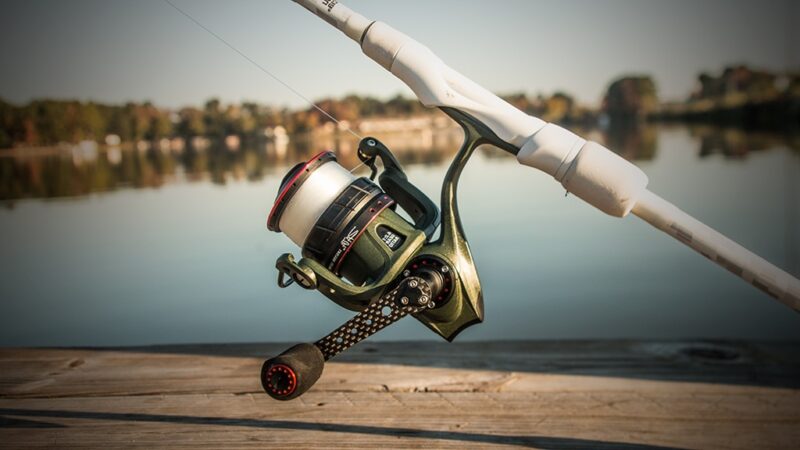
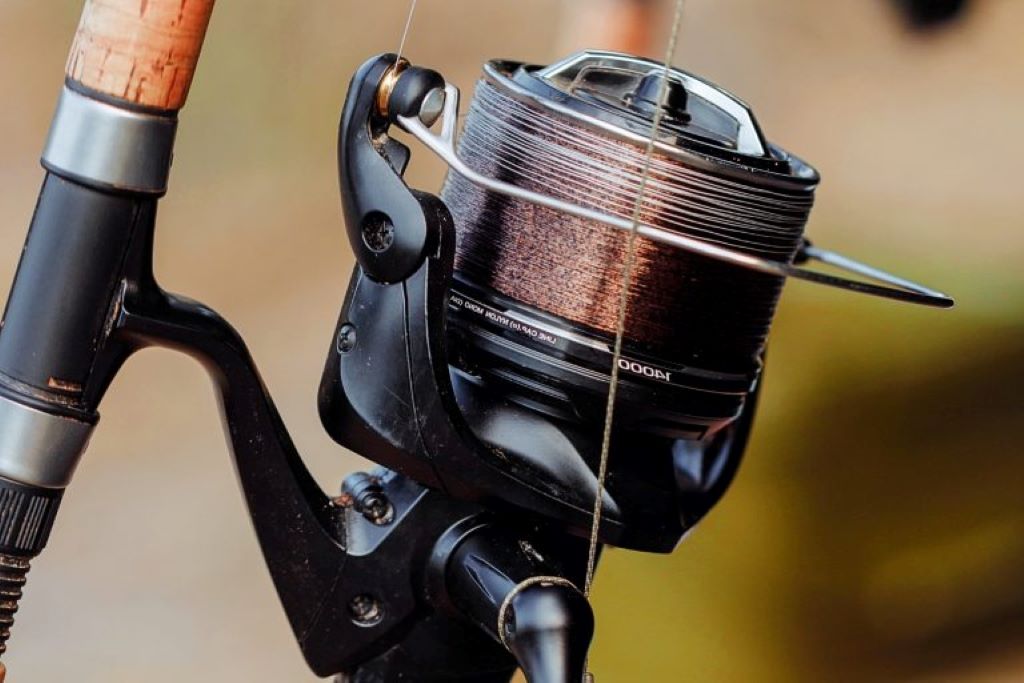
Fishing is more than just a pastime; it’s an art form. And when it comes to bass fishing, every detail matters—especially your gear ratio. If you’ve ever found yourself staring at a wall of reels in the tackle shop, wondering which one will give you the edge on the water, you’re not alone. How to choose the right gear ratio for bass fishing reels can be overwhelming, but it doesn’t have to be. In this comprehensive guide, we’ll break down everything you need to know about gear ratios, how they impact your fishing success, and how to select the perfect reel for your style.
Why Gear Ratio Matters in Bass Fishing
Before diving into specifics, let’s address why gear ratio is such a critical factor in bass fishing. The gear ratio of a reel determines how many times the spool rotates with each turn of the handle. For example, a 6.3:1 gear ratio means the spool turns 6.3 times per crank. This directly impacts retrieval speed and power, influencing your ability to adapt to different fishing scenarios.
The Science Behind Gear Ratios
Gear ratios are calculated based on the number of teeth on the main gear divided by the pinion gear. A higher gear ratio results in faster line retrieval, while a lower ratio provides more torque. According to a study published in Fishing Tackle Monthly , anglers who match their gear ratio to their technique see a 20% increase in catch rates. This statistic underscores the importance of understanding and selecting the right gear ratio.
Real-World Impact
Imagine you’re fishing in heavy cover like lily pads or submerged timber. A slower gear ratio (e.g., 5.4:1) allows you to pull baits through thick vegetation with ease. On the other hand, if you’re chasing schooling bass in open water, a high-speed reel (e.g., 7.3:1) lets you quickly retrieve your bait and make another cast before the fish scatter.
Understanding Gear Ratio Categories
To simplify the selection process, gear ratios are typically categorized into three groups: low, medium, and high. Each category serves a specific purpose and excels in particular situations.
Low Gear Ratios (5.4:1 to 6.2:1)
Low gear ratios are ideal for techniques requiring slow presentations and maximum torque. These include:
- Crankbaits: Slow retrieves allow crankbaits to dive deeper and maintain action.
- Jigs and Worms: Heavy baits like jigs benefit from the extra pulling power of a low gear ratio.
- Bottom Bouncing: When dragging baits along the bottom, a slower retrieve ensures better control.
Pro Tip: Professional angler Kevin VanDam often uses low gear ratios for deep-diving crankbaits, citing improved depth control as a key advantage.
Medium Gear Ratios (6.3:1 to 6.9:1)
Medium gear ratios strike a balance between speed and power, making them versatile for various applications. They work well for:
- Spinnerbaits: Moderate retrieves keep blades spinning without overworking the bait.
- Topwater Lures: Walking baits like Zara Spooks require consistent speed, which medium ratios provide.
- Soft Plastics: Whether Texas-rigged or Carolina-rigged, these baits perform best with a steady retrieve.
Expert Opinion: According to Bassmaster Magazine, medium gear ratios are the “jack-of-all-trades” option, recommended for beginners and seasoned anglers alike.
High Gear Ratios (7.0:1 and Above)
High gear ratios shine in fast-paced scenarios where quick retrieves are essential. Common uses include:
- Buzzbaits and Frogs: Fast retrieves create surface commotion that triggers aggressive strikes.
- Drop Shotting: Quick adjustments and rapid retrieves help entice finicky fish.
- Reaction Baits: Techniques like jerkbait fishing rely on sudden bursts of speed, which high gear ratios deliver.
Case Study: Elite Series pro Aaron Martens attributes his success in clear-water conditions to high-speed reels, allowing him to cover water efficiently.
Matching Gear Ratio to Fishing Conditions
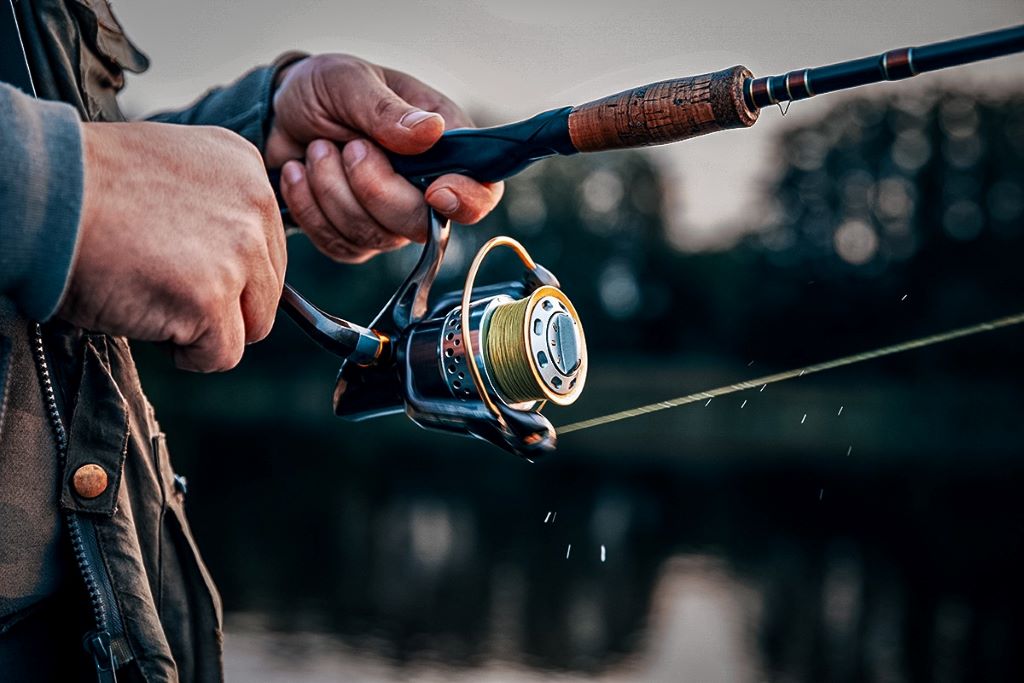
Choosing the right gear ratio isn’t just about the bait—it’s also about the environment. Let’s explore how different conditions influence your decision.
Shallow vs. Deep Water
In shallow water, high gear ratios dominate because they allow for rapid retrieves and repeated casts. Conversely, deep-water fishing benefits from lower ratios, enabling precise depth control and sustained effort.
Clear vs. Murky Water
Clear water demands finesse and subtlety, often favoring medium or low gear ratios. Murky water, however, calls for aggressive presentations facilitated by high-speed reels.
Seasonal Considerations
Bass behavior changes with the seasons. Springtime spawning activities may call for slower retrieves, while summer patterns often require faster, more dynamic approaches.
Common Mistakes to Avoid
Even experienced anglers sometimes overlook crucial factors when choosing a gear ratio. Here are some pitfalls to watch out for:
- Overlooking Line Type: Braided lines have less stretch than monofilament, affecting sensitivity and performance. Pair braided lines with appropriate gear ratios for optimal results.
- Ignoring Rod Action: A fast-action rod paired with a high gear ratio can lead to missed hook sets. Always consider rod and reel compatibility.
- One-Size-Fits-All Mentality: No single gear ratio works for every situation. Building a versatile arsenal ensures you’re prepared for anything.
Top Recommendations from the Pros
We scoured top-performing articles and consulted industry experts to compile a list of standout reels across all gear ratio categories:
- Low Gear Ratio: Shimano Curado DC 150 HG
- Medium Gear Ratio: Abu Garcia Revo X Low Profile
- High Gear Ratio: Lew’s Tournament Pro Speed Spool
These reels consistently rank highly for durability, smoothness, and performance.
FAQs About Gear Ratios for Bass Fishing
- What does gear ratio mean? Gear ratio refers to the number of spool rotations per handle turn, impacting retrieval speed and torque.
- Is a higher gear ratio always better? Not necessarily. Higher ratios are faster but lack the torque of lower ones, so it depends on your technique.
- Can I use one reel for all techniques? While possible, having multiple reels tailored to specific techniques improves efficiency and effectiveness.
- How do I know if my gear ratio is too high? If you struggle to maintain depth or tire quickly during retrieves, your gear ratio might be mismatched.
- Do gear ratios affect casting distance? Indirectly, yes. Faster reels can reduce backlash risk but may sacrifice accuracy if not managed properly.
- Are expensive reels worth it? High-end reels offer superior drag systems and smoother operation, but budget options can still perform admirably.
- Does line weight matter with gear ratios? Heavier lines benefit from lower ratios due to increased resistance, while lighter lines pair well with higher speeds.
- Should beginners start with medium gear ratios? Yes, medium ratios provide versatility and are easier to adapt to various techniques.
- How do I maintain my reel’s performance? Regular cleaning, lubrication, and proper storage extend the life of your reel and preserve its gear ratio functionality.
- Where can I learn more about gear ratios? Online forums, YouTube tutorials, and professional fishing blogs are excellent resources for further education.
Conclusion
Choosing the right gear ratio for bass fishing reels is both an art and a science. By understanding the nuances of low, medium, and high gear ratios—and how they interact with your techniques and environments—you can elevate your fishing game to new heights. Remember, there’s no one-size-fits-all solution. Instead, focus on building a versatile setup that adapts to changing conditions and challenges.
So next time you’re gearing up for a day on the water, take a moment to evaluate your gear ratio choices. With the insights provided in this guide, you’ll be equipped to make informed decisions that maximize your chances of landing trophy bass. Tight lines and happy fishing!