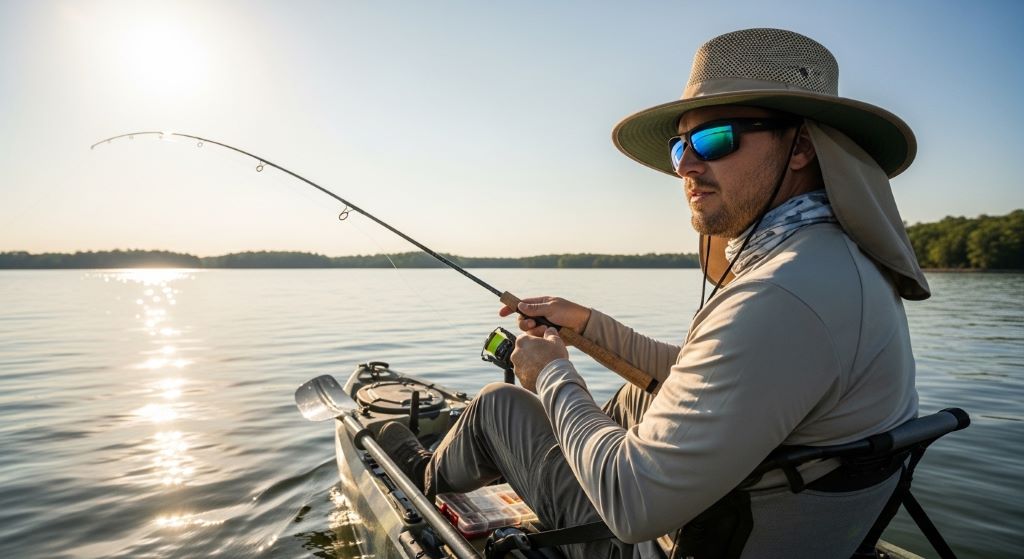
Fishing is a versatile and rewarding activity, but the right gear can make all the difference between a frustrating day and a successful outing. Among the most important pieces of equipment is your fishing rod. The right rod enhances your casting accuracy, improves your ability to feel bites, and helps you land fish more effectively. However, with so many types of fishing rods available, choosing the best one for your style can feel overwhelming.
I remember my first fishing trip with a hand-me-down rod that was too stiff for the light lures I was using. After upgrading to a rod designed specifically for my fishing style, my casting improved, and I started catching more fish. If you’re ready to take your fishing to the next level, exploring the best fishing rods for your needs is a great place to start.
Why the Right Fishing Rod Matters for Different Fishing Styles
A fishing rod is more than just a tool—it’s an extension of your fishing technique. The right rod improves your casting distance, accuracy, and control, while the wrong one can lead to missed bites, tangled lines, and frustration. According to the American Sportfishing Association, over 50 million Americans fish each year, and using the right rod for your fishing style can significantly enhance your success and enjoyment.
Different fishing styles require different rod characteristics. For example, a lightweight, flexible rod is ideal for finesse fishing with light lures, while a heavy-duty rod is necessary for trolling or deep-sea fishing. The right rod also helps you feel subtle bites and fight fish more effectively, making it easier to land your catch. Whether you’re a beginner or an experienced angler, choosing a rod that matches your fishing style ensures better performance and more enjoyable time on the water.
Types of Fishing Rods for Different Fishing Styles
1. Spinning Rods
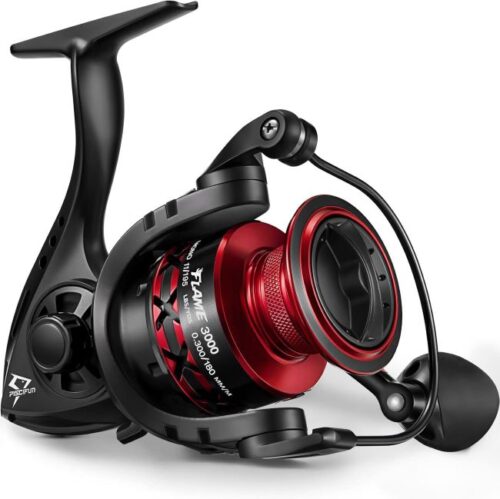
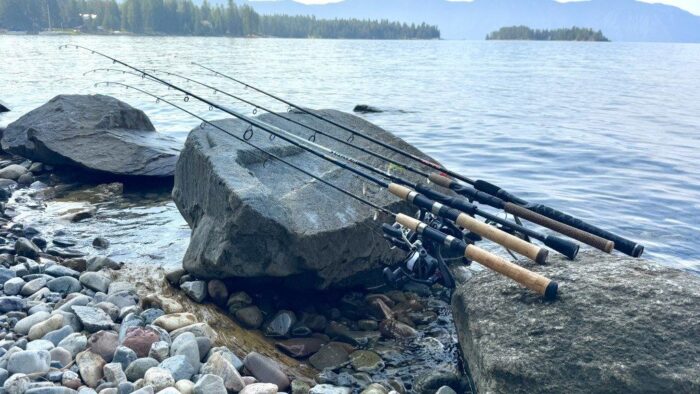
Spinning rods are the most versatile and popular type of fishing rod, ideal for beginners and experienced anglers alike. They are designed to pair with spinning reels, which allow for smooth casting and retrieval of light to medium-weight lures. Spinning rods are perfect for a wide range of fishing styles, including freshwater, saltwater, and finesse fishing.
Pros:
- Versatile for a variety of fishing styles and techniques
- Easy to use and great for beginners
- Lightweight and flexible for accurate casting
Cons:
- Not ideal for heavy lures or large fish
- Limited power compared to baitcasting or trolling rods
2. Baitcasting Rods
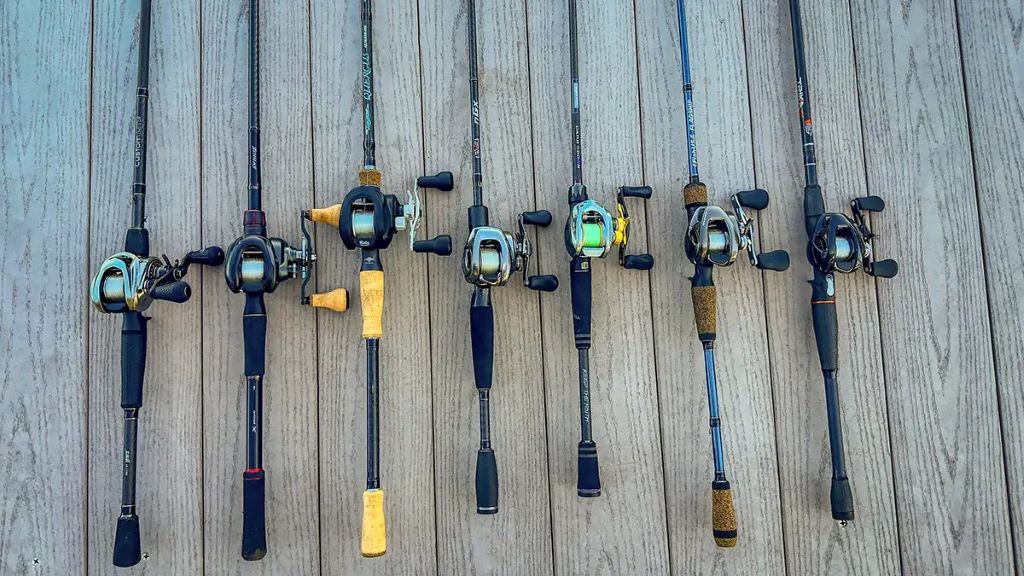
Baitcasting rods are designed for use with baitcasting reels, offering greater accuracy and control for experienced anglers. These rods are ideal for targeting larger fish with heavier lures, such as bass, pike, or muskie. Baitcasting rods require more skill to use effectively but provide better precision and power for advanced techniques.
Pros:
- Greater accuracy and control for experienced anglers
- Suitable for heavier lures and larger fish
- Offers better casting distance and power
Cons:
- Requires practice to master casting technique
- More expensive than spinning rods
3. Fly Fishing Rods
Fly fishing rods are long, lightweight rods designed specifically for fly fishing. They are used to cast lightweight flies with a specialized fly line, allowing for delicate presentations on the water’s surface. Fly rods come in different weights and lengths, each suited for specific types of fly fishing, such as trout, salmon, or bass fishing.
Pros:
- Lightweight and flexible for delicate fly presentations
- Suitable for a variety of fly fishing techniques
- Offers precise control and accuracy
Cons:
- Requires specialized fly fishing skills and techniques
- Not versatile for other types of fishing
4. Trolling Rods
Trolling rods are designed for trolling, a technique where lures or bait are dragged behind a moving boat to attract fish. These rods are typically heavier and more rigid, allowing them to handle the weight of deep-diving lures and large fish. Trolling rods are ideal for offshore fishing, targeting species like tuna, marlin, or walleye.
Pros:
- Heavy-duty construction for large fish and deep lures
- Suitable for offshore and trolling techniques
- Offers excellent power and durability
Cons:
- Not versatile for other fishing styles
- Requires a boat for effective use
5. Ice Fishing Rods
Ice fishing rods are short, sturdy rods designed specifically for ice fishing. They are typically 24 to 36 inches long and feature sensitive tips to detect subtle bites in cold water. Ice fishing rods are lightweight and easy to handle, making them ideal for fishing through small holes in the ice.
Pros:
- Short and sturdy for ice fishing conditions
- Sensitive tips for detecting subtle bites
- Lightweight and easy to handle
Cons:
- Limited to ice fishing and not versatile for other styles
- Short length restricts casting distance
6. Surf Fishing Rods
Surf fishing rods are long, heavy-duty rods designed for casting bait or lures far into the surf. They are typically 9 to 14 feet long and feature powerful construction to handle large fish and strong currents. Surf rods are ideal for fishing from the shore in saltwater environments.
Pros:
- Long and powerful for casting long distances
- Heavy-duty construction for large fish and rough conditions
- Suitable for saltwater and surf fishing
Cons:
- Bulky and difficult to transport
- Requires more skill to cast effectively
7. Ultra-Light Rods
Ultra-light rods are designed for finesse fishing with very light lures and lines. They are ideal for targeting small fish like trout, panfish, or crappie in freshwater environments. Ultra-light rods offer excellent sensitivity and control, allowing for precise presentations and subtle bite detection.
Pros:
- Lightweight and sensitive for finesse fishing
- Ideal for small fish and light lures
- Offers excellent control and accuracy
Cons:
- Not suitable for larger fish or heavy lures
- Limited to finesse fishing techniques
8. Travel Rods
Travel rods are designed for portability, featuring multiple pieces that can be disassembled for easy transport. They are ideal for anglers who travel frequently or have limited storage space. Travel rods come in a variety of styles, including spinning, baitcasting, and fly rods, making them versatile for different fishing techniques.
Pros:
- Portable and easy to transport
- Versatile for different fishing styles
- Ideal for travelers or anglers with limited space
Cons:
- May lack the durability and performance of full-size rods
- Requires assembly and disassembly before and after use
Key Features to Consider When Choosing a Fishing Rod
Rod Material
The material of your fishing rod affects its strength, flexibility, and durability. Common materials include:
- Graphite: Lightweight and sensitive, ideal for finesse fishing and accurate casting. Offers excellent strength-to-weight ratio but can be brittle.
- Fiberglass: Durable and flexible, suitable for heavy-duty fishing and larger fish. More forgiving than graphite but heavier.
- Composite: Combines graphite and fiberglass for a balance of strength, flexibility, and sensitivity. Versatile for a wide range of fishing styles.
Choose a material that matches your fishing style and the types of fish you target.
Rod Length
The length of your fishing rod affects your casting distance, accuracy, and control. Longer rods (7 to 10 feet) offer greater casting distance and are ideal for surf fishing or trolling. Shorter rods (4 to 6 feet) provide better control and accuracy for finesse fishing or ice fishing. Consider the type of fishing you’ll be doing when choosing the length of your rod.
Rod Power
Rod power refers to the rod’s strength and ability to handle different lure weights and fish sizes. Power ratings range from ultra-light to heavy, with each rating suited for specific fishing techniques:
- Ultra-Light: For small fish and light lures.
- Light to Medium: For general freshwater fishing.
- Medium-Heavy to Heavy: For larger fish and heavy lures.
Choose a rod power that matches the size of the fish you’re targeting and the lures you’ll be using.
Rod Action
Rod action refers to how much the rod bends when pressure is applied. Fast-action rods bend mostly at the tip, offering better sensitivity and accuracy for finesse fishing. Slow-action rods bend throughout the length, providing more flexibility and forgiveness for beginners. Medium-action rods offer a balance of sensitivity and flexibility, suitable for a variety of fishing styles.
Handle Material
The handle of your fishing rod affects your grip, comfort, and control. Common handle materials include:
- Cork: Lightweight and comfortable, offering a natural feel and good grip.
- EVA Foam: Durable and water-resistant, providing a firm grip in wet conditions.
- Rubber: Affordable and easy to clean, but less comfortable than cork or EVA foam.
Choose a handle material that feels comfortable and secure in your hands.
Reel Seat
The reel seat of your fishing rod should securely hold your reel in place while allowing for easy adjustments. Look for reel seats made from durable materials like graphite or aluminum, with adjustable or locking mechanisms to keep your reel stable during casting and retrieval.
Guides
The guides on your fishing rod affect your casting distance, accuracy, and line management. Look for high-quality guides made from materials like stainless steel or ceramic, which reduce friction and prevent line wear. The number and placement of guides also influence the rod’s performance, with more guides providing better line control and casting accuracy.
Weight and Balance
The weight and balance of your fishing rod affect your comfort and casting performance. A well-balanced rod feels comfortable in your hands and allows for smooth, accurate casts. Lighter rods are easier to handle for long periods, while heavier rods offer more power for larger fish. Choose a rod that offers a good balance of weight and performance for your fishing style.
Price and Budget
Fishing rods are available at a wide range of price points, from budget-friendly options to high-end models with advanced features. Determine your budget and look for the best combination of quality, performance, and durability within that range. While high-end rods offer premium materials and construction, there are also many affordable options that provide excellent performance for casual anglers.
How to Choose the Right Fishing Rod for Your Fishing Style
Assess Your Fishing Technique
Consider the types of fishing you do most often and the techniques you use. If you prefer finesse fishing with light lures, an ultra-light or light-power spinning rod is ideal. For targeting larger fish with heavier lures, a medium-heavy or heavy-power baitcasting rod offers the power and control you need. Match your rod to your fishing technique for the best results.
Consider Your Target Fish Species
The size and species of fish you’re targeting should guide your choice of fishing rod. For small fish like trout or panfish, an ultra-light or light-power rod is sufficient. For larger species like bass, pike, or saltwater fish, a medium-heavy or heavy-power rod provides the strength and durability needed to land your catch.
Match the Rod to Your Reel
Your fishing rod and reel should be compatible in terms of size, power, and action. Spinning rods pair with spinning reels, while baitcasting rods require baitcasting reels. Fly rods are designed for fly reels, and trolling rods are suited for trolling reels. Choose a rod and reel combo that matches your fishing style and target species.
Test for Comfort and Balance
Whenever possible, test different fishing rods to assess their comfort and balance. Hold the rod in your hands and practice casting to see how it feels. Pay attention to the weight, grip, and overall balance of the rod. If you’re buying online, read user reviews and expert ratings to gauge the performance and quality of the rod.
Prioritize Quality and Durability
Investing in a high-quality fishing rod ensures better performance, durability, and longevity. Look for rods made from strong, durable materials with reinforced construction and high-quality components. While quality rods may come with a higher price tag, they often last longer and perform better, making them a worthwhile investment for your fishing adventures.
Consider Your Budget
Fishing rods are available at a wide range of price points. Determine your budget and look for the best features within that range. While high-end rods offer advanced materials and construction, there are also many affordable options that provide excellent performance and durability for casual anglers.
Common Mistakes to Avoid When Choosing a Fishing Rod
- Choosing Based on Looks Alone: While aesthetics matter, prioritize performance features like material, power, and action.
- Ignoring Rod Power: Using a rod with insufficient power can lead to broken lines or lost fish. Choose a rod that matches the size of the fish you’re targeting.
- Skipping the Reel Compatibility Check: A rod and reel that aren’t compatible can lead to poor casting and performance. Always match your rod to your reel type.
- Overlooking Handle Comfort: An uncomfortable handle can cause fatigue and reduce your control. Choose a handle material that feels secure and comfortable in your hands.
- Not Considering Your Fishing Style: Different fishing styles require different rod characteristics. Choose a rod that matches your technique and target species.
FAQs
What is the best type of fishing rod for beginners?
For beginners, a medium-power spinning rod is often the best choice. Spinning rods are easy to use, versatile for a variety of fishing styles, and pair well with spinning reels. They offer a good balance of power, accuracy, and affordability, making them ideal for learning and improving your fishing skills.
Can I use a spinning rod for baitcasting?
No, spinning rods and baitcasting rods are designed for different types of reels and casting techniques. Spinning rods pair with spinning reels, while baitcasting rods require baitcasting reels. Using the wrong rod and reel combo can lead to poor casting performance and tangles.
How do I know what rod power to choose?
The rod power you choose depends on the size of the fish you’re targeting and the lures you’ll be using. Ultra-light to light-power rods are suitable for small fish and light lures, while medium-heavy to heavy-power rods are ideal for larger fish and heavier lures. Match the rod power to your fishing style and target species.
What is the difference between fast-action and slow-action rods?
Fast-action rods bend mostly at the tip, offering better sensitivity and accuracy for finesse fishing. Slow-action rods bend throughout the length, providing more flexibility and forgiveness for beginners. Medium-action rods offer a balance of sensitivity and flexibility, suitable for a variety of fishing styles.
How often should I replace my fishing rod?
The lifespan of a fishing rod depends on its material, construction, and how often it’s used. Inspect your rod regularly for signs of wear, such as cracks, frayed guides, or bent tips. Replace your rod when it no longer performs well or poses a risk of breaking during use, typically every few years depending on usage.
Conclusion
Choosing the best fishing rod for your fishing style is essential for improving your casting accuracy, control, and overall success on the water. By considering factors like rod material, length, power, and action, you can find a rod that matches your technique and target species. Investing in a quality fishing rod ensures you can fish with confidence and enjoy every moment on the water.
Take the time to research, test, and choose a fishing rod that will enhance your fishing experience and help you land more fish. Whether you’re casting for trout in a mountain stream or trolling for marlin in the open ocean, the right rod makes all the difference in your enjoyment and success.
Have you found a fishing rod that transformed your fishing experience? Share your favorite models or tips in the comments below! And if you found this guide helpful, don’t forget to share it with your fellow anglers.