
Every angler knows the frustration of digging through a chaotic tackle box, searching for that one perfect lure while the fish are biting. Disorganized lures not only waste time but can also lead to damaged or lost gear, costing you money and opportunities on the water. According to a survey by Take Me Fishing, over 60% of anglers admit to losing lures due to poor organization, which adds up to unnecessary expenses and stress.
I remember spending more time untangling hooks and sorting through a jumbled mess of lures than actually fishing. That’s when I realized the importance of a smart storage system. Investing in a well-designed fishing lure storage solution transformed my fishing experience, allowing me to spend more time on the water and less time searching for gear.
Why Organizing Your Fishing Lures Matters
Organizing your fishing lures is not just about convenience—it’s about efficiency, cost savings, and even success on the water. When your lures are neatly arranged, you can quickly find the right one for the conditions, increasing your chances of landing a catch. According to a study by Bassmaster, anglers who use organized storage systems spend 30% less time searching for lures and more time fishing.
Additionally, proper storage protects your lures from damage. Lures tossed haphazardly into a tackle box can get scratched, bent, or tangled, reducing their effectiveness and lifespan. A well-organized storage system keeps your lures in top condition, ensuring they perform as intended when you need them most.
Moreover, organizing your lures can save you money. When you can see all your options at a glance, you’re less likely to buy duplicates or forget about lures you already own. This helps you make the most of your existing gear and avoid unnecessary purchases.
Types of Fishing Lure Storage Boxes
When it comes to organizing your lures, there are several types of storage boxes to consider, each with its own advantages. The most common types include hard plastic tackle boxes, soft-sided tackle bags, and specialized lure organizers.
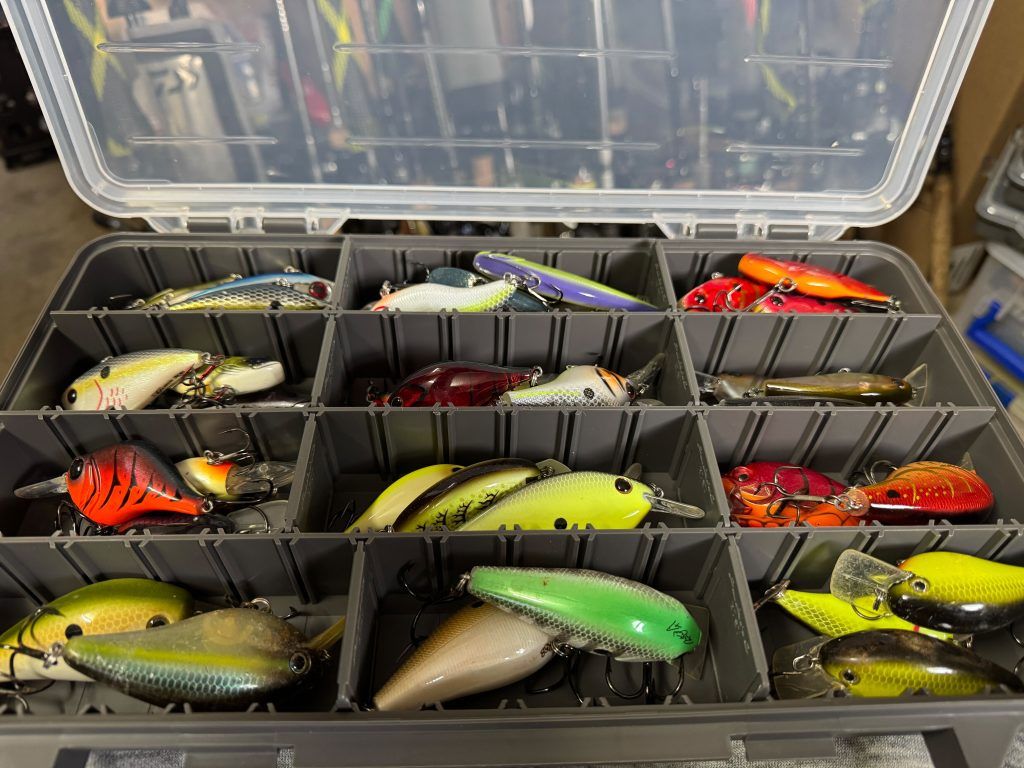
Hard plastic tackle boxes are a classic choice, offering durability and protection for your lures. They come in various sizes and configurations, with multiple compartments to keep lures separated and organized. Some models even feature adjustable dividers, allowing you to customize the storage space to fit your specific needs.
Soft-sided tackle bags are another popular option, especially for anglers who need portability and flexibility. These bags are lightweight and often come with multiple pockets and compartments, making it easy to carry and access your lures. They are ideal for kayak fishing or situations where space is limited.
Specialized lure organizers are designed specifically for storing lures efficiently. These can include lure trays, magnetic boards, or even digital cataloging systems for serious anglers. Lure trays, for example, allow you to sort and display your lures by type, size, or color, making it easy to find the right one quickly. Magnetic boards are great for storing metal lures like spoons or jigs, keeping them visible and accessible.
How to Choose the Right Storage Box for Your Needs
Selecting the right storage box depends on your fishing style, the types of lures you use, and your personal preferences. Start by considering the size and portability of the box. If you fish from a boat or have a lot of gear, a larger, hard-sided tackle box with multiple compartments may be the best choice. For anglers who fish from the shore or a kayak, a smaller, soft-sided bag might be more practical.
Next, think about the types of lures you use most often. If you primarily use hard lures like crankbaits or jerkbaits, a tackle box with padded compartments can protect them from damage. For soft plastic lures, look for a box with sealed compartments to prevent them from drying out or getting tangled. Additionally, consider the material of the storage box. Hard plastic is durable and water-resistant, while soft-sided bags are lightweight and easy to carry.
Another important factor is the accessibility of the storage box. Look for a box with a clear lid or transparent compartments, allowing you to see your lures at a glance. Some boxes also feature removable trays or dividers, making it easy to customize the storage space as your lure collection grows.

Step-by-Step Guide to Organizing Your Lures
Organizing your lures effectively can save you time and frustration on the water. Start by sorting your lures by type, such as crankbaits, spinnerbaits, jigs, and soft plastics. This makes it easier to find the right lure for the conditions you’re fishing in. Within each category, you can further sort lures by size, color, or weight.
Next, assign each type of lure to a specific compartment or section in your storage box. For example, you might use one tray for crankbaits, another for jigs, and a third for soft plastics. This system ensures that each lure has its own designated space, reducing the risk of tangles or damage.
Labeling your compartments can also be helpful, especially if you have a large collection of lures. Use small labels or a marker to identify the contents of each section, making it even easier to find what you need quickly. Additionally, consider using small plastic bags or containers within your tackle box to keep similar lures grouped together.
Finally, regularly review and update your storage system. As you add new lures to your collection, make sure they have a designated place in your storage box. This helps maintain the organization and ensures that your system continues to work for you.
Creative Storage Solutions for Fishing Lures
If you’re looking for more creative ways to organize your lures, there are plenty of innovative solutions to consider. One popular option is using a pegboard system in your garage or fishing shed. Pegboards allow you to hang lures, tools, and other gear, keeping them visible and easily accessible. This is a great way to organize a large collection of lures and other fishing accessories.
Another creative solution is using a shadow box or display case to store and showcase your lures. This not only keeps your lures organized but also allows you to admire your collection. Shadow boxes with glass fronts can protect your lures from dust and damage while still keeping them on display.
For anglers who like to keep their lures close at hand, consider using a lure wrap or roll-up organizer. These are typically made from fabric with multiple pockets or slots for storing lures. They can be rolled up for easy transport and storage, making them ideal for kayak fishing or other situations where space is limited.
Common Mistakes to Avoid When Storing Fishing Lures
While organizing your lures can greatly improve your fishing experience, there are some common mistakes to avoid. One of the biggest mistakes is overcrowding your storage box. When too many lures are crammed into a single compartment, they can get tangled, scratched, or damaged. Always leave enough space between lures to prevent contact and keep them in good condition.
Another mistake is not cleaning and maintaining your lures before storing them. Saltwater, dirt, and grime can build up on lures over time, leading to corrosion or damage. Always rinse your lures with fresh water after each use and dry them thoroughly before storing them. Additionally, check your lures regularly for signs of wear or damage, and replace them as needed.
Lastly, some anglers neglect to update their storage system as their lure collection grows. If your storage box is no longer meeting your needs, consider upgrading to a larger box or adding additional organizers. A well-maintained and up-to-date storage system ensures that your lures remain organized and accessible.
Personal Experience: How Smart Storage Transformed My Fishing
A few years ago, my fishing lure collection was a mess. I had lures scattered across multiple tackle boxes, with no rhyme or reason to the organization. Finding the right lure for the conditions was a constant struggle, and I often ended up wasting time and missing opportunities on the water.
That’s when I decided to invest in a smart storage system. I chose a large, hard-sided tackle box with adjustable dividers and clear compartments. I sorted my lures by type, size, and color, and labeled each section for easy identification. The transformation was immediate and remarkable.
Suddenly, I could find the right lure in seconds, allowing me to spend more time fishing and less time searching. My lures were also in better condition, as they were no longer getting tangled or damaged in a jumbled mess. That experience taught me the value of a well-organized storage system and inspired me to continue refining my approach over time.
Conclusion
Organizing your fishing lures with smart storage boxes is one of the best investments you can make as an angler. It saves you time, protects your gear, and increases your chances of success on the water. By choosing the right storage box for your needs and following a few simple organization tips, you can keep your lures in top condition and ready for action.
Whether you opt for a hard-sided tackle box, a soft-sided bag, or a specialized lure organizer, the key is to find a system that works for you and your fishing style. With a little effort and the right storage solution, you can say goodbye to tangled lures and hello to a more organized, enjoyable fishing experience.
Have you found a storage system that works perfectly for your lures? Share your recommendations or tips in the comments below! And if you found this article helpful, don’t forget to share it with your fellow anglers.
FAQs
What is the best way to organize fishing lures?
The best way to organize fishing lures is to sort them by type, such as crankbaits, spinnerbaits, jigs, and soft plastics. Within each category, you can further sort lures by size, color, or weight. Use a storage box with multiple compartments to keep lures separated and easily accessible.
What type of storage box is best for fishing lures?
The best type of storage box depends on your fishing style and needs. Hard plastic tackle boxes are durable and offer multiple compartments for organization. Soft-sided tackle bags are lightweight and portable, while specialized lure organizers provide customizable storage solutions.
How do I prevent my lures from getting tangled?
To prevent tangles, avoid overcrowding your storage box and leave enough space between lures. Use compartments or dividers to keep lures separated, and consider using small plastic bags or containers for soft plastics or other lures prone to tangling.
Should I clean my lures before storing them?
Yes, always rinse your lures with fresh water after each use to remove salt, dirt, or grime. Dry them thoroughly before storing to prevent corrosion or damage. Regular cleaning and maintenance can extend the life of your lures.
How often should I update my lure storage system?
Review and update your storage system regularly, especially as your lure collection grows. If your current storage box is no longer meeting your needs, consider upgrading to a larger box or adding additional organizers to keep your lures organized and accessible.


