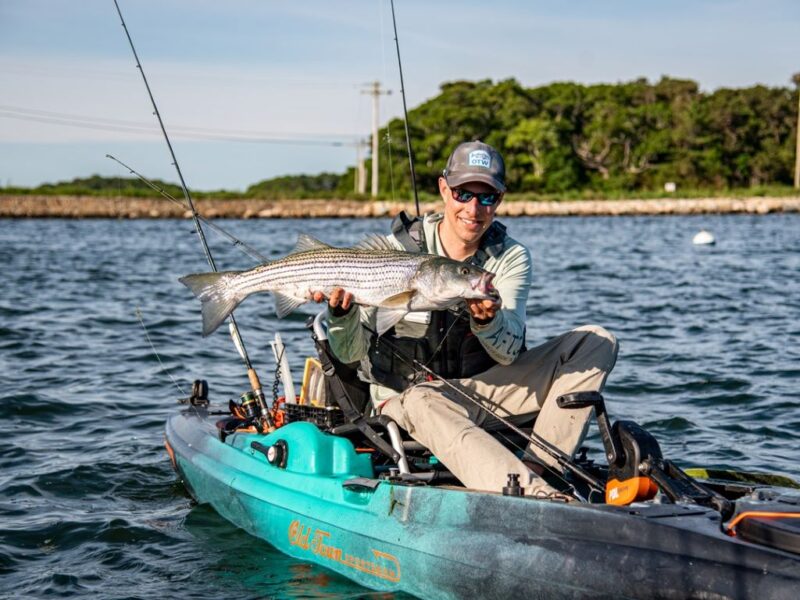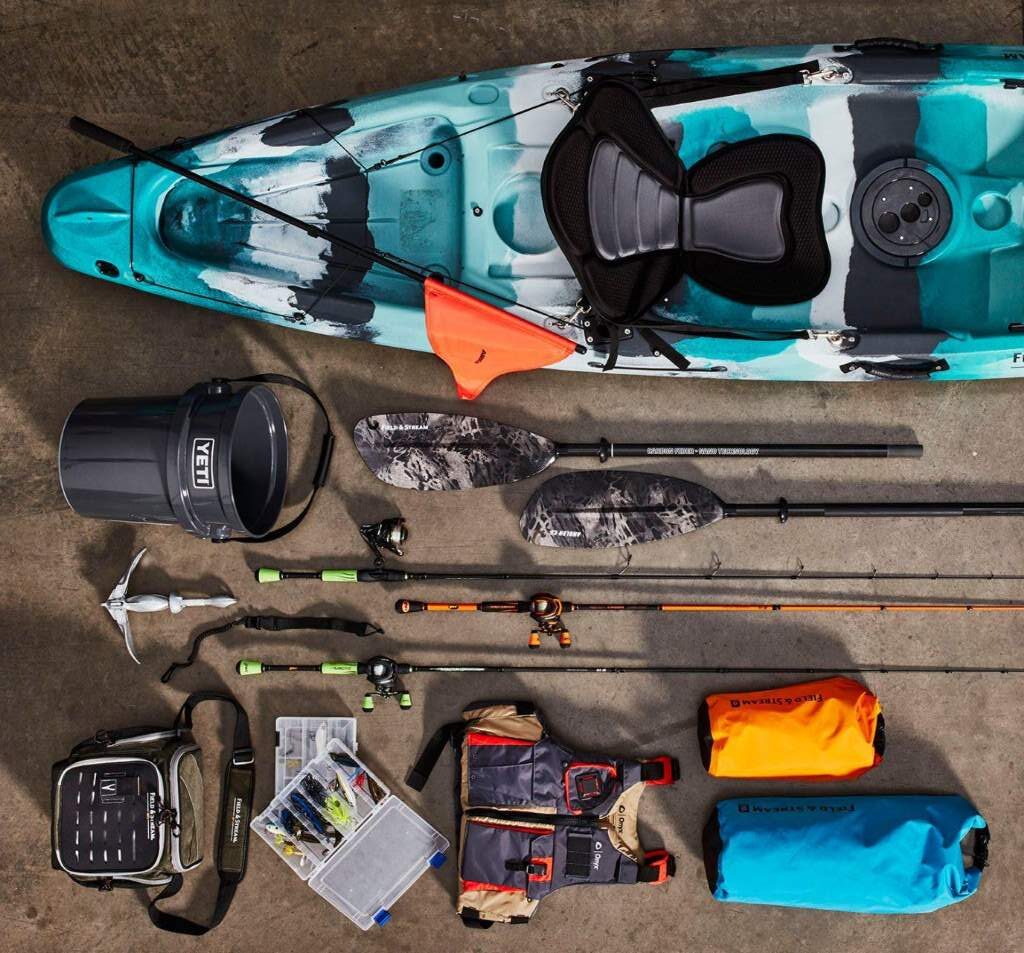
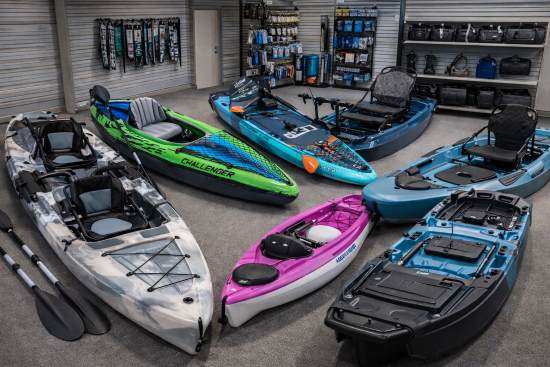
Fishing from a kayak has grown steadily in the last decade. The United States Fish and Wildlife Service reports that more than 50 million Americans participate in recreational fishing each year, and small watercraft like kayaks are one of the fastest growing segments in the sport. Kayaks allow anglers to reach shallow areas where larger boats cannot go. They also require less storage, less fuel, and far less maintenance.
But not every kayak handles fishing well. Stability, seating comfort, gear access, and transport practicality all influence the experience on the water.
This guide examines several widely used best fishing kayaks that anglers rely on in lakes, rivers, and coastal water. Each review focuses on practical ownership experience, real usability, and where each kayak fits best.
A Quick Overview of The Best Fishing Kayaks
These fishing kayaks represent a mix of traditional fishing kayaks, lightweight recreational options, inflatable setups, and modular designs that solve storage or transport challenges.
- Perception Kayaks Outlaw 11.5
- Reel Yaks Recon Modular Fishing Kayak
- Pelican Argo 100X Recreational Kayak
- Intex Challenger K1 Inflatable Kayak
- iTAOSTAR 12×35 Inflatable Paddle Board
- Lifetime Manta Angler Kayak 10
- Brooklyn Kayak Company BKC TK122 Tandem Kayak
Best Fishing Kayaks of 2026
Fishing kayaks serve different styles of anglers. Some prioritize stability for casting. Others emphasize portability or storage convenience. The models below represent different approaches to solving those needs.
Perception Kayaks Outlaw 11.5
Practical fishing focused sit on top platform
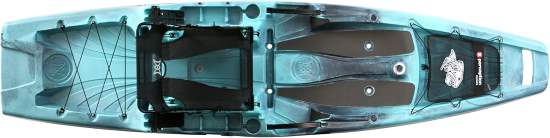
The Perception Outlaw 11.5 feels purpose built for anglers who spend full days on the water. Its open deck layout immediately stands out. Instead of squeezing gear into small hatches, the kayak provides large rear storage space and built in tackle trays within reach of the seat.
The lawn chair style seat sits higher than most entry level kayaks. That makes long sessions noticeably more comfortable, especially when casting repeatedly. The wider hull also improves balance, which many anglers appreciate when reaching for gear or adjusting rods.
At just over eleven feet long, the kayak tracks steadily across calm lakes and slow rivers. It is not the fastest boat on the water, but speed rarely matters during fishing sessions where positioning matters more than distance.
Cleaning and maintenance remain simple. The open deck drains easily and the plastic hull tolerates scratches well. Storage space is the only consideration. The hull is large enough that apartment dwellers may find transport more challenging.
User Review – Daniel P.
“I’ve used the Outlaw for a full season on local reservoirs. The seat alone changed my experience. I can fish for four or five hours without back pain. It is wide enough to feel stable when reaching for tackle behind me.”
Key Features
• Stability: Wide hull gives confident balance while casting or reaching for gear
• Comfort: Raised lawn chair seat reduces lower back strain
• Gear Access: Integrated tackle trays keep tools within reach
• Rod Storage: Four rod holders simplify gear management
• Durability: Thick plastic hull handles rocky shorelines well
• Open Deck Layout: Easy cleaning and quick water drainage
• Storage Capacity: Large rear area fits crates and coolers
Pros and Cons
| Pros | Cons |
| Excellent standing stability | Bulky for small vehicles |
| Comfortable elevated seat | Slower paddling speed |
| Smart tackle tray layout | Heavier than basic kayaks |
Reel Yaks Recon Modular Fishing Kayak
Space saving modular kayak design
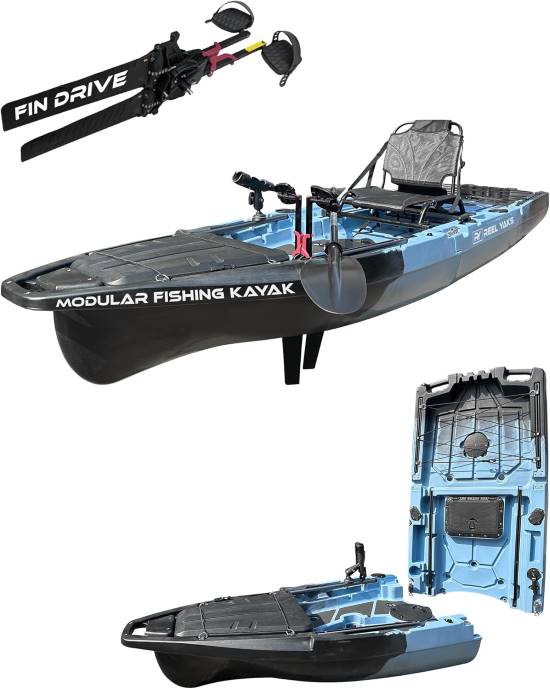
The Reel Yaks Recon approaches kayak design differently. Instead of a single long hull, it separates into modular sections that lock together during use.
This design dramatically simplifies transport. Owners can store the sections in a car trunk or small apartment closet rather than needing roof racks or large garages. Assembly takes a few minutes once you understand the locking system.
On the water the kayak remains surprisingly stable. Its ten foot length makes it maneuverable in narrow rivers or small lakes. The modular structure does not feel loose once assembled, although paddlers may notice slightly more flex compared with traditional hull designs.
The kayak supports a surprisingly high weight capacity. That allows anglers to carry tackle boxes, batteries, or cooler bags without worrying about balance.
Owners should occasionally check connection joints and rinse them after saltwater use. Sand buildup can affect locking mechanisms if ignored.
User Review – Marcus L.
“I live in a small apartment and could never store a full kayak. The modular design solved that problem. I keep the sections stacked in my closet and assemble them at the lake.”
Key Features
• Portability: Modular sections fit easily inside small vehicles
• Storage Efficiency: Ideal for apartments or limited garages
• Weight Capacity: Supports heavy fishing gear comfortably
• Stability: Wide base offers reliable casting balance
• Assembly System: Locking joints create a solid platform
• Versatility: Suitable for both adults and youth
• Transport Convenience: No roof rack required
Pros and Cons
| Pros | Cons |
| Breaks down for transport | Assembly required each outing |
| High gear weight capacity | Slight hull flex possible |
| Fits small storage spaces | Learning curve first setup |
Pelican Argo 100X
Lightweight recreational kayak
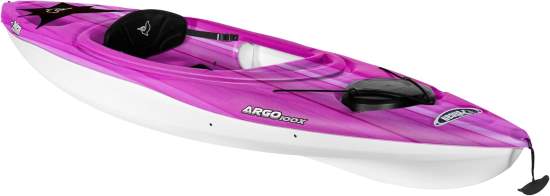
The Pelican Argo 100X sits closer to the recreational end of the spectrum, but many casual anglers still find it useful for relaxed fishing trips.
Its biggest advantage is weight. The kayak feels noticeably lighter than most fishing specific models, which makes transport easier for solo paddlers. Carrying it from a parking area to the shoreline rarely feels difficult.
The sit in design protects the paddler from splashing water and wind. That works well in cooler climates or early morning outings. However, anglers may find gear storage more limited compared with open deck fishing kayaks.
This kayak performs best in calm lakes and slow moving rivers. The narrower hull improves paddling efficiency but reduces stand up stability.
Routine maintenance remains simple. Rinsing and drying the interior cockpit prevents mildew from forming in storage.
User Review – Claire M.
“I mainly fish small ponds. The Argo works well for that. It is light enough that I load it alone on my car roof and launch quickly.”
Key Features
• Weight: Easy for solo transport and car loading
• Efficiency: Narrow hull improves paddling speed
• Comfort: Ergonomic seating supports longer sessions
• Material Strength: Ram X plastic resists dents and scratches
• Cockpit Protection: Sit in design blocks splashes
• Beginner Friendly: Simple handling for new paddlers
• Compact Size: Easier storage than larger kayaks
Pros and Cons
| Pros | Cons |
| Very lightweight hull design | Limited gear storage space |
| Efficient paddling performance | Not ideal for standing |
| Easy beginner handling | Small cockpit access |
Intex Challenger K1
Portable inflatable kayak option
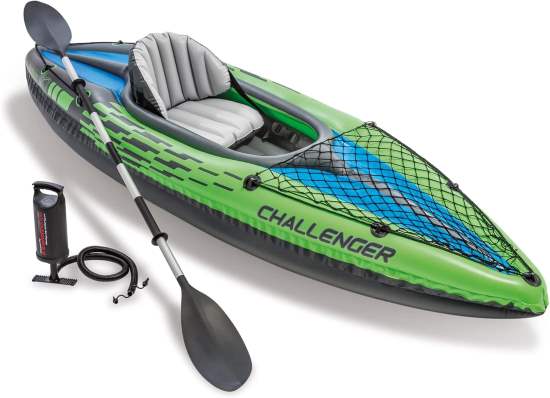
Inflatable kayaks often surprise first time users. The Intex Challenger K1 packs into a small bag but expands into a full one person kayak in minutes.
Portability becomes the biggest advantage. Owners can store the entire setup in a closet or car trunk. Travelers often carry it on camping trips where transporting rigid kayaks would be impossible.
The inflatable hull remains stable on calm lakes and gentle rivers. While it cannot match rigid kayaks for tracking performance, it still handles short fishing outings well.
Durability depends heavily on care. Users should avoid dragging the kayak across rocks and should dry it fully before storage.
Air pressure also affects performance. Under inflated chambers reduce stability, so owners should always use the included pump to reach the recommended firmness.
User Review – Samuel T.
“I keep this in the trunk of my car. When I find a quiet lake during road trips I can inflate it in ten minutes and fish for a couple hours.”
Key Features
• Portability: Packs small for travel or car storage
• Quick Setup: Inflates within minutes using pump
• Beginner Friendly: Stable enough for calm waters
• Affordable Entry: Good starting point for new anglers
• Lightweight Transport: Carry bag simplifies travel
• Repair Friendly: Patch kits handle small punctures
• Compact Storage: Ideal for small living spaces
Pros and Cons
| Pros | Cons |
| Extremely portable design | Less rigid hull tracking |
| Quick inflation setup | Vulnerable to punctures |
| Lightweight travel friendly | Limited fishing gear space |
iTAOSTAR 12×35 Inflatable Paddle Board
Hybrid fishing paddle platform
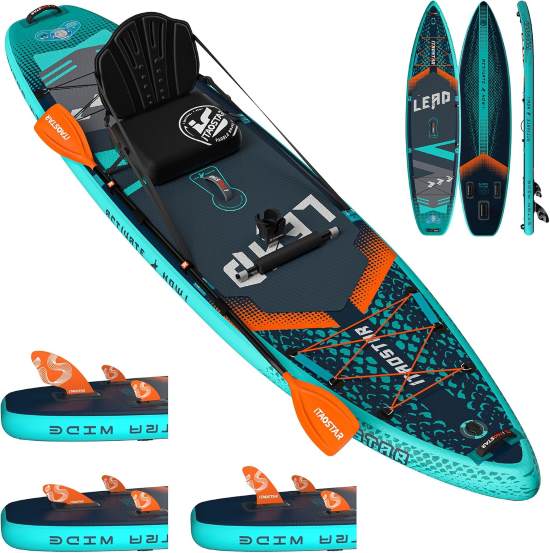
While technically a paddle board, the iTAOSTAR inflatable SUP works surprisingly well for anglers who prefer stand up fishing.
Its extra wide platform provides impressive stability. Many anglers enjoy the elevated viewpoint because it helps spot fish in shallow water.
Inflatable boards also simplify storage. When deflated the board rolls into a travel bag similar to camping gear.
Fishing from a paddle board requires slightly different balance techniques. Beginners may sit or kneel until they become comfortable standing while casting.
Rinsing and drying the board after saltwater use helps extend its lifespan. Owners should also store it partially inflated or loosely rolled to avoid creasing.
User Review – Ethan R.
“I use this board for shallow marsh fishing. Standing higher above the water makes it easier to see fish movement near grass lines.”
Key Features
• Stability: Wide platform allows confident standing
• Visibility: Elevated stance improves fish spotting
• Portability: Inflatable board rolls into compact bag
• Versatility: Works for paddling or casual recreation
• Durability: Reinforced layers resist punctures
• Large Deck Area: Plenty of room for tackle crates
• Beginner Adaptability: Can kneel or sit when needed
Pros and Cons
| Pros | Cons |
| Excellent standing visibility | Requires balance practice |
| Large stable deck platform | Wind affects control |
| Portable inflatable storage | Limited rod mounting options |
Lifetime Manta Angler Kayak 10
Stand up capable fishing kayak
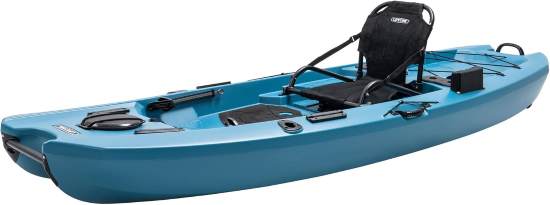
The Lifetime Manta Angler focuses on stability and deck space. Anglers who enjoy standing casts will appreciate its flat open platform.
Six rod holders make gear management easier during longer trips. The kayak also includes adjustable seating that accommodates different paddling positions.
At ten feet long it remains maneuverable in rivers and tight shoreline areas. The hull shape prioritizes balance rather than speed, which suits fishing styles where positioning matters more than distance.
Maintenance remains straightforward. The plastic hull tolerates impacts with submerged logs or rocky banks without major issues.
However, the wide design may feel slower for paddlers covering long distances.
User Review – Kevin J.
“I mainly fish rivers and like to stand while casting. This kayak feels stable enough that I rarely worry about tipping.”
Key Features
• Standing Platform: Stable deck supports standing casts
• Rod Management: Six holders organize multiple setups
• Durable Hull: Tough plastic handles rough shorelines
• Adjustable Seat: Comfortable paddling posture options
• Open Storage Areas: Easy access to tackle boxes
• Compact Length: Maneuverable in narrow waterways
• Low Maintenance: Simple cleaning after trips
Pros and Cons
| Pros | Cons |
| Stable stand up platform | Slower paddling speed |
| Multiple rod holder options | Wider hull harder transport |
| Durable plastic construction | Basic seating adjustment |
Brooklyn Kayak Company BKC TK122
Large tandem fishing kayak
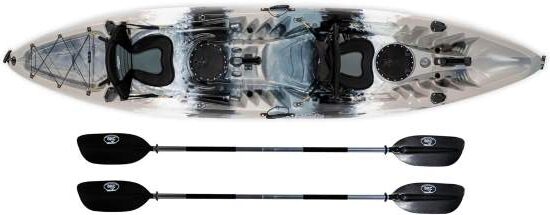
The BKC TK122 offers a different experience entirely. Instead of solo fishing, this kayak supports two or even three paddlers.
Its extended twelve and a half foot hull handles heavier loads easily. Families or fishing partners often use it for shared outings.
The kayak includes mounts for trolling motors, which opens the door for longer trips where paddling alone would feel tiring.
Transport and storage require more planning because of its length and weight. Owners typically use roof racks or small trailers.
Maintenance includes regular inspection of motor mounts and hardware if used with powered accessories.
User Review – Olivia S.
“My partner and I use this kayak on coastal bays. The space allows us to bring coolers and extra rods without feeling cramped.”
Key Features
• Passenger Capacity: Supports two or three paddlers
• Large Deck Space: Plenty of room for fishing gear
• Motor Compatibility: Mounts support trolling motors
• Stability: Long hull improves balance with heavy loads
• Storage Areas: Built in compartments for equipment
• Versatile Seating: Flexible seating arrangements
• Family Friendly: Works for group fishing outings
Pros and Cons
| Pros | Cons |
| Tandem or family use | Large storage requirements |
| Motor mount capability | Heavy for solo loading |
| Spacious deck layout | Less maneuverable solo |
Buying Guide
Choosing a fishing kayak involves more than picking the largest or most affordable option. Water conditions, storage space, transport methods, and personal fishing style all influence which design works best long term.
What Actually Matters Before Choosing
Hull stability and on water performance
Stability affects casting confidence and overall safety. Wider hulls allow anglers to shift weight, reach behind them for gear, or even stand while fishing.
Many new buyers assume faster kayaks are better. In reality, fishing often requires slow movement and steady positioning. Stability usually matters far more than speed.
Long term satisfaction often comes from balance and predictability rather than raw paddling efficiency.
Material quality and durability
Most fishing kayaks use thick molded plastic because it tolerates impacts and abrasion. Inflatable models rely on layered PVC materials.
Buyers sometimes underestimate how often kayaks scrape docks, rocks, or shorelines. Durable materials reduce stress because minor damage rarely affects performance.
Inflatables require more careful handling but reward owners with easier storage.
Comfort and seating design
Long fishing sessions place constant pressure on the lower back. Raised or adjustable seats provide better posture and circulation.
Many budget kayaks include thin molded seats that feel uncomfortable after an hour. Upgrading comfort early often determines whether anglers enjoy longer trips.
Comfort also influences balance. A stable seating position improves paddling control and reduces fatigue.
Maintenance requirements
Kayaks seem low maintenance but still require basic care. Saltwater exposure demands rinsing. Inflatable chambers need drying before storage.
Many buyers overlook maintenance until mildew, corrosion, or sand buildup appears.
Choosing materials and designs that simplify cleaning usually leads to longer lifespan.
Environmental compatibility
Not every kayak works equally well in every environment. Long narrow kayaks perform better on open lakes. Shorter designs maneuver easily in rivers.
Inflatables excel during travel but struggle in windy coastal waters.
Understanding your typical fishing location helps avoid frustration later.
Safety considerations
Safety depends heavily on stability and visibility. Bright colored hulls help other boats notice smaller craft.
Beginners often underestimate how quickly weather conditions change on open water. Wider, more stable kayaks offer extra margin when conditions shift.
Common Buyer Mistakes
Many buyers assume larger kayaks automatically perform better. In practice, oversized kayaks often become difficult to transport or store. A kayak that fits easily in your daily routine sees far more use.
Another common mistake involves ignoring seat comfort. Anglers frequently focus on rod holders and storage compartments while overlooking seating ergonomics. Long term comfort often matters more than accessory features.
Some buyers also overestimate their storage capacity. Apartment living or small garages can make traditional kayaks difficult to manage. Modular or inflatable designs often solve this issue more effectively.
Speed also receives too much attention. Fishing rarely involves long distance travel. Stable positioning and quiet maneuverability matter more during real fishing sessions.
Finally, beginners sometimes ignore maintenance routines. Even durable kayaks benefit from simple rinsing and drying after each trip. Consistent care prevents long term wear.
How to Match Products to Specific Needs
Casual weekend anglers
Casual users usually benefit from simple, lightweight kayaks. Recreational models like the Pelican Argo provide enough stability without requiring large storage space.
Frequent fishing enthusiasts
Anglers who fish weekly often prefer dedicated fishing platforms with wide hulls and comfortable seating. These designs support longer sessions and heavier gear.
Limited storage or travel needs
Inflatable and modular kayaks solve storage challenges for apartment dwellers or travelers. They trade some rigidity for convenience and portability.
Budget conscious long term users
Durable plastic hull kayaks often provide the best longevity. They require little maintenance and tolerate rough handling over time.
Advanced anglers
Experienced users often prioritize stability, deck space, and accessory compatibility. Features such as motor mounts, standing platforms, or extensive rod holders become more valuable as fishing techniques expand.
Related:
Seasonal DIY Maintenance for Boats & Kayaks
Best Fishing Kayaks – Sit-On-Top & Inflatable
Conclusion
Fishing kayaks come in many forms, from compact inflatable designs to large tandem platforms. Each model serves a slightly different purpose depending on storage space, fishing style, and typical water conditions.
Anglers who prioritize comfort and gear access often prefer dedicated fishing kayaks like the Perception Outlaw or Lifetime Manta. Travelers and small space owners may lean toward inflatable or modular designs instead.
Choosing the right kayak usually involves balancing stability, portability, and long term usability. Understanding where and how you fish makes that decision far easier.
FAQs
Are fishing kayaks stable enough for beginners
Yes, most wide sit on top fishing kayaks provide enough stability for beginners learning basic paddling and casting.
Can you stand on a fishing kayak
Some wider models support standing, but beginners should practice balance in calm water first.
Do inflatable kayaks work for fishing
Inflatable kayaks work well for calm lakes and slow rivers but require careful handling to avoid punctures.
How heavy are most fishing kayaks
Most fishing kayaks weigh between forty and eighty pounds depending on size and material.
Do you need special paddles for fishing kayaks
Standard kayak paddles work well, though longer paddles help when using wider fishing kayaks.