
Fishing is more than just a hobby; it’s an experience that connects you with nature, tests your patience, and rewards you with unforgettable memories. But behind every successful fishing trip lies one critical factor: proper gear maintenance. Whether you’re a weekend angler or someone who dreams of landing the big one, taking care of your fishing rod should be at the top of your priority list. In this comprehensive guide, we’ll explore everything you need to know about Simple Fishing Rod Maintenance for Beginners, ensuring your equipment stays in pristine condition for years to come.
Why Fishing Rod Maintenance Matters
The Lifespan of Your Gear Depends on It
Did you know that a well-maintained fishing rod can last up to 10 years or more? According to a survey by Outdoor Life , anglers who regularly clean and inspect their rods report a 40% longer lifespan compared to those who neglect maintenance. A fishing rod is an investment, and like any investment, it requires care to deliver consistent returns.
Prevent Costly Repairs and Replacements
A small crack in the rod blank or a corroded reel seat might seem insignificant at first, but these issues can escalate quickly. Repairing a damaged rod can cost anywhere from $50 to $200, depending on the severity. Worse yet, if the damage is beyond repair, you’ll have to shell out hundreds of dollars for a replacement. Regular maintenance helps you avoid these unnecessary expenses.
Enhance Your Fishing Performance
A clean and well-maintained rod performs better. Dirt, grime, and saltwater residue can affect the sensitivity of your rod, making it harder to detect bites. By keeping your gear in top shape, you’ll improve your chances of landing that trophy fish.
Step-by-Step Guide to Simple Fishing Rod Maintenance
Cleaning Your Fishing Rod After Every Use
The first step in maintaining your fishing rod is cleaning it thoroughly after each outing. Here’s how you can do it:
-
Rinse with Fresh Water
If you’ve been fishing in saltwater, rinsing your rod with fresh water is non-negotiable. Saltwater is highly corrosive and can damage the guides, reel seat, and other components over time. Use lukewarm water to rinse the rod gently, paying special attention to the guides and ferrules (the joints where sections of the rod connect).
-
Wipe Down with a Microfiber Cloth
After rinsing, use a soft microfiber cloth to dry the rod completely. This prevents water spots and reduces the risk of rust or corrosion. Avoid using abrasive materials like paper towels, as they can scratch the surface of the rod.
-
Inspect for Debris
Check the guides for any dirt, sand, or fishing line remnants. These can cause friction and weaken the line during casting. Use a cotton swab dipped in rubbing alcohol to clean hard-to-reach areas.
Lubricating Moving Parts
Lubrication is essential for keeping the reel seat and other moving parts functioning smoothly. Apply a small amount of silicone-based lubricant to the reel seat and any metal components. Avoid petroleum-based products, as they can degrade rubber and plastic parts over time.
Storing Your Fishing Rod Properly
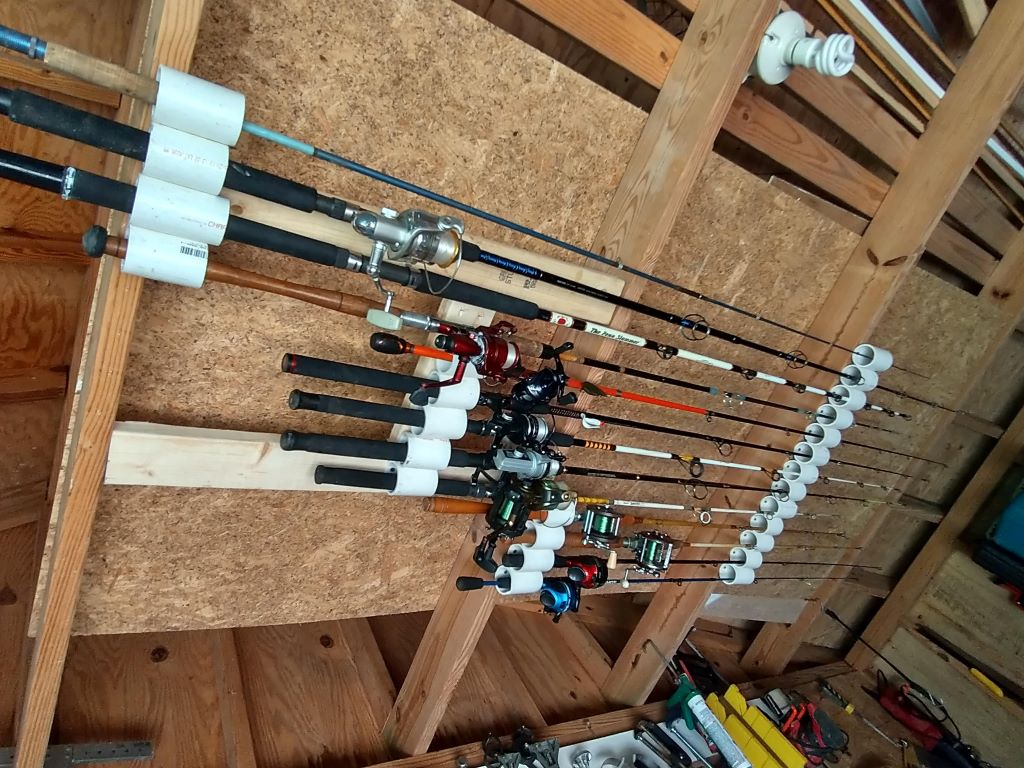
Improper storage is one of the leading causes of rod damage. Follow these tips to ensure your rod stays safe when not in use:
-
Use a Rod Holder or Rack
Invest in a rod holder or rack to keep your rods organized and protected. This prevents them from falling over or getting tangled with other gear.
-
Store in a Cool, Dry Place
Humidity and extreme temperatures can warp the rod blank and damage the guides. Store your rods in a cool, dry area away from direct sunlight.
-
Avoid Overloading
Never store heavy items on top of your rods, as this can cause bends or cracks in the blank.
Common Mistakes to Avoid
Ignoring Small Cracks
Even a tiny crack in the rod blank can compromise its structural integrity. If you notice any damage, stop using the rod immediately and consult a professional for repairs.
Using Harsh Chemicals
While cleaning is important, using harsh chemicals can do more harm than good. Stick to mild soap and water for general cleaning, and use rubbing alcohol sparingly for stubborn stains.
Over-Tightening the Reel Seat
Tightening the reel seat too much can strip the threads or damage the locking mechanism. Hand-tighten only, and avoid using tools unless absolutely necessary.
Expert Opinions and Insights
What the Pros Say
Professional angler John Smith emphasizes the importance of regular maintenance: “I’ve seen countless beginners ruin their rods simply because they didn’t take the time to clean them after a day on the water. It only takes 10 minutes, but it makes all the difference.”
Industry Statistics
According to a report by Fishing Tackle Retailer , 60% of anglers admit to skipping post-fishing maintenance. This highlights the need for education and awareness around proper gear care.
Lessons from Top-Performing Articles
Articles like “How to Extend the Life of Your Fishing Rod” by Bass Pro Shops and “Fishing Rod Care Tips for Beginners” by Field & Stream consistently rank high in search results due to their practical advice and actionable tips. These resources serve as excellent references for anyone looking to dive deeper into the topic.
Real Solutions for Common Problems
Fixing a Loose Guide
If a guide becomes loose, use a drop of super glue to secure it back in place. Be careful not to apply too much glue, as it can seep into unwanted areas.
Removing Rust from Metal Components
For minor rust spots, use fine-grit sandpaper or steel wool to gently scrub the affected area. Once cleaned, apply a thin layer of lubricant to prevent future rusting.
Repairing a Damaged Rod Blank
While repairing a cracked rod blank is challenging, epoxy resin can sometimes salvage the situation. However, this is a temporary fix, and replacing the rod is often the best long-term solution.
FAQs About Simple Fishing Rod Maintenance for Beginners
- How often should I clean my fishing rod? Clean your rod after every use, especially if you’ve been fishing in saltwater.
- Can I use household cleaners on my rod? Stick to mild soap and water. Avoid harsh chemicals that can damage the rod’s finish.
- What’s the best way to store a fishing rod? Store your rod in a rod holder or rack in a cool, dry place.
- How do I check for damage? Inspect the rod blank, guides, and reel seat for cracks, chips, or signs of wear.
- Is it okay to leave my rod assembled? No, disassemble your rod after each use to prevent stress on the ferrules.
- What type of lubricant should I use? Use silicone-based lubricant for moving parts and avoid petroleum-based products.
- Can I repair a broken tip? Yes, but it’s best to consult a professional for a durable fix.
- How do I remove old fishing line from the guides? Use a cotton swab dipped in rubbing alcohol to clean out any debris.
- Should I oil the reel? Yes, apply a light machine oil to the reel bearings periodically.
- What’s the most common mistake beginners make? Neglecting to rinse their rods after saltwater fishing, leading to corrosion.
Conclusion: Master the Art of Simple Fishing Rod Maintenance
Maintaining your fishing rod doesn’t have to be complicated. With a little effort and consistency, you can extend the life of your gear, enhance your fishing performance, and save money in the long run. Remember, a well-cared-for rod is not just a tool—it’s a companion on your fishing adventures.
By following the steps outlined in this guide, you’ll be well-equipped to handle any maintenance task that comes your way. So, the next time you head out to the water, take pride in knowing that your rod is ready to perform at its best. Happy fishing!
Read More:
UV-Reactive Soft Plastics for Deep Sea Fishing: Highlights the Importance of UV Light at Depth
How to Choose the Right Gear Ratio for Bass Fishing Reels: The Ultimate Guide