Finding the best knot for a crankbait can significantly impact your fishing success. A poorly tied knot can reduce lure action, lead to lost fish, or even break your line. This comprehensive guide will walk you through the essential knots, techniques, and considerations to ensure your crankbait performs at its peak. Let’s dive into mastering the art of knot tying for crankbaits.
Why Knot Selection Matters for Crankbaits
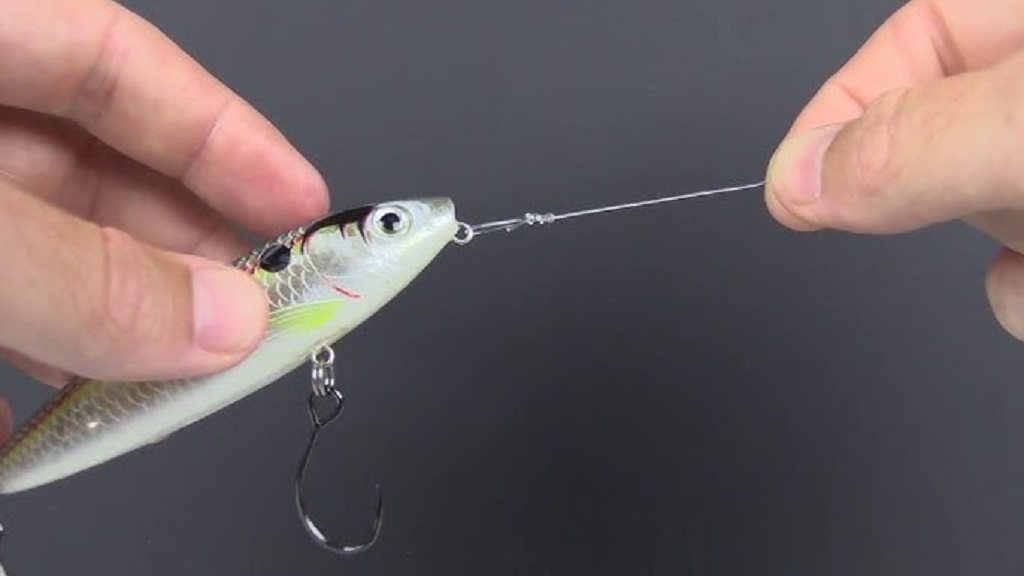
Crankbaits are designed to mimic the movement of prey fish, and their effectiveness relies heavily on their action in the water. The knot you choose can either enhance or hinder this action. A proper knot allows for maximum lure movement, ensuring your crankbait dives and wiggles as intended, attracting more strikes.
- A tight, restrictive knot can dampen the lure’s action.
- A loose, free-moving knot allows the crankbait to perform naturally.
- The correct knot also ensures a strong connection, preventing line breakage.
The Top Contenders: Best Knots for Crankbaits
Several knots are popular among anglers, but some stand out as superior for crankbait applications. We will explore the strengths and weaknesses of each, helping you select the perfect knot for your fishing style and conditions.
The Improved Clinch Knot: A Reliable Choice
The improved clinch knot is a classic choice for many lures, including crankbaits. It’s relatively easy to tie and provides a strong, secure connection.
- It’s known for its strength and simplicity.
- It works well with various line types.
- However, it can slightly restrict the lure’s movement.
How to Tie the Improved Clinch Knot:
- Thread your line through the eye of the crankbait.
- Double the line back against itself, creating a loop.
- Wrap the tag end around the doubled line 5-7 times.
- Pass the tag end through the small loop near the eye.
- Pass the tag end through the larger loop created by the wraps.
- Moisten the knot and pull it tight.
- Trim the excess line.
The Loop Knot: Maximizing Lure Action
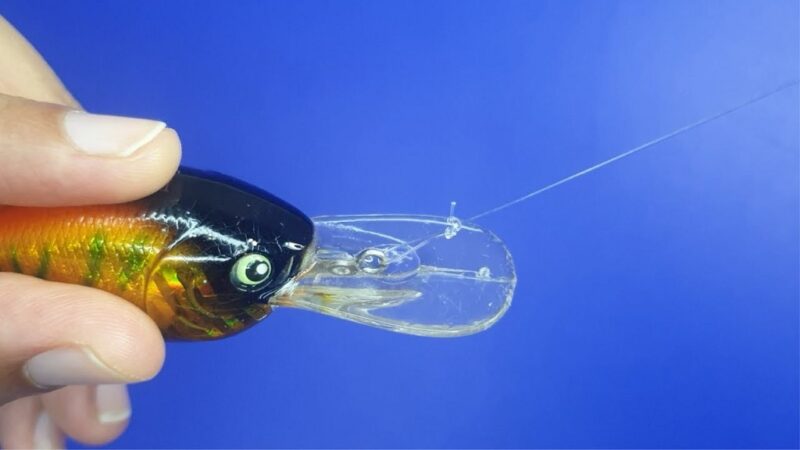
For optimal crankbait action, the loop knot is often considered the best knot for a crankbait. It creates a free-swinging loop that allows the lure to move naturally.
- This knot provides excellent lure freedom.
- It enhances the crankbait’s diving and wiggling motion.
- It is slightly more complex than the improved clinch.
How to Tie the Loop Knot:
- Tie a simple overhand knot, but don’t tighten it.
- Thread the line through the eye of the crankbait.
- Pass the tag end through the loop you created.
- Wrap the tag end around the standing line 3-5 times.
- Pass the tag end back through the initial overhand knot.
- Moisten and tighten the knot, leaving a small loop.
- Trim the excess line.
The Palomar Knot: Strength and Simplicity
The Palomar knot is renowned for its strength and ease of tying. It’s a fantastic all-around knot that works well with crankbaits.
- It’s one of the strongest knots available.
- It’s simple to tie, even in windy conditions.
- It is a good option for braided lines.
How to Tie the Palomar Knot:
- Double the line and pass it through the eye of the crankbait.
- Tie a simple overhand knot with the doubled line.
- Pass the loop end over the crankbait.
- Pass the loop over the entire crankbait.
- Moisten and tighten the knot.
- Trim the excess line.
Factors Affecting Knot Performance
Several factors can influence the performance of your knot, including line type, lure weight, and water conditions. Paying attention to these elements will help you make informed decisions.
Line Type: Monofilament, Fluorocarbon, or Braid?
- Monofilament: Known for its stretch and buoyancy.
- Fluorocarbon: Nearly invisible underwater and highly sensitive.
- Braided line: Offers superior strength and no stretch.
Each line type interacts differently with knots. Fluorocarbon can be slippery, requiring extra care when tying. Braided line, with its lack of stretch, can put immense pressure on a knot, requiring a very strong one.
Lure Weight and Size
Heavier crankbaits put more stress on knots. Ensure your chosen knot is rated for the line strength and lure weight you’re using.
- Larger lures create more drag.
- Heavier lures require stronger knots.
- Consider using knots with higher breaking strength ratings.
Water Conditions and Target Species
Turbid water or targeting larger fish may necessitate stronger knots and lines. Clear water might benefit from a less bulky knot to maintain lure action.
- Rough conditions require robust knots.
- Clear water needs subtle presentations.
- Target fish size influences knot choice.
Discover More: Top 5 Best Baits for Bass in June: What Works Best?
Maintaining Knot Integrity
Regularly checking your knots is essential to prevent break-offs. Inspect your knots for fraying or damage, especially after catching a fish or snagging on structure.
- Check knots before each cast.
- Retie knots after landing a fish.
- Trim frayed ends to prevent failure.
Enhancing Crankbait Performance with Proper Knots
Using the best knot for a crankbait not only secures your lure but also enhances its performance. The loop knot, for instance, allows for maximum freedom of movement, ensuring the crankbait performs as intended. Understanding how different knots affect lure action can significantly improve your catch rate.
- Free moving knots allow for maximum lure action.
- A properly tied knot is essential for optimal performance.
- Experiment with different knots to find what works best for your situation.
Read More Also: Best Kayak Fishing in Virginia: The Top Spots for Anglers
Call to Action
Ready to elevate your crankbait fishing game? Practice these knots, experiment with different line types, and find the perfect combination for your fishing style. Share your experiences and favorite knot in the comments below! Don’t forget to subscribe for more fishing tips and tricks. Happy fishing!