Fishing from a kayak offers freedom, quiet movement, and access to spots that boats cannot reach. However, choosing the right kayak can feel overwhelming. According to the American Sportfishing Association, over 50 million Americans fish each year, and kayak fishing continues to grow rapidly due to its affordability and accessibility. At the same time, studies from outdoor recreation groups show that stability and comfort are the top concerns for beginners.
So, how do you pick the right one without wasting time or effort? This guide breaks down everything you need to know about stability, storage, and performance so you can confidently choose a fishing kayak that fits your needs and improves your time on the water.
Why Choosing the Right Fishing Kayak Matters
A fishing kayak is not just a boat. It is your platform, your gear station, and your comfort zone for hours on the water. Therefore, the wrong choice can lead to poor balance, limited storage, and fatigue.
On the other hand, the right kayak improves:
- Safety and balance on different water types
- Access to remote fishing locations
- Comfort during long sessions
- Efficiency when casting and reeling
As a result, understanding the key factors becomes essential before making a decision.
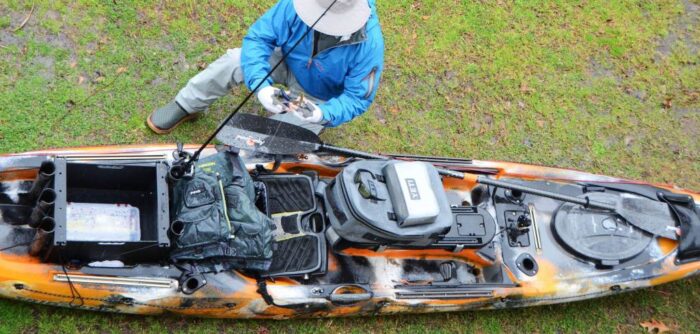
Understanding Stability in Fishing Kayaks
Primary vs Secondary Stability
Stability is the most important factor, especially for beginners. There are two types you should understand:
- Primary stability refers to how stable the kayak feels when sitting flat on calm water
- Secondary stability refers to how well it resists tipping when leaning or in rough water
Wide kayaks offer strong primary stability. Meanwhile, narrower hulls often provide better secondary stability for experienced users.
Hull Design and Its Impact
The shape of the kayak directly affects stability:
- Flat hulls offer excellent stability for calm lakes
- Pontoon hulls provide maximum balance and are ideal for standing
- Rounded hulls move faster but feel less stable
Therefore, if you plan to stand while fishing, choose a wider, flatter design.
Width and Length Considerations
Wider kayaks feel more stable but move slower. Longer kayaks track better and glide smoothly. You should balance both based on your fishing style.
- 30 to 36 inches width works well for stability
- 10 to 14 feet length offers a good mix of control and speed
Storage Options That Make Fishing Easier
Types of Storage in Fishing Kayaks
Storage is crucial because fishing requires gear. A good kayak keeps everything organized and within reach.
Look for:
- Tank wells for crates and coolers
- Dry hatches for valuables
- Rod holders for multiple setups
- Side storage for quick access tools
Open vs Closed Storage
Open storage gives easy access but exposes gear to water. Closed compartments protect items but may slow access.
So, the best kayaks offer a mix of both.
Weight Capacity and Gear Load
Every kayak has a weight limit. Always consider:
- Your body weight
- Gear weight
- Additional accessories
Exceeding capacity reduces stability and performance. Ideally, stay below 75 percent of the maximum capacity for best results.
Performance Factors You Should Not Ignore
Speed and Tracking
Performance determines how easily your kayak moves through water.
- Longer kayaks track straight and move faster
- Shorter kayaks turn easily but require more effort to paddle straight
If you fish large lakes or rivers, speed matters. For tight spaces, maneuverability becomes more important.
Maneuverability
A responsive kayak helps you navigate around obstacles, docks, and vegetation. Therefore, shorter kayaks or those with rocker designs perform better in tight areas.
Paddle vs Pedal Systems
Fishing kayaks come with two main propulsion options:
Paddle Kayaks
- Simple and lightweight
- Require upper body effort
- Cost effective
Pedal Kayaks
- Hands free operation
- Better for trolling and casting
- Less tiring over long distances
Many anglers prefer pedal systems because they allow continuous fishing while moving.
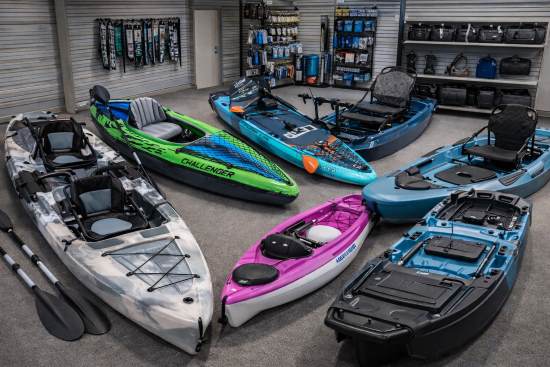
Sit On Top vs Sit Inside Kayaks
Sit On Top Kayaks
These are the most popular for fishing.
Advantages:
- Easy to get on and off
- Better stability
- More storage space
Sit Inside Kayaks
These are less common but still useful.
Advantages:
- Better protection from weather
- More efficient paddling
However, they offer less space for gear and movement.
Material and Build Quality
Common Materials
Fishing kayaks are usually made from:
- Polyethylene plastic which is durable and affordable
- Composite materials which are lighter and faster
Durability vs Weight
Heavier kayaks are more stable but harder to transport. Lighter kayaks are easier to carry but may feel less solid.
So, choose based on your transport needs and fishing environment.
Comfort and Ergonomics
Seat Quality
A good seat prevents fatigue. Look for:
- Adjustable seating positions
- Breathable fabric
- Proper back support
Legroom and Adjustability
Comfort improves performance. Adjustable footrests and enough legroom make long trips easier.
Standing Capability
Many anglers prefer standing for better casting visibility. Therefore, choose a kayak designed for stand up fishing if this matters to you.
Choosing Based on Water Type
Lakes and Ponds
- Stability is the top priority
- Wider kayaks work best
Rivers
- Maneuverability matters more
- Shorter kayaks perform better
Ocean and Coastal Areas
- Secondary stability is critical
- Longer kayaks handle waves better
Always match your kayak to your most frequent fishing environment.
Essential Features to Look For
When selecting a fishing kayak, prioritize these features:
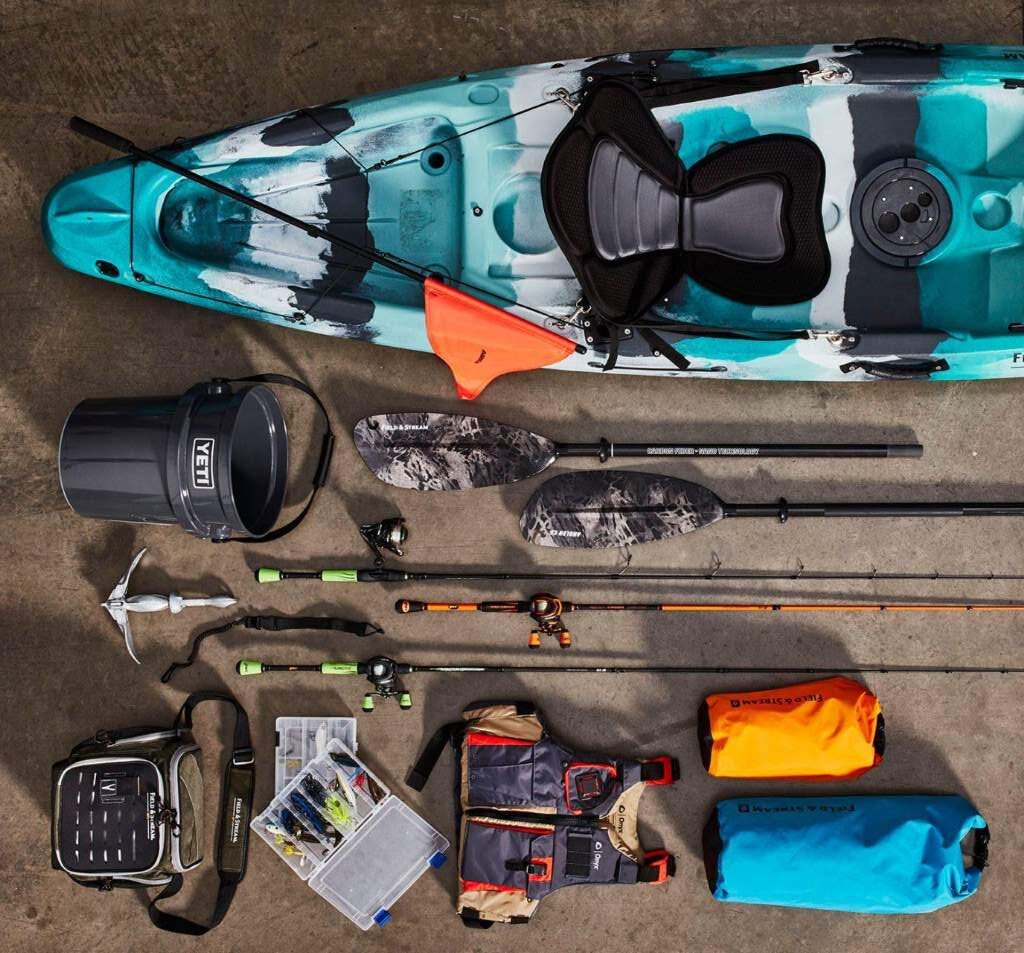
- Built in rod holders
- Gear tracks for accessories
- Anchor system compatibility
- Non slip deck
- Storage compartments
These features improve both convenience and efficiency.
Common Mistakes to Avoid
Many beginners make avoidable mistakes. Watch out for these:
- Choosing based only on appearance
- Ignoring weight capacity
- Overlooking seat comfort
- Buying without testing stability
- Not considering transport and storage
Avoiding these mistakes saves time and improves your experience.
Real World Example
Imagine two anglers fishing the same lake. One uses a narrow kayak with limited storage. The other uses a stable, wide kayak with organized gear.
The second angler spends more time fishing and less time adjusting balance or searching for tools. Over time, this leads to better results and more enjoyment.
Conclusion
Choosing the best fishing kayak comes down to three main factors: stability, storage, and performance. Each plays a critical role in your overall experience. A stable kayak keeps you safe and confident. Smart storage keeps your gear accessible. Strong performance helps you reach better fishing spots with less effort.
Take time to evaluate your needs, fishing environment, and comfort preferences. Then choose a kayak that matches those priorities.
Start with the right kayak, and every fishing trip becomes more productive and enjoyable.
FAQs
What is the most stable type of fishing kayak?
Pontoon style and flat hull kayaks offer the highest stability. They are ideal for beginners and those who prefer standing while fishing.
How much storage do I need in a fishing kayak?
It depends on your gear. However, a combination of open storage and dry compartments works best for most anglers.
Are pedal kayaks better than paddle kayaks?
Pedal kayaks provide hands free operation, which improves fishing efficiency. Paddle kayaks are simpler and lighter.
Can beginners use fishing kayaks safely?
Yes, beginners can use them safely if they choose a stable model and follow basic safety practices.
What size fishing kayak should I choose?
Most anglers prefer kayaks between 10 and 14 feet long with a width of at least 30 inches for balance and performance.