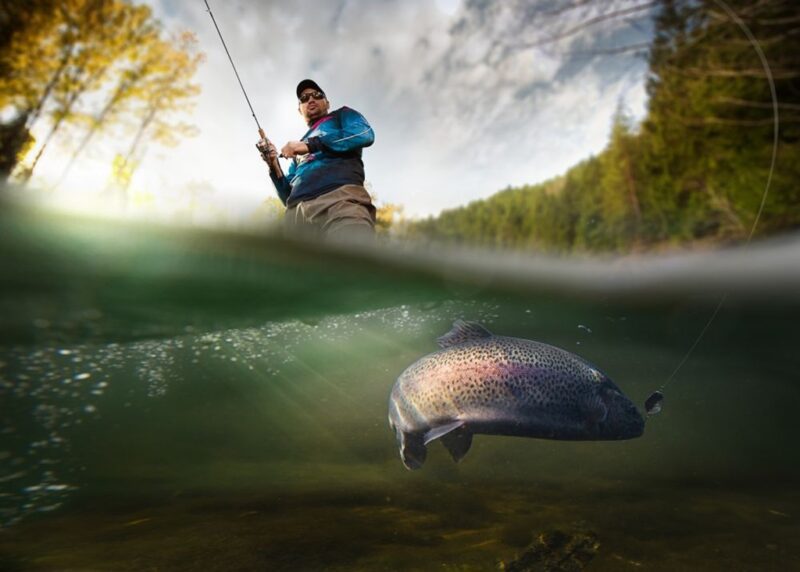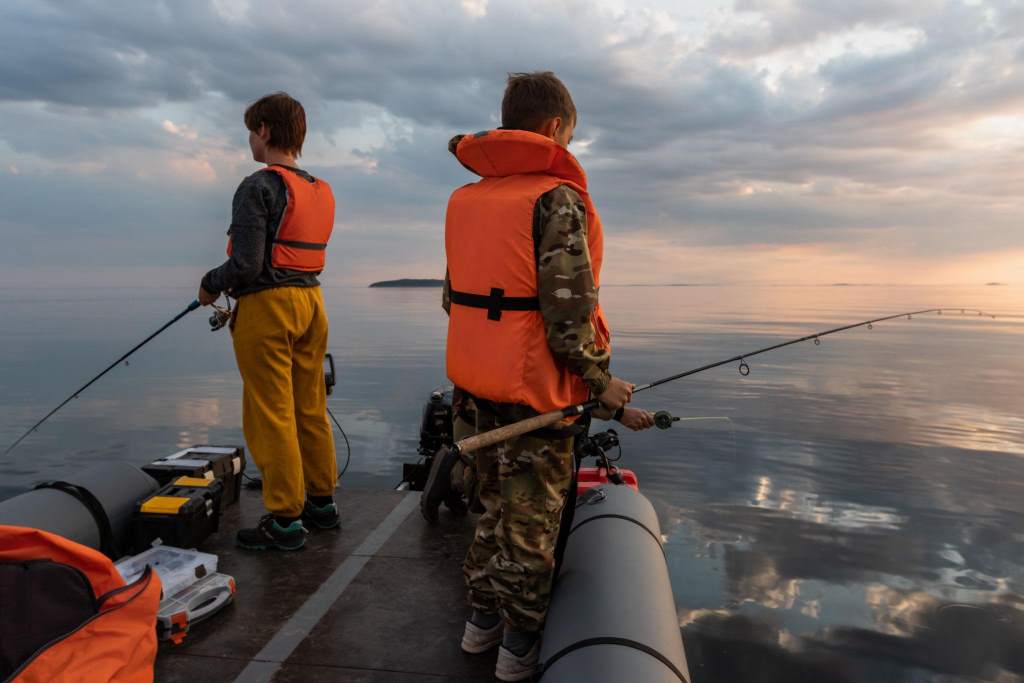
Fishing success often depends on what you can see beneath the water surface. Glare from sunlight reflecting off water can hide fish, structure, and movement. In fact, according to studies from the American Optometric Association, prolonged exposure to glare can also strain your eyes and reduce visual clarity over time. Meanwhile, marine research shows that polarized lenses can cut reflected light by up to 99 percent, significantly improving visibility. Choosing the right fishing sunglasses is not just about comfort. It directly affects your ability to spot fish and react faster. This guide explains how to pick the best pair for clearer vision, reduced glare, and a better fishing experience.
Why Fishing Sunglasses Matter
Fishing sunglasses are not ordinary eyewear. They are specialized tools designed to improve vision in high glare environments. Water reflects sunlight intensely, which can distort your view.
Key Benefits
- Reduce glare from water surfaces
- Improve contrast and depth perception
- Protect eyes from harmful UV rays
- Help detect fish movement and underwater structure
Without proper sunglasses, your eyes constantly adjust to brightness. As a result, fatigue increases and focus decreases. With the right pair, you see more detail with less effort.
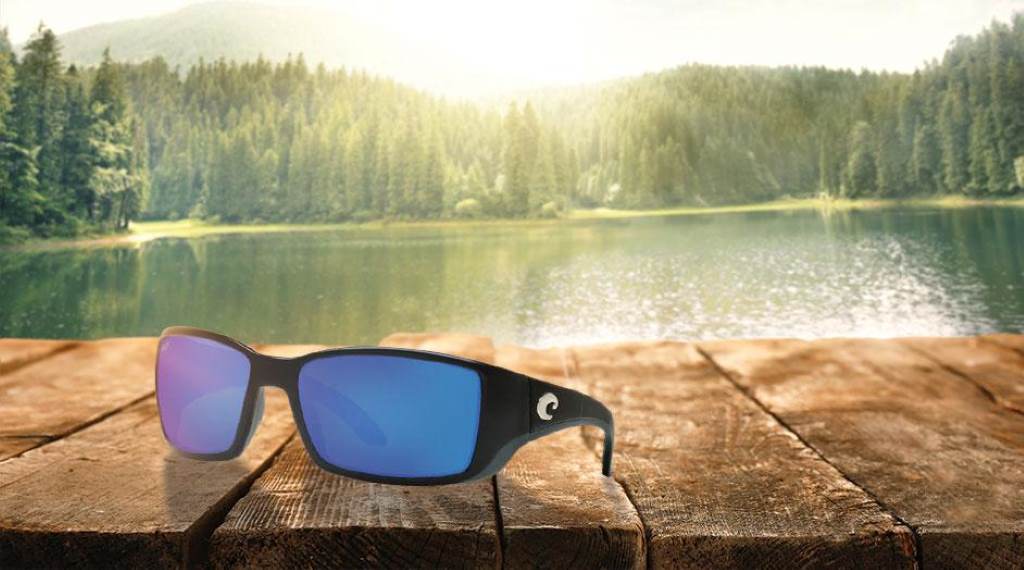
Understanding Polarization
Polarization is the most important feature in fishing sunglasses. It works by filtering horizontal light waves that create glare.
How It Works
When sunlight hits water, it reflects horizontally. Polarized lenses block this reflected light while allowing vertical light to pass through. This improves clarity and reduces eye strain.
Why It Matters for Fishing
- You can see below the water surface
- Fish become easier to spot
- Structure like rocks and vegetation becomes clearer
- You react faster to movement
Without polarization, even expensive sunglasses will not provide the same level of visibility.
Lens Color and Its Impact
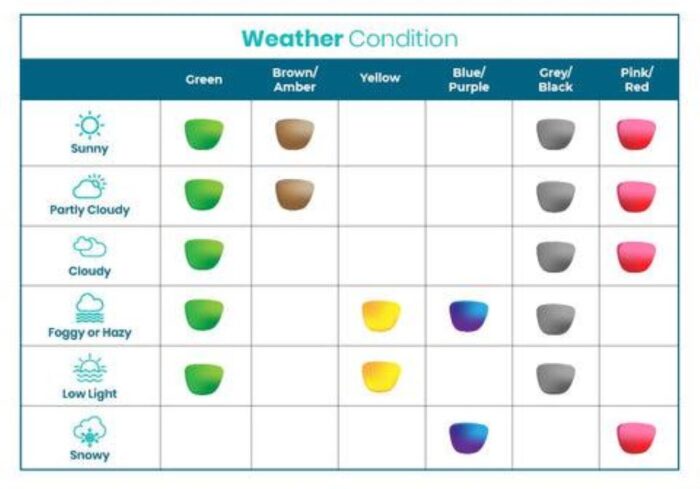
Lens color affects how you see contrast, brightness, and depth. Different environments require different tints.
Common Lens Colors and Uses
Gray Lenses
- Best for bright, sunny conditions
- Maintains natural color balance
- Reduces overall brightness
Brown or Amber Lenses
- Enhances contrast and depth perception
- Ideal for freshwater fishing
- Works well in changing light
Green Lenses
- Balanced performance
- Good for both bright and low light
- Reduces glare while improving clarity
Blue Mirror Coating
- Designed for offshore fishing
- Reduces intense sunlight on open water
- Works best in deep water conditions
Choosing the Right Color
Think about where you fish most often. For example, freshwater anglers benefit from amber lenses. Offshore anglers often prefer blue mirror coatings. Matching lens color to environment improves performance.
Lens Material: Glass vs Polycarbonate
Lens material affects durability, clarity, and weight.
Glass Lenses
- Superior optical clarity
- Scratch resistant
- Slightly heavier
Polycarbonate Lenses
- Lightweight and impact resistant
- Less prone to breaking
- Slightly less clear than glass
Which Should You Choose?
If you prioritize clarity, glass lenses are ideal. However, if you need durability and comfort for long hours, polycarbonate is a better option.
UV Protection Is Non Negotiable
Fishing exposes your eyes to prolonged sunlight. UV radiation can damage your eyes over time.
What to Look For
- 100 percent UV protection
- UV400 rating
According to the World Health Organization, UV exposure increases the risk of cataracts and other eye conditions. Therefore, always choose sunglasses that block both UVA and UVB rays.
Frame Design and Fit
A good lens is not enough. Frame design plays a major role in performance.
Key Features to Consider
- Wraparound design to block side light
- Comfortable nose pads
- Secure fit to prevent slipping
- Lightweight construction
A poor fit allows light to enter from the sides. This reduces the effectiveness of polarization.
Tips for Better Fit
- Try sunglasses before buying
- Ensure they stay in place when moving
- Avoid overly tight frames that cause discomfort
Anti Reflective and Hydrophobic Coatings
Modern fishing sunglasses often include additional coatings that enhance performance.
Anti Reflective Coating
- Reduces light reflection from the back of lenses
- Improves clarity in bright conditions
Hydrophobic Coating
- Repels water and sweat
- Keeps lenses clear during splashes
These coatings improve visibility and make maintenance easier.
Matching Sunglasses to Fishing Conditions
Different fishing environments require different features.
Freshwater Fishing
- Amber or brown lenses
- Moderate light conditions
- Focus on contrast
Saltwater Fishing
- Blue mirror lenses
- High brightness conditions
- Strong glare reduction
Low Light Fishing
- Yellow or copper lenses
- Enhances visibility in cloudy conditions
Common Mistakes to Avoid
Many anglers choose sunglasses based on style rather than function. This reduces effectiveness.
Avoid These Errors
- Choosing non polarized lenses
- Ignoring UV protection
- Picking the wrong lens color
- Buying poorly fitted frames
- Overlooking lens coatings
Each mistake limits your ability to see clearly.
Real World Example
Consider two anglers fishing in the same spot. One uses standard sunglasses, while the other uses polarized fishing sunglasses with amber lenses.
The second angler can:
- Spot fish movement earlier
- Identify underwater structure
- Adjust casting position faster
As a result, they catch more fish with less effort. This shows how proper eyewear directly impacts performance.
Maintenance Tips for Longevity
Taking care of your sunglasses ensures consistent performance.
Simple Care Routine
- Rinse with clean water after use
- Use a microfiber cloth for cleaning
- Store in a protective case
- Avoid placing lenses face down
Proper care prevents scratches and maintains clarity.
Conclusion
Choosing the right fishing sunglasses improves visibility, reduces glare, and protects your eyes. Focus on polarized lenses, proper tint, and a comfortable fit. Match your sunglasses to your fishing environment for the best results. Small upgrades in eyewear can lead to better fishing outcomes. Take the time to choose wisely and you will notice the difference immediately. Equip yourself with the right sunglasses before your next trip and fish with confidence.
FAQs
What makes fishing sunglasses different from regular sunglasses?
Fishing sunglasses use polarized lenses that reduce glare and improve underwater visibility, unlike regular sunglasses.
Are polarized lenses really necessary for fishing?
Yes. Polarized lenses remove surface glare, making it easier to see fish and structure below the water.
Which lens color is best for fishing?
It depends on conditions. Amber works well for freshwater, while blue mirror is ideal for offshore fishing.
Can fishing sunglasses protect my eyes from UV rays?
Yes, if they offer 100 percent UV protection or a UV400 rating.
How do I know if sunglasses fit properly?
They should feel secure without pressure and block light from entering the sides.