Fishing is more than just a hobby—it’s an escape into nature, a chance to unwind, and a way to connect with the great outdoors. However, nothing can ruin a perfect day on the water faster than cold, wet feet or uncomfortable gear. That’s where the right fishing waders come in. Whether you’re wading through a rushing river, standing in a chilly lake, or hiking to a remote fishing spot, the right waders keep you dry, warm, and comfortable, so you can focus on what matters most: catching fish.
remember my first fishing trip with a pair of cheap, ill-fitting waders that leaked within an hour. After upgrading to high-quality, breathable waders designed for durability and comfort, my fishing experience transformed. If you’re ready to invest in gear that enhances your time on the water, exploring the best best fishing waders is a great place to start.
Why the Right Fishing Waders Matter
Fishing waders are designed to keep you dry and comfortable in wet conditions, whether you’re standing in a stream, wading through shallow water, or braving rainy weather. The right waders protect you from cold water, sharp rocks, and slippery surfaces, allowing you to fish longer and more comfortably. According to a survey by the American Sportfishing Association, over 50 million Americans participate in fishing each year, and having the right gear is essential for an enjoyable experience.
Poor-quality waders can leak, restrict movement, or fail to insulate properly, leading to discomfort, cold feet, and even hypothermia in extreme conditions. High-quality waders, on the other hand, are made from durable, waterproof materials that keep you dry and warm while allowing for a full range of motion. Whether you’re fly fishing in a mountain stream or casting from a lake shore, the right waders make all the difference in your comfort and performance.
Types of Fishing Waders
1. Chest Waders
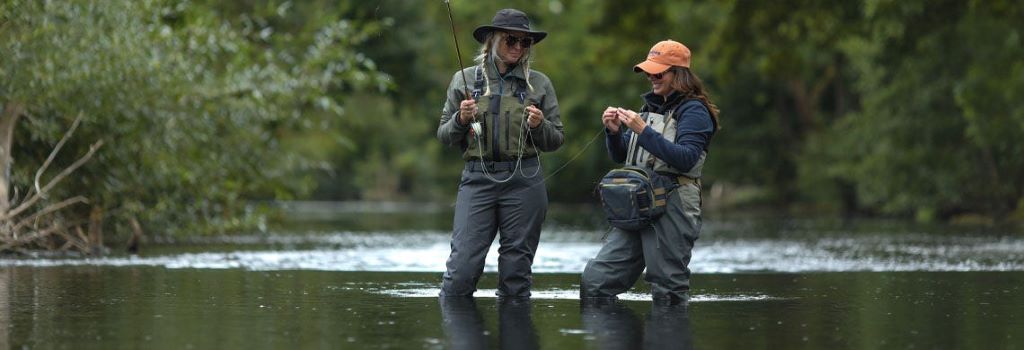
Chest waders are the most popular type, extending up to your chest for maximum protection and warmth. They are ideal for deep wading, cold water, and extended fishing trips. Chest waders are available in a variety of materials, including neoprene, breathable fabrics, and rubber, each offering different levels of insulation and flexibility.
Pros:
- Provides full-body protection and warmth
- Suitable for deep wading and cold water conditions
- Available in a variety of materials for different needs
Cons:
- Can feel bulky and restrictive for some anglers
- Requires proper sizing for comfort and mobility
2. Hip Waders
Hip waders extend to your hips and are ideal for shallow wading or warmer weather. They offer less coverage than chest waders but are lighter and more comfortable for short fishing trips or wading in shallow streams. Hip waders are a great choice for anglers who prioritize mobility and ease of movement.
Pros:
- Lightweight and less restrictive than chest waders
- Ideal for shallow wading and warmer conditions
- Easier to put on and take off
Cons:
- Offers less protection in deep water or cold conditions
- Limited coverage for extended fishing trips
3. Waist-High Waders
Waist-high waders extend to your waist and offer a balance between protection and mobility. They are suitable for moderate wading depths and provide more coverage than hip waders while still allowing for ease of movement. Waist-high waders are a versatile option for anglers who fish in a variety of conditions.
Pros:
- Offers a balance of protection and mobility
- Suitable for moderate wading depths
- More comfortable than chest waders for some anglers
Cons:
- Not ideal for deep wading or very cold water
- May not provide enough coverage for extended trips
4. Bootfoot Waders
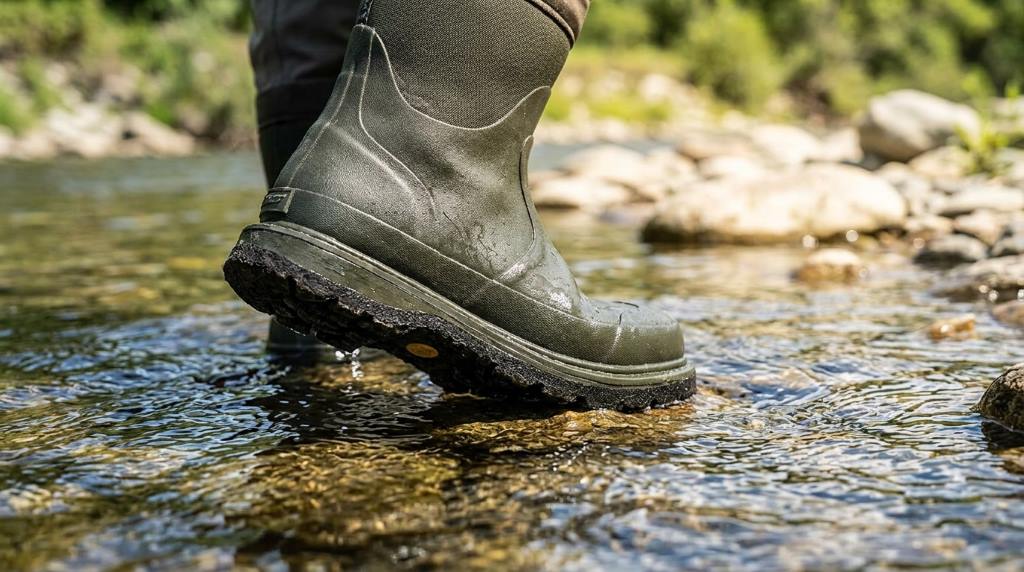
Bootfoot waders come with integrated boots, making them easy to put on and take off. They are ideal for anglers who want convenience and don’t want to deal with separate waders and boots. Bootfoot waders are available in a variety of materials, including neoprene and rubber, and are suitable for both warm and cold water conditions.
Pros:
- Convenient and easy to use with integrated boots
- Available in a variety of materials for different conditions
- Suitable for both warm and cold water fishing
Cons:
- Less customizable fit compared to stockingfoot waders
- Boots may wear out faster than separate wading boots
5. Stockingfoot Waders
Stockingfoot waders come with neoprene or fabric socks that fit inside separate wading boots. This design allows for a more customizable fit and better traction, as you can choose boots that match your needs and preferences. Stockingfoot waders are popular among serious anglers who want flexibility and performance.
Pros:
- Customizable fit with separate wading boots
- Better traction and support with high-quality boots
- Suitable for a wide range of fishing conditions
Cons:
- Requires additional investment in wading boots
- More complex to put on and take off
6. Breathable Waders
Breathable waders are made from lightweight, waterproof fabrics that allow moisture to escape while keeping water out. They are ideal for warm weather or long fishing trips, as they prevent sweating and keep you comfortable. Breathable waders are typically more expensive but offer superior comfort and performance.
Pros:
- Lightweight and comfortable for long fishing trips
- Prevents sweating and keeps you dry
- Ideal for warm weather and active anglers
Cons:
- More expensive than neoprene or rubber waders
- Requires proper care to maintain waterproofing
7. Neoprene Waders
Neoprene waders are made from synthetic rubber, offering excellent insulation and durability. They are ideal for cold water fishing, as neoprene provides superior warmth and protection. Neoprene waders are available in different thicknesses, with thicker waders offering more insulation for colder conditions.
Pros:
- Excellent insulation for cold water fishing
- Durable and long-lasting
- Available in different thicknesses for varying conditions
Cons:
- Less breathable than fabric waders, leading to sweating
- Can feel bulky and restrictive for some anglers
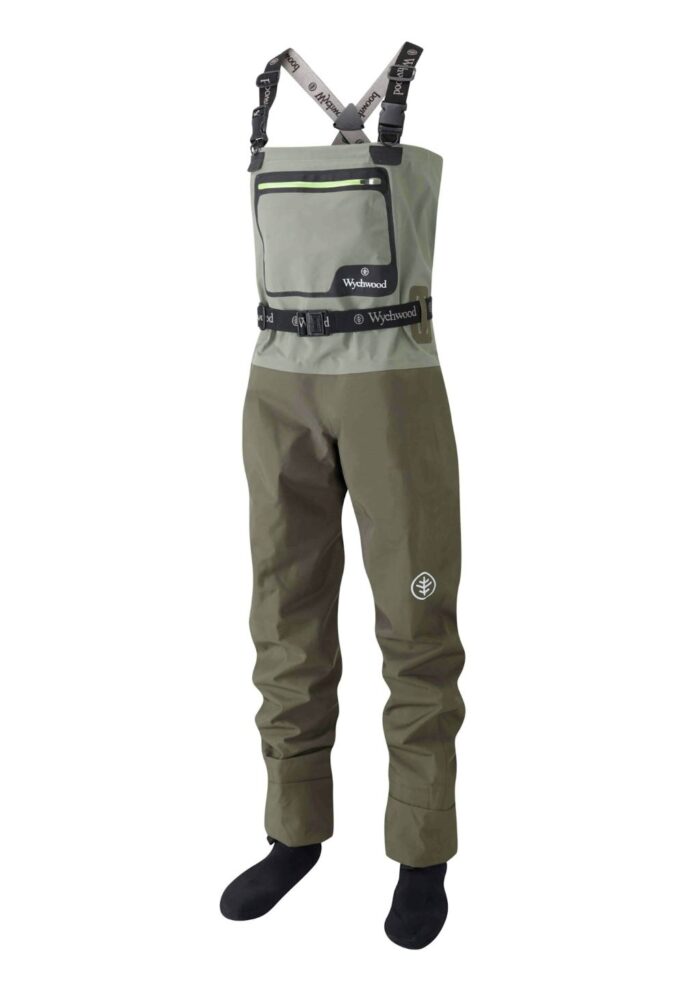
Key Features to Consider When Choosing Fishing Waders
Material
The material of your fishing waders affects their durability, insulation, and breathability. Common materials include:
- Neoprene: Offers excellent insulation and durability, ideal for cold water fishing. Available in different thicknesses for varying conditions.
- Breathable Fabrics: Lightweight and waterproof, allowing moisture to escape while keeping water out. Ideal for warm weather and active anglers.
- Rubber: Affordable and durable, but less breathable and flexible than neoprene or fabric waders.
Choose a material that matches your fishing conditions and comfort preferences.
Fit and Sizing
A proper fit is essential for comfort and mobility. Fishing waders should fit snugly without restricting movement or causing discomfort. Look for waders with adjustable straps, belts, or suspenders to ensure a secure fit. Always refer to the manufacturer’s sizing chart and consider trying on different sizes to find the best fit.
Insulation and Warmth
The insulation of your waders depends on the material and thickness. Neoprene waders offer excellent insulation for cold water, while breathable waders are better suited for warm weather. Consider the water temperature and weather conditions you’ll be fishing in when choosing the level of insulation you need.
Durability and Abrasion Resistance
Fishing waders should be durable enough to withstand rough terrain, sharp rocks, and frequent use. Look for waders made from high-quality materials with reinforced knees, seams, and soles. Abrasion-resistant fabrics and reinforced stitching extend the lifespan of your waders and protect against punctures and tears.
Boot Type and Traction
The type of boot integrated with your waders affects traction and comfort. Bootfoot waders come with built-in boots, while stockingfoot waders require separate wading boots. Look for boots with non-slip soles, good arch support, and a comfortable fit. Felt soles provide excellent traction on slippery rocks, while rubber soles are more versatile for different terrains.
Breathability
Breathable waders allow moisture to escape, preventing sweating and keeping you comfortable during long fishing trips. Breathable fabrics are ideal for warm weather or active anglers who move around a lot. However, breathable waders may not offer the same level of insulation as neoprene, so consider the trade-off between breathability and warmth.
Ease of Use and Maintenance
Fishing waders should be easy to put on, take off, and maintain. Look for waders with user-friendly features like adjustable straps, quick-release buckles, and easy-to-clean materials. Proper care and maintenance, such as rinsing with fresh water and drying thoroughly, extend the lifespan of your waders and keep them in good condition.
Weight and Mobility
The weight of your waders affects your mobility and comfort, especially on long fishing trips. Lightweight waders are easier to move in and less tiring to wear, while heavier waders offer more insulation and durability. Choose a weight that balances comfort and performance for your fishing needs.
Additional Features
Many fishing waders come with additional features that enhance convenience and performance. Look for waders with:
- Pockets: For storing fishing essentials like lures, tools, and snacks.
- Adjustable Suspenders: For a secure and comfortable fit.
- Reinforced Knees and Seams: For added durability and protection.
- Convertible Designs: Allowing you to convert chest waders to waist-high waders for versatility.
Price and Budget
Fishing waders are available at a wide range of price points, from budget-friendly options to high-end models with advanced features. Determine your budget and look for the best combination of quality, durability, and performance within that range. While high-end waders offer premium materials and construction, there are also many affordable options that provide excellent comfort and protection.
How to Choose the Right Fishing Waders for Your Needs
Assess Your Fishing Conditions
Consider the types of water and weather conditions you’ll be fishing in. For cold water or deep wading, chest waders made from neoprene or insulated fabrics are ideal. For warm weather or shallow wading, breathable or hip waders offer comfort and mobility. Match your waders to the conditions you’ll encounter most often.
Consider Your Fishing Style
Your fishing style and preferences should guide your choice of waders. If you’re a fly fisherman who wades deep into rivers, chest waders with integrated boots or stockingfoot waders with separate wading boots are ideal. For casual anglers or those who fish from shore, hip or waist-high waders may be sufficient. Choose waders that match your fishing habits and needs.
Match the Waders to Your Boot Preferences
If you prefer stockingfoot waders, choose a pair that fits well with your wading boots. Look for boots with good traction, support, and comfort, as they play a crucial role in your overall fishing experience. Bootfoot waders offer convenience but may not provide the same level of customization and traction as separate boots.
Test for Comfort and Fit
Whenever possible, try on different fishing waders to assess their comfort and fit. Move around in them to ensure they allow for a full range of motion without restricting movement. Pay attention to the fit around the chest, waist, and legs, as well as the comfort of the boots or integrated socks.
Prioritize Quality and Durability
Investing in high-quality fishing waders ensures better performance, durability, and comfort. Look for waders made from strong, waterproof materials with reinforced seams and abrasion-resistant fabrics. While quality waders may come with a higher price tag, they often last longer and perform better, making them a worthwhile investment for your fishing adventures.
Consider Your Budget
Fishing waders are available at a wide range of price points. Determine your budget and look for the best features within that range. While high-end waders offer advanced materials and construction, there are also many affordable options that provide excellent comfort and protection for casual anglers.
Common Mistakes to Avoid When Choosing Fishing Waders
- Choosing Based on Looks Alone: While aesthetics matter, prioritize performance features like material, fit, and durability.
- Ignoring Material and Insulation: Different materials offer varying levels of insulation and breathability. Choose waders that match your fishing conditions and comfort preferences.
- Skipping the Fit Test: Ill-fitting waders can cause discomfort and restrict movement. Always try on waders to ensure a proper fit.
- Overlooking Boot Quality: The boots integrated with or paired with your waders affect traction and comfort. Invest in high-quality boots with good support and non-slip soles.
- Not Considering Maintenance: Proper care and maintenance extend the lifespan of your waders. Choose waders that are easy to clean and maintain.
FAQs
What is the best material for fishing waders?
The best material for fishing waders depends on your needs. Neoprene offers excellent insulation for cold water fishing, while breathable fabrics are ideal for warm weather and active anglers. Rubber waders are affordable and durable but less breathable and flexible than neoprene or fabric options.
How do I know what size fishing waders to choose?
Fishing waders should fit snugly without restricting movement. Refer to the manufacturer’s sizing chart and consider trying on different sizes to find the best fit. Adjustable straps, belts, or suspenders help ensure a secure and comfortable fit.
Can I use hip waders for deep wading?
Hip waders are designed for shallow wading and may not provide enough protection or warmth for deep wading. For deeper water or colder conditions, chest waders offer full-body coverage and better insulation.
Are breathable waders suitable for cold water fishing?
Breathable waders are ideal for warm weather or active fishing but may not offer enough insulation for cold water. For cold water fishing, neoprene waders provide superior warmth and protection.
How often should I replace my fishing waders?
The lifespan of fishing waders depends on their material, construction, and how often they’re used. Inspect your waders regularly for signs of wear, such as leaks, punctures, or worn seams. Replace your waders when they no longer provide adequate protection or comfort, typically every few years depending on usage.
Conclusion
Choosing the best fishing waders for your needs is essential for staying dry, warm, and comfortable on the water. By considering factors like material, fit, insulation, and durability, you can find waders that match your fishing conditions and preferences. Investing in quality waders ensures you can focus on what you love—catching fish—without worrying about cold, wet feet or uncomfortable gear.
Take the time to research, try on, and choose waders that will enhance your fishing experience and keep you comfortable in any condition. Whether you’re wading through a mountain stream or casting from a lake shore, the right waders make all the difference in your enjoyment and success.
Have you found a pair of fishing waders that transformed your time on the water? Share your favorite models or tips in the comments below! And if you found this guide helpful, don’t forget to share it with your fellow anglers.