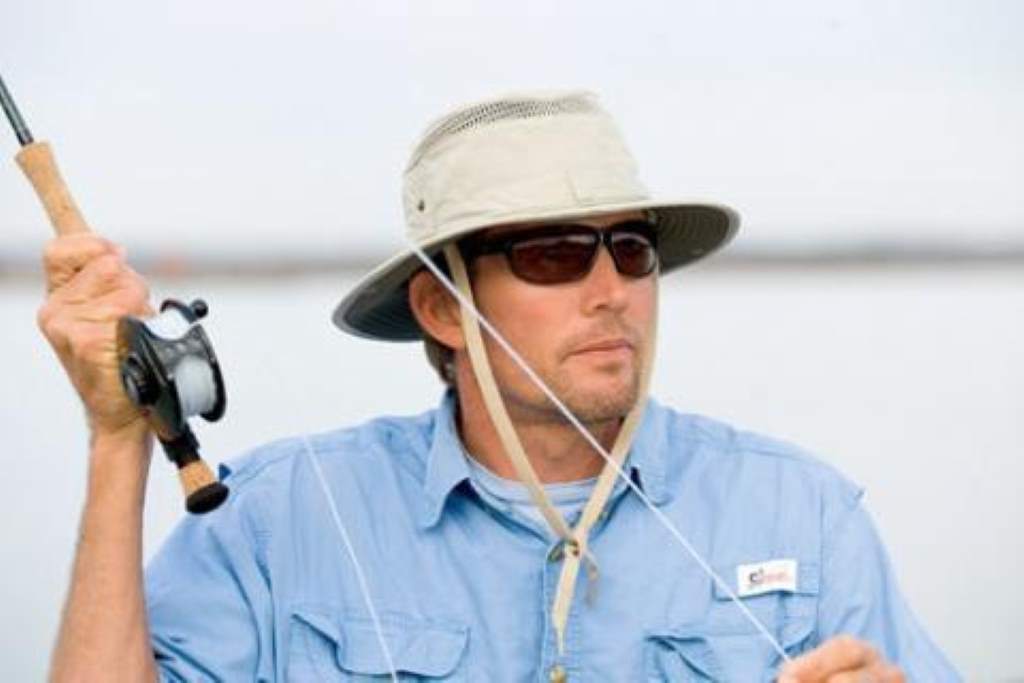
Spending long hours under the sun while fishing can quickly turn uncomfortable and even risky without proper protection. According to the World Health Organization, prolonged exposure to ultraviolet radiation increases the risk of skin damage and heat-related issues. That is why choosing the right fishing hat matters more than most anglers realize. When you understand how to balance sun protection, breathability, and fit, you can stay focused on fishing instead of discomfort. In this guide, you will learn how to select a hat that keeps you cool, protected, and ready for long days outdoors.
Why a Good Fishing Hat Matters
Fishing often means standing in direct sunlight for hours. Therefore, your hat is not just an accessory but essential gear. A well-designed fishing hat helps reduce heat exposure, prevents sunburn, and improves comfort throughout the day.
Key Benefits
- Shields your face, ears, and neck from harmful UV rays
- Helps regulate body temperature by reducing direct heat
- Prevents glare, improving visibility on the water
- Enhances overall endurance during long fishing sessions
Moreover, research from the Centers for Disease Control and Prevention shows that protective clothing significantly lowers the risk of skin damage from sun exposure.
Types of Fishing Hats You Should Know
Different fishing environments require different hat styles. Choosing the right type depends on your location, weather, and fishing method.
Wide Brim Hats
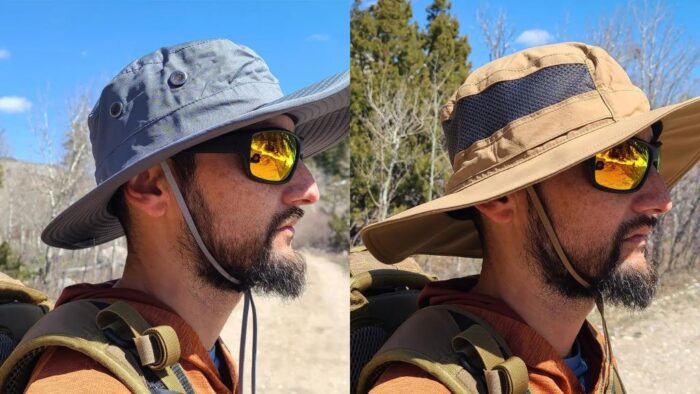
These are the most popular choice for sun protection. They provide full coverage around the head and neck.
- Ideal for open water fishing
- Offers maximum shade
- Often includes neck flaps for extra protection
Bucket Hats
Bucket hats are lightweight and easy to pack. While they offer moderate protection, they are better suited for casual fishing.
- Compact and travel friendly
- Comfortable for short trips
- Less coverage compared to wide brim options
Baseball Caps with Neck Covers
These combine familiarity with added protection.
- Great for active anglers
- Provides shade for the face and neck
- Works well in windy conditions
How to Choose the Best Fishing Hat for Sun Protection
Selecting the right hat requires attention to several important features. Each factor directly affects comfort and safety.
1. Look for UPF Rating
UPF stands for Ultraviolet Protection Factor. It measures how effectively fabric blocks UV rays.
- UPF 30 blocks about 96 percent of UV radiation
- UPF 50 blocks about 98 percent
- Higher ratings offer better protection
Therefore, always choose a hat with a verified UPF rating.
2. Prioritize Full Coverage
Coverage determines how much protection you actually get.
- Wide brims protect face, ears, and neck
- Neck flaps add extra coverage
- Longer brims reduce glare from water
In contrast, smaller hats may leave key areas exposed.
3. Choose Breathable Materials
Comfort depends heavily on airflow. Without proper ventilation, heat builds up quickly.
Best materials include:
- Nylon for durability and quick drying
- Polyester for moisture control
- Mesh panels for airflow
Additionally, moisture wicking fabrics keep sweat away from your skin.
4. Ensure a Secure Fit
A poorly fitting hat can become a distraction, especially in windy conditions.
Look for:
- Adjustable chin straps
- Elastic or drawstring closures
- Lightweight design to reduce pressure
As a result, your hat stays in place without causing discomfort.
Comfort Features That Make a Difference
Comfort is just as important as protection. If your hat feels uncomfortable, you are less likely to wear it consistently.
Ventilation Systems
Hats with mesh panels or vents improve airflow. This helps reduce overheating during hot days.
Sweatbands
Built-in sweatbands absorb moisture and prevent sweat from dripping into your eyes.
Lightweight Construction
Heavy hats can cause fatigue over time. Lightweight options improve wearability.
Quick Dry Technology
Fishing often involves water exposure. Quick drying fabrics ensure your hat stays comfortable even after getting wet.
Matching Your Hat to Fishing Conditions
Not all fishing trips are the same. Therefore, you should match your hat to the environment.
Freshwater Fishing
- Moderate sun exposure
- Light breeze conditions
- Lightweight hats work well
Saltwater Fishing
- Strong sunlight reflection from water
- High humidity levels
- Wide brim hats with UPF 50 are ideal
Tropical Fishing
- Intense heat and UV exposure
- High sweating conditions
- Maximum ventilation and coverage required
Cold Weather Fishing
Even in cooler weather, sun exposure still matters.
- Choose insulated hats with UV protection
- Focus on warmth and coverage
Common Mistakes to Avoid
Many anglers choose hats based on looks rather than functionality. However, this can lead to discomfort and poor protection.
Mistakes to Watch Out For
- Ignoring UPF rating
- Choosing style over coverage
- Overlooking ventilation
- Picking the wrong size
- Skipping chin straps in windy areas
Avoiding these mistakes ensures better performance and comfort.
Care and Maintenance Tips
Proper care extends the life of your fishing hat.
Simple Maintenance Steps
- Rinse with fresh water after each use
- Air dry instead of using heat
- Store in a cool, dry place
- Avoid folding structured hats
Consistent care keeps your hat effective and comfortable over time.
Expert Tips for Maximum Protection
Experienced anglers follow simple strategies to enhance protection.
- Pair your hat with polarized sunglasses
- Use sunscreen on exposed skin
- Wear light colored clothing to reflect heat
- Stay hydrated during long fishing sessions
These habits improve both safety and comfort.
Conclusion
Choosing the right fishing hat is not complicated when you focus on the essentials. Prioritize UV protection, full coverage, breathable materials, and a secure fit. Additionally, match your hat to your fishing environment for the best results. When you invest time in selecting the right gear, you enjoy longer, safer, and more comfortable fishing trips. Start applying these tips today and upgrade your fishing experience with the right hat.
FAQs
What is the best material for a fishing hat?
Lightweight and breathable materials like nylon and polyester work best. They dry quickly and allow airflow.
How important is UPF in a fishing hat?
UPF is very important because it measures how well the hat blocks harmful UV rays. Higher ratings offer better protection.
Can I use a regular hat for fishing?
You can, but it may not provide enough coverage or UV protection. Fishing hats are designed specifically for outdoor conditions.
Should a fishing hat be tight or loose?
It should fit comfortably without being too tight. Adjustable features help achieve the perfect fit.
Do fishing hats work in cloudy weather?
Yes, UV rays can still penetrate clouds. Wearing a protective hat remains important even on overcast days.