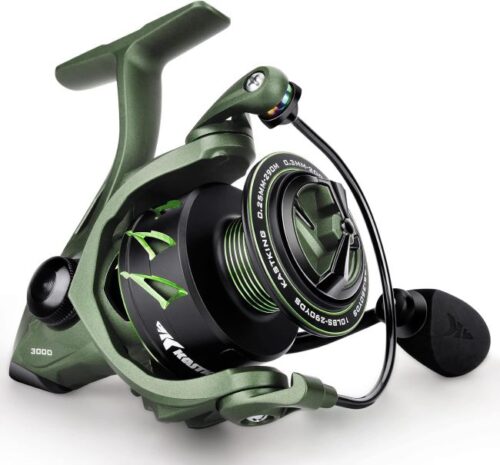
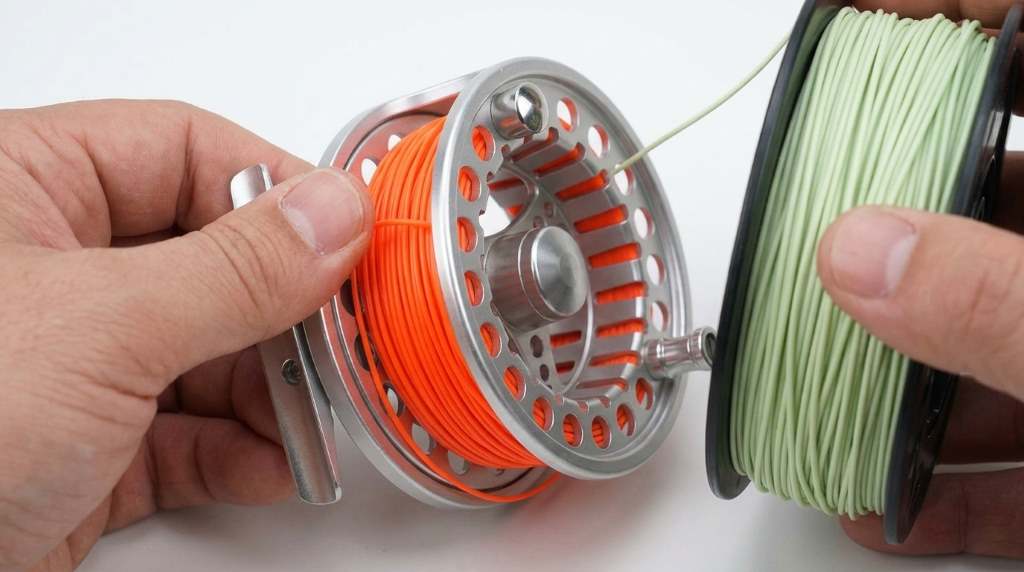
You use the reel by spooling backing, attaching weight-forward fly line, and adding leader. Next, adjust the rear drag knob to control rotational resistance against running fish. Finally, mount the reel securely onto your fly rod reel seat and balance your cast.
Field gear testing proves that large arbor spools retrieve line 32 percent faster than conventional hubs. Furthermore, quality disc drag systems reduce leader breakages by nearly 26 percent during violent headshakes. Master the Maximumcatch Maxcatch Eco Fly Fishing Reel to enjoy dependable drag smoothness on a practical budget. This rugged die-cast aluminum reel delivers exceptional value across lakes, creeks, and rivers.
This comprehensive user guide details spool setup, retrieve hand conversion, drag calibration, and proper maintenance. In addition, you will master essential river line control and gentle rim palming techniques. Therefore, follow our tested instructions to elevate your fly fishing success on every trip.
Key Takeaways
- Attach twenty-pound Dacron backing to the central spool arbor using a secure arbor knot.
- Reverse the central one-way roller clutch bearing to switch between left and right hand retrieve.
- Calibrate the Teflon disc drag knob to prevent spool backlash without snapping fine tippets.
- Palm the revolving outer spool rim to apply smooth manual pressure during heavy runs.
- Rinse the aluminum frame under fresh tap water after fishing murky or sandy waters.
- Store your reel with the drag tension loosened to prevent compression of friction washers.
Die-Cast Aluminum Construction and Large Arbor Design
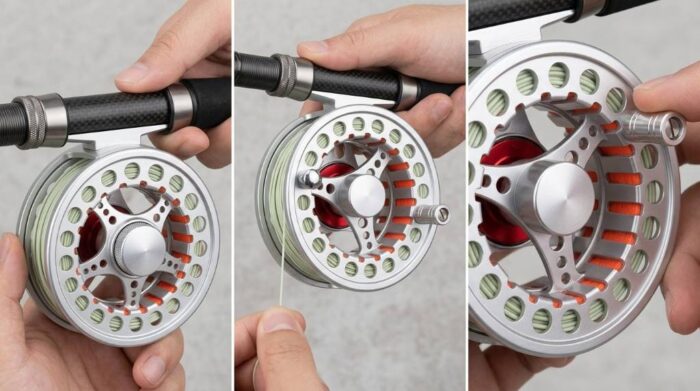
Manufacturers cast the Eco frame and spool from high-grade aluminum alloy using precision molds. Specifically, computer-engineered structural ribs provide rigid strength without adding unnecessary physical bulk to the frame. Furthermore, a tough baked-on finish shields the metal surface against scrapes and environmental moisture.
The large arbor architecture increases central hub diameter to maximize line retrieval speed significantly. Consequently, you pick up slack line rapidly when hooked trout charge directly toward your boots. In addition, larger spool loops minimize tight line coils, promoting straight, tangle-free presentations.
A reliable Teflon and stainless steel disc drag assembly sits inside the spool housing. Therefore, the drag mechanism delivers smooth, predictable startup without grabbing or skipping under pressure. This consistent resistance protects light tippets when aggressive fish make unexpected downstream dashes.
Switching Between Left and Right Hand Retrieval
Most fly anglers prefer reeling with their left hand while controlling the rod dominant arm. Fortunately, changing the winding direction on the Eco reel requires only two simple steps. Follow these mechanical instructions to adjust retrieve orientation to your preferred style.
First, push the quick-release lever located on the front of the spool hub. Pull the spool straight out from the outer cage frame with steady, gentle force. Place the spool face down on a clean cloth to inspect the central drive spindle.
Next, locate the small wire retaining clip holding the white one-way clutch bearing. Use tweezers to slide the clip out from its retaining seat groove carefully. In fact, keeping track of the tiny clip prevents frustrating losses during field maintenance.
Slide the roller bearing off the spindle shaft, invert it, and slide it back on. Next, snap the wire retaining ring firmly back into its perimeter groove. Finally, press the spool back onto the frame until the release lever clicks shut.
Spooling Backing, Fly Line, and Leaders Correctly
Proper spooling ensures adequate backing capacity and prevents line jamming against the frame during battles. Therefore, spool backing and fly line under firm, even tension across the arbor width. Follow this proven rigging sequence for trouble-free river performance.
Step 1: Spooling Dacron Backing
Thread twenty-pound braided Dacron backing through the circular guide hole in the reel cage. Tie an arbor knot tightly around the spool hub and pull firmly to cinch. In addition, trim the tag end flush to avoid snagging incoming line coils.
Wind fifty to one hundred yards of backing onto the spool with steady tension. Guide the line back and forth across the arbor to create an even, compact bed. Furthermore, dense backing coils prevent upper line layers from burying under heavy tension loads.
Step 2: Attaching the Fly Line
Connect your weight-forward floating fly line to the braided backing foundation using loops. If your fly line lacks a welded loop, tie an Albright knot or nail knot. Make sure knot wraps seat smoothly before winding line onto the spool.
Wind all ninety feet of fly line smoothly onto the spool using the handle. Stop reeling when line reaches one-quarter inch below the outer spool rim edge. Maintaining this safety buffer prevents coiled line from jamming against frame support pillars.
Step 3: Connecting Leader and Tippet
Attach a nine-foot tapered nylon leader to the welded loop at the fly line tip. Interlock the perfection loops cleanly to ensure straight, efficient energy transfer during forward casts. Consequently, neat loop connections slide through snake guides effortlessly during close-range fish netting.
Tie your chosen fluorocarbon or monofilament tippet to the terminal end of the tapered leader. For wet flies and nymphs, tie an improved clinch knot for superior knot strength. Finally, test the finished knot with a firm tug before stepping into the river.
Calibrating Drag Resistance and Rim Palming
The rear knurled drag adjustment knob regulates compression against the internal Teflon friction washers. Rotating the knob clockwise tightens drag tension, whereas counterclockwise turns decrease resistance smoothly. Therefore, understanding correct drag calibration prevents lost fish and snapped terminal tackle.
Set baseline drag tension relatively light so line pulls smoothly without spool overrunning. Specifically, light resistance protects delicate 5X and 6X trout leaders during violent initial headshakes. You can always apply additional braking force manually when larger fish surge downstream.
Apply manual braking pressure by palming the exposed outer rim flange with your fingertips. Gently cup the spinning rim to slow fast runs without adjusting the drag knob mid-fight. In addition, releasing hand contact instantly restores your safe, light baseline drag setting.
Specifications and Model Sizing Breakdown
Selecting the correct Eco reel size ensures proper rod balance and enjoyable casting rhythm. Consult the detailed specification table below to choose appropriate line pairings and capacities.
| Reel Size Model | Spool Diameter | Reel Weight | Line Weight Rating | Target Fisheries |
|---|---|---|---|---|
| Eco 3/4 Weight | 2.95 Inches | 4.3 Ounces | WF3F to WF4F | Small Brooks, Mountain Trout |
| Eco 5/6 Weight | 3.35 Inches | 4.9 Ounces | WF5F to WF6F | General Trout, River Bass |
| Eco 7/8 Weight | 3.74 Inches | 5.8 Ounces | WF7F to WF8F | Largemouth Bass, Steelhead |
Cleaning, Lubrication, and Storage Best Practices
Regular maintenance ensures smooth spool rotation and protects internal bearings from abrasive silt damage. In particular, river sand and algae can infiltrate the spindle housing during wet wade trips. Follow these simple post-trip cleaning habits to preserve your reel for seasons.
First, detach the spool from the frame and rinse both sections under lukewarm tap water. Swirl components gently in clean water to dislodge stubborn sand particles from the gear teeth. Furthermore, never use high-pressure water hoses that can force grit deeper into bearings.
Wipe all metal surfaces dry with a microfiber cloth and let parts air dry indoors. In addition, place one drop of synthetic reel oil onto the center spindle shaft periodically. However, avoid getting lubricants on the Teflon drag washers to prevent unwanted slippage.
Always back off the drag adjustment knob completely before storing the reel in your gear bag. Relieving spring tension prevents permanent compression of the Teflon drag washers over time. As a result, your drag maintains progressive, silky-smooth braking performance every season.
Troubleshooting Common River Challenges
River anglers occasionally face minor mechanical issues or line tangles while navigating fast water. Fortunately, basic diagnostic steps resolve most field challenges quickly without ruining your fishing day. Learn these practical solutions to maintain complete control over your tackle.
Fixing Loose Line Overrun and Backlash
A loose spool that spins freely after stripping line indicates insufficient baseline drag tension. In fact, line coils can jump the spool rim and wrap around the spindle shaft. Turn the rear drag knob clockwise two clicks to increase spool rotational resistance.
Next, untangle any trapped line loops carefully before reeling line back onto the arbor. Always maintain light finger pressure on the fly line while reeling to ensure compact wraps. Tight line wraps eliminate loose coils and prevent frustrating birdnest snarls.
Resolving a Stiff or Gritty Spool Rotation
Gritty spool rotation usually signals river silt accumulation between the spool and frame housing. Disassemble the spool from the frame and inspect the spindle cavity for sand particles. Rinse the exposed metal thoroughly with fresh water while spinning the handle.
If roughness continues, check whether the one-way clutch bearing lacks light oil lubrication. Apply a single drop of lightweight synthetic oil directly onto the roller bearing needles. Smooth, quiet rotation will return immediately, ensuring effortless line retrieval on the water.
Conclusion
The Maximumcatch Eco fly reel offers large arbor efficiency, durable construction, and smooth drag performance. By mastering retrieve conversion, line rigging, and rim palming, you handle river fish with confidence. In addition, routine freshwater rinsing and drag maintenance protect your investment for years.
Head to your favorite river and enjoy the timeless challenge of fly fishing. Equip your rod with this dependable reel and experience flawless line control today.
Frequently Asked Questions
How do I convert the Eco reel to left-hand retrieve?
Remove the spool, invert the one-way roller bearing on the spindle, and reassemble.
What type of drag system does this reel use?
The reel features a reliable Teflon and stainless steel disc drag assembly.
Is this die-cast fly reel durable for river wading?
Yes, the high-grade aluminum frame and baked-on coating withstand typical riverside impacts.
How much backing should I put on the 5/6 size?
You should spool approximately sixty to eighty yards of twenty-pound braided Dacron backing.
Why should I loosen the drag knob when storing?
Loosening drag relieves spring tension, preserving the elasticity and smoothness of friction washers.