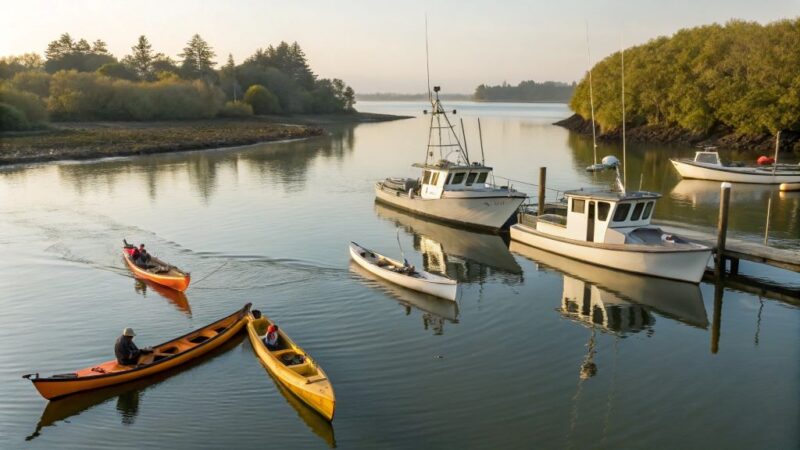
Fishing is more than a pastime—it’s a way of life for millions. One of the most important decisions an angler makes is choosing the right vessel. The debate of kayaks vs boats for fishing is more heated than ever. While both offer access to waters unreachable by foot, each has unique benefits and drawbacks. Understanding the full picture is crucial to making the best choice for your fishing adventures.
The Kayak Advantage: Simplicity, Stealth, and Affordability
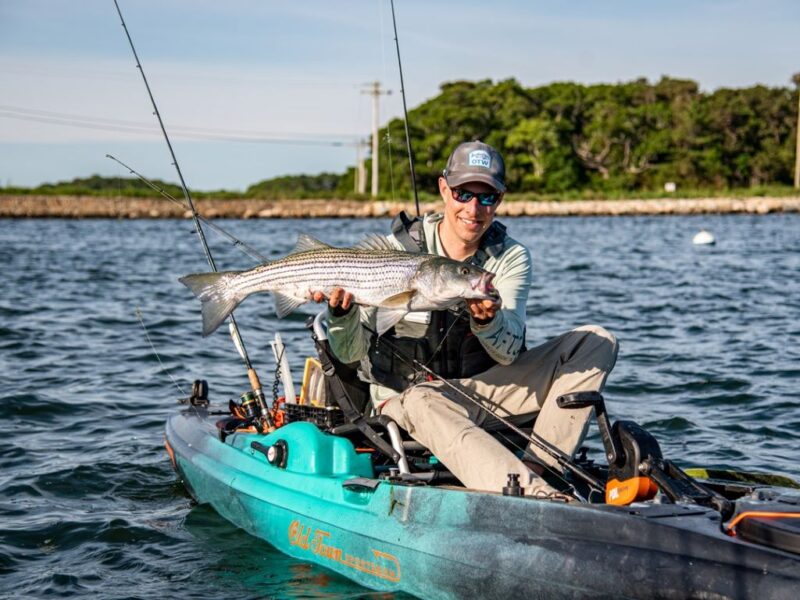
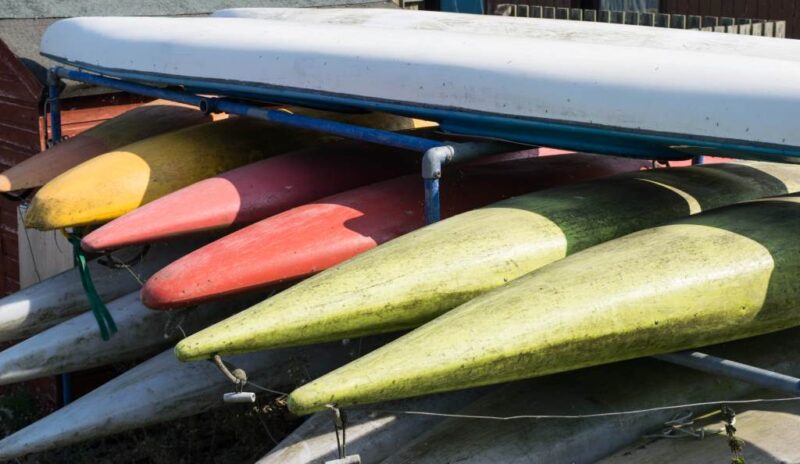
Kayaks offer a streamlined, quiet, and intimate fishing experience. Their lightweight design allows anglers to access narrow, shallow waterways that boats can’t reach. A kayak can weigh as little as 40 pounds, making it easy to transport solo. Most anglers don’t even need a trailer—just roof racks or the truck bed will do.
Financially, kayaks present a significant advantage. The average fishing kayak costs between $500 and $2,000, according to Outdoor Life. Compare that to a fishing boat, which can range from $10,000 to well over $100,000 depending on features.
In terms of stealth, kayaks are nearly unbeatable. The absence of an engine means you can glide into fishing spots without scaring fish away. This is especially important in pressured waters where fish are easily spooked.
However, kayaks aren’t without their downsides. They’re physically demanding. Paddling long distances can be exhausting, especially against wind or current. Storage space is also limited. You’ll need to be efficient with your tackle and gear.
The Power of Boats: Speed, Comfort, and Capability
Fishing boats are the choice of many serious and competitive anglers. One of their biggest strengths is speed. A boat allows you to cover large bodies of water quickly, which is critical in tournaments or when targeting elusive species like striped bass or musky.
Boats offer unmatched storage and convenience. With room for multiple rods, coolers, electronics, and safety gear, anglers can fish longer and in more comfort. Features like live wells, fish finders, and even onboard grills transform fishing into a luxurious experience.
The physical demand is also minimal. While kayaks require muscle, boats rely on horsepower. This is ideal for older anglers or those with limited mobility. Additionally, boats provide better stability in rough water and can carry multiple people—making them great for family or buddy trips.
The downside? Boats are expensive to buy and maintain. Aside from the initial cost, you’ll also need to pay for gas, insurance, storage, and maintenance. According to Boating Industry, annual maintenance for a boat can run from $1,000 to $5,000. Add in the cost of trailers, registration, and marina fees, and the bills climb quickly.
Safety and Regulations: Which is Better?
Safety is a major concern in any water activity. Boats typically come equipped with navigation systems, radios, and other advanced safety features. They’re also easier to spot from a distance, which is crucial in emergency situations.
Kayaks, while generally safe in calm conditions, require more attention to weather and tides. Because they sit lower in the water, visibility can be an issue. However, kayak anglers often wear high-visibility gear and carry marine radios or PLBs (Personal Locator Beacons) for added security.
From a regulatory standpoint, kayaks require fewer licenses and certifications in most states. Boating often comes with more paperwork and legal responsibilities, depending on your location.
Environmental and Maintenance Considerations
Kayaks have a smaller environmental footprint. No fuel, no oil spills, no emissions. They’re quiet, which reduces disturbance to aquatic ecosystems and wildlife. Maintenance is also minimal—just rinse and store.
Boats, in contrast, require regular engine servicing, fuel management, and hull cleaning. Though innovations like electric trolling motors and solar panels are becoming more common, traditional gas-powered boats still dominate and come with environmental concerns.
Performance in Different Waters
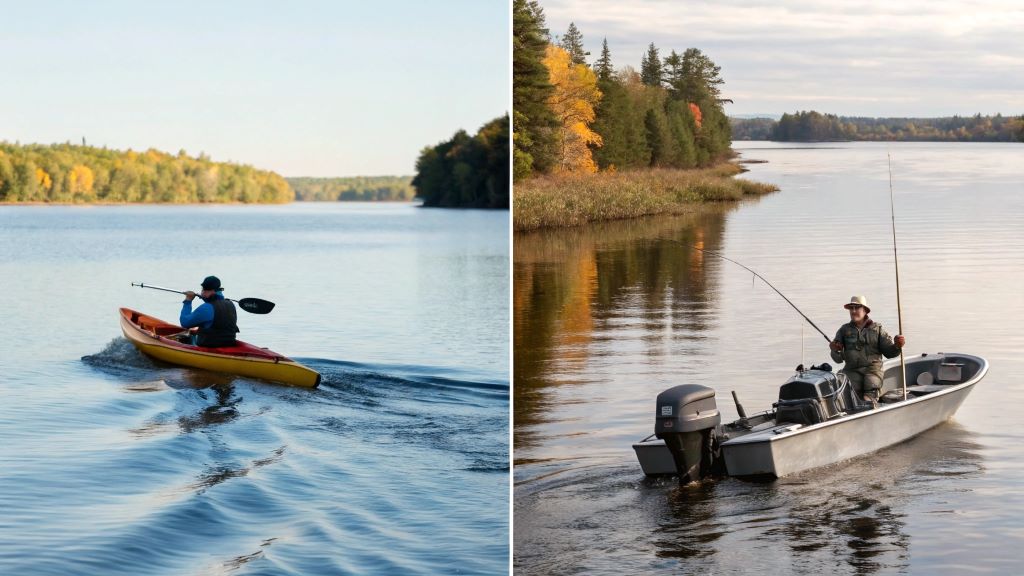
If your fishing mostly happens on small lakes, creeks, or backwaters, a kayak is probably the smarter choice. Their ability to navigate tight areas is unmatched. They allow stealthy approaches in waters where motors are prohibited.
On larger lakes, coastal waters, or offshore locations, boats reign supreme. The stability, power, and onboard technology of boats are critical for navigating big water and tracking fast-moving fish.
The Social and Experience Factor
Fishing from a kayak is often a solitary experience. For many, that’s part of the charm—being alone with nature. It builds self-reliance and deepens the connection to the water.
Boats, on the other hand, are inherently more social. They let you bring family or friends, share gear, and teach others. If community and camaraderie are your goals, a boat might be the better fit.
What Experts and Anglers Say
Top anglers like Chad Hoover, host of Kayak Bassin’ TV, praise kayaks for their simplicity and challenge. He believes kayak fishing forces you to become a better, more strategic angler.
Conversely, pro tournament fisherman Mike Iaconelli points to boats as critical tools in high-level competitive angling. He notes that the speed and sonar capabilities of boats can mean the difference between winning and losing.
Featured Snippet: What’s Better for Beginners—A Kayak or a Boat?
For beginners, kayaks often make more sense. They’re affordable, easy to transport, and less intimidating. You’ll learn to read water and understand fish behavior without relying on technology. Kayaks encourage a minimalist approach that strengthens your fishing fundamentals. Boats, while powerful, require more investment, responsibility, and maintenance. Start with a kayak, master the basics, and upgrade to a boat as your skills grow. It’s a logical, cost-effective progression in your angling journey.
Pro Tips: Choosing Between Kayak and Boat
- Try before you buy: Rent both to understand your comfort level.
- Think long-term: Consider how often you’ll fish and what type of waters you’ll access.
- Budget realistically: Factor in all ownership costs—not just the purchase price.
- Don’t overlook storage: Boats need trailers and docks; kayaks just need space in the garage.
- Upgrade smartly: A pedal kayak can be a great hybrid option before jumping to a full boat.
Fishing Kayak Rudder Maintenance Guide: The Ultimate Handbook for Every Angler
FAQs
- Can you use a kayak in saltwater?
Yes, but choose a saltwater-rated kayak with corrosion-resistant components. - Are kayaks safe for fishing in strong currents?
Only with proper skill and safety gear. Beginners should avoid high-current areas. - Is a fishing license required for both vessels?
Yes, fishing licenses are typically required regardless of your vessel type. - Which is better for fly fishing?
Boats offer better casting space, but skilled fly anglers also use kayaks in still waters. - How long do kayaks and boats last?
With proper care, kayaks last 10–15 years. Boats can last decades with regular maintenance. - Can I install electronics on a kayak?
Yes. Many modern fishing kayaks come pre-rigged for fish finders and GPS units. - Do I need insurance for a kayak?
It’s not required but can be useful. Boat insurance is usually necessary for powered vessels.
Final Thought
The kayak vs boat debate doesn’t have a one-size-fits-all answer. It depends on your fishing style, goals, budget, and personality. Kayaks offer intimacy with nature, affordability, and stealth. Boats provide power, luxury, and versatility. Both can deliver incredible fishing experiences. Start small, build skills, and evolve your equipment with your passion. Whether gliding quietly on a river or powering across a bay, the water will always reward the prepared angler.
Read More:
How to Choose the Right Gear Ratio for Bass Fishing Reels: The Ultimate Guide
UV-Reactive Soft Plastics for Deep Sea Fishing: Highlights the Importance of UV Light at Depth