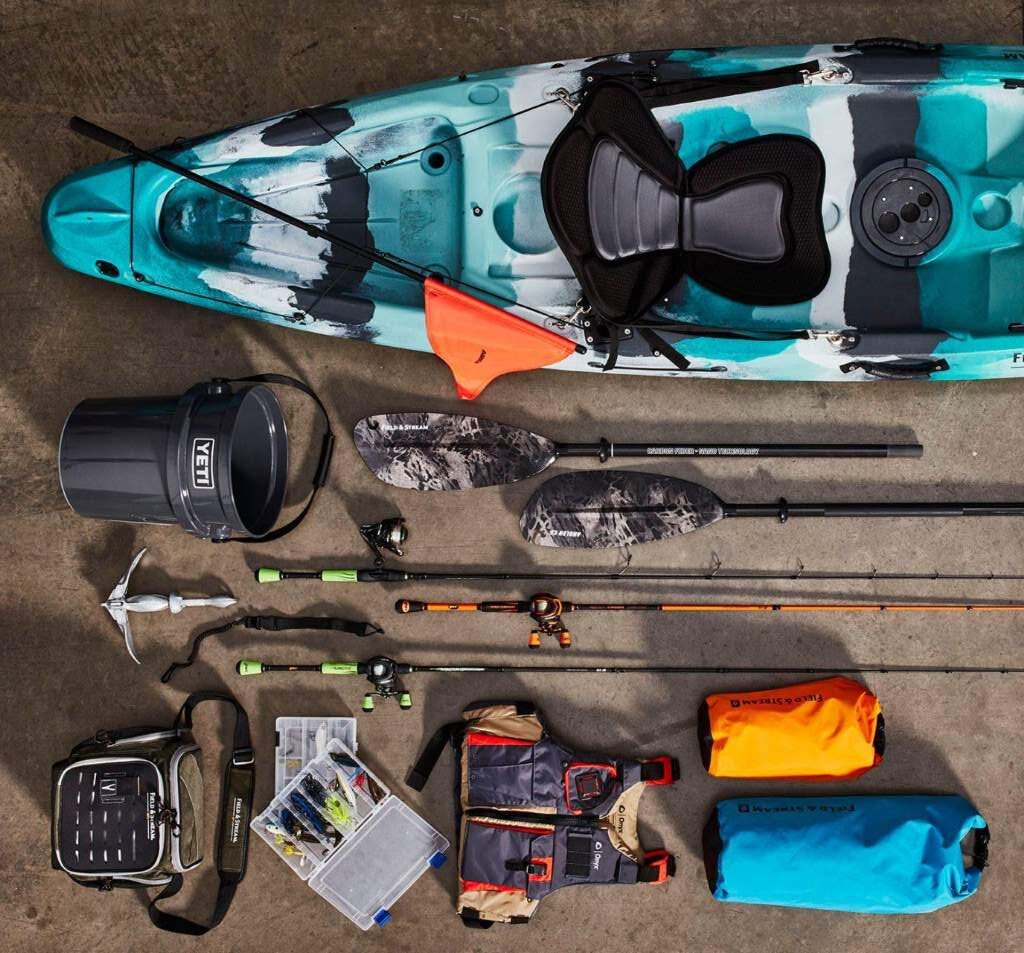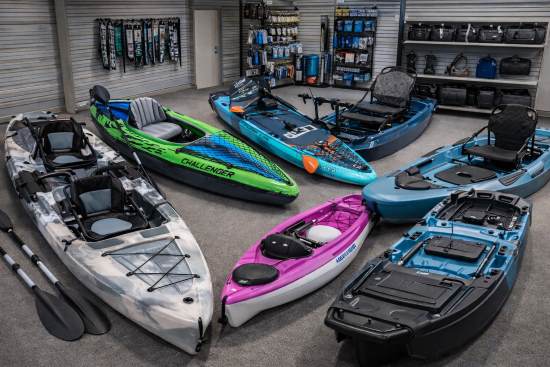
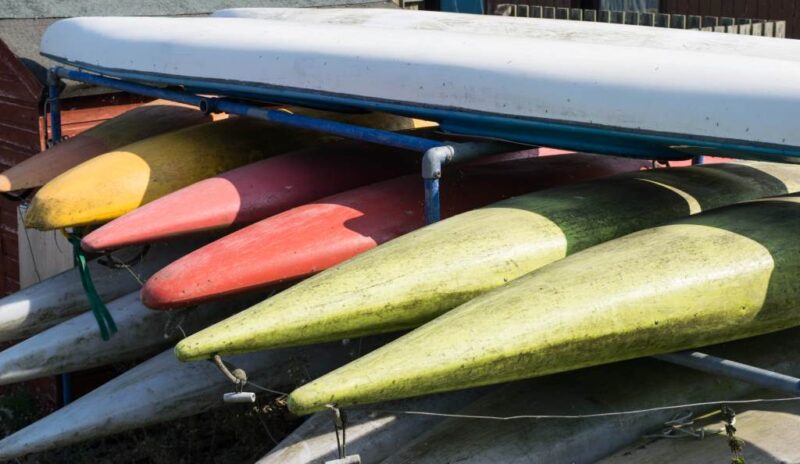
Kayaking offers adventure, but proper kayak storage and cooler setup are key to preserving gear and enhancing trips. Without correct storage, kayaks can warp or crack, and poorly chosen coolers can limit space or fail to keep items cold. These kayak storage and cooler setup guides provide practical solutions for enthusiasts. Whether you’re a beginner or seasoned paddler, these tips ensure your kayak stays in top shape and your cooler performs efficiently. According to a 2023 Outdoor Industry Association report, over 20 million Americans kayak annually, highlighting the need for reliable gear care. Let’s dive into kayak storage and cooler setup guides to maximize your paddling experience.
Why Proper Kayak Storage Matters
Kayaks are built for water, but improper storage can damage them. Sunlight, heat, and pressure can cause fading, warping, or cracks. For example, UV rays degrade plastic kayaks over time, reducing their lifespan. Storing kayaks correctly protects your investment and ensures they’re ready for your next adventure. A 2022 study by the National Marine Manufacturers Association found that 60% of kayak damage occurs due to improper storage, emphasizing the need for care.
To avoid issues, store kayaks indoors whenever possible, such as in a garage or shed. If outdoor storage is your only option, use covers and elevate the kayak to prevent moisture buildup. My first kayak warped after I left it leaning against a wall for months, a costly lesson in proper storage techniques. Always prioritize kayak storage to maintain durability and performance.
Best Practices for Indoor Kayak Storage
Indoor storage is ideal for protecting kayaks from weather. Garages, basements, or sheds work well, but space and accessibility matter. Kayaks should be stored off the ground to avoid pressure points that cause dents. Wall racks or ceiling hoists are excellent solutions, saving space and keeping kayaks secure. For instance, a sling system like the Railblaza StarPort supports kayaks without stressing the hull.
When storing indoors, clean the kayak with mild soap and water to remove dirt or salt. Dry it thoroughly to prevent mold. Additionally, use a UV-protectant spray to shield against fading, even indoors. Ensure the storage area stays between 32°F and 100°F to avoid material damage. These kayak storage and cooler setup guides help you organize efficiently, ensuring easy access for your next trip.
Outdoor Kayak Storage Tips
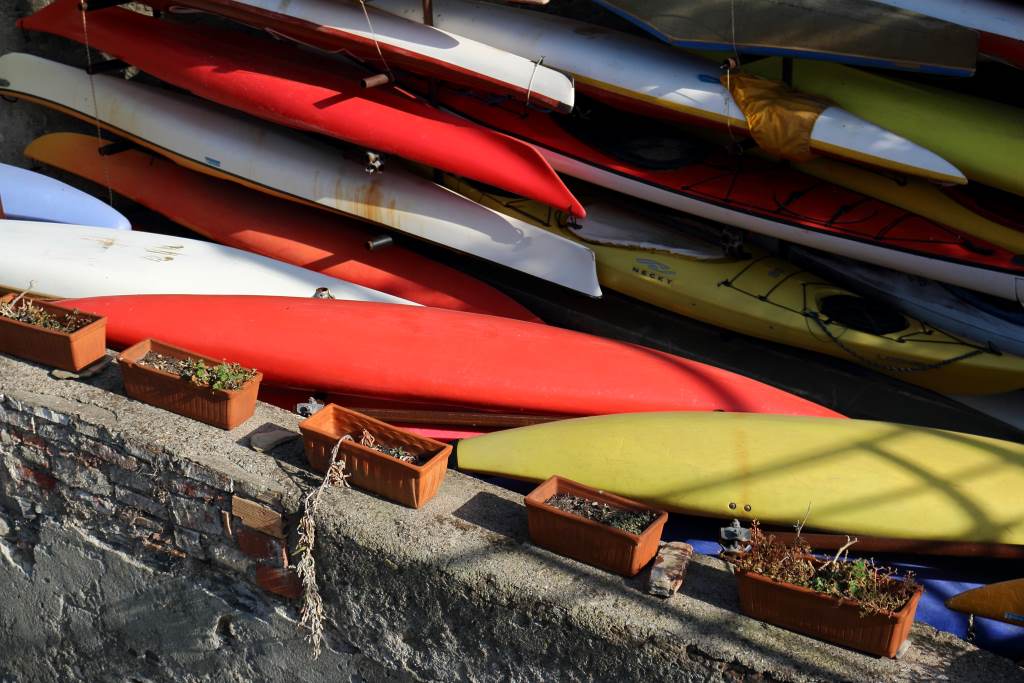
If indoor storage isn’t possible, outdoor kayak storage requires extra care. Sunlight and moisture are major threats, as prolonged exposure can weaken the hull. Use a weatherproof cover, like a Pelican cover, to shield your kayak from rain and UV rays. Elevate the kayak on racks or sawhorses to prevent ground moisture damage. According to a 2024 REI guide, 75% of outdoor-stored kayaks suffer UV damage without covers.
Position kayaks on their side or upside down to avoid hull stress. Secure them against wind or theft with locks or chains. I once stored a kayak outside without a cover, and it faded significantly within a season. Regularly check for moisture or pests under the cover. These kayak storage and cooler setup guides ensure your kayak stays protected, even in harsh conditions.
DIY Kayak Storage Solutions
DIY kayak storage is cost-effective and customizable. A simple wall-mounted rack using PVC pipes or lumber can hold multiple kayaks. For example, a Family Handyman guide suggests using 4×4 posts and 2×6 boards for a sturdy two-kayak rack. This setup costs less than $50 and fits most garages. Ensure the kayak rests on its side or cockpit to avoid hull damage.
Alternatively, ceiling hoists maximize floor space. These systems use ropes or straps to lift kayaks overhead, ideal for small spaces. When building, secure racks to wall studs or sturdy beams for safety. My DIY rack, made from PVC, saved space and kept my kayak secure for years. These kayak storage and cooler setup guides offer practical, budget-friendly ideas for any paddler.
Choosing the Right Kayak Cooler
A good cooler enhances kayak trips by keeping food and drinks cold. Kayak coolers must be compact, lightweight, and durable due to limited space. Soft-sided coolers, like the Yeti Hopper Flip 12, are ideal for sit-on-top kayaks, as they’re portable and waterproof. Hard-shell coolers, such as the Kenai 25-quart, offer better ice retention but take up more space.
Consider your kayak’s storage capacity and trip length when choosing. For day trips, a 12-quart cooler suffices, while multi-day adventures need larger options. A 2023 Grizzly Coolers study found that 80% of kayak anglers prefer coolers under 25 quarts for space efficiency. Test the cooler’s fit before buying to ensure it secures easily to your kayak’s deck or tank well.
Cooler Setup Tips for Kayak Fishing
Kayak fishing requires a cooler that keeps catches fresh and fits securely. Place the cooler in a tank well or behind the seat for easy access. Use bungee cords or straps to secure it, preventing movement during paddling. For sit-inside kayaks, soft-sided coolers like the IceMule Classic fit beside the seat, saving space. Pre-chill the cooler with ice packs for 24 hours to maximize ice retention.
Add insulation, like a fleece cover, to extend cooling time, especially in hot weather. Keep the cooler in the shade to avoid heat buildup. I once lost a day’s catch because my cooler wasn’t secured and tipped over. These kayak storage and cooler setup guides help anglers keep their gear organized and fish fresh on every trip.
Packing and Organizing Your Cooler
Efficient cooler packing saves space and keeps items cold. Place frozen items at the bottom, followed by ice packs, then food or drinks. Avoid warm items, as they melt ice faster. Use watertight containers for food to prevent sogginess. A Coolers Insider guide recommends filling coolers to 75% capacity for optimal cooling, leaving room for ice.
Organize items you’ll need often, like snacks, near the top for easy access. For fishing, use a keeper net alongside the cooler to keep fish alive until landing. These kayak storage and cooler setup guides ensure your cooler is packed smartly, making your kayaking experience hassle-free and enjoyable.
Maintenance Tips for Kayaks and Coolers
Regular maintenance extends the life of kayaks and coolers. Rinse kayaks after every use to remove salt, sand, or algae. Apply a kayak-specific wax or UV protectant annually to prevent fading. Check for cracks or wear before storing. For coolers, clean with mild soap and dry thoroughly to prevent mold or odors. Store coolers with lids slightly open to allow airflow.
Inspect straps, latches, and seals on coolers regularly for wear. I learned the hard way when a neglected cooler seal failed, spoiling food mid-trip. Lubricate cooler hinges with silicone spray for smooth operation. Following these kayak storage and cooler setup guides keeps your gear in top condition, ready for countless adventures.
Conclusion
Proper kayak storage and cooler setup are essential for protecting your gear and enhancing your kayaking experience. By storing kayaks correctly, using durable covers, and choosing the right cooler, you ensure longevity and performance. These kayak storage and cooler setup guides offer practical solutions for all paddlers. Whether you opt for indoor racks, outdoor covers, or efficient cooler packing, these tips save time and money. Share your own kayak storage or cooler setup tips in the comments below or spread this guide to help fellow kayakers! Let’s keep our gear ready for the next adventure.
FAQs
How do I prevent my kayak from warping during storage?
Store your kayak on its side or upside down on a rack or hoist to avoid hull pressure. Use padded supports and a cover to protect it from UV rays and moisture.
What’s the best cooler size for a day-long kayak trip?
A 12- to 25-quart cooler is ideal for day trips, balancing space and ice retention. Soft-sided coolers are easier to fit in tight kayak spaces.
Can I store my kayak outside year-round?
Outdoor storage is possible with a UV-resistant cover and elevation off the ground, but indoor storage is better to avoid weather damage.
How do I secure a cooler on a sit-on-top kayak?
Use bungee cords or straps to lash the cooler to deck lines or a tank well. Ensure it’s stable to prevent tipping during paddling.
How often should I clean my kayak and cooler?
Clean both after every use to remove dirt, salt, or algae. Dry thoroughly and apply UV protectant annually to maintain condition.