Imagine casting your line into a serene lake, the water shimmering under the sun, only to realize the fish you’re targeting are hovering mid-water, ignoring your bait. Frustrating, right? This is the challenge of catching suspended fish—those elusive creatures that linger between the surface and the bottom, defying traditional fishing techniques. But what if there was a game-changing method to turn these tricky targets into your next big catch? In this article, we’ll dive into a proven technique for catching suspended fish, offering practical tips, expert insights, and strategies to elevate your angling game. Whether you’re a seasoned angler or a weekend enthusiast, this guide will help you master the art of catching suspended fish.
What Are Suspended Fish and Why Are They Hard to Catch?
Suspended fish are those that hang out in the water column, neither near the surface nor close to the lake or riverbed. Species like crappie, bass, walleye, and trout often exhibit this behavior, particularly in deeper waters or during specific seasons. Their position in the water column makes them challenging to target because they’re not feeding off the bottom like catfish or chasing surface lures like aggressive predators.
The difficulty lies in their behavior. Suspended fish are often in a neutral or resting state, making them less likely to strike at traditional lures or bait. Factors like water temperature, oxygen levels, and forage availability influence their depth, which can change daily or even hourly. To catch them, you need precision, patience, and the right technique.
Secondary Keywords: fish behavior, water column fishing, angling challenges
LSI Keywords: fishing techniques, suspended bass, crappie fishing tips
The Game-Changing Technique: Vertical Jigging with Electronics
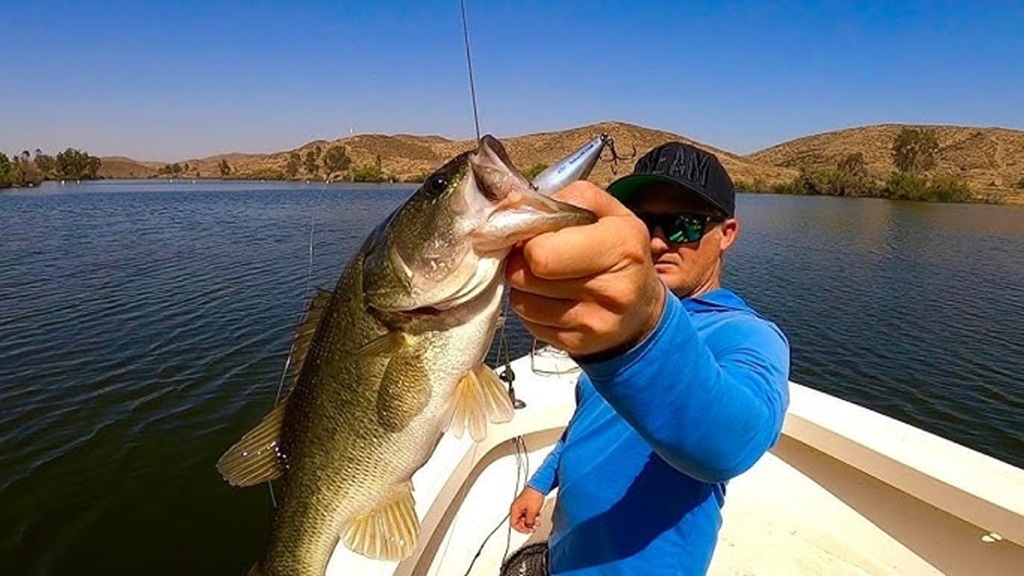
The most effective method for catching suspended fish is vertical jigging with the aid of fish-finding electronics. This technique combines modern technology with strategic lure presentation to pinpoint and entice fish in the water column. Here’s why it’s a game-changer and how to implement it.
Step 1: Leverage Fish-Finding Technology
Modern fish finders, such as sonar or side-imaging units, are critical for locating suspended fish. These devices allow you to see fish in real-time, identify their depth, and detect schools or individual targets. Look for models with GPS and depth contour mapping for added precision.
- How to Use It: Launch your boat and scan the water column using your fish finder. Look for arches or dots indicating fish. Pay attention to depth markers—suspended fish often hold at specific depths based on water temperature or baitfish schools.
- Pro Tip: Focus on areas near drop-offs, thermoclines, or underwater structures where fish are likely to suspend.
Secondary Keywords: fish finder technology, sonar fishing, depth finder
LSI Keywords: fish locator, underwater fishing, angling tools
Step 2: Choose the Right Jig and Lure
Vertical jigging involves dropping a lure straight down to the depth where fish are suspended and working it with subtle movements. The key is selecting a jig that mimics the forage in the water, such as shad or minnows.
- Jig Types: Use slab spoons, blade baits, or soft plastics like swimbaits. For example, a 1/2-ounce to 1-ounce slab spoon works well for bass or walleye, while smaller 1/8-ounce jigs suit crappie.
- Color and Size: Match the lure to the local baitfish. Natural colors like silver, white, or shad patterns are effective in clear water, while brighter colors like chartreuse work in murky conditions.
- Pro Tip: Experiment with jig weight to control your drop speed. Heavier jigs sink faster, which is ideal for deeper fish.
Secondary Keywords: vertical jigging lures, fishing jigs, bait selection
LSI Keywords: jig fishing, lure choice, suspended fish bait
Step 3: Master the Jigging Technique
Once you’ve located fish and selected your jig, it’s time to present the lure effectively. Vertical jigging requires finesse to mimic a wounded baitfish, triggering a strike from suspended fish.
- Position Your Boat: Use your fish finder to stay directly above the fish. A trolling motor with spot-lock technology can help you hold position.
- Drop the Jig: Lower the lure to the depth indicated by your fish finder, typically just above or at the same level as the fish.
- Work the Jig: Use short, sharp twitches of the rod tip to make the jig dart and flutter. Pause occasionally to let it sink, mimicking a struggling baitfish. Vary the cadence until you find what triggers strikes.
- Pro Tip: Watch your line for subtle twitches or slack, as suspended fish often strike lightly.
Secondary Keywords: jigging technique, fishing rod movement, trolling motor
LSI Keywords: angling precision, lure presentation, fish strike
Step 4: Adapt to Conditions
Suspended fish behavior changes with environmental factors. Adjust your approach based on:
- Water Temperature: In warmer months, fish may suspend higher in the water column due to thermoclines. In colder seasons, they may drop deeper.
- Time of Day: Suspended fish are often more active during low-light periods like dawn or dusk.
- Weather: Overcast days can make fish more active, while high pressure may cause them to suspend deeper.
Secondary Keywords: water temperature fishing, seasonal fishing, weather impact
LSI Keywords: fish activity, angling conditions, environmental factors
Additional Tips for Success
To maximize your success with suspended fish, consider these expert tips:
- Use Live Bait as a Backup: If jigs aren’t working, try live bait like minnows or worms rigged on a drop-shot setup. Suspend the bait at the same depth as the fish.
- Fish in Schools: Suspended fish often school together. If you catch one, stay in the area, as others are likely nearby.
- Practice Patience: Suspended fish can be finicky. Be prepared to experiment with depths, lures, and retrieves until you crack the code.
- Upgrade Your Gear: A sensitive rod (medium-light power, fast action) paired with a high-quality reel and braided line (10-15 lb test) improves bite detection and hooksets.
Secondary Keywords: live bait fishing, fishing gear, angling patience
LSI Keywords: drop-shot rig, fishing equipment, fish schools
Common Mistakes to Avoid
Even experienced anglers can struggle with suspended fish. Avoid these pitfalls:
- Ignoring Electronics: Fishing blind without a fish finder reduces your chances of locating suspended fish.
- Using the Wrong Depth: Always match your lure’s depth to the fish’s position. Even a few feet off can mean no bites.
- Overworking the Jig: Excessive movement can spook fish. Keep your jigging subtle and natural.
- Sticking to One Spot: If fish aren’t biting, move to another area with similar conditions, like a nearby drop-off or point.
Secondary Keywords: fishing mistakes, angling errors, fish finder errors
LSI Keywords: common fishing pitfalls, angling strategy, lure depth
Why This Technique Matters
Mastering vertical jigging with electronics isn’t just about catching more fish—it’s about understanding fish behavior and adapting to challenging conditions. This technique empowers anglers to target fish that others overlook, giving you an edge on the water. Plus, it’s a versatile method that works in lakes, reservoirs, and even deep rivers, making it a must-have skill for any serious angler.
Read More Also: The Foundation: Understanding Hook Anatomy
FAQs About Catching Suspended Fish
Q: What’s the best time of year to catch suspended fish?
A: Suspended fish are common year-round, but spring and fall are prime seasons due to temperature changes driving fish into the water column.
Q: Can I catch suspended fish without a fish finder?
A: It’s possible but much harder. Use visual cues like baitfish activity or cast lures at varying depths to probe the water column.
Q: What’s the best rod for vertical jigging?
A: A 6’6” to 7’ medium-light spinning rod with a fast action tip is ideal for sensitivity and control.
Secondary Keywords: fishing FAQs, angling questions, suspended fish tips
LSI Keywords: fish finder alternatives, fishing rod selection, seasonal angling
Read More Also: The Beginner’s Guide to Rod Selection
Conclusion: Reel in Your Next Big Catch
Catching suspended fish doesn’t have to be a mystery. By combining vertical jigging with fish-finding electronics, you can unlock a world of angling opportunities. This game-changing technique allows you to target fish others miss, turning frustrating days on the water into memorable successes. Start by investing in a quality fish finder, choosing the right jigs, and practicing your jigging technique. With patience and persistence, you’ll be hauling in suspended bass, crappie, or walleye in no time.
Call to Action: Ready to conquer suspended fish? Grab your gear, hit the water, and try this technique on your next trip. Share your success stories or ask questions in the comments below—we’d love to hear about your big catches! For more fishing tips and gear reviews, subscribe to our blog and join our angling community.