Every angler knows the importance of keeping the catch fresh, gear dry, and drinks cold on long fishing trips. The fishing cooler storage is no longer just a cold box—it’s a strategic tool that can either make or break your day on the water. From choosing the right size to smart packing strategies, this guide dives into everything you need to know about maximizing your cooler’s performance.
Why Your Fishing Cooler Strategy Matters
According to the National Oceanic and Atmospheric Administration (NOAA), fish begins to deteriorate just hours after being caught if not kept cold. The ideal temperature to preserve fish freshness is 32°F. Without proper storage, you risk not just taste and texture but also safety.
A well-packed cooler doesn’t just extend the freshness of your catch—it streamlines your entire trip. Whether you’re on a kayak, small boat, or charter vessel, space is always a constraint. A cooler that’s organized and efficient saves time and reduces stress.
Choose the Right Cooler for the Job
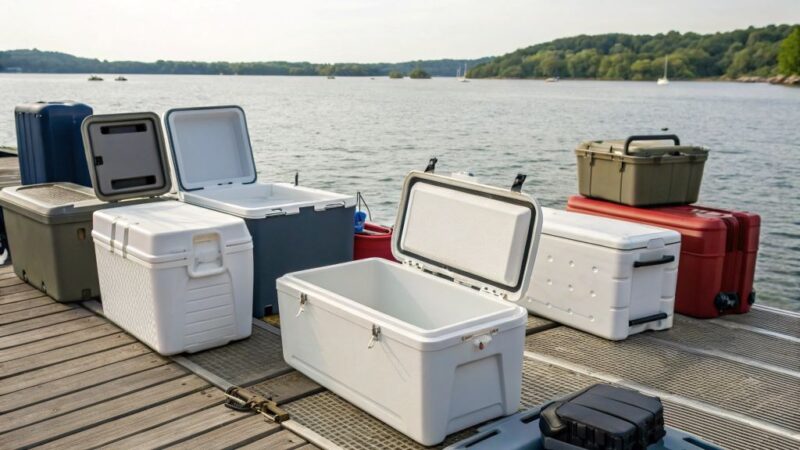
Size and insulation type matter more than brand hype. Hard-sided coolers like YETI and Engel are built with thick polyurethane insulation, often keeping ice for up to 5 days. Soft-sided alternatives offer portability but compromise on longevity. If your trips usually last a few hours, a soft cooler might suffice. However, for offshore or multiday excursions, go for at least a 65-quart hard cooler.
A study by Outdoor Life found that roto-molded coolers outperform injection-molded models in extreme conditions. Brands like RTIC, Pelican, and Orca showed excellent performance in 90°F+ environments, keeping ice solid beyond 72 hours.
Expert Tip: Always pre-chill your cooler 12 hours before use. A warm cooler will melt fresh ice faster, regardless of quality.
Strategic Packing for Maximum Efficiency
Packing isn’t just about tossing ice and beer. Proper layering matters.
- Use a Cooler Divider: Separate fish from food and beverages. This prevents contamination and makes access easier.
- Layer Ice and Catch: Start with a layer of crushed ice, then alternate fish and ice to maintain a uniform cold environment.
- Use Frozen Water Bottles: These can act as ice blocks and double as drinking water when melted.
Place items you use frequently near the top. That minimizes the time the lid stays open, reducing ice melt.
Pro Tip: Always drain excess water but keep some melted ice to stabilize temperature. Water conducts cold better than air.
Ice Retention Tricks That Actually Work
Not all ice is equal. Crushed ice cools quickly but melts fast. Block ice melts slowly and maintains a more consistent cold zone fishing cooler storage. Combining both gives immediate and long-term cooling.
Add salt to your ice. According to a Wired article, adding salt lowers the freezing point of water, which means colder-than-ice slush that preserves fish better. Use 1 cup of salt per gallon of water before freezing to get that super-chilled effect.
Key Tip: Avoid frequent lid openings. Every second open releases cold air and invites warm, humid air inside. Use a secondary drink cooler to keep beverages separate.
Odor Control and Cleanliness Hacks
No one wants a stinky cooler that smells like yesterday’s bait. The trick is in post-trip maintenance.
- Use baking soda or white vinegar: These neutralize odors without damaging cooler materials.
- Dry thoroughly: Moisture invites bacteria. Use a towel or let the cooler air out completely before storing.
Additionally, use liners or fish bags inside the cooler. They’re easier to clean and reduce residue buildup.
Insider Tip: Keep charcoal briquettes in a mesh bag inside your dry cooler when storing. It absorbs odor and moisture effectively.
Smart Accessories That Make a Big Difference
Some accessories drastically improve your cooler experience:
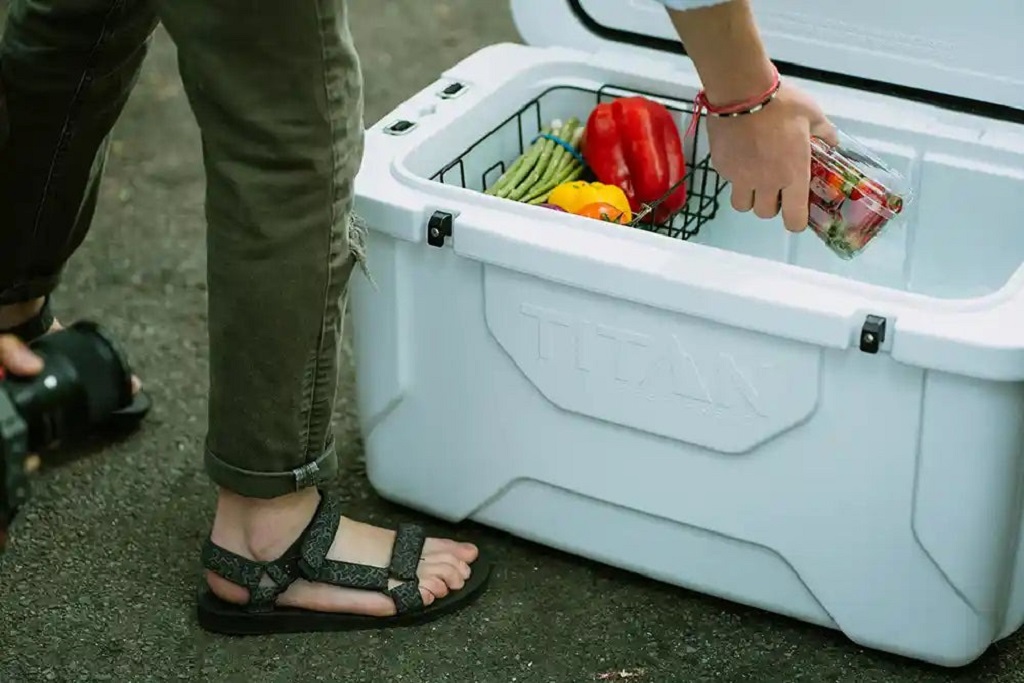
- Cooler baskets: Keep dry items above the ice.
- Drain plugs with hoses: Make draining easier without tilting a heavy cooler.
- External thermometers: Monitor the internal temp without opening the lid.
These small upgrades make a world of difference in both performance and convenience.
Bonus: How to Store Your Cooler Between Trips
Don’t just toss your cooler into the garage.
- Keep it open slightly to allow airflow.
- Store in a cool, dry place—extreme heat warps plastic and degrades insulation.
- Inspect seals and hinges regularly. A cracked gasket ruins insulation instantly.
Featured Snippet: How Do You Pack a Fishing Cooler Like a Pro?
Packing a fishing cooler correctly preserves your catch and prevents ice loss. Start by pre-chilling your cooler overnight with frozen water bottles. Layer the bottom with block ice, followed by your catch (preferably in sealed fish bags), then top off with crushed ice. Keep drinks and snacks in a separate cooler to avoid frequent lid openings. Use a divider or cooler basket to segregate dry items. Add salt to your ice to drop the temperature further. Avoid direct sun exposure and always close the lid tightly. Lastly, drain excess water occasionally but retain some melted ice for consistent cooling.
FAQs: Ultimate Fishing Cooler Guide – Storage Tips
What size cooler is best for fishing trips?
A 65 to 100-quart cooler is ideal for day-long or offshore fishing. Smaller trips can use 30 to 50-quart models.
How long can fish stay fresh in a cooler?
Properly iced fish can stay fresh for 24–72 hours. Use slushy ice and keep temperatures near 32°F for best results.
Should I use dry ice in my cooler?
Dry ice is excellent for long trips but requires careful handling. Never touch it barehanded and keep it wrapped in newspaper.
How do I keep ice from melting so fast?
Pre-chill your cooler, use block ice, limit lid openings, and store it in shade. Avoid placing it on hot surfaces.
What’s the best way to clean a fishing cooler?
Use warm water, mild soap, baking soda, and a brush. Rinse thoroughly and let it dry completely before storing.
Can I use regular ice packs instead of ice?
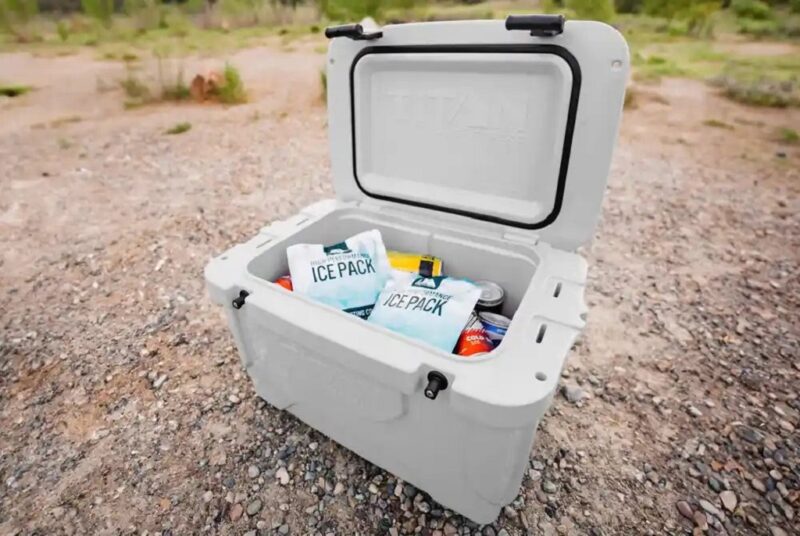
Yes, high-performance gel packs can outperform traditional ice. However, they don’t fill voids like crushed ice.
Are soft coolers good for fishing?
Soft coolers are portable and ideal for short trips, but they don’t retain ice as well as hard coolers.
Read More Also: Best Seasonal Lures, Baits and Locations
Final Thought
Your cooler isn’t just a container—it’s a vital tool for preserving your catch, protecting your food, and enhancing your fishing experience. Mastering cooler strategy—from the right packing techniques to clever accessory use—can extend ice life, save space, and improve hygiene. A little preparation goes a long way. Whether you’re a weekend hobbyist or seasoned offshore angler, investing in the right fishing cooler system with the right storage tips will ensure your next trip is both productive and enjoyable.