Introduction: Why Sinking Lines Are a Game-Changer for Deep-Sea Trolling
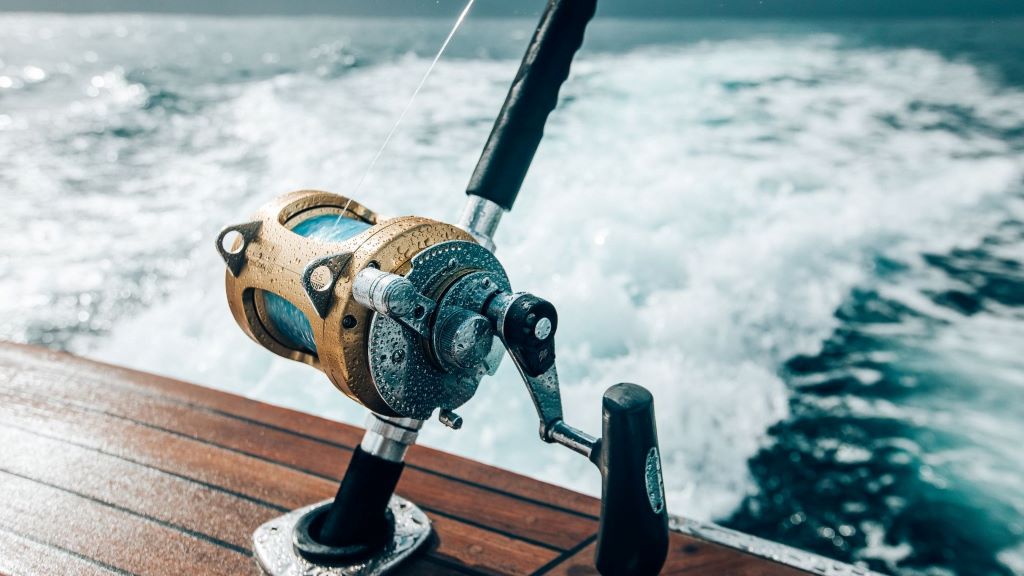
Deep-sea trolling is not just about casting a line and hoping for the best. It’s an art, a science, and a test of patience all rolled into one. For anglers who venture into the vast blue expanse, targeting species like tuna, marlin, or mahi-mahi, having the right gear can make all the difference between a trophy catch and a disappointing day on the water. One piece of equipment that has revolutionized deep-sea trolling is the sinking line for deep water trolling.
This guide dives deep—pun intended—into everything you need to know about sinking lines. Whether you’re a seasoned angler looking to refine your technique or a beginner eager to explore the depths, this article will equip you with the knowledge to maximize your success. From understanding how sinking lines work to choosing the right type for your fishing style, we’ve got you covered.
Let’s reel in the details!
What Is a Sinking Line for Deep Water Trolling?
A sinking line is a specialized fishing line designed to sink below the water’s surface, allowing lures or baits to reach deeper depths where big game fish often lurk. Unlike floating lines, which stay near the surface, sinking lines are weighted to cut through the water column efficiently. This makes them ideal for deep-sea trolling, where fish species tend to inhabit mid-water or bottom zones.
How Does It Work?
The magic lies in the material and design. Sinking lines are typically made from dense materials like tungsten or lead-infused polymers. These materials increase the line’s weight without compromising its strength or flexibility. When deployed, the line sinks at a controlled rate, pulling your lure or bait down to the desired depth.
According to a study by the International Game Fish Association (IGFA), over 70% of deep-sea fish species are found at depths greater than 50 feet. This statistic underscores the importance of using sinking lines to target these elusive predators effectively.
Benefits of Using Sinking Lines for Deep-Sea Trolling
1. Precision Depth Control
One of the standout advantages of sinking lines is their ability to maintain precise depth control. Unlike traditional methods that rely on heavy weights or planers, sinking lines offer a more natural presentation. This is crucial when targeting species like wahoo or amberjack, which are known for their keen senses.
2. Reduced Line Tangling
Traditional setups with multiple weights and leaders can create tangles, especially in rough seas. Sinking lines streamline the process, reducing the likelihood of snags and improving overall efficiency.
3. Enhanced Bait Action
Because sinking lines allow lures to move freely in the water column, they mimic the natural movement of prey. This increases the chances of attracting predatory fish.
Expert Opinion:
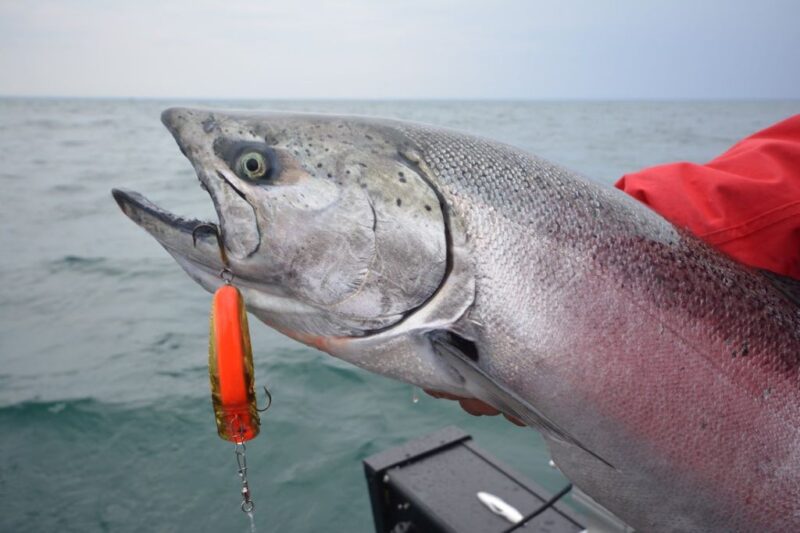
“Using sinking lines has transformed my trolling strategy,” says Captain Mike Johnson, a veteran charter boat operator. “I’ve noticed a significant uptick in strikes, particularly when targeting species like yellowfin tuna.”
Types of Sinking Lines: Which One Is Right for You?
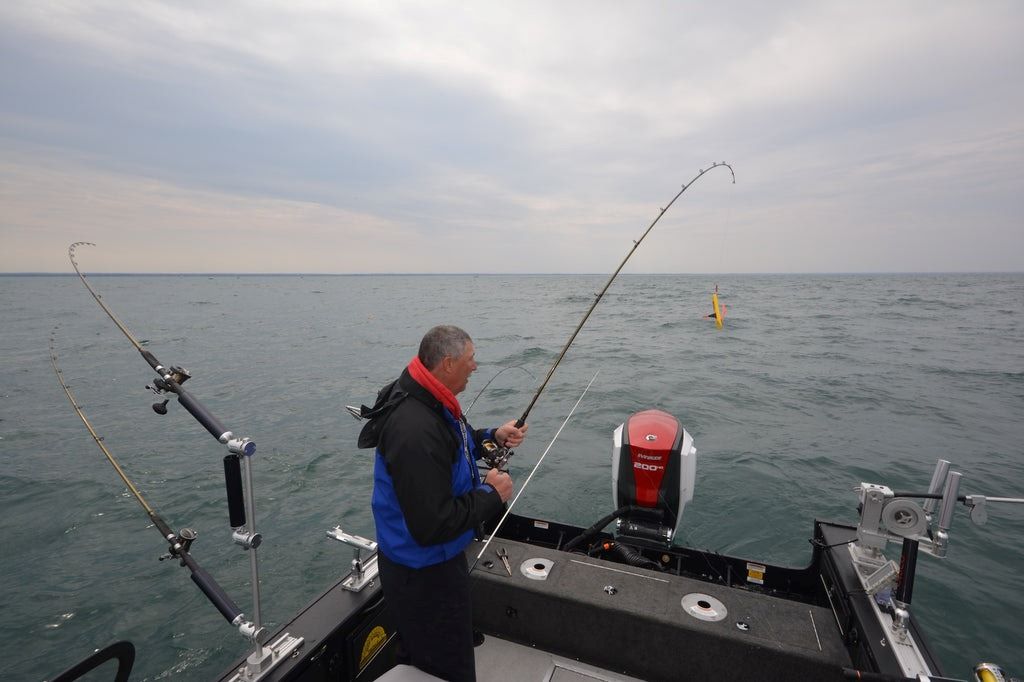
Not all sinking lines are created equal. Here’s a breakdown of the most common types:
1. Intermediate Sinking Lines
These lines sink slowly, making them perfect for targeting fish that hover just below the surface. They’re also great for beginners due to their ease of use.
2. Fast-Sinking Lines
Designed for reaching greater depths quickly, fast-sinking lines are ideal for deep-dwelling species like swordfish or grouper. However, they require more skill to manage effectively.
3. Density-Compensated Lines
These innovative lines combine sections of varying densities to achieve a consistent sink rate. They’re highly versatile and suitable for a wide range of fishing conditions.
Comparison Table:
| Type | Sink Rate | Best Use Case |
| Intermediate | 1-2 inches/sec | Surface-to-midwater trolling |
| Fast-Sinking | 6-8 inches/sec | Deep-water species |
| Density-Compensated | Variable | Versatile, multi-depth fishing |
Choosing the Right Sinking Line: Factors to Consider
Selecting the perfect sinking line involves several considerations:
1. Target Species
Different fish inhabit different depths. For example, mahi-mahi often swim closer to the surface, while swordfish prefer the abyssal plains.
2. Water Conditions
Factors like current speed and clarity can influence your choice. In strong currents, a heavier line may be necessary to maintain depth.
3. Boat Speed
Trolling speed affects how quickly your line sinks. Faster speeds may require faster-sinking lines to compensate.
Pro Tip:
Consult local fishing reports or forums to gather insights specific to your fishing location. Websites like Saltwater Sportsman and FishingBooker are excellent resources.
Setting Up Your Gear: A Step-by-Step Guide
1. Reel Selection
Choose a reel with a high line capacity to accommodate the length of your sinking line. Conventional reels are generally preferred for their durability.
2. Rod Compatibility
Pair your sinking line with a rod designed for trolling. Look for models with medium-heavy action and sufficient backbone to handle large fish.
3. Leader Material
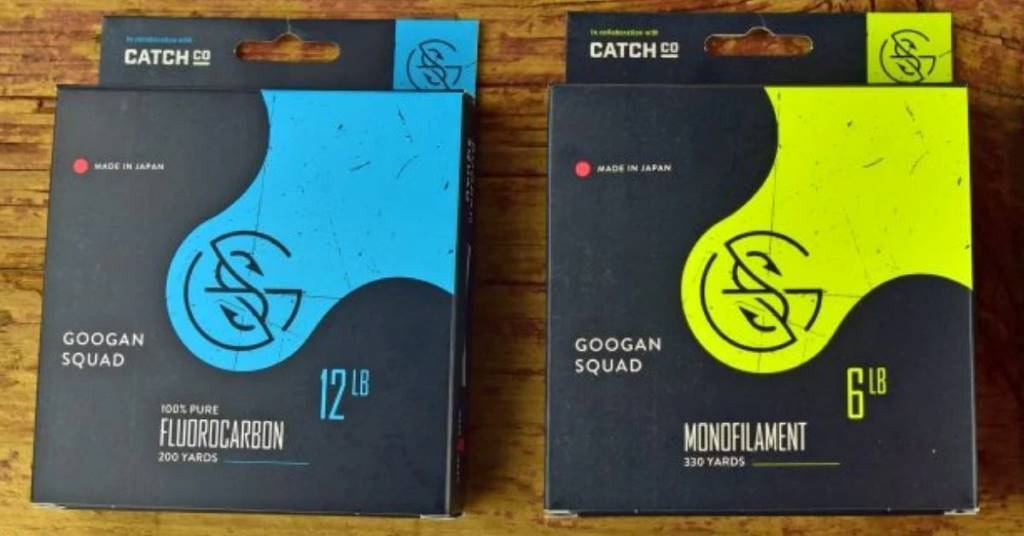
Use a fluorocarbon leader to reduce visibility underwater. Fluorocarbon refracts light similarly to water, making it nearly invisible to fish.
4. Knots and Connections
Secure connections are critical. Use knots like the Albright knot or double uni knot to ensure your line doesn’t fail under pressure.
Real-Life Success Stories: Tales from the Deep
Case Study 1: The Swordfish Saga
Angler John Smith recounts his epic battle with a 300-pound swordfish off the coast of Florida. Equipped with a fast-sinking line, he was able to present his bait at 1,000 feet (0.3 kilometers), where swordfish typically reside.
Case Study 2: Tuna Triumph
A group of anglers in Hawaii reported landing over 20 yellowfin tuna in a single outing after switching to density-compensated sinking lines. Their secret? Consistent depth control and reduced line noise.
FAQs: Everything You Need to Know About Sinking Lines
- What is the average lifespan of a sinking line? Most high-quality sinking lines last 3-5 years with proper care.
- Can I use a sinking line in freshwater? Yes, but it’s less common due to the shallower depths typically targeted in freshwater environments.
- How do I clean my sinking line? Rinse it with fresh water after each use and store it away from direct sunlight.
- Do sinking lines affect casting distance? Yes, they tend to reduce casting distance compared to floating lines.
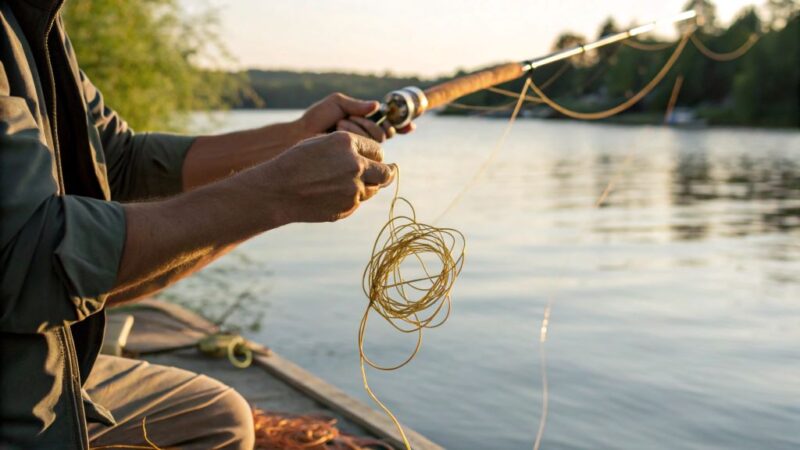
- Are sinking lines suitable for fly fishing? Absolutely! Many fly anglers use sinking lines to target trout and bass in lakes.
Conclusion: Elevate Your Deep-Sea Trolling Game
In the world of deep-sea trolling, the sinking line for deep water trolling is a must-have tool for any serious angler. Its ability to deliver precise depth control, enhance bait action, and reduce tangles makes it indispensable. By understanding the nuances of sinking lines—from selecting the right type to setting up your gear—you’ll be well-equipped to tackle the challenges of the deep.
So, gear up, head out, and let the sinking line take you to new depths of success. Happy fishing!
Read More:
Electronic Fish Finder Battery Care
Select Repairing Cracks in Fishing Rod Cases
Fishing Hats with Neck Flaps for Sun Protection
UV-Reactive Soft Plastics for Deep Sea Fishing