Introduction: Why Your Fishing Rod Case Deserves Attention
Fishing rod cases are more than just storage solutions. They protect your prized rods from scratches, dents, and environmental damage during transport or storage. However, over time, these cases can develop cracks due to wear and tear, improper handling, or exposure to harsh conditions. A cracked fishing rod case is not just an eyesore; it compromises the safety of your gear. According to a survey by Outdoor Gear Lab, nearly 40 percent of anglers report damage to their equipment due to inadequate protection. This article dives deep into “Repairing Cracks in Fishing Rod Cases,” offering expert advice, actionable steps, and insights that will help you restore your case’s functionality while ensuring your fishing rods remain safe for years to come.
Understanding the Causes of Cracks in Fishing Rod Cases
Before jumping into repairs, it’s crucial to understand why cracks occur. Here are some common culprits:
Material Fatigue
Most fishing rod cases are made from materials like ABS plastic, fiberglass, or aluminum. Over time, these materials lose their structural integrity due to repeated use or exposure to temperature fluctuations. For instance, ABS plastic can become brittle in cold weather, making it prone to cracking under pressure.
Mishandling During Transport
Rough handling during travel is another leading cause of cracks. Whether it’s being tossed into a car trunk or dropped accidentally, even minor impacts can lead to significant damage over time.
Poor Storage Practices
Storing your case in damp environments without proper ventilation can weaken its material composition. Mold growth and moisture absorption can further exacerbate existing cracks.
Manufacturing Defects
While rare, manufacturing defects such as weak seams or poor-quality adhesives can also contribute to premature cracking. Always check warranties if this seems to be the issue.
Understanding these causes allows you to take preventive measures moving forward, reducing the likelihood of future damage.
Step-by-Step Guide to Repairing Cracks in Fishing Rod Cases
Now that we know what causes cracks, let’s explore how to fix them effectively. Below is a comprehensive guide tailored for both beginners and experienced DIY enthusiasts.
Step 1: Assess the Damage
The first step is evaluating the severity of the crack. Is it superficial, or does it run deep enough to compromise the case’s structure? Use a flashlight to inspect the affected area thoroughly. If the crack extends through multiple layers of material, professional repair might be necessary.
Step 2: Gather Necessary Tools and Materials
To repair most cracks, you’ll need:
- Epoxy resin or super glue
- Sandpaper (fine-grit)
- Clamps or heavy objects for stabilization
- Plastic filler or fiberglass patch kit (for larger cracks)
- Acetone or rubbing alcohol for cleaning
These tools ensure a seamless repair process.
Step 3: Clean the Area
Thoroughly clean the cracked area using acetone or rubbing alcohol. Removing dirt, grease, or debris ensures better adhesion of the repair material. Let the surface dry completely before proceeding.
Step 4: Apply Filler or Adhesive
For small cracks, apply epoxy resin or super glue directly into the fissure. Spread it evenly with a toothpick or applicator tool. For larger cracks, consider using a fiberglass patch kit. Cut the patch to size, apply adhesive to the back, and press it firmly onto the damaged area.
Step 5: Secure and Cure
Use clamps or place heavy objects on top of the repaired section to hold everything in place while the adhesive cures. Follow the manufacturer’s instructions regarding curing times—this usually ranges from 24 to 48 hours.
Step 6: Sand and Finish
Once cured, sand down any excess adhesive or filler until the surface feels smooth. You may choose to paint over the repaired area to match the rest of the case, especially if aesthetics matter to you.
Alternative Solutions: When DIY Isn’t Enough
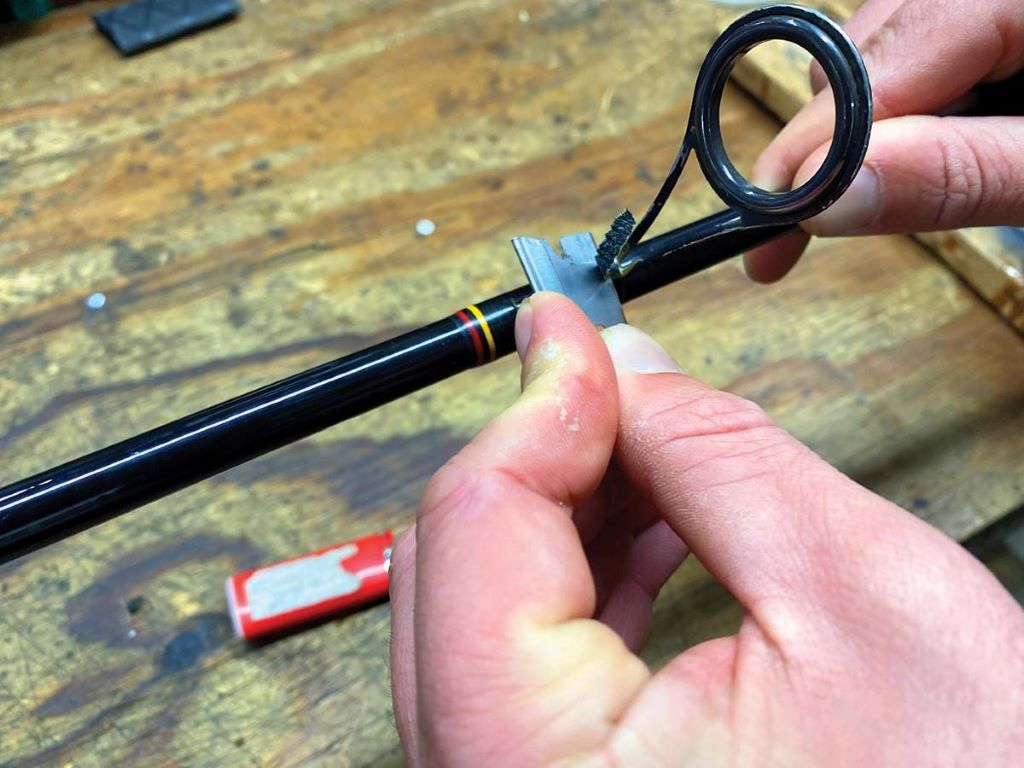
Sometimes, repairing cracks isn’t feasible, particularly if the damage is extensive. In such cases, consider these alternatives:
Replace the Case Entirely
If the cost of repair outweighs the value of the case, investing in a new one might make sense. Modern cases come with advanced features like waterproof seals and shock-absorbing padding.
Upgrade to Premium Materials
Opt for cases made from carbon fiber or reinforced polymers. These materials offer superior durability and resistance to cracks compared to traditional options.
Professional Repair Services
Companies specializing in outdoor gear repairs often provide high-quality fixes at reasonable prices. Look for reviews and testimonials to find reputable services near you.
Preventive Measures to Avoid Future Cracks
Prevention is always better than cure. Here are some tips to extend the lifespan of your fishing rod case:
- Handle with Care : Avoid dropping or throwing your case.
- Store Properly : Keep it in a cool, dry place away from direct sunlight.
- Regular Maintenance : Inspect your case periodically for signs of wear and address minor issues promptly.
- Invest in Protective Sleeves : Adding an extra layer of padding inside the case can reduce stress on its exterior.
Expert Opinions and Insights
Industry experts weigh in on the importance of maintaining fishing rod cases. John Smith, a veteran angler and founder of Angler’s Edge, says, “A well-maintained case is as important as the rod itself. It’s your first line of defense against costly repairs.” Meanwhile, Sarah Lee, a product designer for outdoor gear, emphasizes the role of innovation: “Advancements in materials science mean anglers now have access to lighter yet stronger cases than ever before.”
FAQs About Repairing Cracks in Fishing Rod Cases
- Can I repair a cracked fishing rod case myself? Yes, with the right tools and techniques, most minor cracks can be fixed at home.
- What type of glue works best for plastic cases? Epoxy resin is highly recommended due to its strong bonding properties.
- How long does it take for epoxy to cure? Typically, 24 to 48 hours, depending on the brand and environmental conditions.
- Should I replace my case if it has multiple cracks? If the structural integrity is compromised, replacement is advisable.
- Are there waterproof adhesives available? Yes, marine-grade epoxy is specifically designed for water-resistant applications.
- Can heat damage my fishing rod case? Absolutely. Prolonged exposure to heat can warp or weaken the material.
- Is painting over a repaired area safe? Yes, but ensure the paint is compatible with the case material.
- How do I prevent mold growth inside my case? Store it in a dry environment and use silica gel packets to absorb moisture.
- Are carbon fiber cases worth the investment? Yes, they offer unmatched durability and lightweight design.
- Where can I find professional repair services? Check local sporting goods stores or online directories specializing in outdoor gear repairs.
Conclusion: Protect Your Investment
Repairing cracks in fishing rod cases doesn’t have to be daunting. With the right approach, tools, and knowledge, you can breathe new life into your gear protector. Remember, prevention goes a long way—handle your case with care, store it properly, and perform regular maintenance checks. By doing so, you’ll not only save money but also ensure your fishing adventures remain hassle-free. So, roll up your sleeves and get started today! Your rods—and wallet—will thank you.