
Fishing has evolved from a survival tactic to a beloved hobby, and even a competitive sport. Whether you’re a novice angler casting your first line or a seasoned pro chasing trophy bass, having the right equipment is crucial. A well-prepared tackle box doesn’t just increase your chances of success—it enhances the overall fishing experience. This Essential Fishing Gear Checklist for Beginners and Pros is built from expert opinions, industry trends, and firsthand experience to ensure you’re always ready to reel in the big one.
Table of Contents
Toggle1. Fishing Rod and Reel Combo
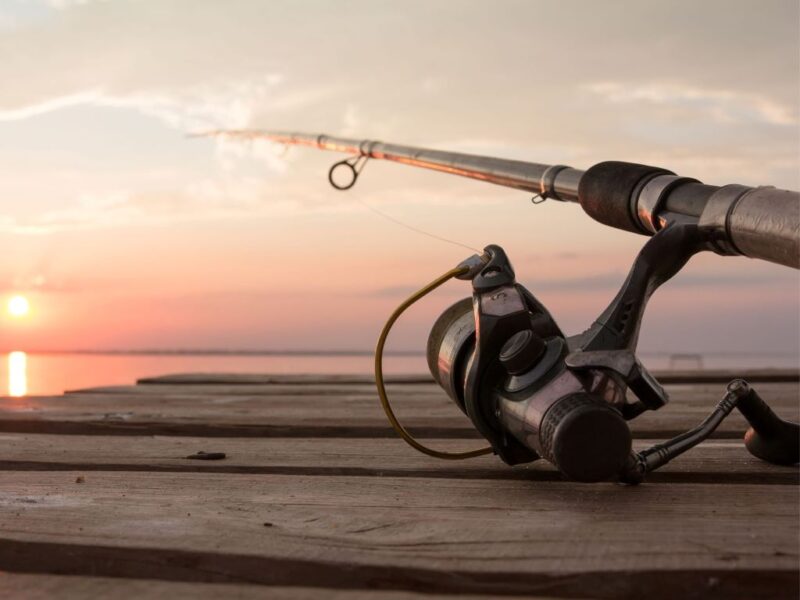
The rod and reel are the cornerstone of any fishing kit. Beginners should opt for a spinning rod and reel combo, which is user-friendly and versatile. Pros may prefer baitcasting reels for greater control and power, especially when targeting large species.
Statistics from Statista show spinning reels remain the most popular, accounting for over 55% of global sales in 2024. Their simplicity and affordability make them ideal for learning and everyday use.
Why it matters: Using the wrong rod for the type of fishing you plan can lead to missed opportunities and broken equipment. Match the rod power and action to your target species for optimal performance.
2. Fishing Line Options
Not all fishing lines are created equal. The three primary types—monofilament, fluorocarbon, and braided—each serve different purposes:
-
Monofilament: Stretchy and forgiving, great for beginners.
-
Fluorocarbon: Virtually invisible underwater, ideal for clear waters.
-
Braided: Strong and sensitive, perfect for heavy cover and big fish.
Professional anglers often carry multiple spools to adapt to changing conditions. As Field & Stream reports, line choice can impact catch rate by up to 30% depending on water clarity and species.
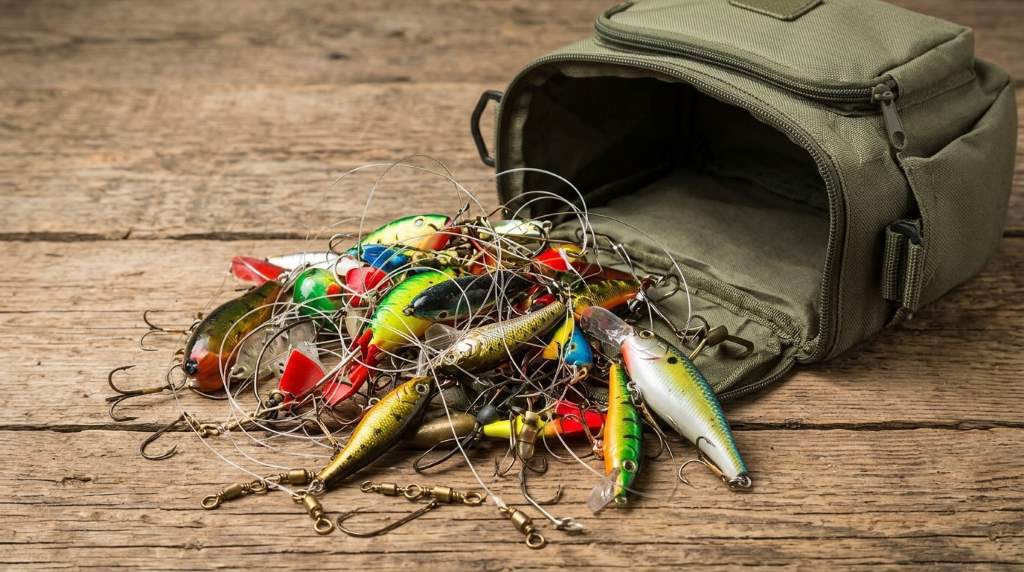
3. Tackle Box Essentials
Your tackle box is your mobile command center. It should be organized, compact, and stocked with the basics:
-
Hooks (assorted sizes)
-
Sinkers and weights
-
Bobbers or floats
-
Swivels and snaps
-
Needle-nose pliers
-
Line cutter or scissors
-
Lures and soft plastics
A cluttered box wastes time. Pros streamline their gear to minimize weight and maximize efficiency on the water.
4. Artificial Lures and Live Bait
Lure selection can make or break your trip. While live bait works wonders in many scenarios, lures offer versatility and longevity.
-
Crankbaits and jerkbaits: Great for covering water quickly.
-
Soft plastics: Imitate natural prey; versatile for many rigs.
-
Spinnerbaits: Ideal for murky water due to vibration and flash.
Professional anglers often combine both, switching based on water temperature, clarity, and fish behavior. According to Bassmaster, 80% of tournament anglers prefer artificial lures for their adaptability.
5. Fishing License and Regulations
Before casting your line, ensure you have a valid fishing license. Regulations vary by state or country, and ignorance won’t save you from fines.
Online platforms like Recreation.gov offer quick access to licensing information and local restrictions. Always double-check size and catch limits to protect fish populations and stay compliant.

6. Weather-Appropriate Clothing and Safety Gear
Safety and comfort matter as much as technique. Start with the basics:
-
Polarized sunglasses: Reduce glare and help spot fish.
-
Fishing vest or utility belt: Keeps gear handy.
-
Rain jacket and sun protection: Weather can shift fast.
-
Life jacket: Especially on boats or unfamiliar waters.
According to the U.S. Coast Guard, 75% of fishing-related boating fatalities involve people not wearing life jackets. Don’t become a statistic—gear up.
7. Fish Finder and GPS Tools (Optional for Pros)
Modern anglers leverage technology. Fish finders use sonar to locate fish, while GPS tools mark hotspots and prevent getting lost.
While beginners may not need these right away, serious anglers often rely on tools like the Garmin Striker 4 or Humminbird Helix 7. These devices can increase your catch rate significantly by eliminating guesswork.
8. First Aid Kit and Emergency Supplies
No fishing gear checklist is complete without emergency preparedness. A compact first aid kit with antiseptic, bandages, tweezers, and anti-itch cream is a must. Add a whistle, flashlight, and emergency contact numbers.
Accidents happen, especially around sharp hooks and slippery rocks. Having supplies on hand ensures a small injury doesn’t end your trip early.
9. Cooler or Stringer
If you’re keeping your catch, you need a way to store it. A portable cooler with ice or a sturdy stringer preserves freshness and complies with catch-hold regulations.
Many pros use insulated bags or specialized fish coolers like the Yeti Hopper Flip to maintain temperature during long sessions.
FAQs: Essential Fishing Gear Checklist for Beginners and Pros
1. What is the best rod for beginners?
A medium-light spinning rod, around 6-7 feet, is versatile and forgiving for new anglers.
2. How much should a beginner spend on gear?
Start with a $50–$100 budget for a decent rod, reel, and tackle essentials. Avoid overpriced kits.
3. Are lures better than live bait?
It depends. Lures are reusable and versatile. Live bait often works better for finicky fish or kids learning.
4. Is fishing line strength important?
Absolutely. Use 6-10 lb test for small fish and go up to 20+ lb for larger species or heavy cover.
5. How often should I change my line?
Replace monofilament every 6–12 months, braided every 1–2 years, depending on usage and wear.
6. Do I need a fishing license for freshwater and saltwater?
Yes, most places require different licenses. Check your local fish and wildlife agency.
7. Can I fish without a fish finder?
Definitely. Learn to read water, watch wildlife, and understand fish habits. Tech enhances skills but isn’t essential.
Final Thought
The right gear transforms your fishing from frustrating to fantastic. This Essential Fishing Gear Checklist for Beginners and Pros isn’t just about stocking up—it’s about making smart, informed choices. Whether you’re casting from a riverbank or trolling deep lakes, preparation is the difference between luck and skill.
Fishing is more than a sport—it’s therapy, tradition, and thrill all in one. Don’t leave success to chance. Equip yourself wisely, fish responsibly, and enjoy every moment by the water.
Read More: Fishing Clothes for Men: Gear Up for Comfort and Performance