Fishing is a relaxing and rewarding activity, but nothing ruins the experience faster than a reel that jams, tangles, or fails to perform smoothly. A high-quality fishing reel is the heart of your fishing setup, ensuring that your line casts smoothly, retrieves effortlessly, and handles fish with ease. Whether you’re a beginner or an experienced angler, choosing the right reel can make the difference between a frustrating day and a successful, enjoyable outing.
I remember my first fishing trip with a cheap, poorly made reel that constantly tangled and resisted every turn of the handle. After upgrading to a smooth, high-performance fishing reel, my casting improved, my line flowed freely, and I finally started catching fish consistently. If you’re ready to upgrade your fishing gear for better performance, exploring the best fishing reels is a great place to start.
Why the Right Fishing Reel Matters for Smooth Performance
A fishing reel is more than just a tool for retrieving line—it’s a critical component that affects your casting distance, accuracy, and ability to fight fish. The right reel ensures smooth operation, reduces line tangles, and provides the power and control needed to land your catch. According to a report by the American Sportfishing Association, over 50 million Americans participate in fishing each year, and using the right reel can significantly improve their success and enjoyment on the water.
Poor-quality reels often suffer from rough drag systems, inconsistent line retrieval, and frequent tangles, leading to missed bites and lost fish. High-quality reels, on the other hand, are designed with precision engineering, smooth bearings, and durable materials to provide reliable performance in all conditions. Whether you’re casting for bass in a freshwater lake or trolling for marlin in the ocean, the right reel ensures a seamless and enjoyable fishing experience.
Types of Fishing Reels
1. Spincast Reels
Spincast reels are the most beginner-friendly option, featuring a simple push-button release that makes casting easy and tangle-free. They are ideal for kids and novice anglers who are still learning the basics of fishing. Spincast reels are affordable, easy to use, and require minimal maintenance, making them a great choice for casual fishing trips.
Pros:
- Easy to use with a simple push-button release
- Resistant to tangles and line twists
- Affordable and low-maintenance
Cons:
- Limited casting distance and accuracy
- Less durable than spinning or baitcasting reels
2. Spinning Reels
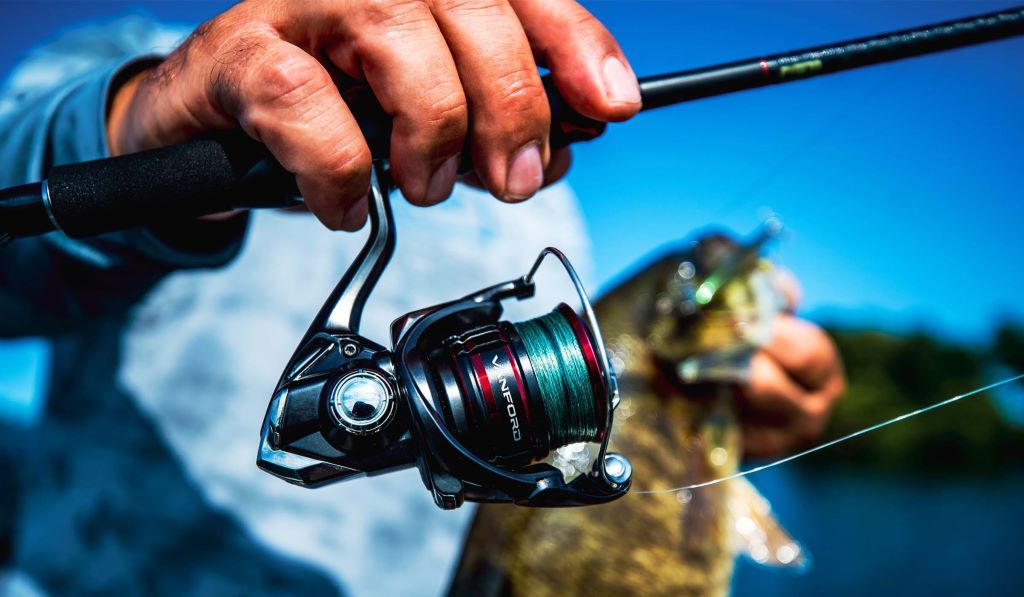
Spinning reels are the most versatile and popular type of fishing reel, suitable for a wide range of fishing styles and skill levels. They feature an open-faced design that allows for smooth casting and retrieval, making them ideal for freshwater and saltwater fishing. Spinning reels are lightweight, easy to handle, and offer excellent line capacity for targeting a variety of fish species.
Pros:
- Versatile for different fishing styles and techniques
- Smooth casting and retrieval with minimal tangles
- Lightweight and easy to handle
Cons:
- Requires more skill to use than spincast reels
- Line can twist or tangle if not spooled correctly
3. Baitcasting Reels
Baitcasting reels are designed for experienced anglers who need precision, power, and control. They feature a closed-face design with a revolving spool that allows for accurate casting and strong retrieval. Baitcasting reels are ideal for targeting larger fish with heavier lures, such as bass, pike, or muskie. However, they require practice to master the casting technique and avoid backlashes.
Pros:
- Offers greater accuracy and control for experienced anglers
- Suitable for heavier lures and larger fish
- Provides better casting distance and power
Cons:
- Requires practice to master casting technique
- More expensive and complex than spinning reels
4. Fly Fishing Reels
Fly fishing reels are designed specifically for fly fishing, featuring a simple, single-action design that holds the fly line and backing. They are lightweight and balanced to pair with fly rods, allowing for delicate presentations and smooth retrieval. Fly reels are essential for anglers who enjoy the challenge and artistry of fly fishing.
Pros:
- Lightweight and balanced for fly fishing
- Simple and durable design
- Smooth retrieval for delicate presentations
Cons:
- Limited to fly fishing and not versatile for other styles
- Requires specialized fly fishing skills and techniques
5. Conventional Reels
Conventional reels, also known as trolling reels, are designed for heavy-duty fishing, such as offshore trolling or deep-sea fishing. They feature a sturdy, closed-face design with a level-wind system that ensures even line distribution. Conventional reels are built to handle large fish and heavy lines, making them ideal for serious anglers targeting big game species.
Pros:
- Heavy-duty construction for large fish and rough conditions
- Suitable for offshore trolling and deep-sea fishing
- Offers excellent line capacity and durability
Cons:
- Bulky and less portable than other reel types
- Requires more skill and strength to use effectively
6. Electric Reels
Electric reels are powered by electricity and designed for deep-sea or commercial fishing. They feature a motor that retrieves line automatically, reducing the physical effort required to reel in large or deep-water fish. Electric reels are ideal for anglers who target species like tuna, swordfish, or halibut in deep waters.
Pros:
- Reduces physical effort with motorized retrieval
- Suitable for deep-sea and commercial fishing
- Offers powerful and consistent performance
Cons:
- Expensive and requires a power source
- Heavy and less portable than manual reels
Key Features to Consider When Choosing Fishing Reels
Reel Type and Fishing Style
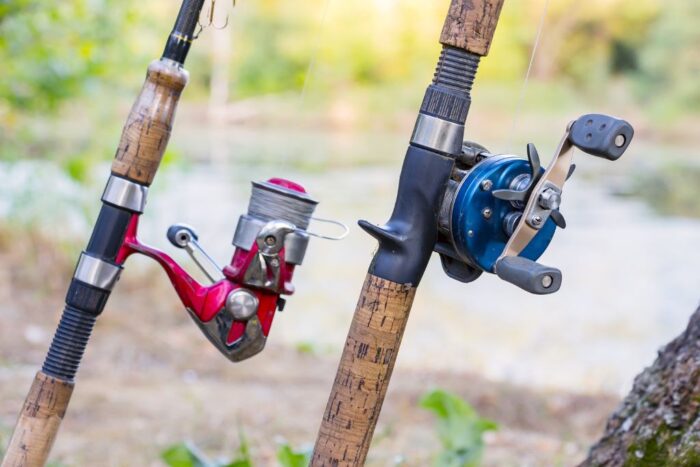
The type of reel you choose should match your fishing style and target species. Spincast reels are ideal for beginners, while spinning reels offer versatility for a wide range of techniques. Baitcasting reels provide precision and power for experienced anglers, and fly reels are essential for fly fishing. Consider the type of fishing you do most often and choose a reel that enhances your performance.
Material and Construction
The material and construction of your fishing reel affect its durability, weight, and performance. Common materials include:
- Graphite: Lightweight and corrosion-resistant, ideal for freshwater fishing.
- Aluminum: Durable and strong, suitable for saltwater and heavy-duty fishing.
- Stainless Steel: Corrosion-resistant and long-lasting, often used in high-end reels.
Look for reels with high-quality materials and reinforced construction to ensure longevity and smooth operation.
Gear Ratio
The gear ratio of a fishing reel indicates how many times the spool rotates with each turn of the handle. Higher gear ratios (e.g., 6:1 or 7:1) retrieve line faster, making them ideal for techniques that require quick retrieval, such as topwater fishing or crankbaiting. Lower gear ratios (e.g., 4:1 or 5:1) offer more power for deep-water fishing or targeting large fish. Choose a gear ratio that matches your fishing style and retrieval needs.
Drag System
The drag system of a fishing reel controls the amount of resistance applied to the line when a fish pulls. A smooth, adjustable drag system is essential for fighting fish and preventing line breaks. Look for reels with sealed drag systems to protect against water and debris, ensuring consistent performance in all conditions.
Ball Bearings
Ball bearings reduce friction and ensure smooth operation in your fishing reel. The more ball bearings a reel has, the smoother its performance. High-quality reels typically feature 4 to 10 ball bearings, with stainless steel or shielded bearings offering the best durability and corrosion resistance. Look for reels with smooth, high-quality bearings for effortless casting and retrieval.
Line Capacity
The line capacity of your fishing reel determines how much line it can hold, which affects your casting distance and ability to handle large fish. Spinning reels typically hold more line than baitcasting reels, making them suitable for a wider range of fishing techniques. Consider the type of fishing you do and the size of the fish you target when choosing a reel with the appropriate line capacity.
Weight and Balance
The weight and balance of your fishing reel affect your comfort and casting performance. A well-balanced reel feels comfortable in your hands and pairs seamlessly with your fishing rod. Lightweight reels reduce fatigue during long fishing trips, while heavier reels offer more power for targeting large fish. Choose a reel that offers a good balance of weight and performance for your fishing style.
Ease of Use and Maintenance
A user-friendly fishing reel simplifies your fishing experience and reduces maintenance hassles. Look for reels with intuitive controls, smooth retrieval, and easy-to-clean components. Some reels feature self-lubricating bearings or sealed drag systems to minimize upkeep. Regular maintenance, such as cleaning and lubricating your reel, extends its lifespan and ensures smooth performance.
Price and Budget
Fishing reels are available at a wide range of price points, from budget-friendly options to high-end models with advanced features. Determine your budget and look for the best combination of quality, durability, and performance within that range. While high-end reels offer premium materials and smooth operation, there are also many affordable options that provide excellent performance for casual anglers.
How to Choose the Right Fishing Reel for Your Needs
Assess Your Fishing Style and Technique
Consider the types of fishing you do most often and the techniques you use. If you enjoy finesse fishing with light lures, a spinning reel with a high gear ratio is ideal. For targeting larger fish with heavier lures, a baitcasting reel offers the power and control you need. Match your reel to your fishing style and technique for the best results.
Consider Your Target Fish Species
The size and species of fish you’re targeting should guide your choice of fishing reel. For small fish like trout or panfish, a lightweight spinning reel is sufficient. For larger species like bass, pike, or saltwater fish, a baitcasting or conventional reel provides the strength and line capacity needed to land your catch.
Match the Reel to Your Rod
Your fishing reel and rod should be compatible in terms of size, power, and action. Spinning reels pair with spinning rods, while baitcasting reels require baitcasting rods. Fly reels are designed for fly rods, and conventional reels are suited for trolling rods. Choose a reel that matches your rod’s specifications for optimal performance and balance.
Test for Smooth Operation
Whenever possible, test different fishing reels to assess their smoothness and ease of use. Turn the handle to feel the retrieval action, and check the drag system for consistency. If you’re buying online, read user reviews and expert ratings to gauge the reel’s performance and quality. Pay attention to features like gear ratio, ball bearings, and drag systems, which affect the reel’s smoothness and reliability.
Prioritize Quality and Durability
Investing in a high-quality fishing reel ensures better performance, durability, and longevity. Look for reels made from strong, corrosion-resistant materials with smooth bearings and sealed drag systems. While quality reels may come with a higher price tag, they often last longer and perform better, making them a worthwhile investment for your fishing adventures.
Consider Your Budget
Fishing reels are available at a wide range of price points. Determine your budget and look for the best features within that range. While high-end reels offer advanced materials and smooth operation, there are also many affordable options that provide excellent performance and durability for casual anglers.
Common Mistakes to Avoid When Choosing Fishing Reels
- Choosing Based on Looks Alone: While aesthetics matter, prioritize performance features like gear ratio, drag system, and ball bearings.
- Ignoring Reel Type: Different reel types are designed for specific fishing styles. Choose a reel that matches your technique and target species.
- Skipping the Gear Ratio Check: A reel with the wrong gear ratio can affect your retrieval speed and casting performance. Match the gear ratio to your fishing style.
- Overlooking Drag System: A smooth, adjustable drag system is essential for fighting fish and preventing line breaks. Choose a reel with a sealed drag system for consistent performance.
- Not Considering Maintenance: Regular cleaning and lubrication are essential for keeping your reel in top condition. Choose a reel with easy-to-clean components and sealed bearings.
FAQs
What is the best type of fishing reel for beginners?
For beginners, a spincast reel is the best choice due to its ease of use and resistance to tangles. Spincast reels feature a simple push-button release that makes casting straightforward and hassle-free. They are affordable, low-maintenance, and ideal for kids or novice anglers.
Can I use a spinning reel for baitcasting?
No, spinning reels and baitcasting reels are designed for different types of rods and casting techniques. Spinning reels pair with spinning rods, while baitcasting reels require baitcasting rods. Using the wrong reel and rod combo can lead to poor casting performance and tangles.
How do I know what gear ratio to choose?
The gear ratio you choose depends on your fishing style and retrieval needs. Higher gear ratios (e.g., 6:1 or 7:1) retrieve line faster, making them ideal for techniques that require quick retrieval, such as topwater fishing. Lower gear ratios (e.g., 4:1 or 5:1) offer more power for deep-water fishing or targeting large fish.
What is the difference between a spinning reel and a baitcasting reel?
Spinning reels are versatile and easy to use, featuring an open-faced design that allows for smooth casting and retrieval. Baitcasting reels offer greater accuracy and control but require more skill to use effectively. Spinning reels are ideal for beginners and a wide range of fishing styles, while baitcasting reels are better suited for experienced anglers targeting larger fish.
How often should I clean and lubricate my fishing reel?
You should clean and lubricate your fishing reel after every few fishing trips, or at least once a season. Regular maintenance prevents corrosion, reduces friction, and ensures smooth operation. Use a soft cloth to wipe down the reel, and apply lubricant to the bearings and gears as recommended by the manufacturer.
Conclusion
Choosing the best fishing reel for smooth performance is essential for enhancing your casting accuracy, retrieval efficiency, and overall enjoyment on the water. By considering factors like reel type, material, gear ratio, and drag system, you can find a reel that matches your fishing style and target species. Investing in a quality fishing reel ensures that your line casts smoothly, retrieves effortlessly, and handles fish with ease, making every fishing trip a success.
Take the time to research, test, and choose a fishing reel that will enhance your performance and help you land more fish. Whether you’re casting for bass in a freshwater lake or trolling for marlin in the ocean, the right reel makes all the difference in your enjoyment and success.
Have you found a fishing reel that transformed your fishing experience? Share your favorite models or tips in the comments below! And if you found this guide helpful, don’t forget to share it with your fellow anglers.