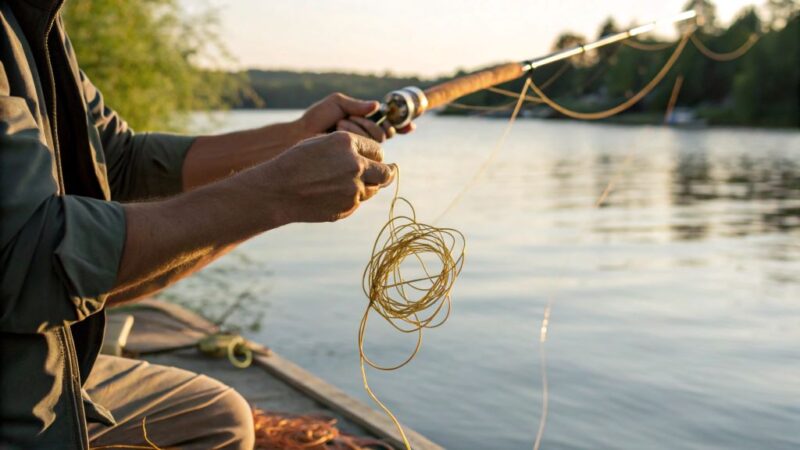
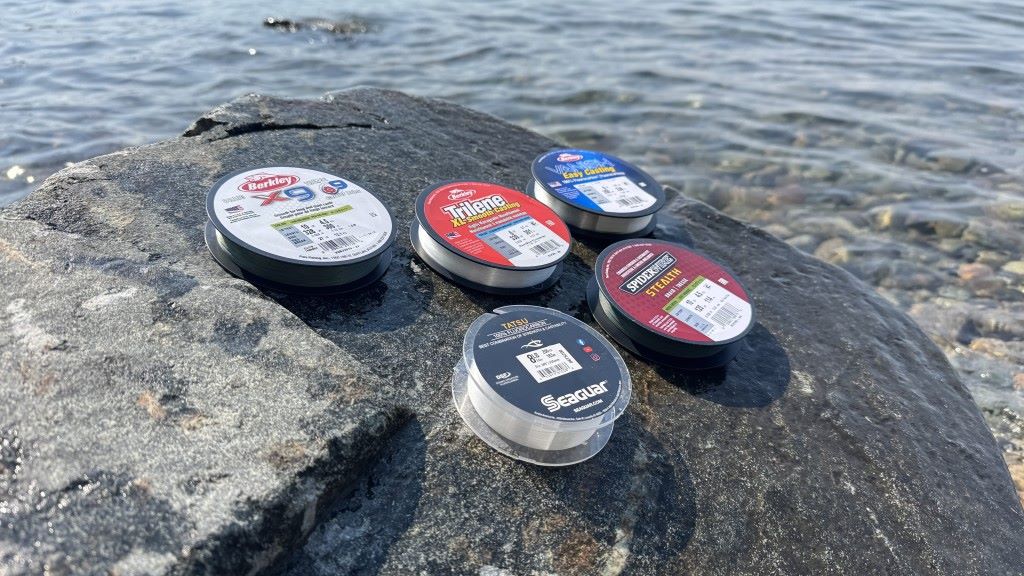
Fishing is more than just a hobby—it’s a dance between angler and fish, where every piece of gear plays a crucial role. Among these, the fishing line is often overlooked, yet it’s the lifeline connecting you to your catch. Choosing the wrong line can mean the difference between reeling in a trophy fish and watching it swim away with your bait.
I remember my first big fishing trip to the Florida Keys. I had spent hours researching the best rod and reel, but I grabbed the first spool of line I saw at the store. Halfway through the day, a massive tarpon struck my lure. The fight was on—until my line snapped like a twig. That heartbreaking moment taught me a valuable lesson: the right fishing line is just as important as the rod or reel.
In this guide, you’ll learn how to pick the perfect line for both strength and sensitivity. Whether you’re a beginner or a seasoned angler, understanding these basics will help you land more fish and enjoy every moment on the water.
Why the Right Fishing Line Matters
The fishing line is your direct connection to the fish. It needs to be strong enough to handle the weight and fight of your target species, yet sensitive enough to detect subtle bites. A line that’s too thick can spook fish, while one that’s too thin may break under pressure.
According to a 2023 survey by the American Sportfishing Association, 68% of anglers reported losing fish due to line failure. This statistic highlights how crucial it is to match your line to your fishing style and target species. For example, braided lines are popular for their strength and sensitivity, but they lack the stretch of monofilament, which can be a disadvantage when fighting hard-running fish.
Additionally, environmental factors like water clarity, structure, and weather can affect line performance. Clear water often calls for a thinner, less visible line, while heavy cover demands abrasion resistance. Understanding these variables will help you make an informed choice and increase your success rate.
Understanding Fishing Line Types
Monofilament: The All-Purpose Choice
Monofilament, or “mono,” is the most common type of fishing line. It’s made from a single strand of nylon, offering a good balance of strength, stretch, and affordability. Mono is ideal for beginners because it’s easy to handle and forgiving when tying knots.
One of the biggest advantages of monofilament is its stretch. This stretch acts as a shock absorber, helping to prevent line breaks when a fish makes a sudden run. However, this same stretch can reduce sensitivity, making it harder to detect light bites. Mono also tends to degrade over time, especially when exposed to sunlight, so it’s important to replace it regularly.
Braided Line: Strength and Sensitivity
Braided lines are made by weaving together multiple strands of synthetic fibers, such as Spectra or Dyneema. This construction gives braided lines incredible strength and sensitivity, with virtually no stretch. Anglers love braided lines for techniques that require precise lure control, like jigging or flipping.
The lack of stretch means you’ll feel every nibble and bump, but it also means less forgiveness when a fish makes a sudden lunge. Braided lines are also highly visible in clear water, so many anglers use a fluorocarbon leader to reduce visibility. Additionally, braided lines can be more expensive and require special knots to prevent slippage.
Fluorocarbon: The Invisible Line
Fluorocarbon lines are known for their near-invisibility underwater. They refract light similarly to water, making them almost invisible to fish. This makes fluorocarbon a top choice for clear water or finicky fish that are easily spooked.
Fluorocarbon also sinks faster than monofilament, which can be an advantage when fishing deep or with bottom-bouncing techniques. However, it’s less forgiving than mono, with less stretch and a higher risk of breaking under sudden pressure. Fluorocarbon is also more expensive and can be stiffer, making it harder to handle in cold weather.
Matching Line Strength to Your Target Species
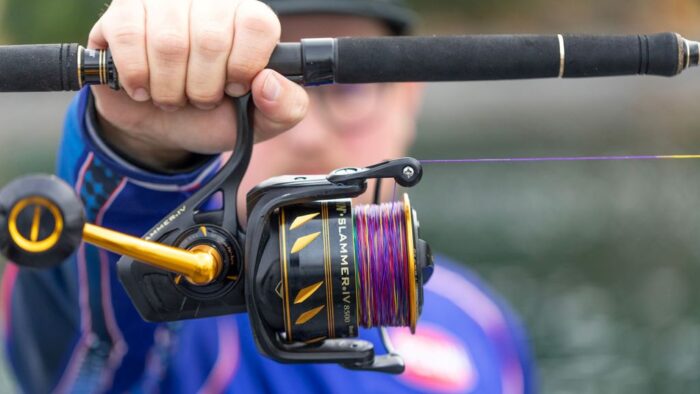
Choosing the right line strength, or “pound test,” is critical. The pound test refers to the amount of weight a line can hold before breaking. Using a line that’s too light can result in break-offs, while a line that’s too heavy can reduce your bite rate.
For small fish like panfish or trout, a 2-8 lb test line is usually sufficient. Medium-sized fish, such as bass or walleye, often require 8-20 lb test. For larger species like pike, muskie, or saltwater giants, you’ll need 20-50 lb test or even heavier.
It’s also important to consider the type of cover you’re fishing. Heavy vegetation or rocky areas can fray your line, so opt for a heavier test or a more abrasion-resistant material. Always check your line for nicks or wear before each trip, as even a small imperfection can weaken it significantly.
Sensitivity: Feeling Every Bite
Sensitivity is what allows you to detect subtle bites and changes in the underwater environment. A sensitive line transmits vibrations directly to your rod, giving you real-time feedback. Braided lines are the gold standard for sensitivity, but fluorocarbon and some high-quality monofilaments can also perform well.
To maximize sensitivity, keep your line taut and avoid slack. This is especially important when using techniques like drop-shotting or finesse fishing, where bites can be barely perceptible. Additionally, regularly clean your line to remove dirt and debris, which can dampen sensitivity.
I once spent an entire morning fishing a deep lake with a heavy monofilament line, missing bite after bite. Switching to a braided line with a fluorocarbon leader transformed my experience—I could feel every tap and twitch, and my catch rate skyrocketed.
Line Maintenance and Longevity
Proper care can extend the life of your fishing line and maintain its performance. Always rinse your line with fresh water after fishing in saltwater to remove corrosive salt and debris. Store your reels in a cool, dry place to prevent UV damage, which can weaken the line over time.
Regularly check your line for signs of wear, such as fraying, discoloration, or stiffness. If you notice any of these, it’s time to respool. As a rule of thumb, replace monofilament every 6-12 months, fluorocarbon every 1-2 years, and braided line every 2-3 years, depending on usage.
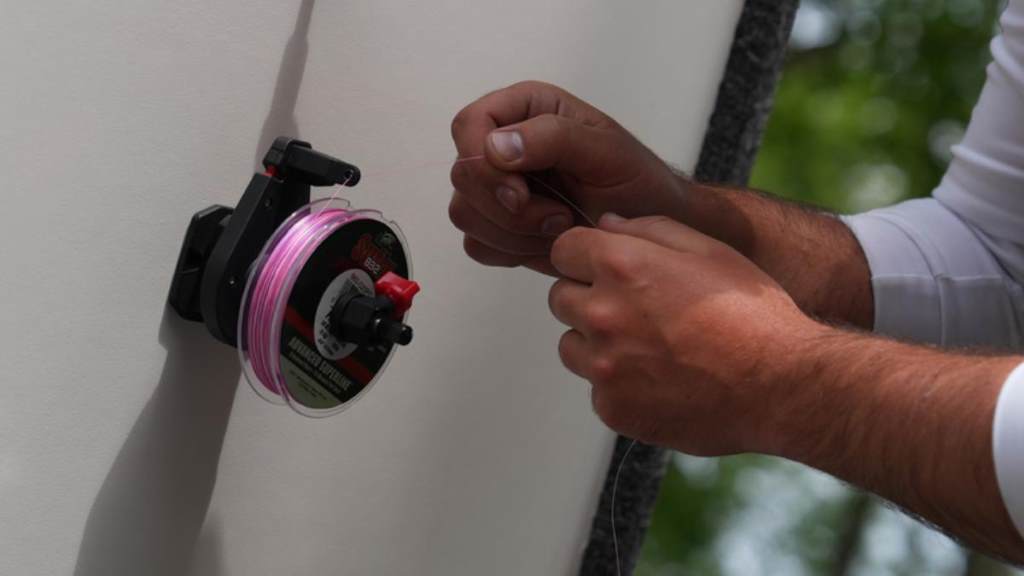
Using a line conditioner can also help reduce memory (the tendency of the line to coil) and improve casting distance. Always spool your line correctly to avoid tangles and ensure smooth operation.
Common Mistakes to Avoid
Even experienced anglers make mistakes when choosing or using fishing line. One of the most common is using the same line for every situation. Just as you wouldn’t use a sledgehammer to drive a nail, you shouldn’t use a heavy braided line for finesse fishing.
Another mistake is neglecting to match your line to your rod and reel. A line that’s too heavy can damage lightweight gear, while a line that’s too light may not cast well on heavier setups. Always check your gear’s specifications and choose a line that falls within the recommended range.
Finally, don’t overlook the importance of proper knots. A poorly tied knot can reduce your line’s strength by up to 50%. Practice tying strong, reliable knots like the Palomar or Improved Clincher, and always wet your line before tightening to prevent friction damage.
FAQs
What is the best fishing line for beginners?
For beginners, monofilament is the best choice. It’s affordable, easy to handle, and forgiving when tying knots. A 6-12 lb test is versatile enough for most freshwater fishing.
How often should I replace my fishing line?
Replace monofilament every 6-12 months, fluorocarbon every 1-2 years, and braided line every 2-3 years. Always replace it sooner if you notice signs of wear or damage.
Can I use braided line for all types of fishing?
While braided line is strong and sensitive, it’s not ideal for every situation. It’s highly visible in clear water and lacks stretch, which can be a disadvantage when fighting hard-running fish. Use a fluorocarbon leader for clear water or finicky fish.
What pound test should I use for bass fishing?
For bass fishing, an 8-20 lb test line is typically recommended. Lighter lines work well for finesse techniques, while heavier lines are better for fishing in heavy cover.
How do I prevent my line from tangling?
To prevent tangles, spool your line correctly, avoid overfilling your reel, and use a quality swivel if necessary. Regularly check your line for twists and replace it if it becomes overly coiled.
Conclusion
Choosing the right fishing line is a game-changer. It’s not just about strength or sensitivity—it’s about finding the perfect balance for your style, target species, and fishing conditions. By understanding the different types of lines, matching pound test to your needs, and maintaining your gear, you’ll be well on your way to more successful and enjoyable fishing trips.
Remember, every angler has their preferences, and what works for one person may not work for another. Don’t be afraid to experiment with different lines and techniques to find what works best for you.
Now, grab your gear, hit the water, and put these tips to the test. And when you land that trophy fish, come back and share your story in the comments—we’d love to hear from you! Don’t forget to share this guide with your fellow anglers to help them up their game too. Happy fishing!