
Fishing bobbers, also known as floats, are one of the simplest yet most effective tools in an angler’s arsenal. They help you detect bites, control the depth of your bait, and improve your chances of landing a catch. According to a survey by Take Me Fishing, over 70% of beginner anglers use bobbers to enhance their fishing success, making them a staple for both novices and experienced fishermen.
I remember my early days of fishing when I struggled to detect subtle bites. My line would twitch, but I couldn’t tell if it was a fish or just the current. That’s when I discovered the power of using a fishing bobber use. With a bobber, I could see every nibble and set the hook at the perfect moment, transforming my catch rate almost overnight.
Why Fishing Bobbers Improve Catch Accuracy
Fishing bobbers serve multiple purposes that directly contribute to better catch accuracy. First, they act as a visual bite indicator. When a fish takes your bait, the bobber moves, dips, or disappears underwater, signaling that it’s time to set the hook. This visual cue is especially helpful for beginners who may struggle to feel subtle bites through the line alone.
According to a study by Field & Stream, anglers using bobbers increase their bite detection rate by up to 50% compared to those fishing without them. This is because bobbers provide a clear, unmistakable sign that a fish is interested in your bait. Additionally, bobbers help control the depth of your bait, ensuring it stays in the strike zone where fish are feeding.
Moreover, bobbers can help prevent snags by keeping your bait off the bottom, which is particularly useful in weedy or rocky areas. They also allow you to fish at different depths by adjusting the position of the bobber on your line. This versatility makes bobbers an essential tool for targeting a wide range of species in various fishing conditions.
Types of Fishing Bobbers and Their Uses
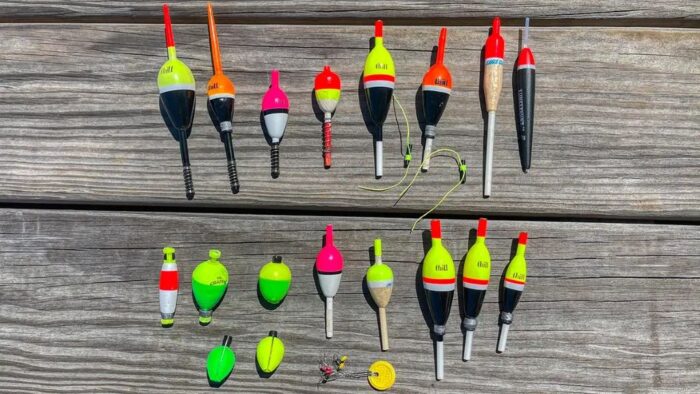
There are several types of fishing bobbers, each designed for specific fishing scenarios. The most common types include round bobbers, slip bobbers, and pencil bobbers.
Round bobbers are the classic choice for many anglers. They are easy to use and provide excellent visibility, making them ideal for beginners and general fishing. Round bobbers are typically attached to the line with a small spring or peg, allowing you to set the depth of your bait easily. They work well for fishing in calm waters, such as lakes and ponds.
Slip bobbers are designed for fishing at deeper depths or in areas with strong currents. Unlike round bobbers, slip bobbers slide up and down the line, allowing you to cast farther and fish at varying depths. They are secured in place with a stop knot or a small bead, which prevents the bobber from sliding all the way to your hook. Slip bobbers are a great choice for targeting fish that suspend at different depths, such as bass or walleye.
Pencil bobbers are long and slender, making them ideal for fishing in windy conditions or rough water. Their streamlined shape reduces resistance, allowing for longer casts and better accuracy. Pencil bobbers are often used for surf fishing or when targeting larger species that require a more sensitive presentation.
How to Choose the Right Bobber for Your Fishing Style
Selecting the right bobber depends on your fishing style, the species you’re targeting, and the conditions you’re fishing in. Start by considering the size of the bobber. Larger bobbers are more visible and can support heavier baits, making them ideal for fishing in windy conditions or with larger lures. Smaller bobbers, on the other hand, are more sensitive and less likely to spook fish, making them a better choice for finesse fishing or clear water.
Next, think about the shape of the bobber. Round bobbers are versatile and easy to use, while slip bobbers offer more flexibility for fishing at different depths. Pencil bobbers are best for long casts and rough water. Additionally, consider the material of the bobber. Plastic bobbers are lightweight and durable, while balsa wood bobbers are more buoyant and sensitive.
The color of the bobber is another important factor. Bright colors like red, yellow, or orange are highly visible, making it easier to detect bites from a distance. In clear water or when targeting finicky fish, more natural colors like green or white may be less likely to spook the fish. Some bobbers even come with glow-in-the-dark or reflective features for low-light conditions.
How to Rig a Fishing Bobber for Maximum Effectiveness
Rigging a fishing bobber correctly is essential for maximizing its effectiveness. Start by attaching the bobber to your line. For round bobbers, this typically involves clipping the bobber onto the line with a small spring or peg. For slip bobbers, thread the line through the bobber and secure it with a stop knot or bead above the bobber.
Next, determine the depth at which you want to fish. This depends on the species you’re targeting and the conditions of the water. For example, if you’re fishing for panfish in a shallow lake, you might set your bobber to keep the bait just off the bottom. If you’re targeting bass in deeper water, you might use a slip bobber to fish at varying depths.
Once your bobber is rigged, attach your hook and bait. Make sure the bait is suspended at the desired depth, and adjust the position of the bobber on your line as needed. When a fish takes the bait, the bobber will move, dip, or disappear, signaling that it’s time to set the hook. Practice with different rigs and depths to find what works best for your fishing conditions.
Tips for Using Fishing Bobbers Like a Pro
Using fishing bobbers effectively requires more than just attaching them to your line. One of the most important tips is to pay attention to the bobber’s movement. A slight twitch or dip can indicate a nibble, while a sudden disappearance underwater usually means a fish has taken the bait. Learning to read these signals will help you set the hook at the right moment.
Another tip is to use the right size and weight of bobber for your bait and fishing conditions. A bobber that is too large or heavy can spook fish or make it difficult to detect bites. Conversely, a bobber that is too small may not provide enough visibility or buoyancy. Experiment with different sizes and weights to find the right balance for your needs.
Additionally, consider the type of bait you’re using. Live bait like worms or minnows often work well with bobbers, as they can move naturally in the water, attracting fish. Artificial lures like jigs or soft plastics can also be effective, especially when fished at the right depth. Match your bait and bobber rig to the species you’re targeting and the conditions you’re fishing in.
Common Mistakes to Avoid When Using Fishing Bobbers
While fishing bobbers are a simple and effective tool, there are some common mistakes that anglers make when using them. One of the biggest mistakes is using a bobber that is too large or too small for the bait and fishing conditions. A bobber that is too large can spook fish or make it difficult to detect bites, while a bobber that is too small may not provide enough visibility or buoyancy.
Another mistake is not setting the bobber at the correct depth. If your bobber is set too shallow, your bait may not reach the strike zone where fish are feeding. If it’s set too deep, your bait may drag on the bottom, increasing the risk of snags. Always adjust the depth of your bobber based on the species you’re targeting and the conditions of the water.
Lastly, some anglers neglect to pay attention to the bobber’s movement. A bobber that twitches, dips, or disappears is a clear sign that a fish is interested in your bait. Failing to notice these signals can result in missed opportunities. Always keep an eye on your bobber and be ready to set the hook at the first sign of a bite.
Personal Experience: How Fishing Bobbers Changed My Catch Rate
When I first started fishing, I struggled to detect bites and often missed opportunities to land fish. My line would twitch, but I couldn’t tell if it was a fish or just the current. That’s when a fellow angler introduced me to the world of fishing bobbers. He showed me how to rig a simple round bobber with a worm and hook, and the difference was immediate.
With the bobber, I could see every nibble and set the hook at the perfect moment. My catch rate improved dramatically, and I suddenly found myself landing fish that I had previously missed. That experience taught me the value of using bobbers and inspired me to experiment with different types and rigs to find what worked best for my fishing style.
Conclusion
Fishing bobbers are a simple yet powerful tool that can significantly improve your catch accuracy. By choosing the right bobber for your fishing style, rigging it correctly, and paying attention to its movement, you can detect bites more effectively and land more fish. Whether you’re a beginner or an experienced angler, bobbers are an essential addition to your fishing arsenal.
Remember, the key to using fishing bobbers effectively is practice. Experiment with different types, sizes, and rigs to find what works best for your fishing conditions. With a little patience and the right approach, you’ll be well on your way to becoming a more successful angler.
Have you had success using fishing bobbers to improve your catch rate? Share your stories or tips in the comments below! And if you found this article helpful, don’t forget to share it with your fellow anglers.
FAQs
What is a fishing bobber?
A fishing bobber, also known as a float, is a buoyant device attached to a fishing line. It helps detect bites by moving, dipping, or disappearing when a fish takes the bait. Bobbers also control the depth of your bait and prevent snags by keeping it off the bottom.
How do I choose the right bobber for my fishing style?
Consider the size, shape, and material of the bobber, as well as the species you’re targeting and the conditions you’re fishing in. Round bobbers are versatile and easy to use, while slip bobbers offer more flexibility for fishing at different depths. Pencil bobbers are ideal for long casts and rough water.
How do I rig a fishing bobber?
Attach the bobber to your line using a spring, peg, or stop knot, depending on the type of bobber. Set the depth of your bait by adjusting the position of the bobber on your line. Attach your hook and bait, and make sure the bait is suspended at the desired depth.
What are the benefits of using a fishing bobber?
Fishing bobbers improve catch accuracy by providing a visual bite indicator, controlling the depth of your bait, and preventing snags. They are especially helpful for beginners and for fishing in weedy or rocky areas.
Can I use a bobber for all types of fishing?
Bobbers are versatile and can be used for a wide range of fishing scenarios, from freshwater to saltwater. However, the type of bobber and rig you use may vary depending on the species you’re targeting and the conditions you’re fishing in. Experiment with different types to find what works best for you.